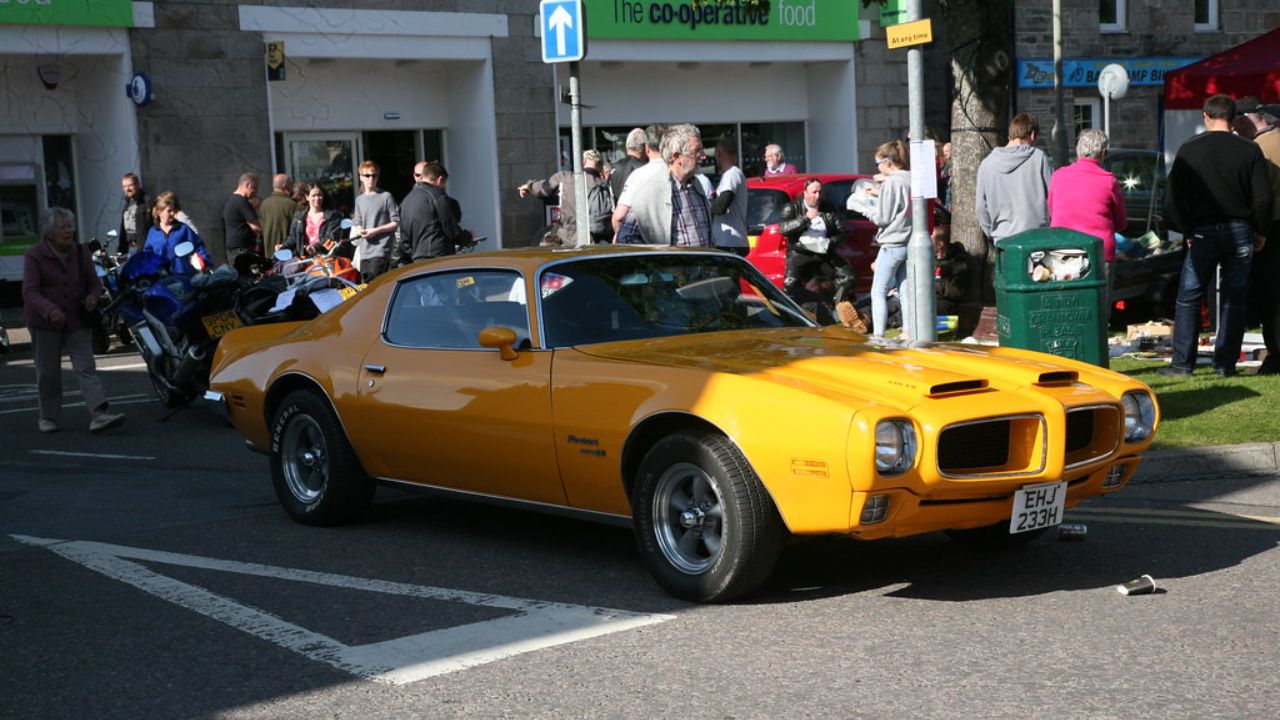
Muscle cars, with their powerful engines and sleek designs, have long been icons of American culture. Despite initial resistance and regulation challenges, these vehicles managed to make a significant mark on the streets. Delving into their journey reveals how muscle cars became a staple in the automotive world.
The Birth of the Muscle Car Phenomenon
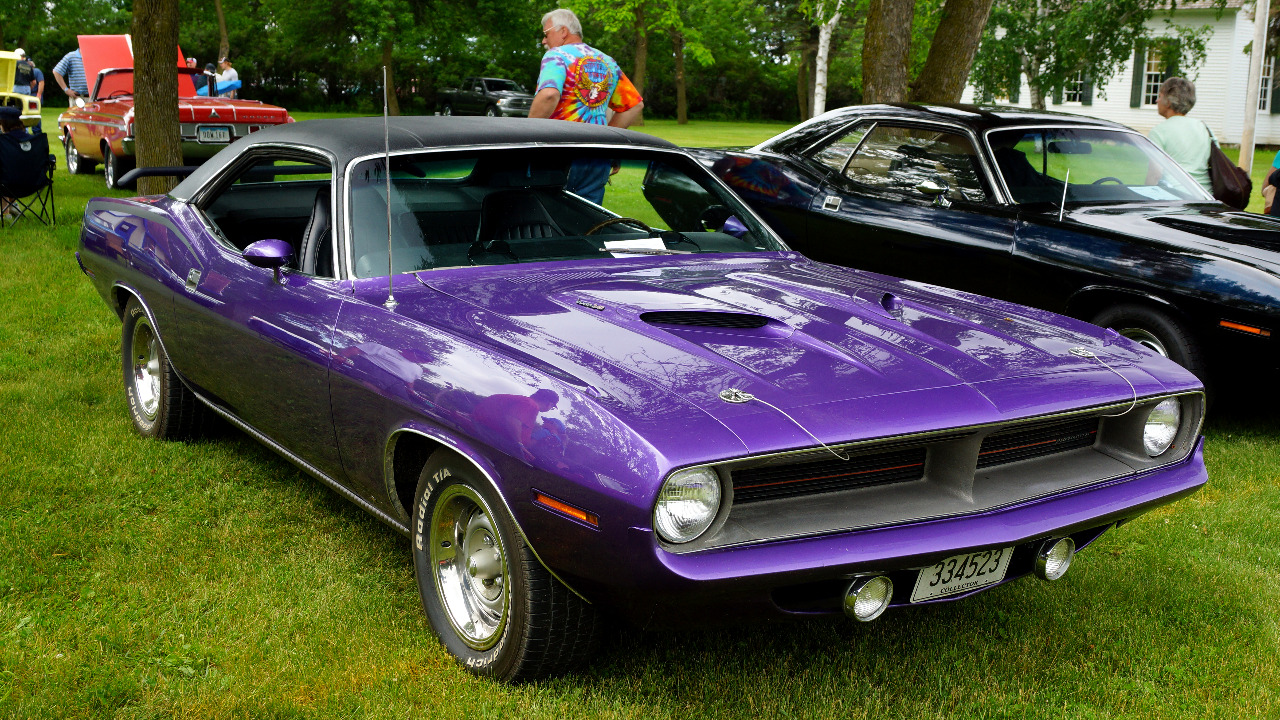
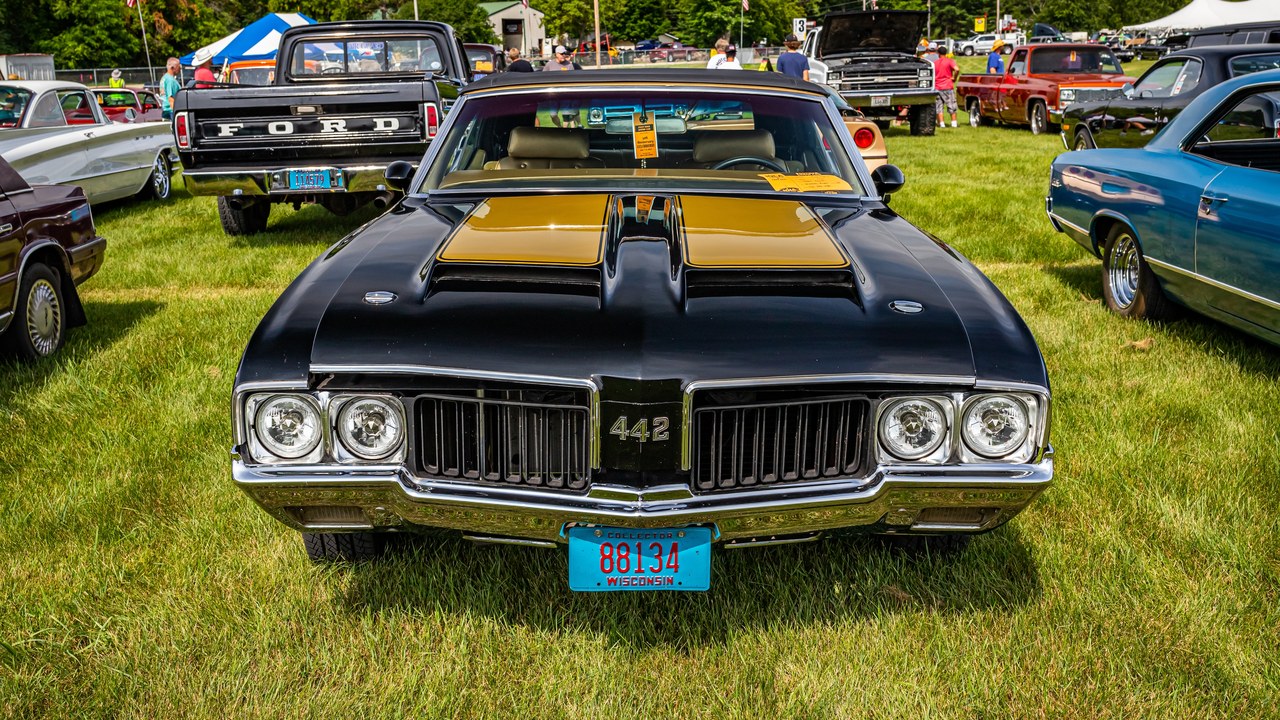
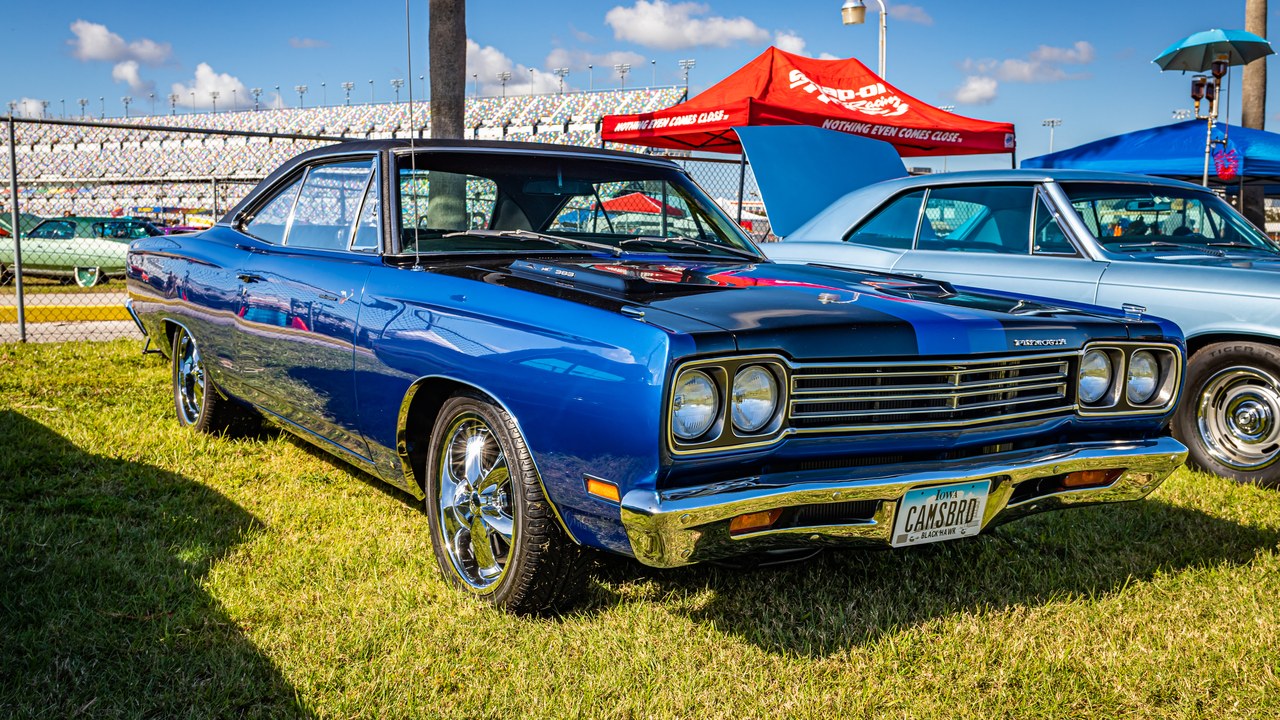
Muscle cars emerged in the 1960s, characterized by their high-performance engines and affordable prices. These vehicles were designed for speed and power, often featuring a V8 engine that offered an exhilarating driving experience. The essence of a muscle car lies in its ability to provide raw power and a thrilling ride, which captivated the American public.
Key manufacturers such as Ford, Chevrolet, and Dodge played pivotal roles in the muscle car revolution. Ford’s Mustang, Chevrolet’s Camaro, and Dodge’s Charger are revered names in the world of muscle cars, each bringing unique attributes to the table. These companies not only competed fiercely but also pushed the boundaries of automotive engineering, setting new standards for performance and design.
The cultural impact of muscle cars was profound. They became symbols of freedom, power, and rebellion, resonating with a generation that valued individuality and expression. Muscle cars were more than just vehicles; they were icons of a lifestyle that celebrated speed and liberation on the open road.
Navigating Challenges and Resistance
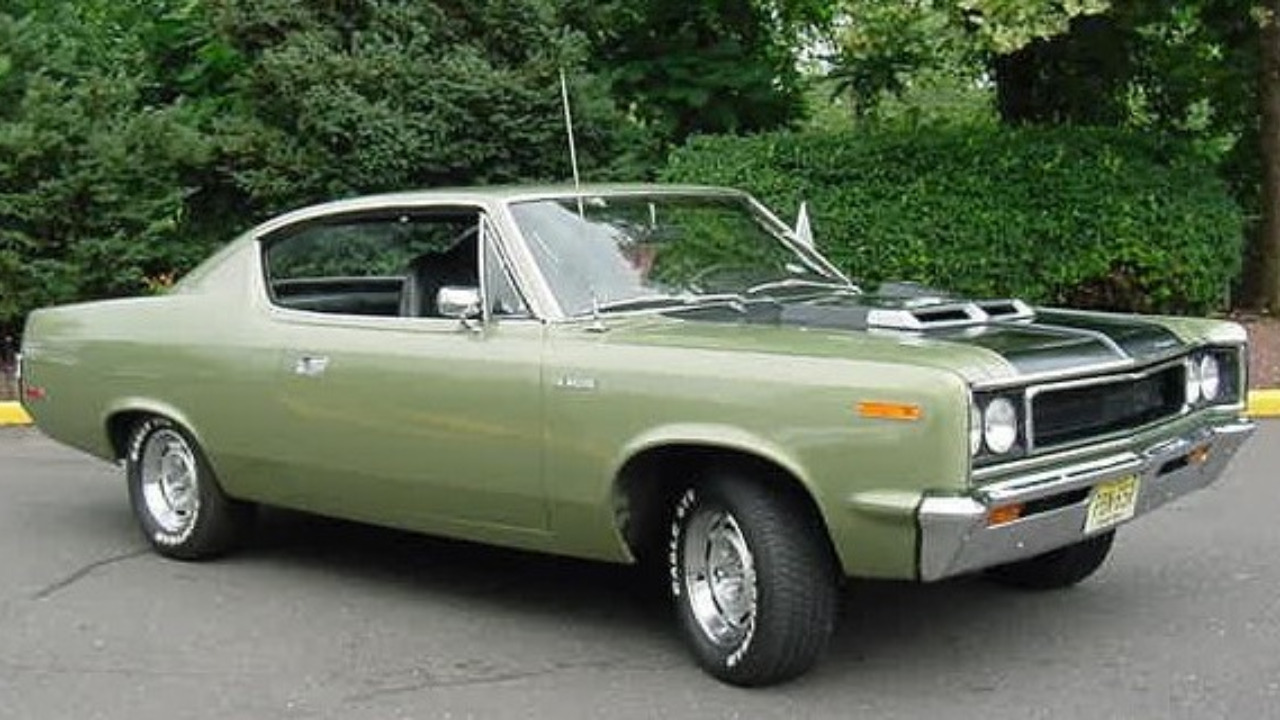
The 1970s brought a wave of regulatory challenges that threatened the muscle car market. New safety and emission regulations forced manufacturers to rethink their designs, resulting in a decline in performance and the temporary retreat of muscle cars from the limelight. These regulations aimed to address growing environmental concerns but inadvertently stifled the raw power that defined muscle cars.
Economic factors further compounded these challenges. The oil crisis of the 1970s and the subsequent economic downturn led to a shift in consumer preferences towards more fuel-efficient vehicles. The muscle car market, heavily reliant on powerful but fuel-hungry engines, struggled to adapt to these changing dynamics.
Despite these hurdles, enthusiast communities played a crucial role in keeping the spirit of muscle cars alive. Car clubs and rallies became sanctuaries for enthusiasts who cherished these iconic vehicles, allowing them to share their passion and preserve the muscle car legacy. These communities fostered a sense of camaraderie and provided a platform for like-minded individuals to celebrate their shared love for muscle cars.
Rebirth and Evolution in Modern Times
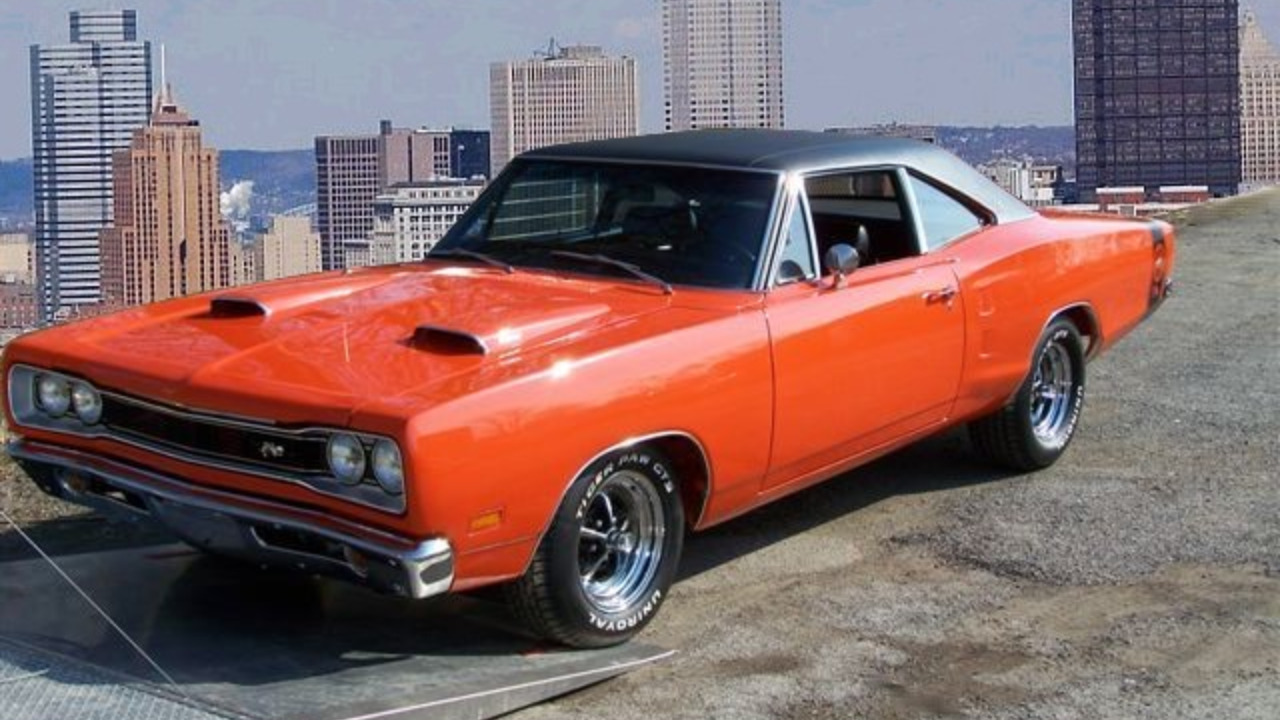
In recent years, there has been a resurgence of interest in classic muscle cars, driven by nostalgia and a desire to relive the golden era of American automotive history. This retro revival has influenced modern designs, with manufacturers incorporating classic elements into contemporary muscle cars to capture the essence of their predecessors while appealing to a new generation of enthusiasts.
Technological advancements have significantly improved the performance and efficiency of modern muscle cars. Innovations in engineering have allowed manufacturers to enhance power output while improving fuel efficiency and reducing emissions. This delicate balance between performance and sustainability has enabled modern muscle cars to retain their classic appeal while meeting contemporary standards.
The global influence of muscle car culture cannot be overlooked. What began as a distinctly American phenomenon has transcended borders, attracting enthusiasts worldwide. Muscle car events and communities have sprung up in various countries, showcasing the universal appeal of these iconic vehicles. The muscle car culture has become a global movement, uniting fans from diverse backgrounds in their shared appreciation for speed and style.
Muscle Cars in Popular Media
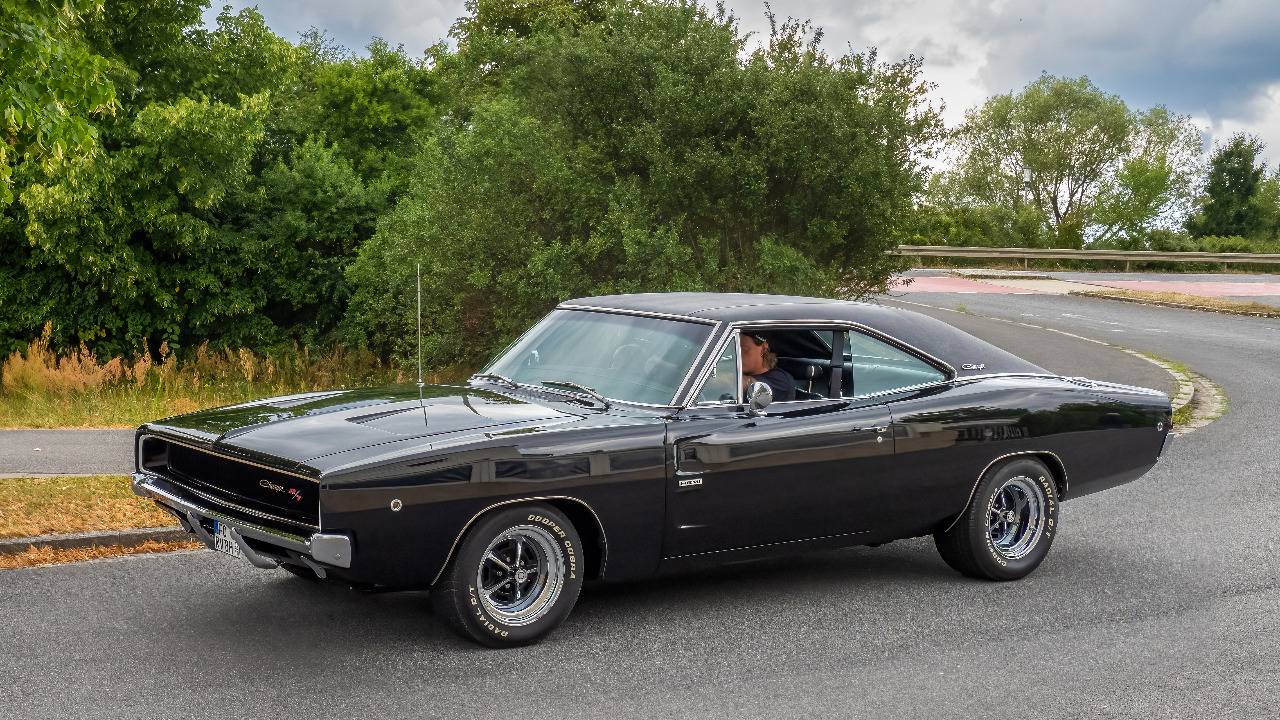
Muscle cars have left an indelible mark on popular media, becoming integral to the storylines of numerous films and television shows. From the high-octane chases in the “Fast and Furious” franchise to the iconic scenes in “Bullitt,” these vehicles have solidified their legendary status on the silver screen. Their presence in media has contributed to their mystique and allure, captivating audiences and reinforcing their status as symbols of power and rebellion.
Advertising and branding strategies have also played a significant role in maintaining the allure of muscle cars. Manufacturers have leveraged the rugged and rebellious image of these vehicles to create compelling marketing campaigns that resonate with consumers. By capitalizing on the nostalgia and cultural significance of muscle cars, brands have successfully kept them relevant in an ever-evolving automotive landscape.
In the digital age, social media and online communities have become vital platforms for connecting muscle car enthusiasts. These platforms allow fans to share their experiences, showcase their vehicles, and organize events, fostering a sense of community and keeping the passion for muscle cars alive. The digital realm has become a hub for enthusiasts to engage with like-minded individuals and celebrate their shared love for these iconic vehicles.
The Future of Muscle Cars on the Streets
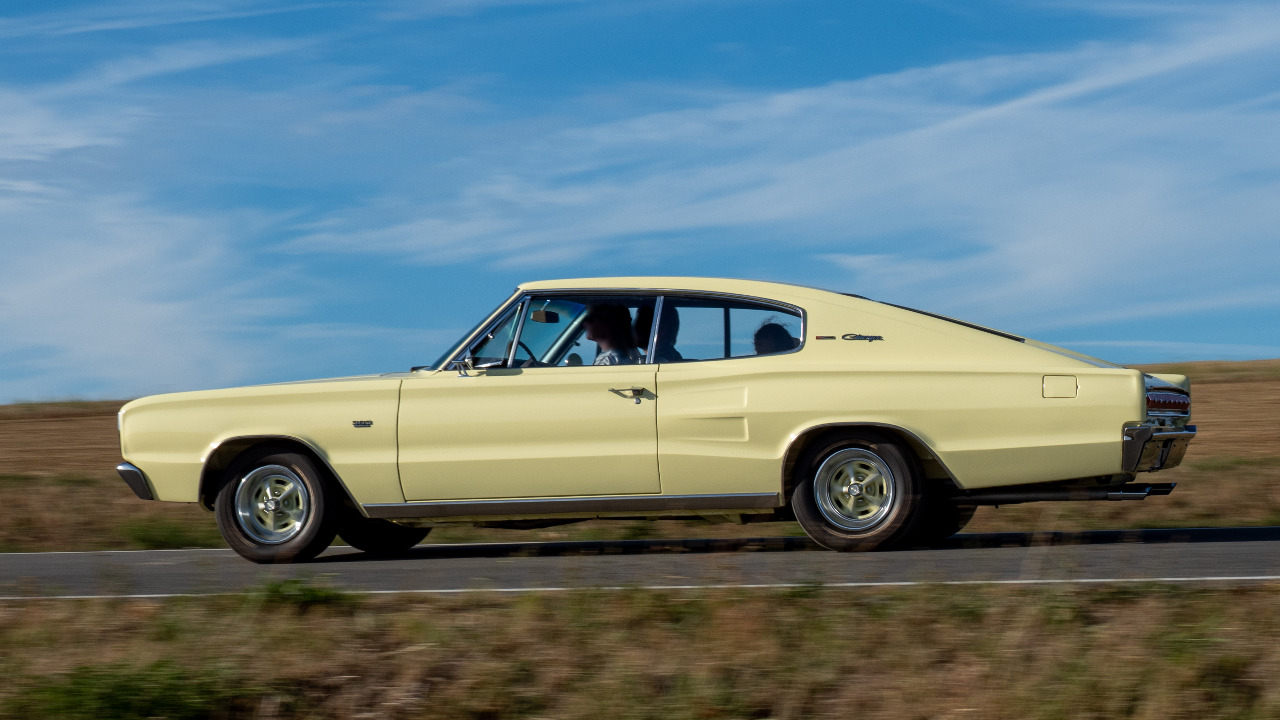
The emergence of electric-powered muscle cars marks a new chapter in the evolution of these iconic vehicles. Manufacturers are exploring the potential of electric propulsion to redefine the muscle car category, offering a new wave of performance and sustainability. Electric muscle cars promise to deliver the same exhilarating driving experience while reducing environmental impact, paving the way for a more sustainable future.
As the automotive industry shifts towards sustainability, manufacturers are striving to balance tradition with innovation. The need for environmentally friendly practices has prompted a reevaluation of production processes and materials, ensuring that muscle cars remain relevant in a changing world. This commitment to sustainability is driving innovation and shaping the future of muscle cars.
Despite the challenges and changes, the passion for muscle cars continues to drive innovation and preserve their legacy on the streets. Enthusiasts remain dedicated to celebrating the history and culture of these vehicles, ensuring that muscle cars endure as symbols of power, freedom, and individuality for generations to come. As we navigate an ever-evolving automotive landscape, the spirit of muscle cars remains a driving force that inspires innovation and fuels the imagination of car enthusiasts worldwide.
Like Fast Lane Only’s content? Be sure to follow us.
Here’s more from us:
- All New Trans Am: 10 Things You Need to Know
- The Fastest Farm Truck Ever Built
*Created with AI assistance and editor review.