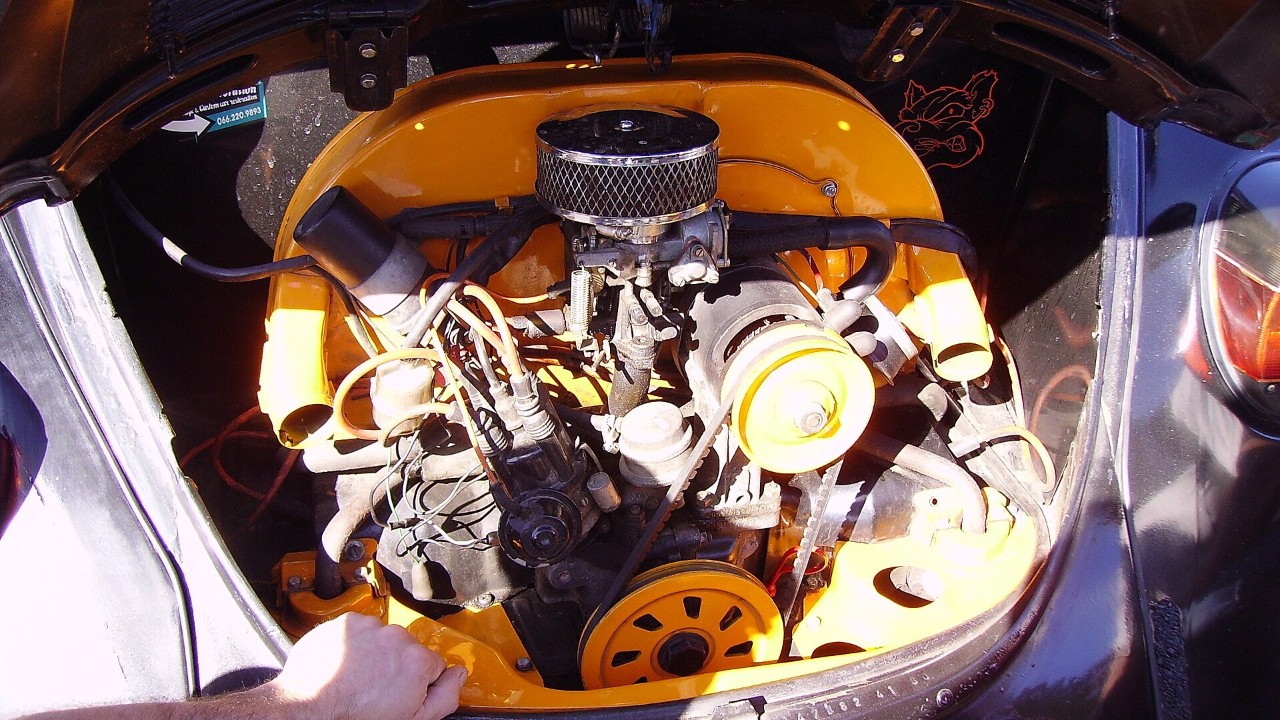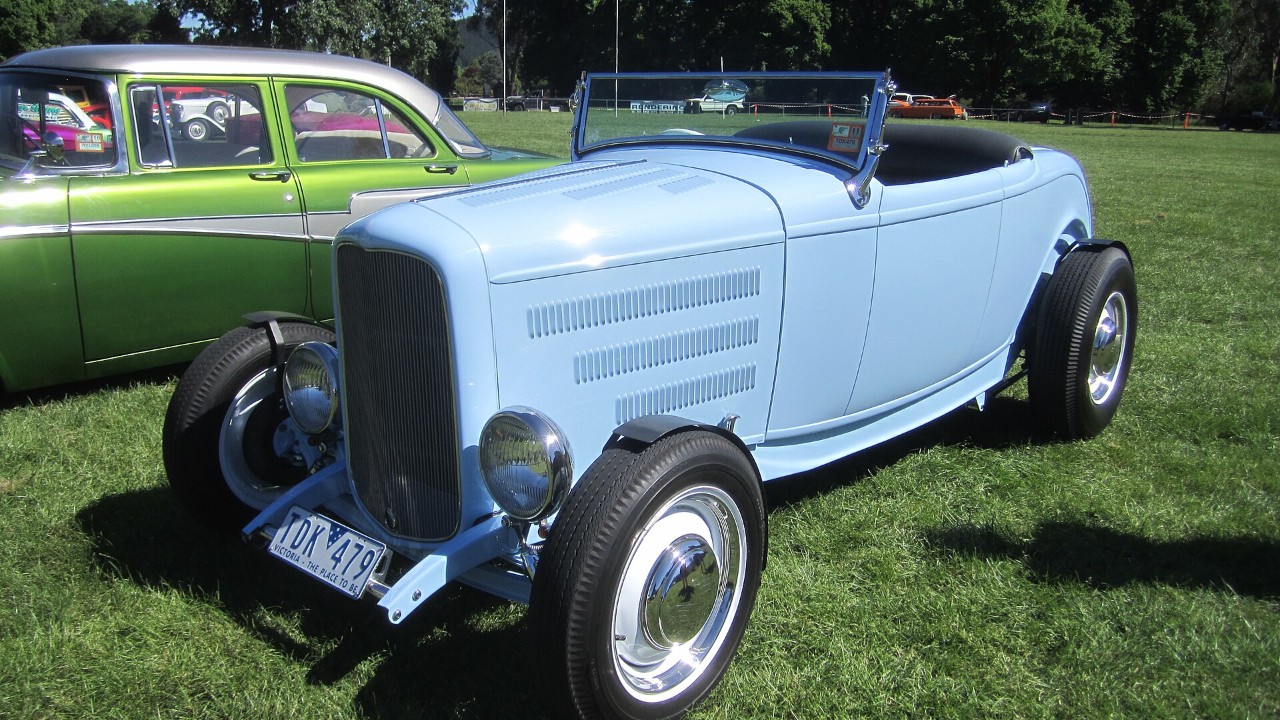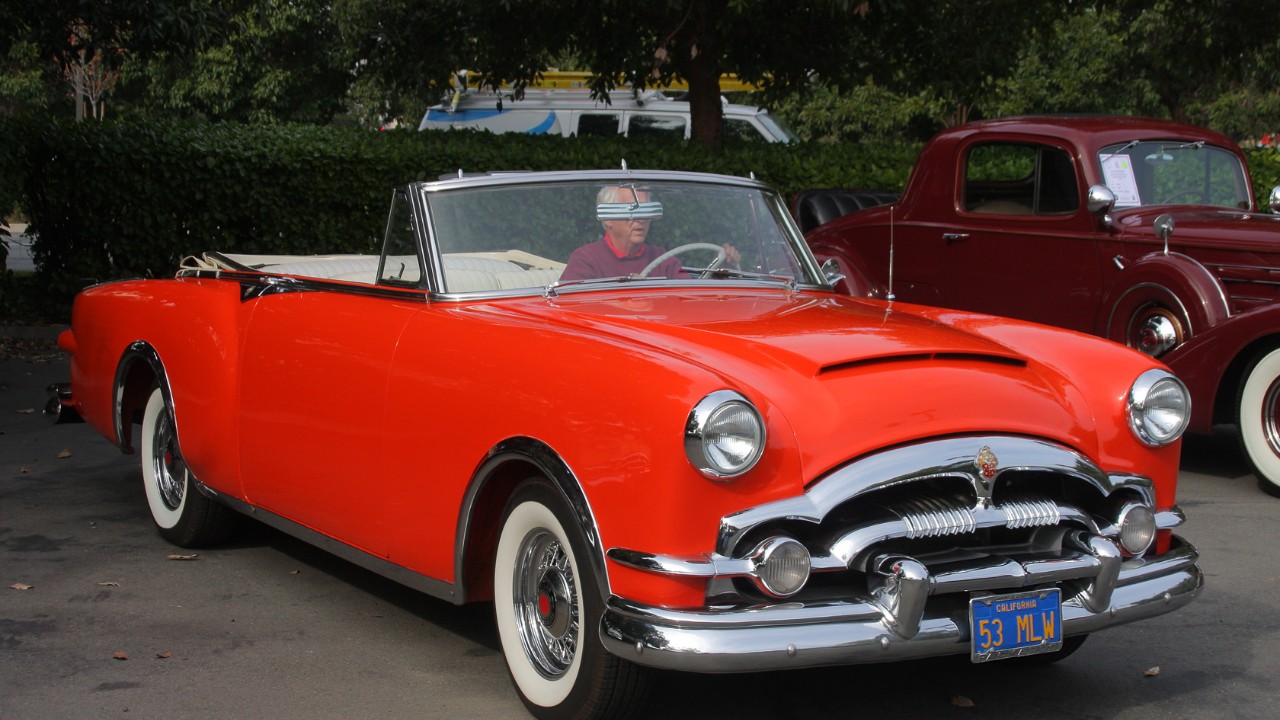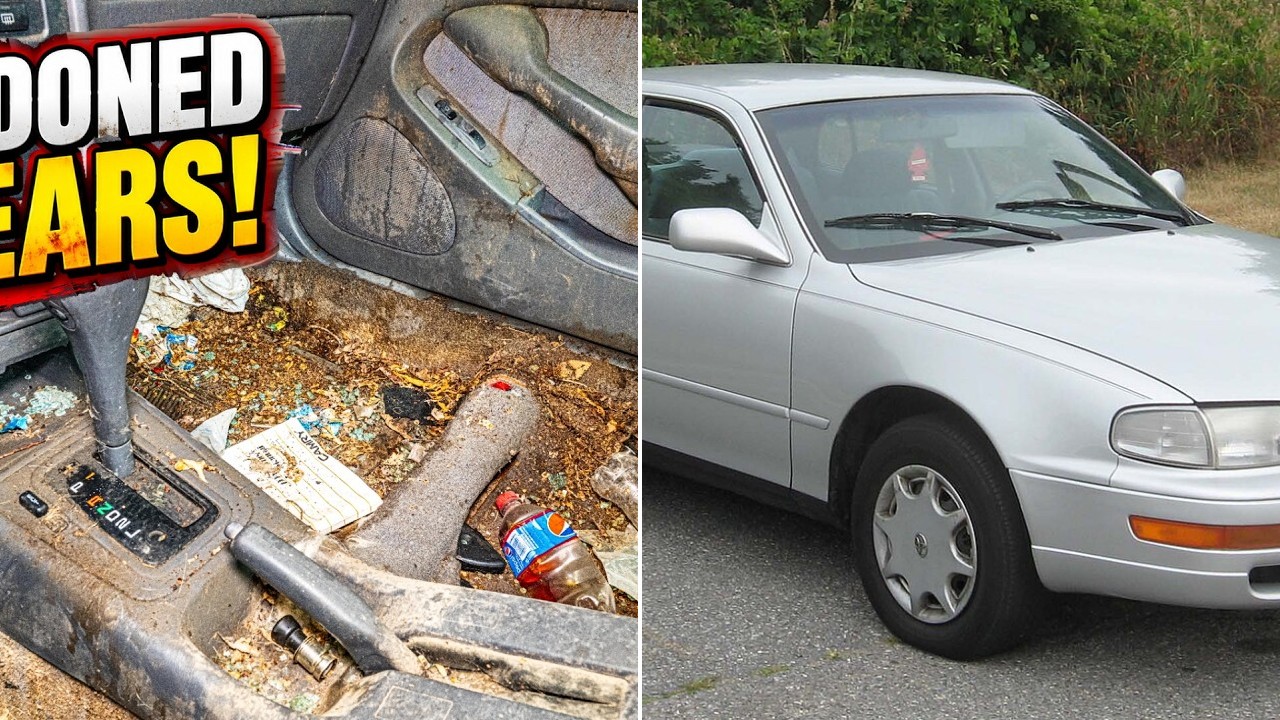
In 1962, the Corvair Monza Spyder brought a turbocharger to a Chevrolet you could buy off the lot. Back then, though, it looked like an odd option on an odd car. Today, the same sort of cars that once sat at the back of the used lot draw crowds at shows.
Chevrolet has built a lot of cars that everyone expected to be collectible. Corvettes, Camaros and big-block Chevelles were always going to have fans. But some of the brand’s most interesting cars came from the economy aisle, the family sedan lineup and even the truck line. As a result, most of them were simply used up and thrown away.
These are our picks for the Chevrolets that turned into surprise collectibles. Some are hot trucks, while others are small cars with a performance twist. The facts come from period specs, auction data and car histories. The verdict on each one is our own opinion.
1. 1990 Chevrolet 454 SS
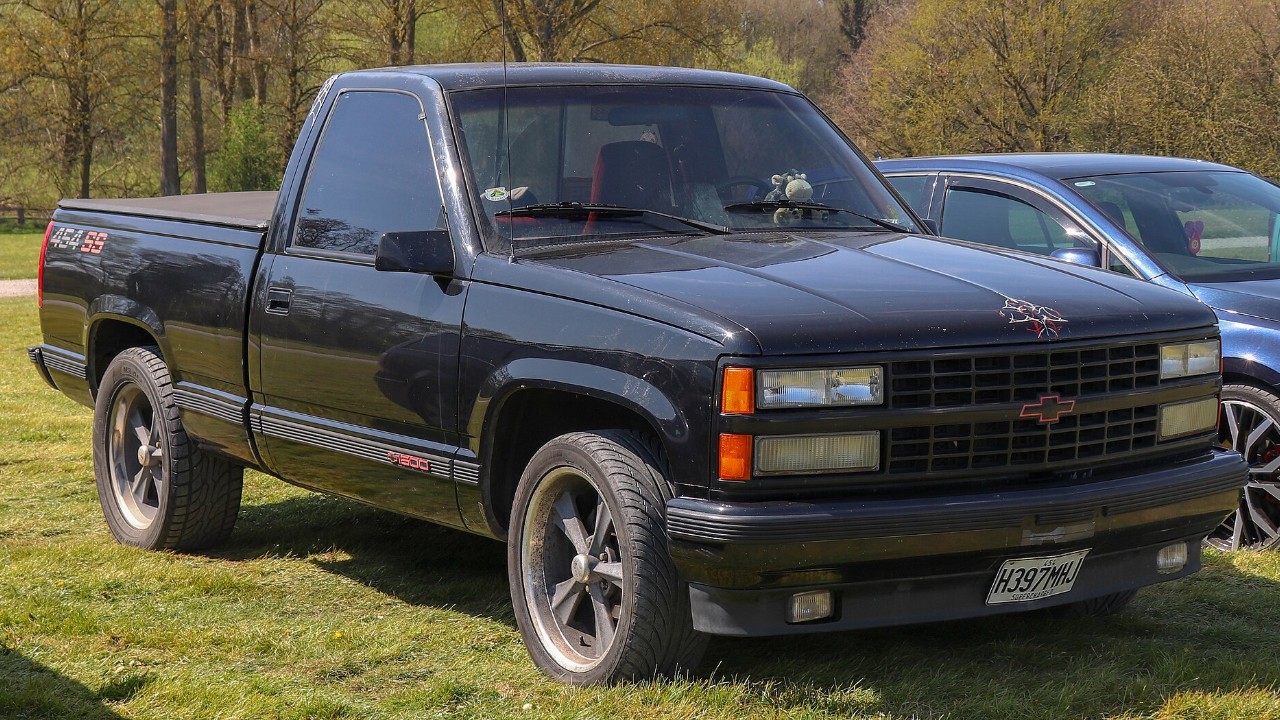
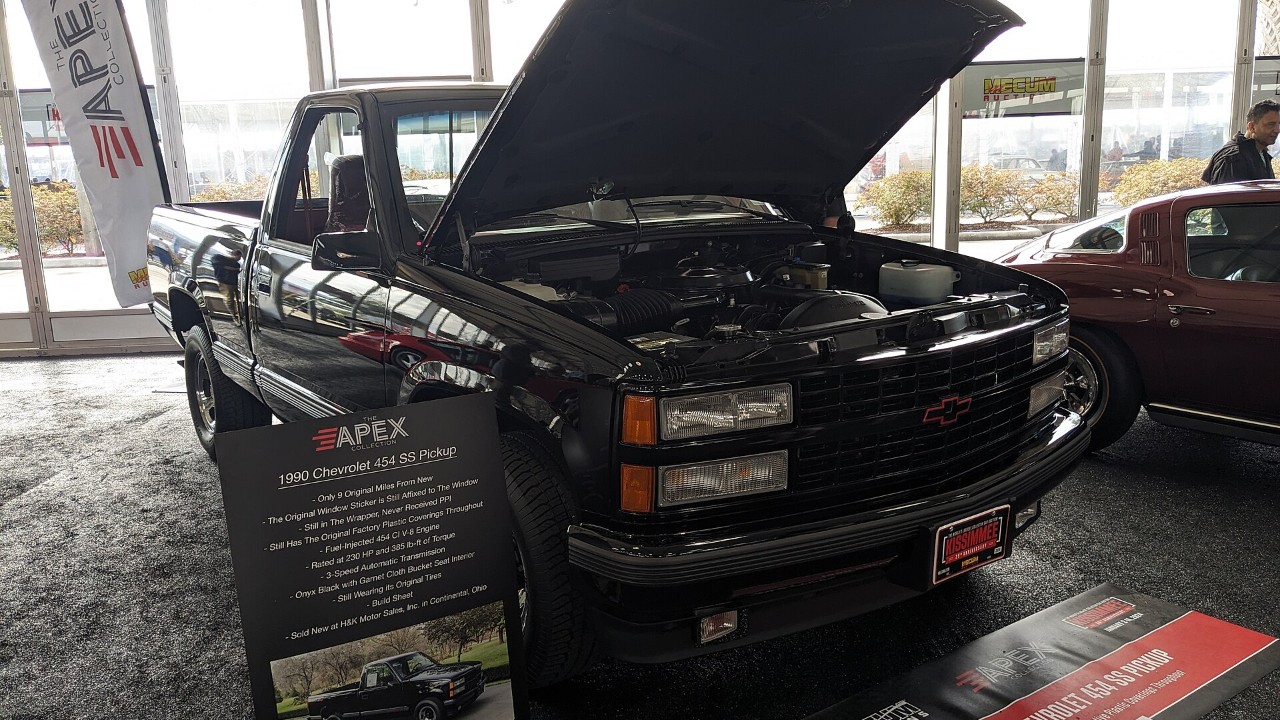
Chevrolet answered a simple question with this truck: what if a regular half-ton pickup got the biggest engine on the shelf? For 1990, the 454 SS paired a Mark IV big-block V8 with the C1500 pickup. Initially, that engine made 230 horsepower and 385 lb-ft of torque. A three-speed THM400 automatic handled the shifting that first year.
For 1991, Chevrolet raised output to 255 horsepower and moved to the four-speed 4L80E overdrive automatic. It also fitted a numerically higher 4.10 axle ratio. By then, though, most of the trucks had already been built. According to Hagerty, about 17,000 were made, and roughly 80 percent came in 1990.
When new, the performance package cost $18,295. Today, the trucks draw a younger crowd, with Gen-Xers making up 39.5 percent of insurance quotes, per Hagerty. For more on how the truck built its following, read why the Chevrolet 454 SS pickup became a modern collector favorite.
Our take: the 454 SS was a muscle car disguised as a work truck. Hagerty notes a 1990 truck sold for $40,700 at Mecum’s 2019 Kissimmee auction. That is a big number for a two-wheel-drive half-ton.
2. 1980 Chevrolet Citation X-11
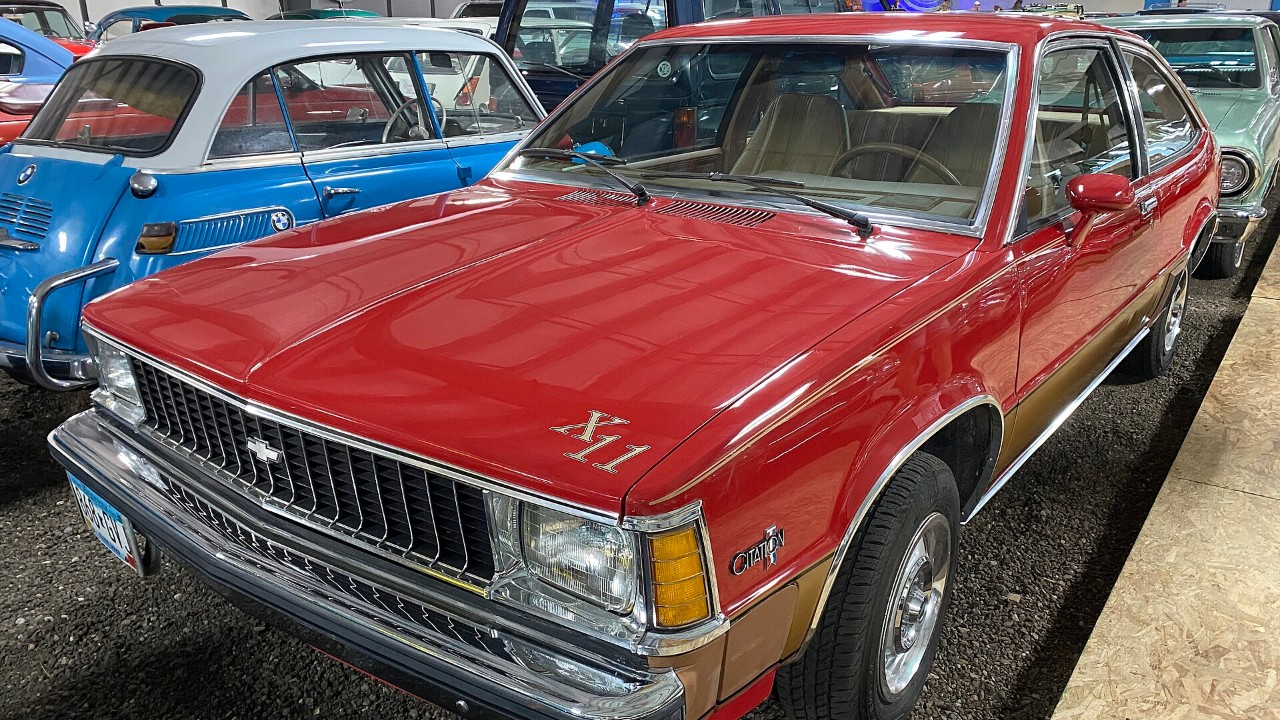
Here is the twist: the Citation X-11 won national racing titles. Bob McConnell drove a 1981 X-11 to SCCA Showroom Stock B national championships in 1982 and 1984. That is a strong record for a front-drive compact that most people remember as a commuter car.
The 1980 X-11 started as a sport package on Chevrolet’s first front-drive car. First, it added front and rear stabilizer bars and a retuned suspension. Then, on the outside, buyers got Rallye rims, white-letter tires, a trunk spoiler, sport mirrors, body skirting and striping. Engines were a 90-horsepower 2.5-liter four or a 115-horsepower 2.8-liter V6.
The Citation itself was a huge hit at first. It was America’s best-selling car for 1980, with 811,540 sold, and Motor Trend named it Car of the Year. However, quality problems followed. About 225,000 cars were recalled in 1980 over a transmission hose linked to underhood fires.
We’d look for one anyway, but go in with your eyes open. If you want the best version, the 1981 and later X-11 got a high-output 2.8 V6 rated at 135 horsepower. Either way, check the recall work and the brakes before you buy.
3. Chevrolet Celebrity Eurosport VR
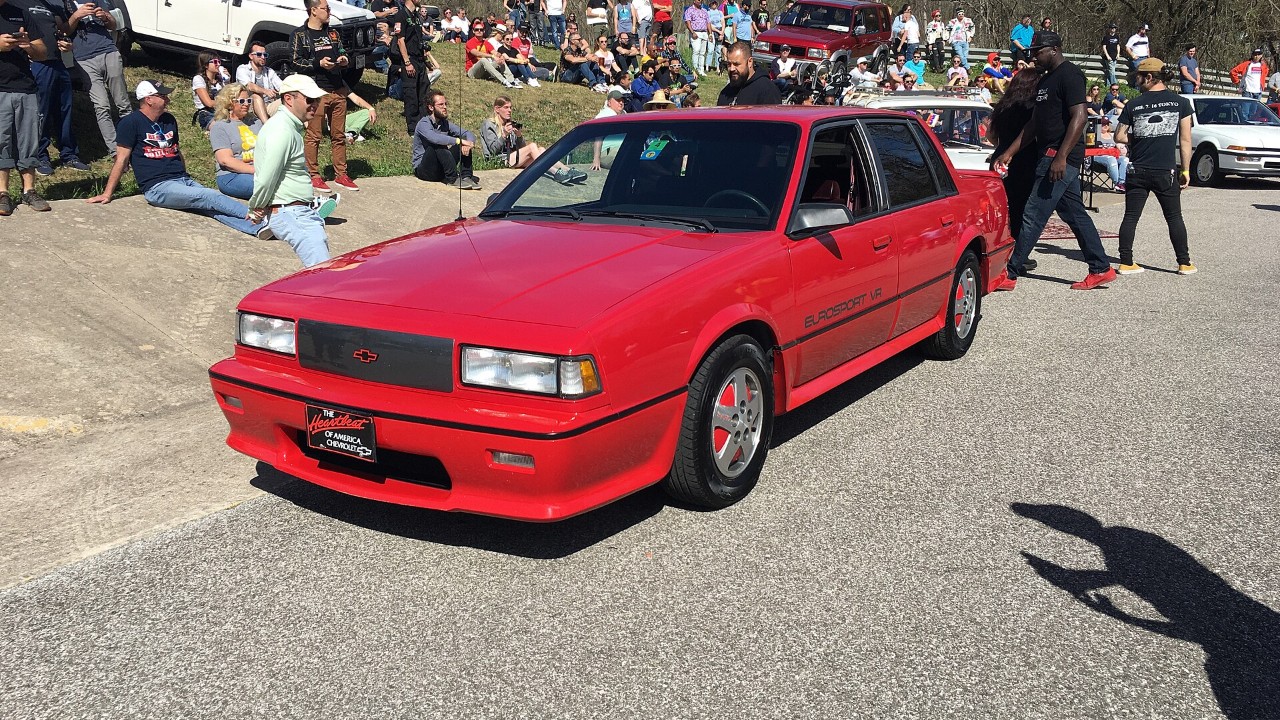
The Celebrity was the best-selling car in America in 1986. That success made it common, and common cars rarely become collectible. The Eurosport VR is the exception, because Chevrolet built it to stand apart from the rest of the lineup.
The VR grew out of the 1986 Eurosport RS concept car. Autostyle Cars converted the cars near the Oklahoma City Assembly plant. Specifically, each one got ground effects, body decals, a blacked-out grille and aluminum wheels. Buyers could also choose red, silver, black or white paint.
Inside, the 1987 cars went further. They had red carpeting, tri-color door panels and bucket seats with thigh bolsters. Moreover, there was even a rear-seat cup holder. For 1988, Chevrolet added two-door VR models, though those used regular Celebrity or CL interiors. The regular Eurosport could be ordered with the high-output 2.8-liter V6 first used in the Citation X-11.
Our take: the VR is a fun snapshot of the late 1980s. It is a family sedan in a body kit, and it does not hide that. Because it ran only for 1987 and 1988, we think it is one of the more interesting ways to own a Celebrity today. Look for one with the original VR body parts and decals, since they are what set it apart.
4. 1977 Chevrolet Chevette Rally
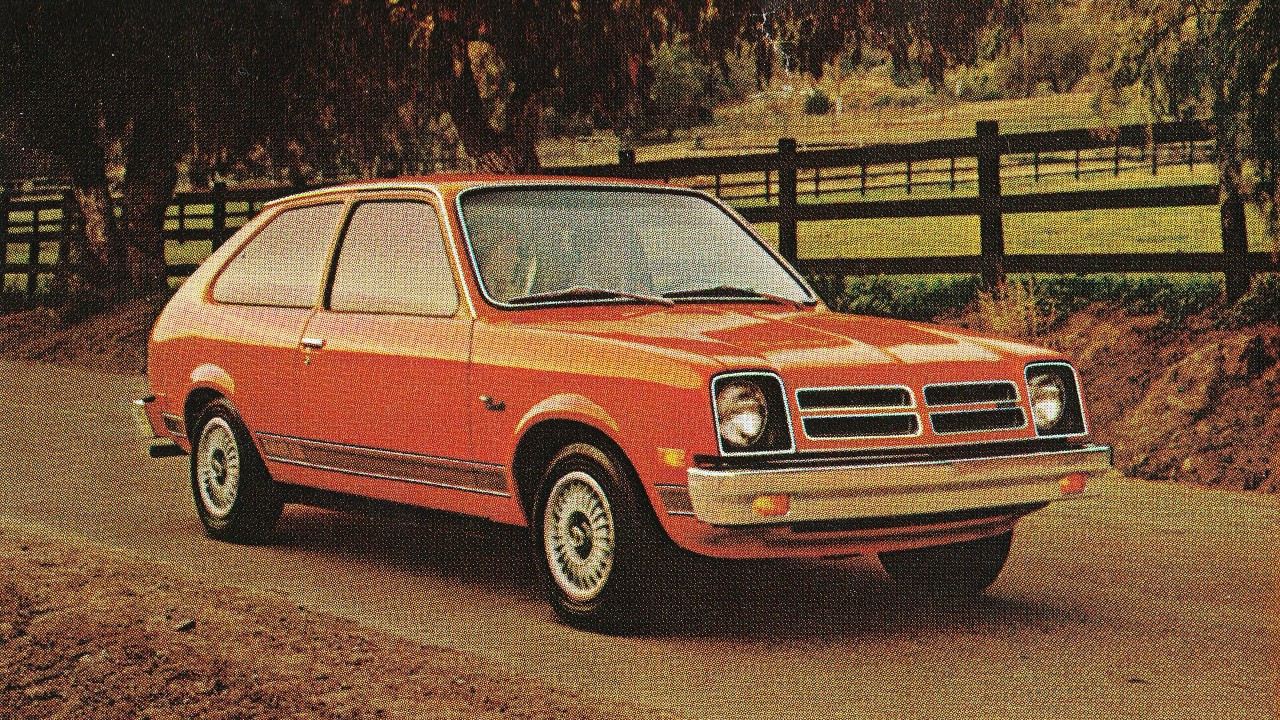
The Chevette was part of a worldwide plan. It rode on GM’s rear-drive T platform, which Opel and Isuzu helped develop in 1973. Worldwide, GM built more than 7 million T-cars. In America, the Chevette became the best-selling small car for the 1979 and 1980 model years.
The Rally was the sporty member of the early family. It swapped the standard 1.4-liter engine for a 1.6-liter rated at 60 horsepower, up from 52. It also added a rear stabilizer bar and special body graphics. Those are small changes. In our view, they gave the little hatch a welcome bit of personality.
However, most Chevettes lived hard lives as cheap transport. Chevrolet built about 2.8 million of them from 1976 to 1987. For more on the car’s place in history, read how the 1976 Chevrolet Chevette represented survival mode.
We think a clean Rally is now a fun find at any show. It is a simple rear-drive hatchback from a time when that layout was fading from small cars. If you find one with the original graphics, keep them, because they are a big part of the charm.
5. Chevrolet Silverado SS
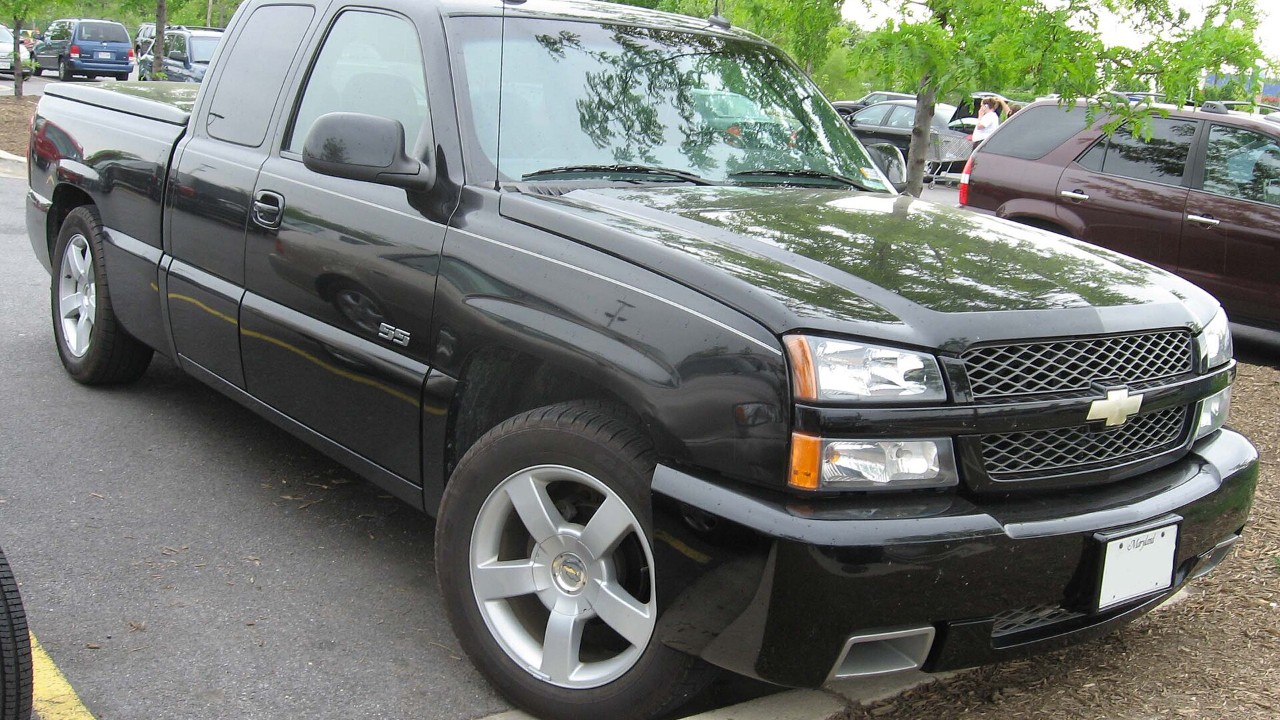
When the Silverado SS arrived for the 2003 model year, it was not built for the desert or the job site. It was built for the street. For that job, Chevrolet gave it a 6.0-liter V8 rated at 345 horsepower and 380 lb-ft of torque. A four-speed automatic sent that power to the wheels.
At first, every SS came with all-wheel drive. That made it a very different kind of fast truck, one that could put its power down on wet roads. Later in production, Chevrolet added a rear-drive version to lower the price. As Autoblog points out, one 2004 truck in Arrival Blue later went up for auction on Cars & Bids.
Ford and Ram had their own performance pickups, and they mostly went in a different direction. By contrast, the SS stayed a street truck. For a closer look at the engine, read why the Chevy Silverado SS 6.0 feels like a cheat code.
Our take: the SS is the modern heir to the 454 SS on this list. It is fast, useful and easy to drive every day. If you shop for one, the early all-wheel-drive trucks are the ones we’d chase first.
6. Chevrolet Sprint Turbo
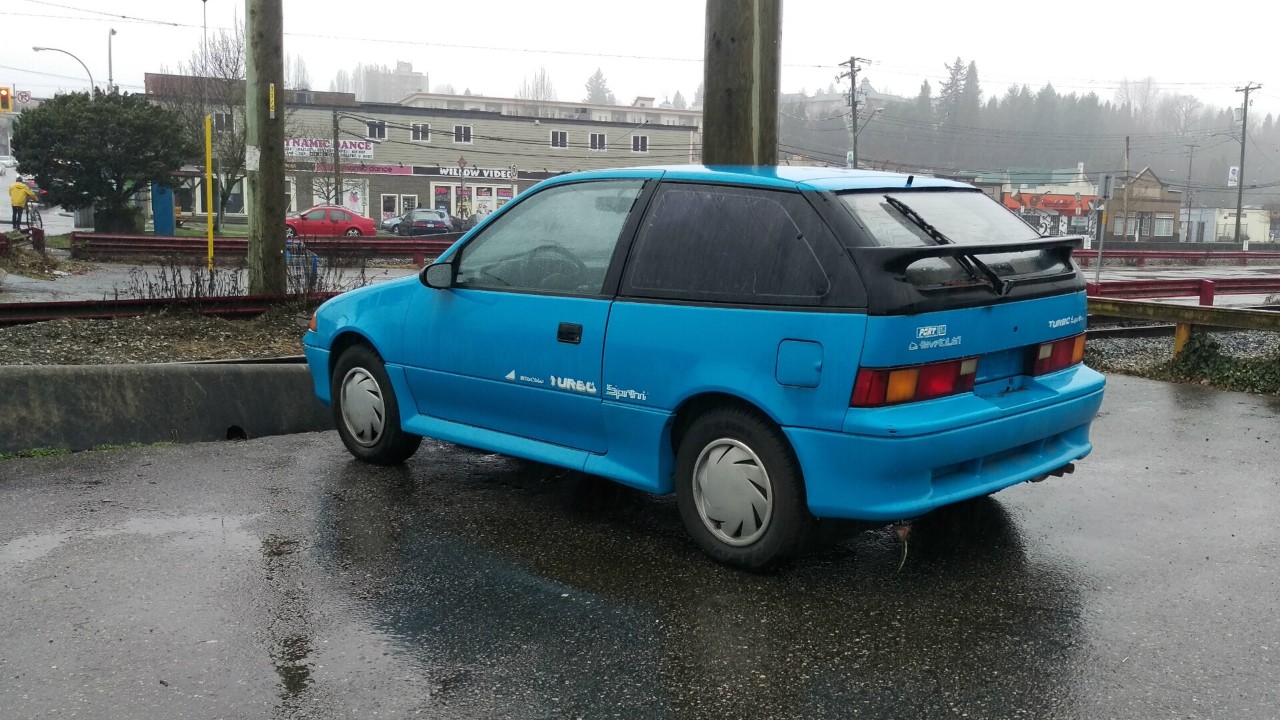
The Sprint was a small hatchback built from the Suzuki Cultus design. Initially, Chevrolet sold it in parts of the western United States for the 1985 model year. Then it went nationwide for 1986. Even then, almost nobody expected a turbo version.
But for 1987, Chevrolet offered a Sprint Turbo in the U.S. and Canada. It used a fuel-injected, turbocharged 1.0-liter three-cylinder rated at 70 horsepower. Admittedly, that does not sound like much. In a car this small and light, though, it made the Sprint Turbo feel lively.
Back then, most Sprints were bought as cheap commuters and driven until they wore out. That is why a clean Turbo is such a surprise today. Survivors with the turbo hardware intact are the ones to chase.
We’d call it one of the most charming oddballs Chevrolet ever sold. It is a tiny Japanese-designed car with a Chevy badge and a turbo. If you find one, check for rust and make sure the turbo system is complete and original.
7. 1963 Chevrolet Corvair 900 Monza Spyder
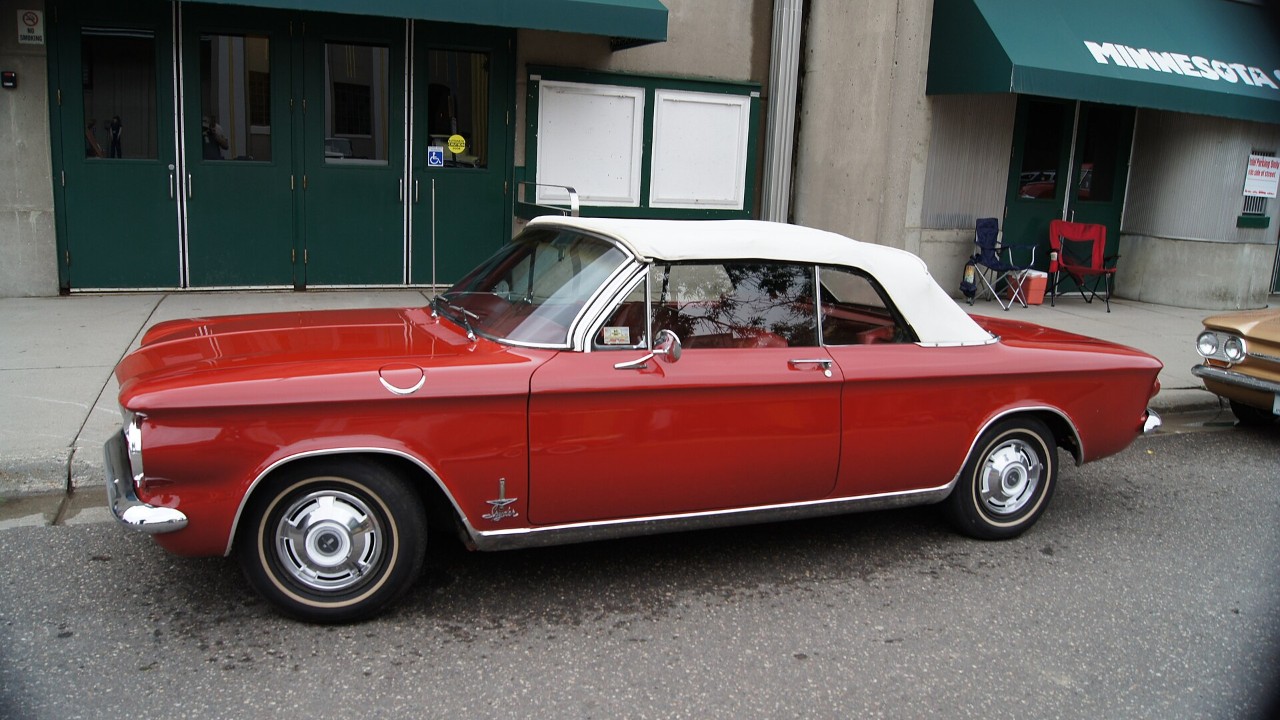
The Corvair was already unusual, with a rear-mounted, air-cooled flat-six. Still, the Monza Spyder made it bolder. According to Curbside Classic, the turbocharged 145-cubic-inch engine made 150 gross horsepower at 4,400 rpm and 210 lb-ft of torque.
The Spyder package cost $317.45. In return, buyers got the four-speed transmission, a sport suspension and a new dash with full instruments. Those instruments included a combined vacuum and boost gauge and a cylinder-head temperature gauge. That was a lot of hardware for a compact car in the early 1960s.
The Corvair Monza Spyder had one rival with a turbo. The Oldsmobile Jetfire arrived a few months earlier, with a 215-horsepower aluminum V8. However, its water-alcohol injection became a reliability problem, and Olds built only 9,607 of them.
Overall, we think the Spyder shows how bold Chevrolet could be. It was a small, rear-engine car with a turbo long before turbos became common. The 1962 and 1963 Spyder used the 150-horsepower turbocharged 145-cubic-inch flat-six.
More from Fast Lane Only