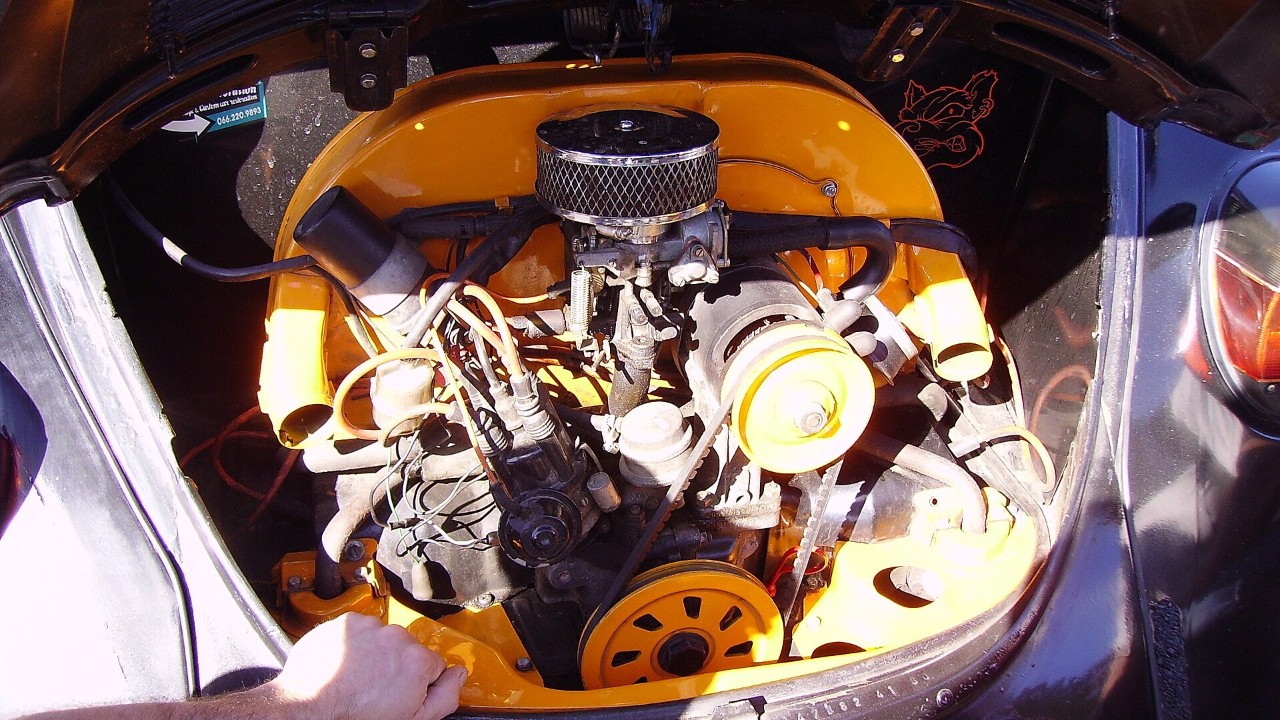
Volkswagen built versions of its air-cooled engine from 1936 until 2006, and the last Type 1 unit went into a Brazilian Type 2 van. That is a seventy-year run for one basic design. An air-cooled engine has no radiator, no water pump and no coolant to leak, because fins and moving air carry the heat away.
That simplicity is the whole appeal. Fewer parts mean fewer things to fail on a hot day far from home. However, air cooling is not magic. Some of these engines earned their toughness the hard way, and a few needed fixes before they got there.
These are our picks for 11 air-cooled engines that refuse to wear out. Some last because they are simple, while others last because the design never went away. The verdicts are our opinion, and the years, sizes and figures come from maker records, club guides and period histories.
1. Volkswagen Type 1 air-cooled engine
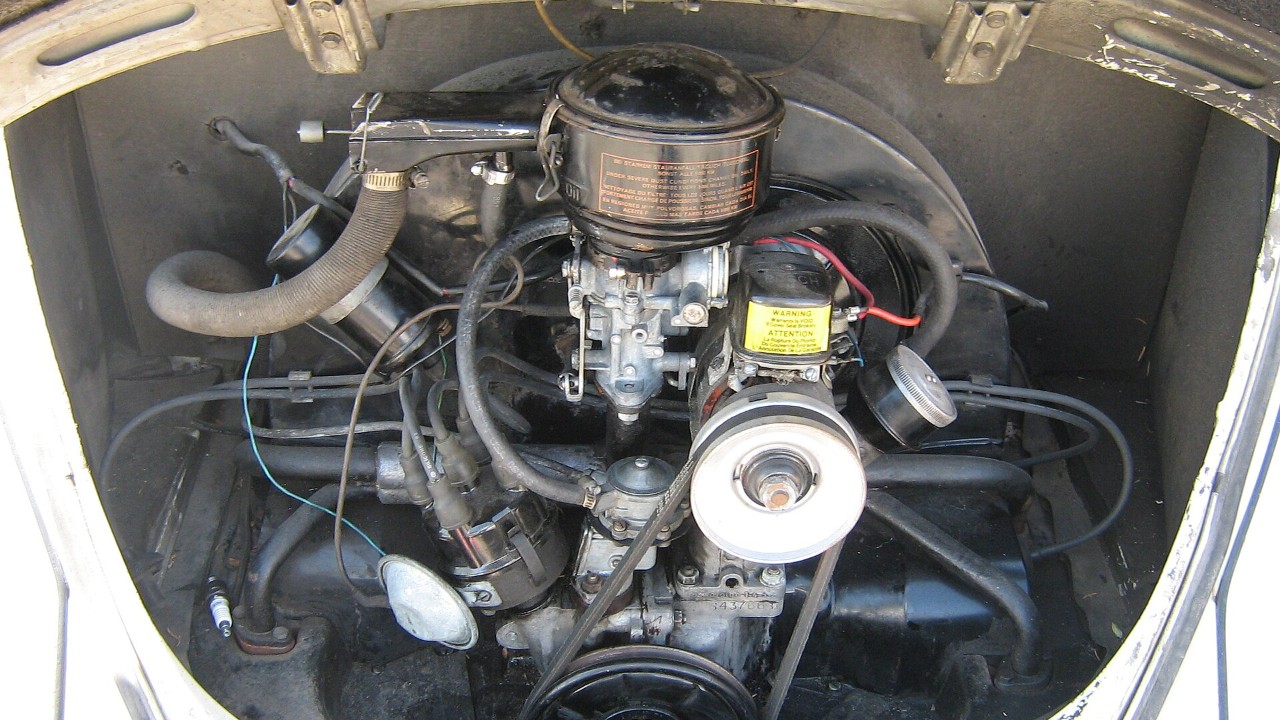
The flat-four behind the rear seat of a Beetle is the template for this whole list. Volkswagen offered the Type 1 in several sizes over the years, starting at 1,131 cc and ending at 1,584 cc. Every Type 1 engine used a light magnesium-alloy case, with cast-iron cylinders and aluminum heads.
Its reach went far beyond cars. Volkswagen sold the engine for industrial jobs from 1950. Meanwhile, Limbach alone has built more than 6,000 aircraft engines based on the Beetle unit since 1970. Some homebuilders even cut a block in half to make a two-cylinder “Half VW” for tiny planes. In other words, the same basic engine powered cars, vans, industrial machines and aircraft. That kind of range only happens when a design is easy to keep alive.
Our take: few engines are easier to understand with a basic tool kit, and parts are easy to find. If you want a first air-cooled engine to learn on, start here. For more on the car that carried it, see how the 1953 Volkswagen Beetle went mainstream.
2. Porsche 911 Carrera 3.2 flat-six
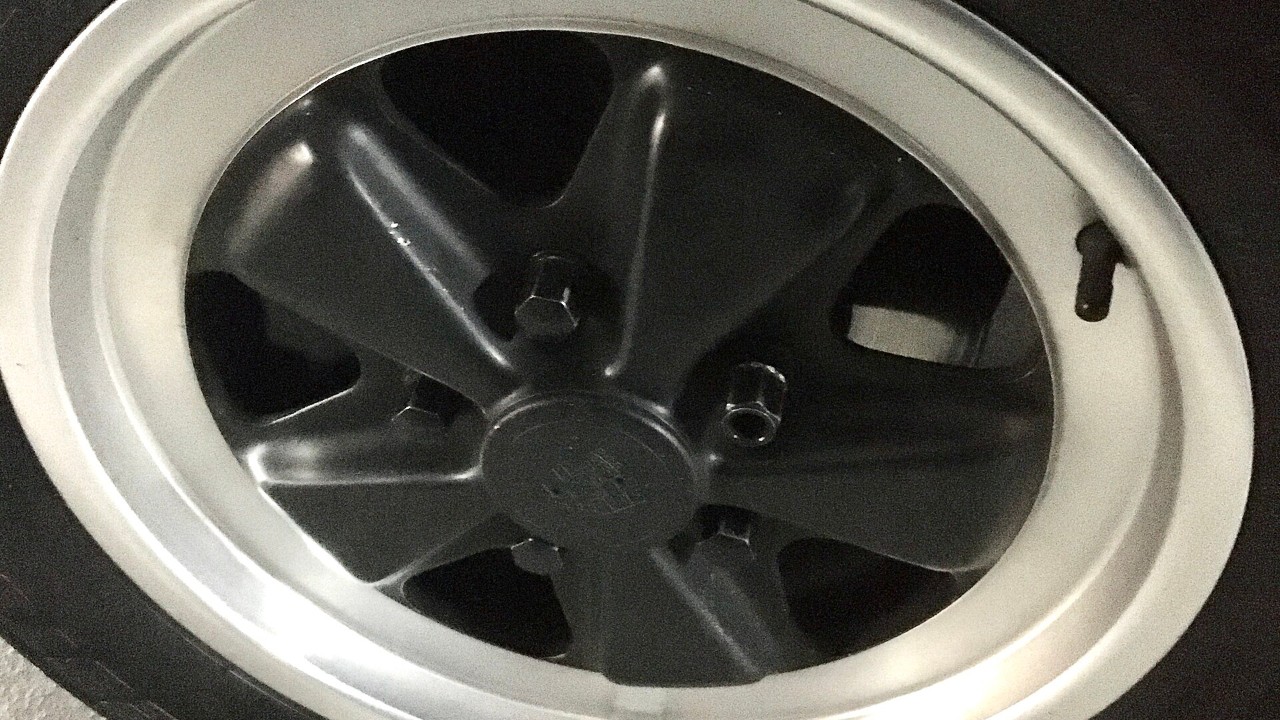
Porsche introduced the Carrera 3.2 for the 1984 model year, replacing the 911SC. It ran for six model years, through 1989. The engine grew to 3,164 cc, and it made 231 bhp, according to the Porsche Club GB buyer’s guide. It used Bosch injection, with ignition run by Digital Motor Electronics.
That same guide says the 3.2-liter engine should run to at least 125,000 miles without a cylinder head rebuild. It adds a warning, though, because a poor service record can shorten that a lot. Its known weak point is small: the DME relay, a cheap part that can leave the car refusing to start. Meanwhile, the 1987 model year brought the G50 gearbox, so later cars pair the engine with a more modern shift.
Porsche kept air-cooled flat-sixes in the regular 911 until the 1990s, then moved to water cooling with the 996. In our view, the Carrera 3.2 is the sweet spot of the old engines. Buy the one with the thickest folder of receipts, and treat a missing service history as a reason to walk away.
3. Chevrolet Corvair Turbo-Air flat-six
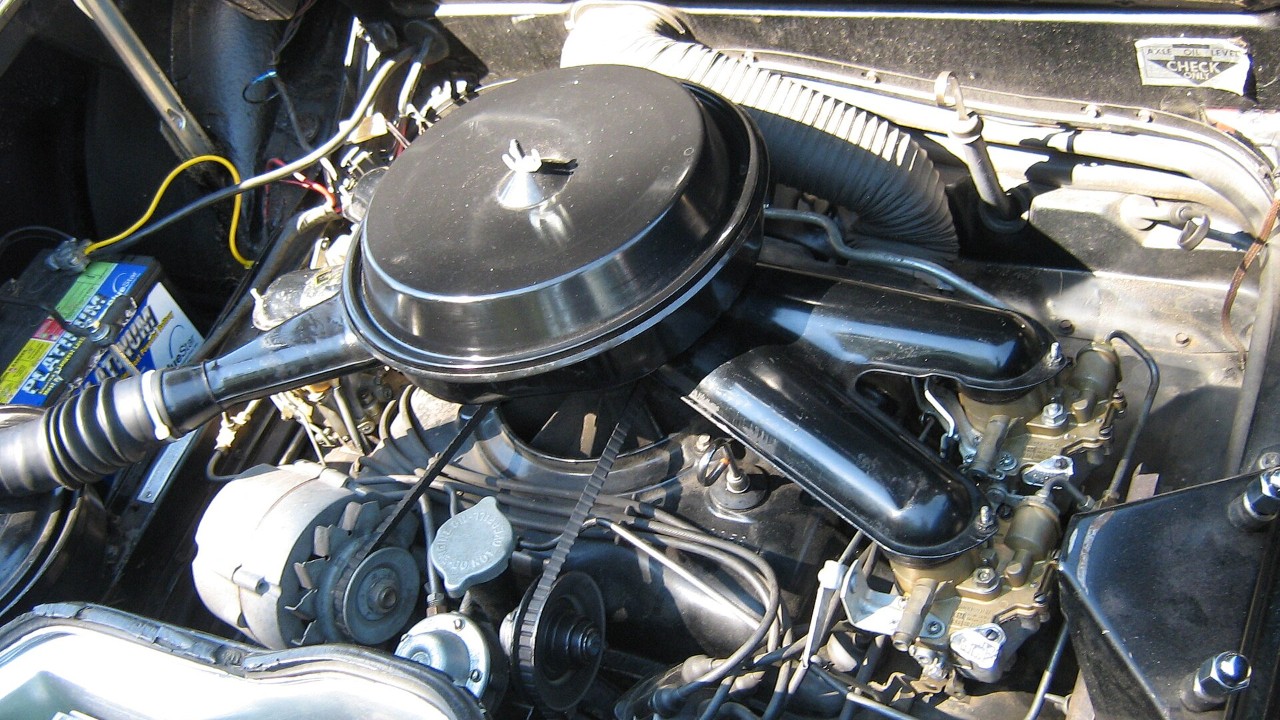
Chevrolet put an air-cooled flat-six in the tail of the 1960 Corvair, and that alone made it unusual in Detroit. The first engine displaced about 140 cubic inches and made 80 hp. Later, a longer stroke took it to about 164 cubic inches from 1964.
Aluminum made up the block, heads, flywheel housing and pistons, with iron cylinder sleeves and a forged steel crank. Each engine used 92 pounds of aluminum. There was one early flaw, because the fan belt could jump off its pulleys. Chevrolet fixed it with a deeper idler groove and belt guides.
The best proof of its toughness is where it went next. Homebuilt aircraft builders have used the Corvair engine widely, and a small industry grew up to convert it for flight. For example, Hegy Propellers of Marfa, Texas, made propellers designed for Corvair engines. Our take: if people trust this air-cooled engine to keep a plane in the air, it has earned a spot here. Then again, the Corvair story has always drawn debate, as we covered in the strange reason the Corvair sparked so much debate.
4. 1979 Harley-Davidson Shovelhead 1340
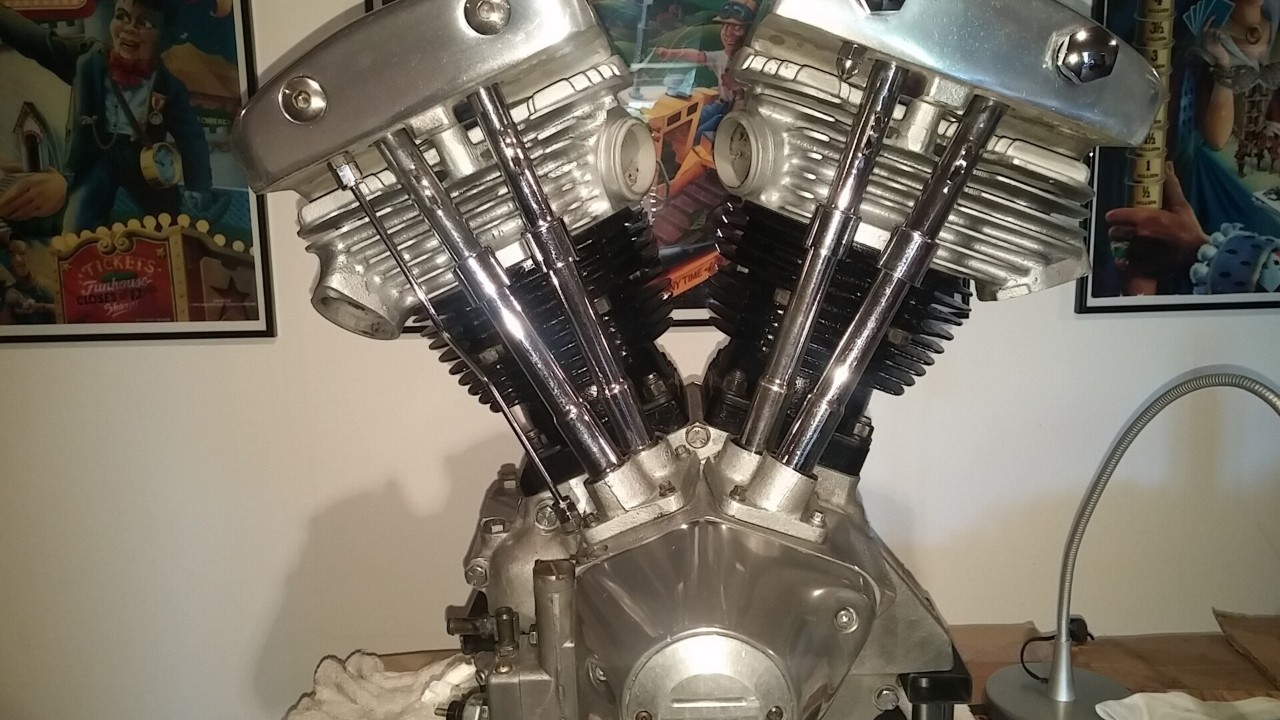
The Shovelhead replaced the Panhead and powered Harley Big Twins from 1966 to 1984. Its name comes from the rocker covers, which look a bit like an upside-down coal shovel. For 1978, Harley gave it a larger displacement, and this 1979 engine is the 1,340 cc version.
Honesty matters here, because the Shovelhead was not trouble-free when new. It had only 10 cooling fins, and it could run hot. It also leaked and burned oil, and some owners lost about a quart every 500 miles. Even so, later fixes changed the picture. Hardened valve seats and three-piece oil rings reportedly brought reliability close to that of the Evolution engine that replaced it.
Our take: a well-sorted Shovelhead is a survivor because owners refused to give up on it. If you shop for one, ask what top-end work it has had. A rebuilt engine with modern seats and rings is the one we would buy. That is also why so many survive, since a Shovelhead rewards owners who keep after it.
5. Harley-Davidson Evolution V-twin
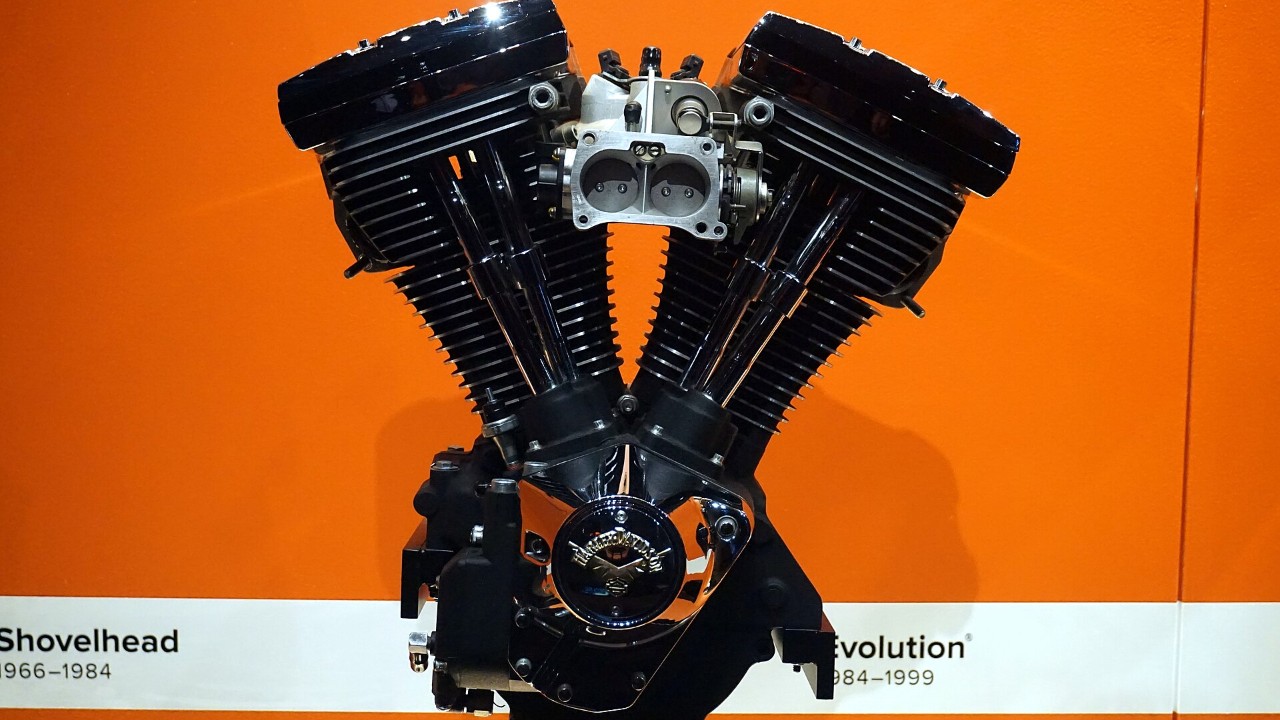
Harley first planned the Evolution for 1983, then held it back a year. Beals, quoted by Hagerty, said the team “weren’t yet confident that it was bulletproof.” The engine finally arrived in 1984 across five models, including the new FXST Softail.
It kept the Shovelhead’s 1,340 cc size but switched to aluminum barrels and heads. As a result, it dropped 20 pounds and gained 10 percent in peak power, to 71.5 hp at 5,000 rpm. A redesigned oiling system also cured the old habit of leaking and burning oil. Harley then backed it with a 12-month, unlimited-mileage warranty.
The Evo stayed in Big Twins until the Twin Cam took over between 1999 and 2000. Meanwhile, the Sportster version arrived in 1986 and has changed little since. In our view, this is the engine that taught a generation of riders to trust Harley again. For more of the bikes it powered, see our Harley-Davidson motorcycles that defined the open road.
6. 1976 BMW R90S airhead boxer
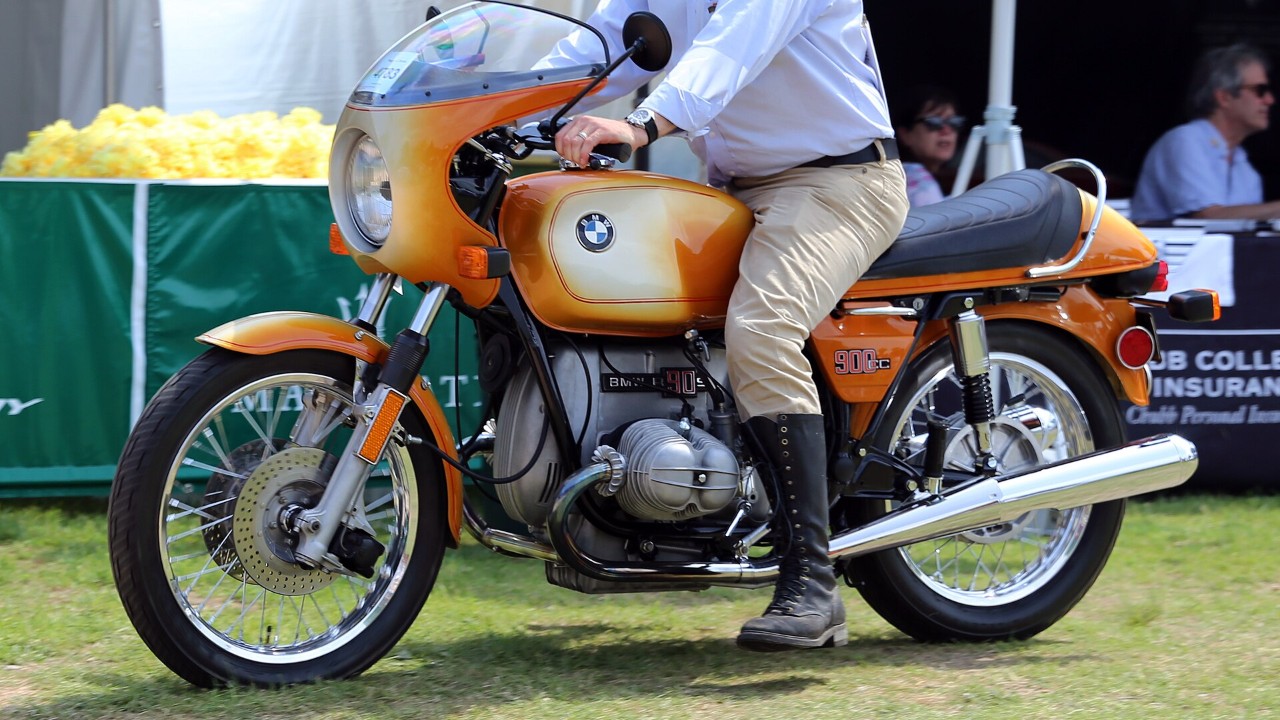
BMW hired designer Hans Muth to shape the R90S, and the bike ran from 1973 to 1976. Underneath the small fairing sat an 898 cc air-cooled boxer twin with 67 hp. Unlike other BMW boxers of the time, it used Dell’Orto carburetors with accelerator pumps instead of Bing constant-velocity units.
The flat-twin layout sticks each cylinder out into the airflow, which suits air cooling well. BMW sold 17,455 of them in four years. Later, the bike proved itself on the track as well. In 1976, Reg Pridmore rode an R90S to the AMA Superbike Championship. Earlier that year, he finished second at Daytona in the first AMA Superbike race, behind Steve McLaughlin.
Our take: the R90S is the airhead with the most style, yet the engine underneath is classic BMW simplicity. Look for the Daytona Orange paint if you want the version everyone remembers. Either way, a healthy one is happy to cover long miles.
7. Citroen 2CV 602 cc flat-twin
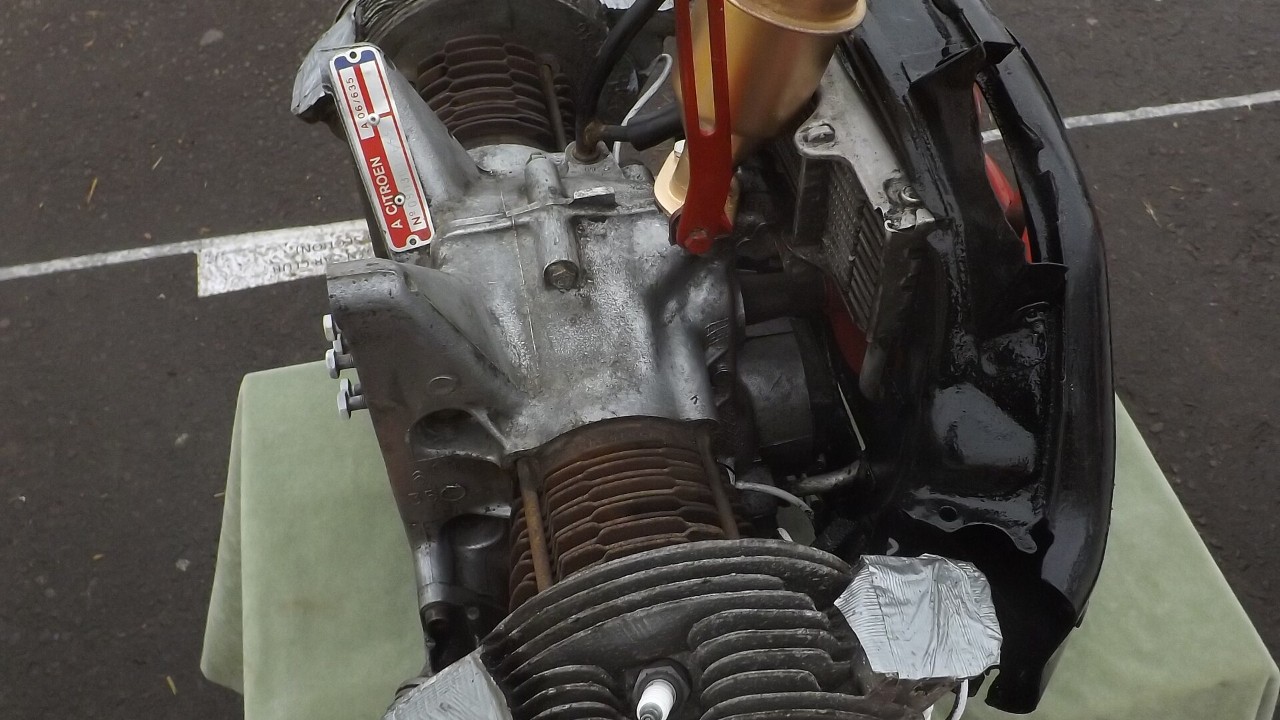
Walter Becchia and Lucien Gerard designed the 2CV’s air-cooled flat-twin. The first version, in 1948, displaced just 375 cc and made 9 hp. Over the years, it grew to 425 cc and then 602 cc, and one 602 cc version made 29 hp from 1979.
The engine has no coolant, radiator, water pump or thermostat. Instead, the fan and dynamo sit on the crankshaft, so there are no drive belts to snap. Citroen ran test engines for 1,000 hours at a time at full speed. All the oil also passes through a cooler behind the fan.
Citroen built more than 3.8 million 2CVs from 1948 to 1990. In our view, the little twin is the purest case for air cooling ever put in a car. Keep in mind, though, that a worn big end usually means a specialist job or a new crankshaft. Even the hand crank lasted, because owners could start the car with the jack handle until production ended in 1990.
8. Tatra 603-2 air-cooled V8
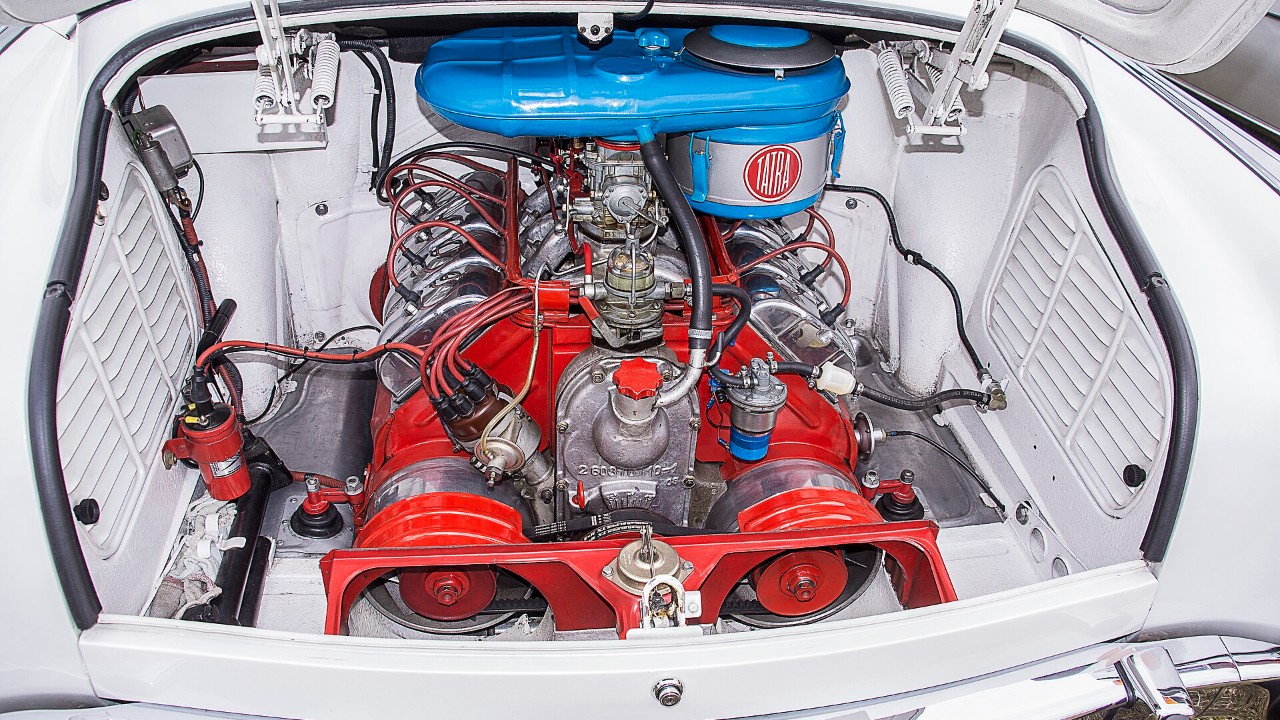
Czechoslovakia’s Tatra built the 603 from 1956 to 1975, and it built them mostly by hand. The total came to 20,422 cars. Only senior political and industrial figures got one, so most people saw them from the curb. This 603-2 version arrived in 1962 and used a 2,474 cc air-cooled V8 in the tail. By comparison, the earlier 603 had a slightly larger 2,545 cc version from 1956 to 1962.
The car’s toughest test came at the 1968 Marathon de la Route. Tatra entered pre-series cars of the 1968 model, and only 13 of 43 starters made it to the finish. Two 603s finished fourth and fifth overall.
Our take: an air-cooled engine that survives a punishing race like that deserves respect. It is also a reminder that air cooling was never just for small, cheap cars. If you ever see one at a show, look under the rear lid, because few engines look like it.
9. Ducati Pantah belt-drive L-twin
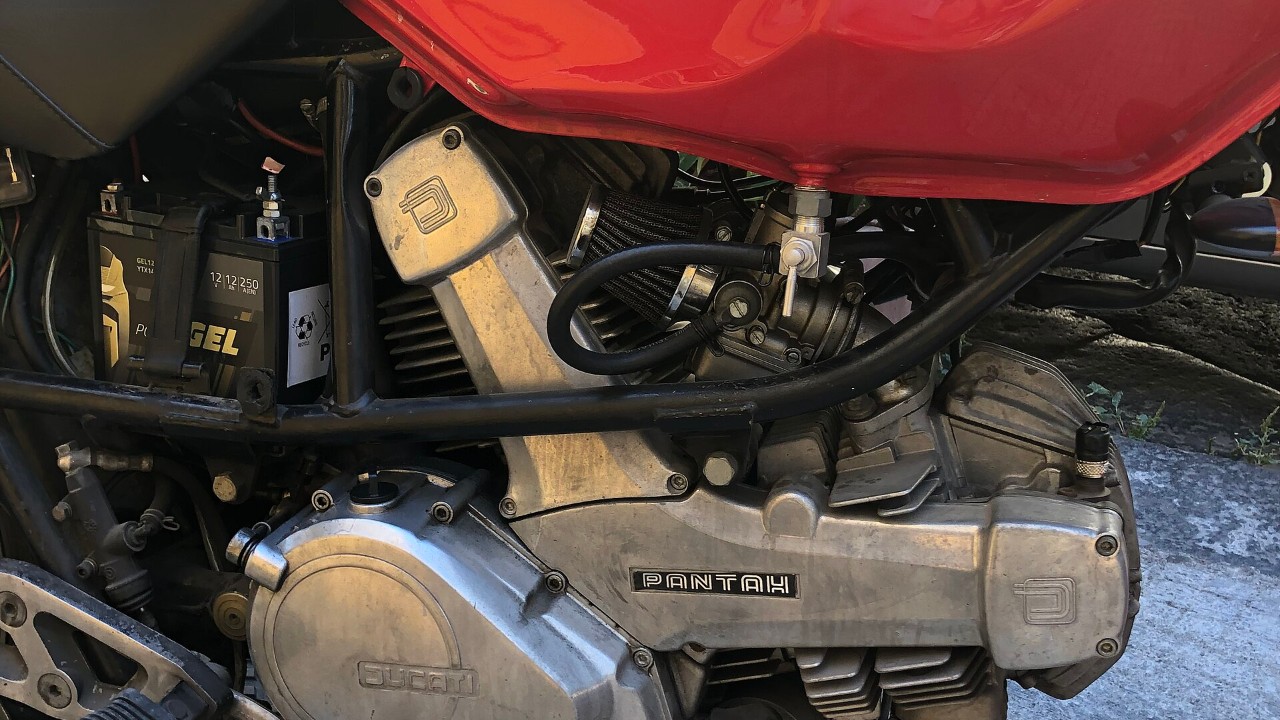
Ducati showed the Pantah as the 500SL at the Milan show in December 1979. Fabio Taglioni and Gianluigi Mengoli designed its 90-degree L-twin, which used rubber toothed belts instead of bevel gears to drive the camshafts. It was the first Ducati with belt-driven cams, and it kept Ducati’s desmodromic valve system.
The 500 made 50 hp at 8,500 rpm, and the later 650SL made 63 hp. Ducati’s own heritage page says the Pantah marked the start of a new era for the company. On top of that, the engine won on the track as the 600 cc TT2 and the 750 cc TT1.
Our take: the Pantah earns its place because the design simply would not die. After Cagiva took over Ducati in 1985, its Alazzurra was a revamped Pantah. If you buy one today, change the cam belts on schedule, because that is the one job you cannot skip.
10. 1930 Franklin Series 145 air-cooled six
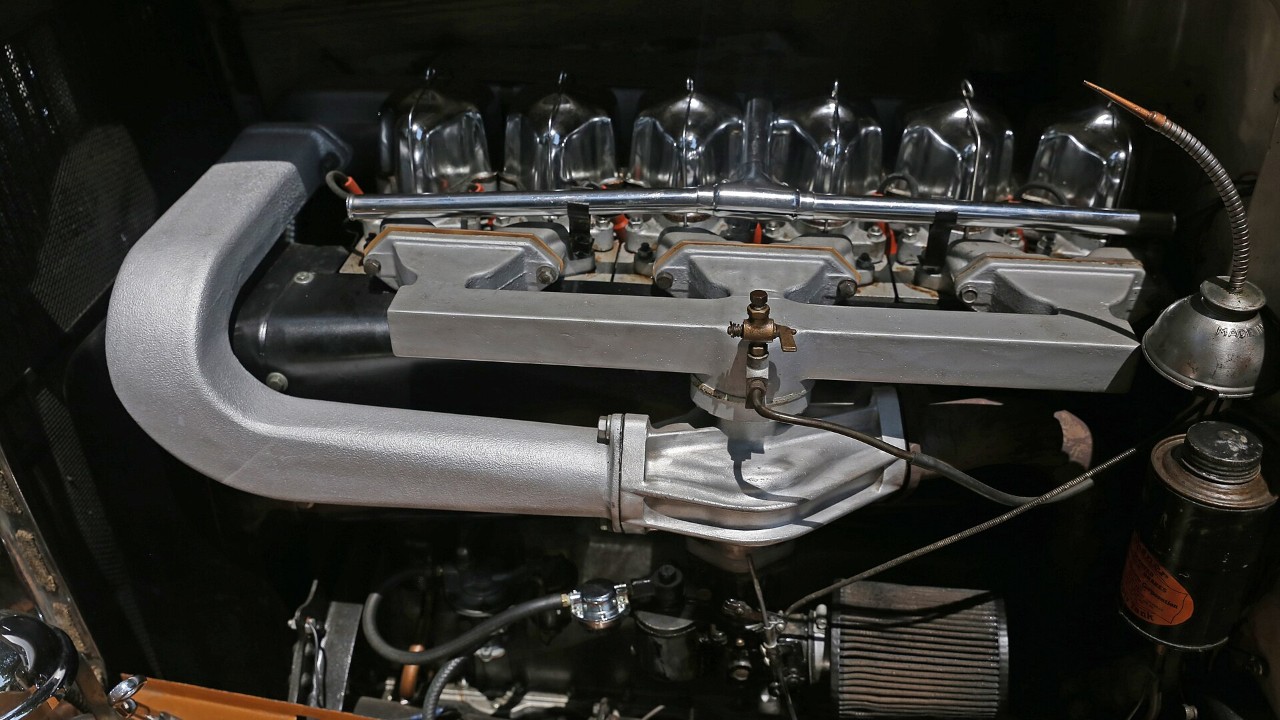
Franklin of Syracuse, New York, built only air-cooled cars from 1902 to 1934. The company believed air cooling was simpler and more reliable than water. For 1930, Franklin introduced a new engine that eventually produced 100 horsepower.
Franklins proved their stamina early. In 1906, L. L. Whitman drove one from New York City to San Francisco in 15 days, 2 hours and 15 minutes, a new record. The company was also known for aluminum parts, full-elliptic springs and flexible chassis.
Here is the strongest evidence of all. The H. H. Franklin Club says Franklin built over 150,000 cars, and thousands survive, with many still in use. Our take: that is a survival rate any maker would envy. If you want a prewar car that runs without a radiator, a Franklin is the classic answer. After all, it is the clearest early proof that an air-cooled engine could carry a family car across a continent.
11. 1955 Royal Enfield Bullet single
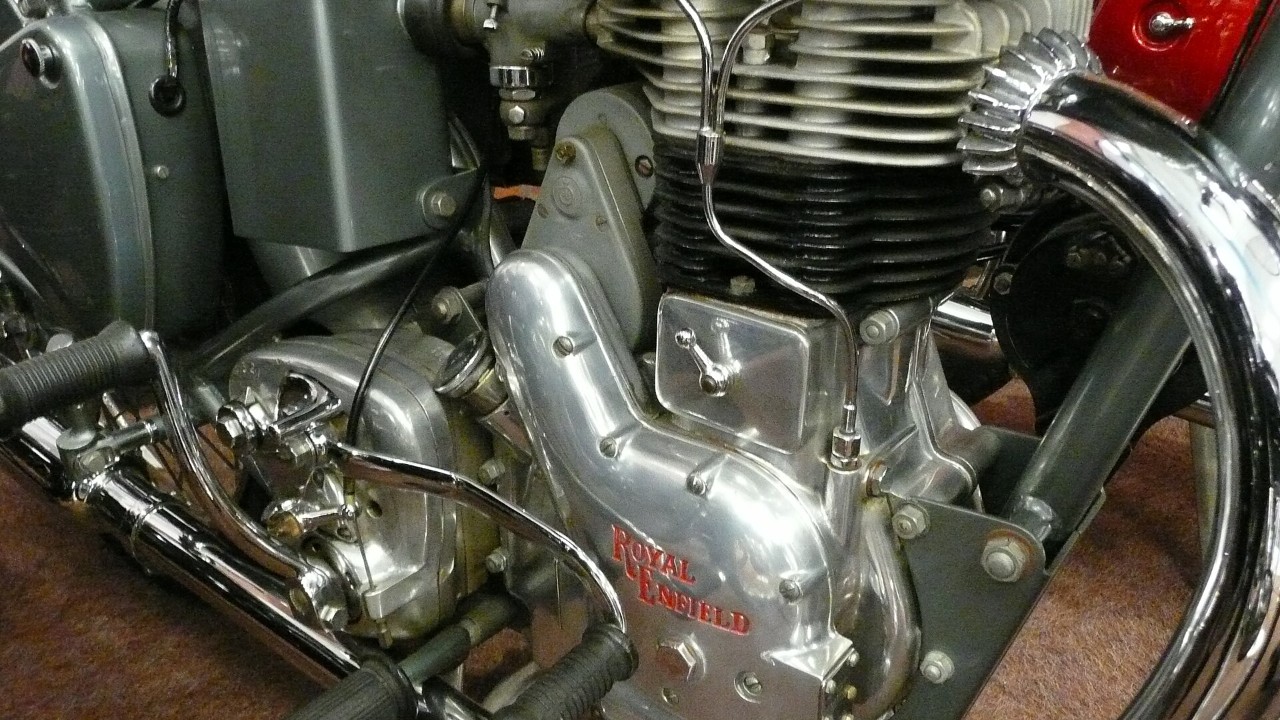
Royal Enfield introduced the Bullet in 1932 as a four-stroke single. After the Indian Army ordered Bullets in 1949, the company opened a factory in Madras. Then, in 1955, Redditch sent Bullets to India in kit form for local assembly.
The 1955 model set the pattern for years to come. It had a vertical engine with an alloy head, a swingarm frame with rear suspension, a telescopic fork and a four-speed Albion gearbox. In fact, the design remained almost unchanged for years. The Madras factory later turned out more than 20,000 Bullets a year.
Our take: the Bullet is the clearest case of a design that refused to retire. The old cast-iron engine was not fully phased out until 2011. Later, the lean-burn engine became standard on new models after the British-design engine ended EU sales after 2007. If you want the original feel, look for a cast-iron model, and budget for regular top-end attention.
More from Fast Lane Only