Most concept cars never go beyond a turntable and some good lighting. They’re design studies, not machines you’d ever expect to see running under their own power. But every now and then, an automaker goes all-in and builds a prototype that actually fires up, moves, and even hits the track.
These weren’t static showpieces or fiberglass fantasies—they were real, drivable machines that pushed boundaries and bent rules. From land-speed record chasers to video game fever dreams come to life, here are 10 factory prototypes you won’t believe actually ran. But they did—and some ran hard.
1956 Buick Centurion XP-301
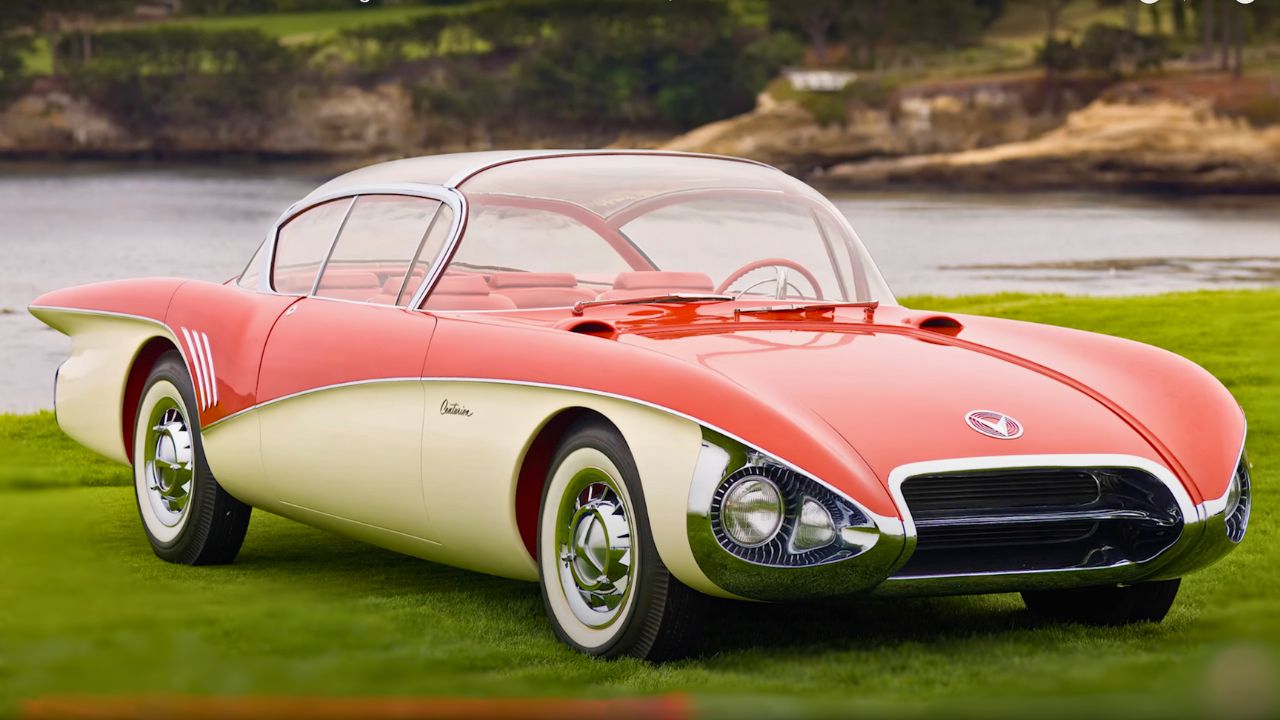
The 1956 Buick Centurion wasn’t just another space-age design study—it actually ran under its own power. Powered by a 325-hp 322 cubic-inch V8, it used a Dynaflow automatic transmission and had a fully functional drivetrain. The car’s most famous feature was its panoramic bubble canopy and rearview camera system—yes, in the ’50s.
Buick mounted a TV screen in the dash in place of a rearview mirror, making it one of the first camera-based visibility systems ever shown. While it never made it to production, the Centurion was fully drivable and previewed tech that wouldn’t appear for decades.
1963 Chevrolet Corvette Rondine
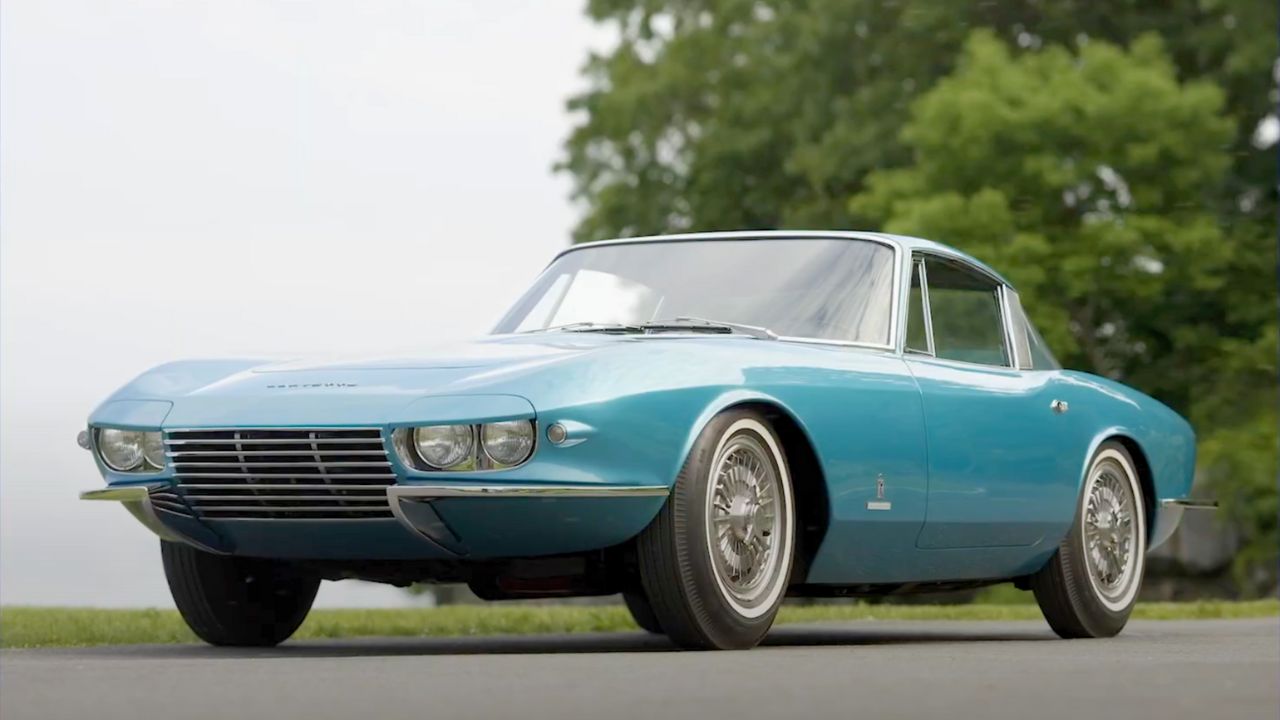
Built by Pininfarina for GM, the 1963 Corvette Rondine was a running prototype based on a production C2 chassis. Under the hood sat a 327 V8 paired with a 4-speed manual, but the styling was pure Italian—smooth lines, a fastback roof, and none of the Sting Ray’s split-window drama.
The car was designed to test the European market’s appetite for a coachbuilt Corvette. Despite being a one-off, it was completely functional and test-driven. It’s now one of the rarest Corvettes ever built, with a unique mix of American power and Italian design flair.
1970 Ferrari 512S Modulo
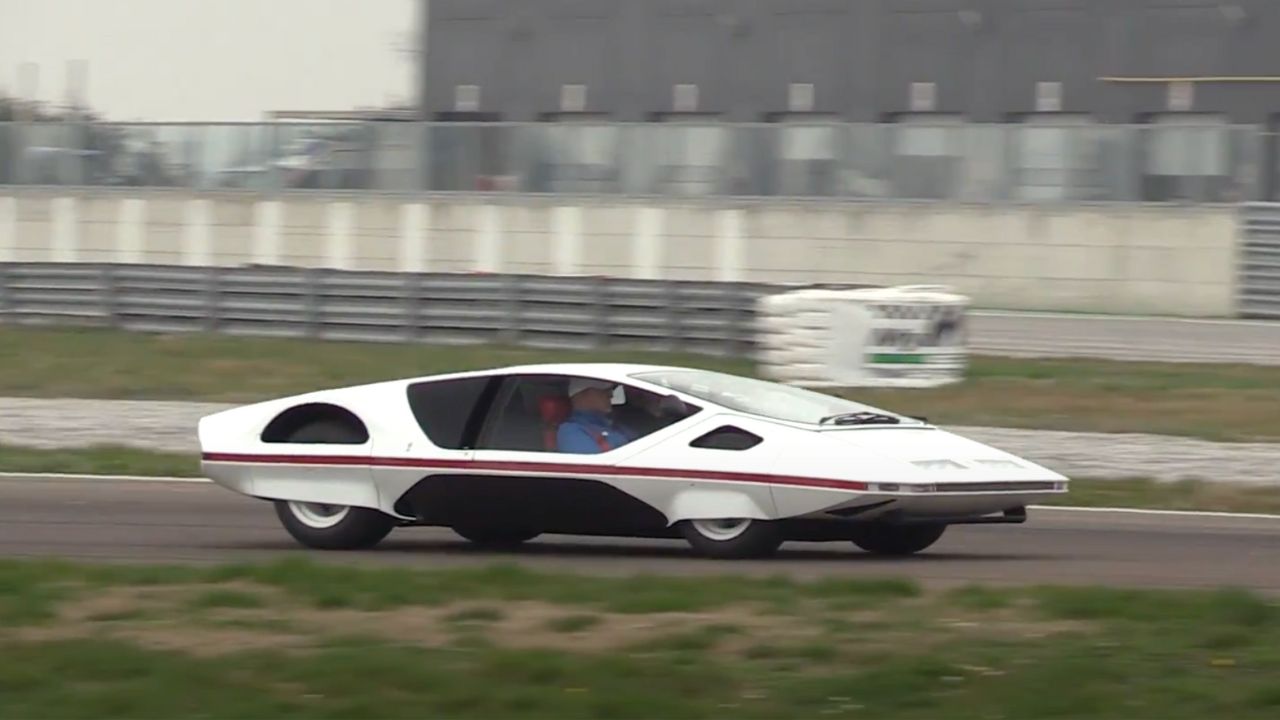
Ferrari doesn’t usually let experimental cars stretch their legs, but the 512S Modulo actually ran. Underneath its spaceship body was a real 512S race chassis and a 5.0L V12 capable of over 550 horsepower. Built by Pininfarina, the car was originally static—until it was later made functional and road-tested.
The Modulo had covered wheels, a canopy-style roof, and a ride height low enough to challenge speed bumps to a duel. Despite its extreme look, it wasn’t a movie prop—it was a serious prototype that once cracked 220 mph on a track in later testing.
1980 BMW M1 Hommage
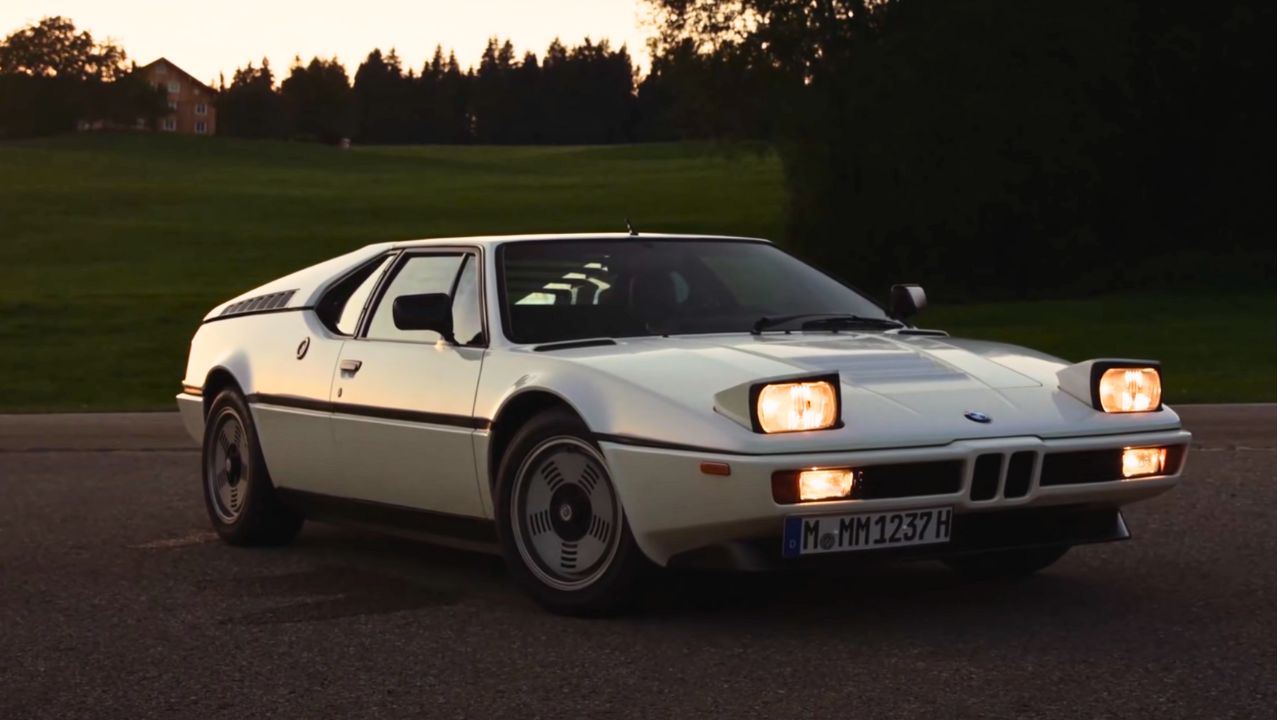
BMW’s M1 Hommage was more than just a tribute car—it was a fully operational prototype built on a modified M1 chassis. It used a mid-mounted inline-six and updated suspension to handle its wider body and lower stance. Though not road-legal, it was fully drivable and track-capable.
The body combined retro cues with futuristic styling, but it was the driving dynamics that impressed those who got behind the wheel. With precise steering and proper M-level tuning, the Hommage reminded people why the original M1 mattered—and proved BMW wasn’t just showing off a design sketch.
1986 Oldsmobile Aerotech
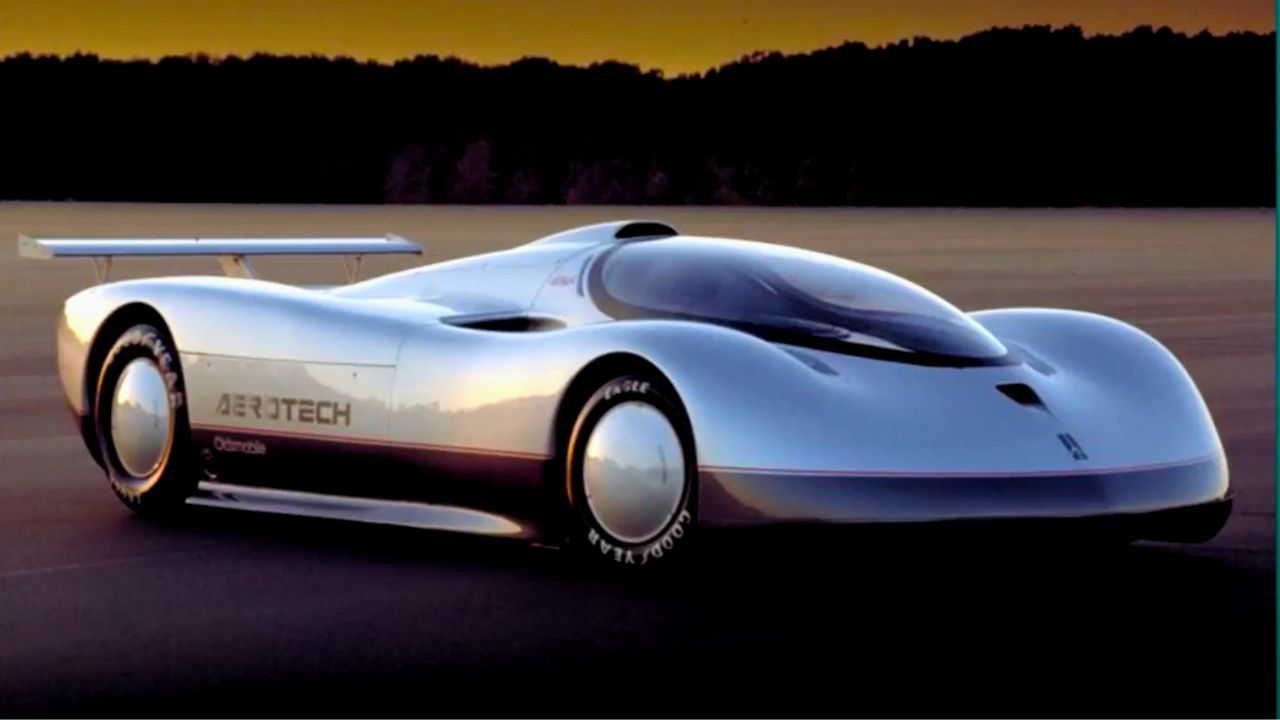
Oldsmobile doesn’t usually get associated with land-speed records, but the Aerotech shattered expectations. It used a 2.0L turbocharged four-cylinder built by Cosworth, cranking out over 900 hp in its later trim. The carbon fiber body was designed for minimal drag and maximum speed.
With A.J. Foyt behind the wheel, the Aerotech hit 267 mph in 1987. It wasn’t a static display—it was a fully developed, wind-tunnel-tested prototype that showed off GM’s engineering chops. It might’ve worn an Oldsmobile badge, but this thing was pure science experiment in motion.
1995 Chrysler Atlantic
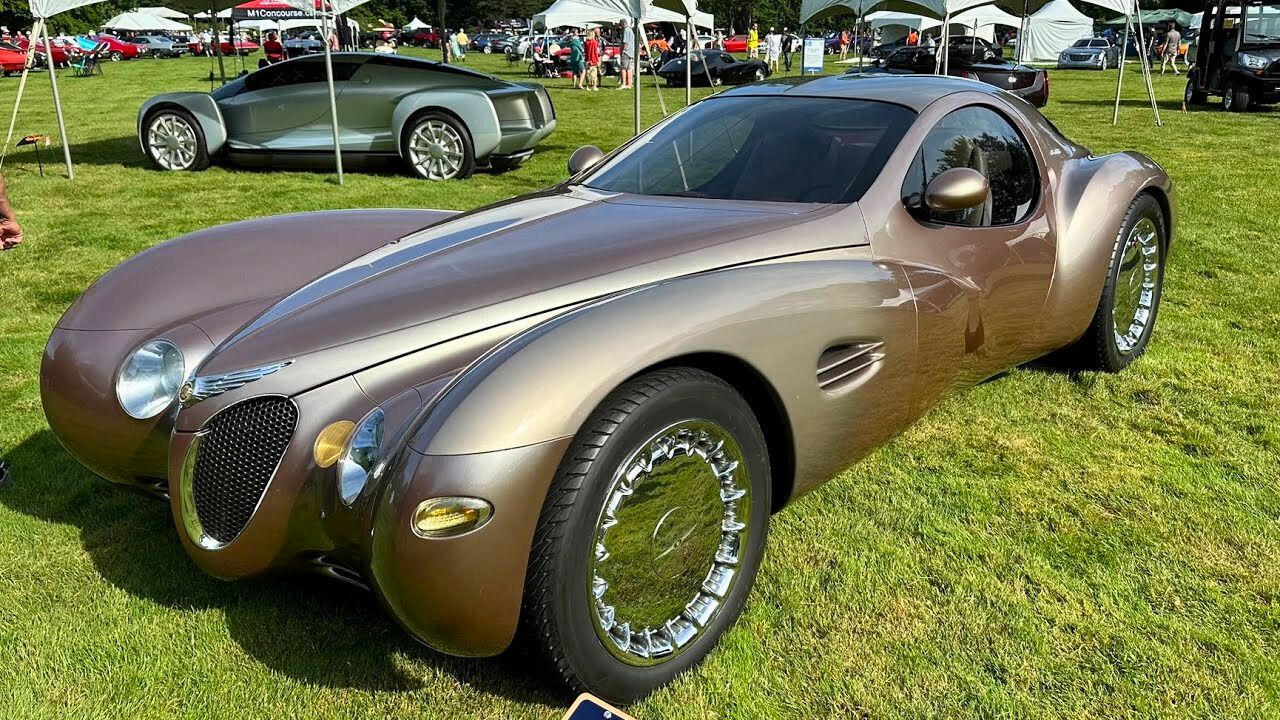
The Chrysler Atlantic looked like something from the 1930s, but it was built with modern internals and actually ran. It had a 4.0L straight-eight created by fusing two 2.0L Neon engines together. The output was about 325 hp, sent through a rear-wheel-drive setup with independent suspension.
It wasn’t a parts-bin car either—everything from the Art Deco interior to the long, sweeping fenders was crafted for real use. It even had functioning gauges and leather upholstery. Chrysler built it as a passion project, and they made sure it could be driven, not just displayed.
1992 Honda EP-X
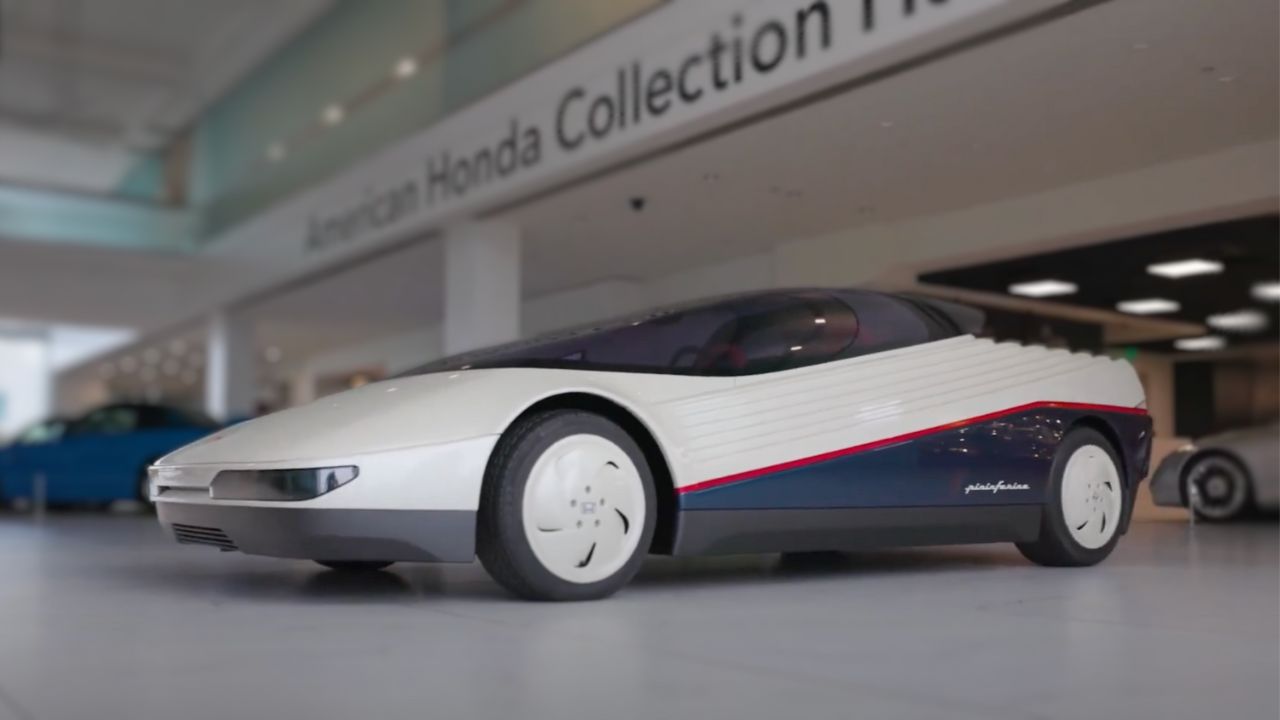
Honda’s EP-X was a futuristic mid-engine concept that was meant to explore lightweight construction and hybrid performance. It had a carbon-fiber monocoque chassis, a 660cc gas engine, and an electric motor. Combined, the setup promised great efficiency with real-world drivability.
The car could be driven and tested, even if it never saw production. Honda used it to experiment with weight distribution and EV integration years before those terms became buzzwords. It was tiny, slick, and moved like a slot car—another reminder that Honda wasn’t afraid to build something totally off-script.
2001 Ford Forty-Nine
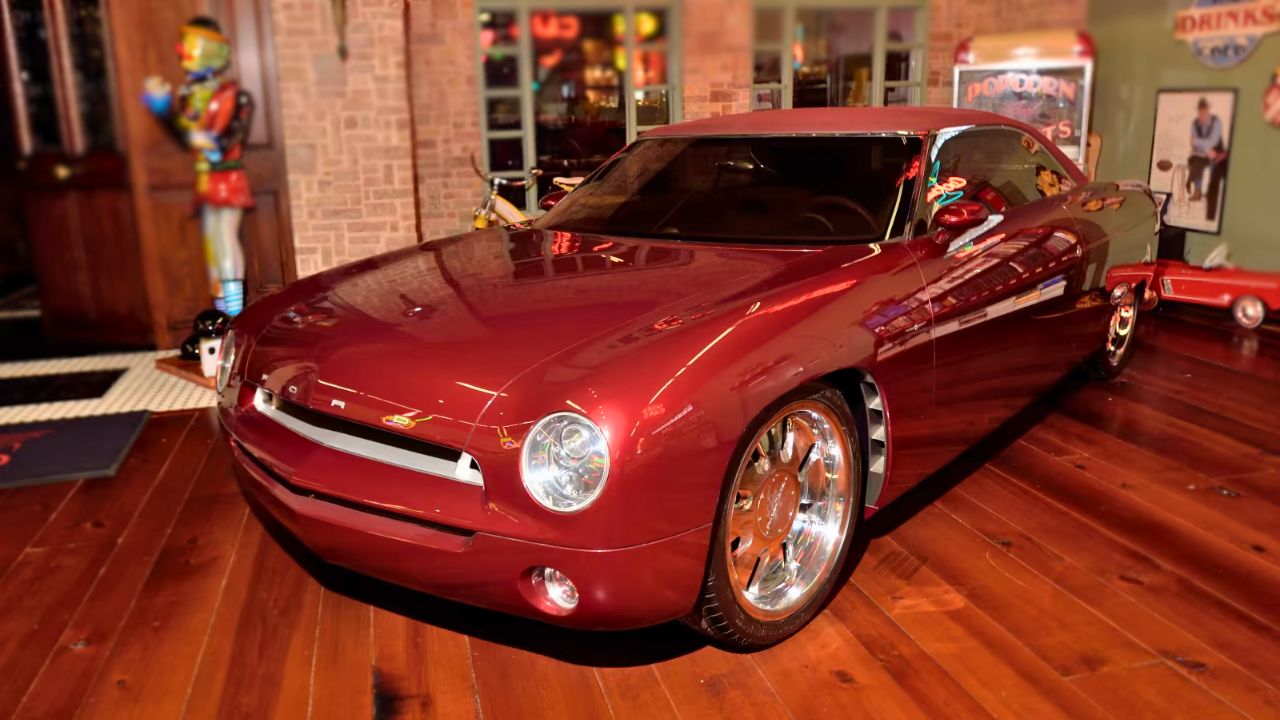
The Forty-Nine concept wasn’t a stripped-down shell—it was a complete, running prototype. Built on a Mustang chassis, it featured a 3.9L DOHC V8 and independent rear suspension. It had a working transmission, full braking system, and was even test-driven by media outlets.
Its design called back to the original 1949 Ford, but with modern proportions and tech. The interior featured machined aluminum trim and a floating center stack—conceptual, but functional. Ford had serious plans for this car, and while it never hit dealerships, it was no dummy. It moved under its own power with surprising ease.
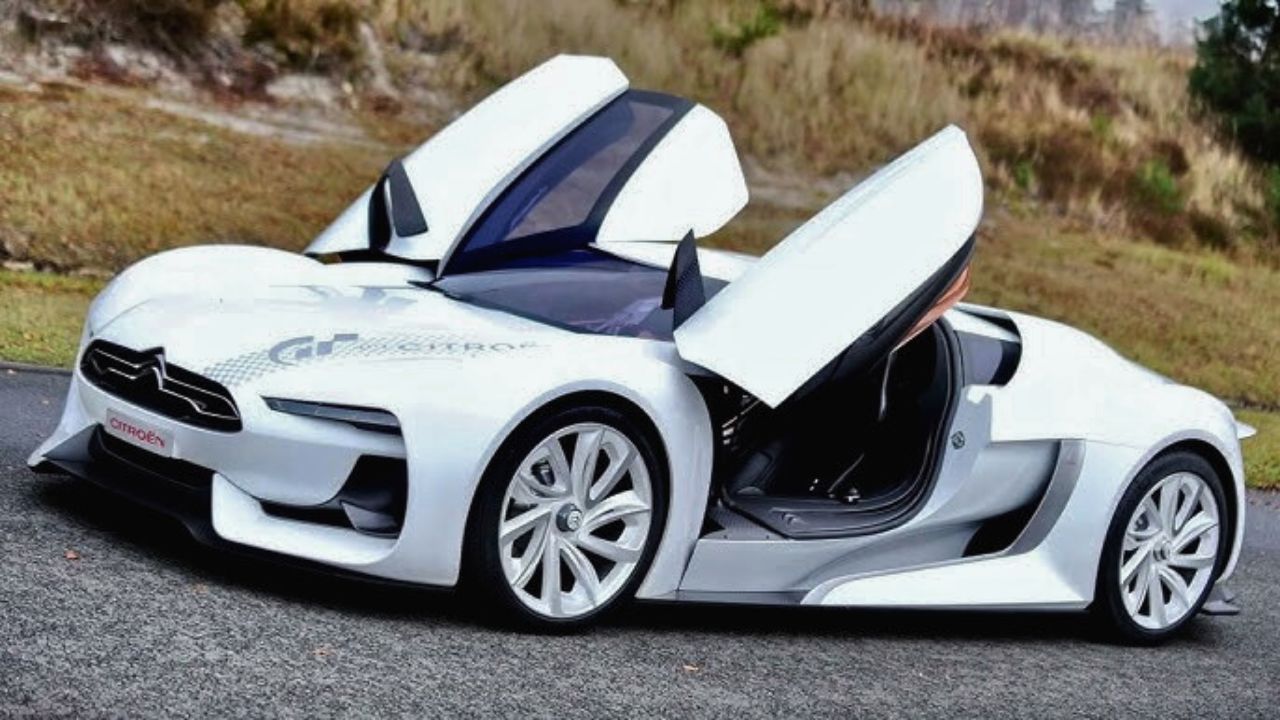
2008 Citroën GT by Citroën

Originally created for the Gran Turismo video game series, the GT by Citroën ended up becoming a real, running prototype. It used a Ford-sourced V8 with about 646 horsepower and a sequential manual gearbox. The chassis was purpose-built, with double-wishbone suspension and carbon-fiber everything.
Citroën built one functioning version and even showed it at Goodwood, where it was seen in motion. It wasn’t a speedster on the track, but it did handle and run as a proper concept-turned-reality. The fact that a video game car made the leap to the real world is still kind of wild.
1973 Chevrolet XP-898
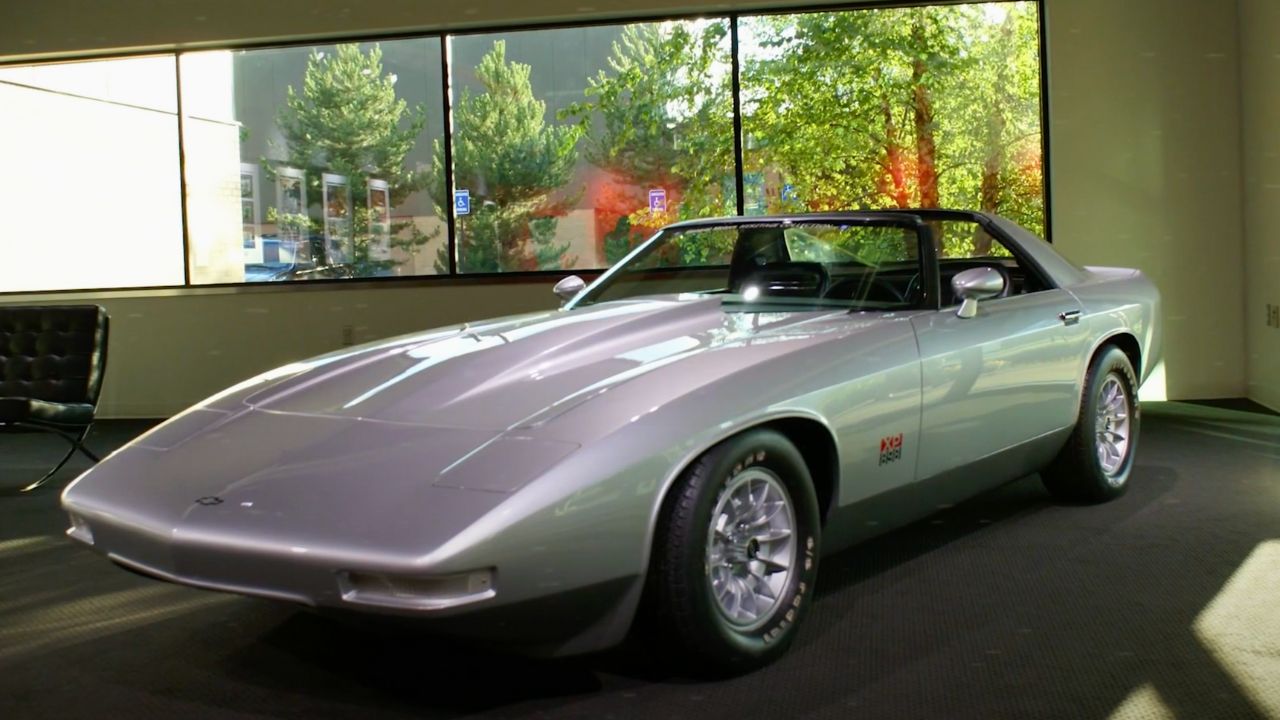
The XP-898 looked like a Corvette from a different dimension. GM built it to explore experimental body materials—specifically Reynolds’ fiberglass-reinforced aluminum. Underneath, it rode on a C3 chassis and used a 400-ci small-block V8 paired with a 3-speed automatic.
It had a full interior, functioning lights, and running gear, and was actually shown driving in internal GM videos. The squared-off lines and modular construction made it stand out, but GM shelved it after the oil crisis hit. The XP-898 was eventually destroyed in a fire at the GM Design Studio, but for a while, it was very real.
*This article was hand crafted with AI-powered tools and has been car-fully, I mean carefully, reviewed by our editors.