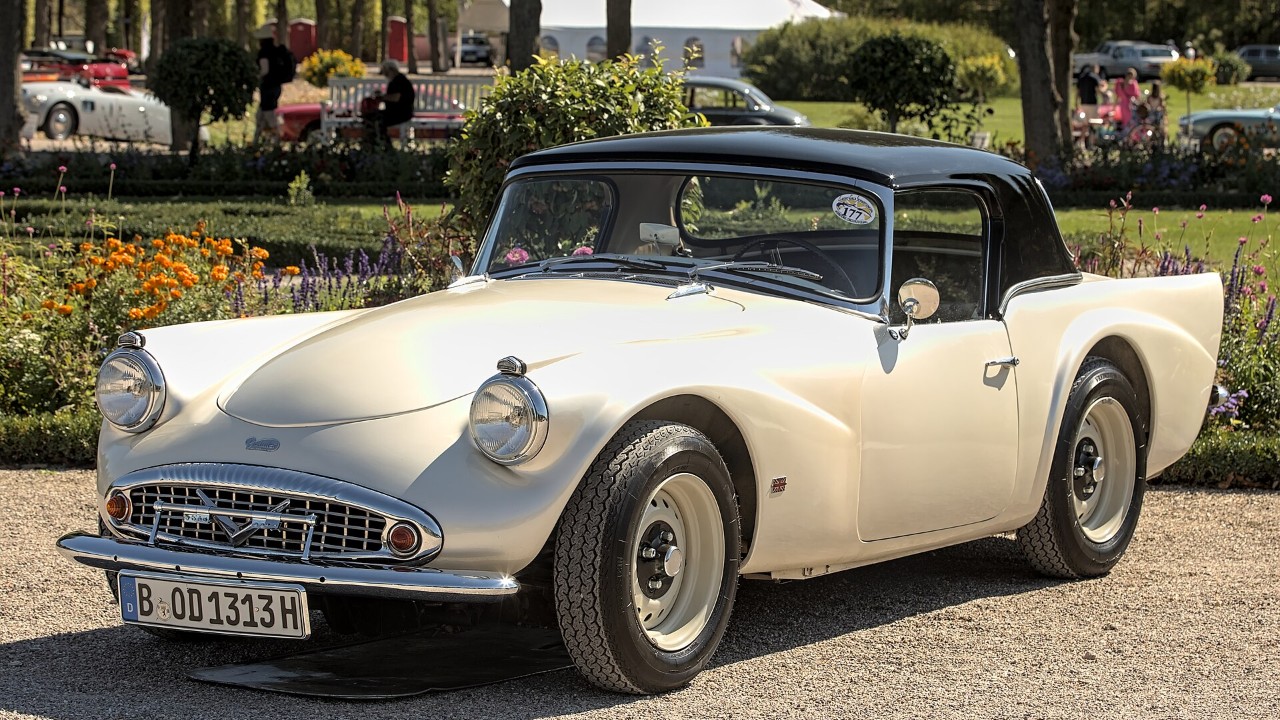
In 1959, a company famous for stately saloons showed a fiberglass V8 roadster to American buyers and called it the Daimler SP250. That car sums up a whole corner of British sports car history. Small teams took big swings, and the results were often brilliant and often odd at the same time.
Meanwhile, MG, Triumph, Austin-Healey and Jaguar soaked up most of the headlines. But plenty of good British two-seaters slipped through the cracks. Some came from tiny firms that sold kits to weekend racers. Others came from bigger companies that tried something bold and then moved on.
So these are our picks for 10 forgotten British sports cars we have a soft spot for. The affection is our opinion, and we will happily defend it. Even so, the years, engines and production figures behind each one come from road tests, buyer’s guides, auction records and model histories we read for this list.
1. 1959 Daimler SP250
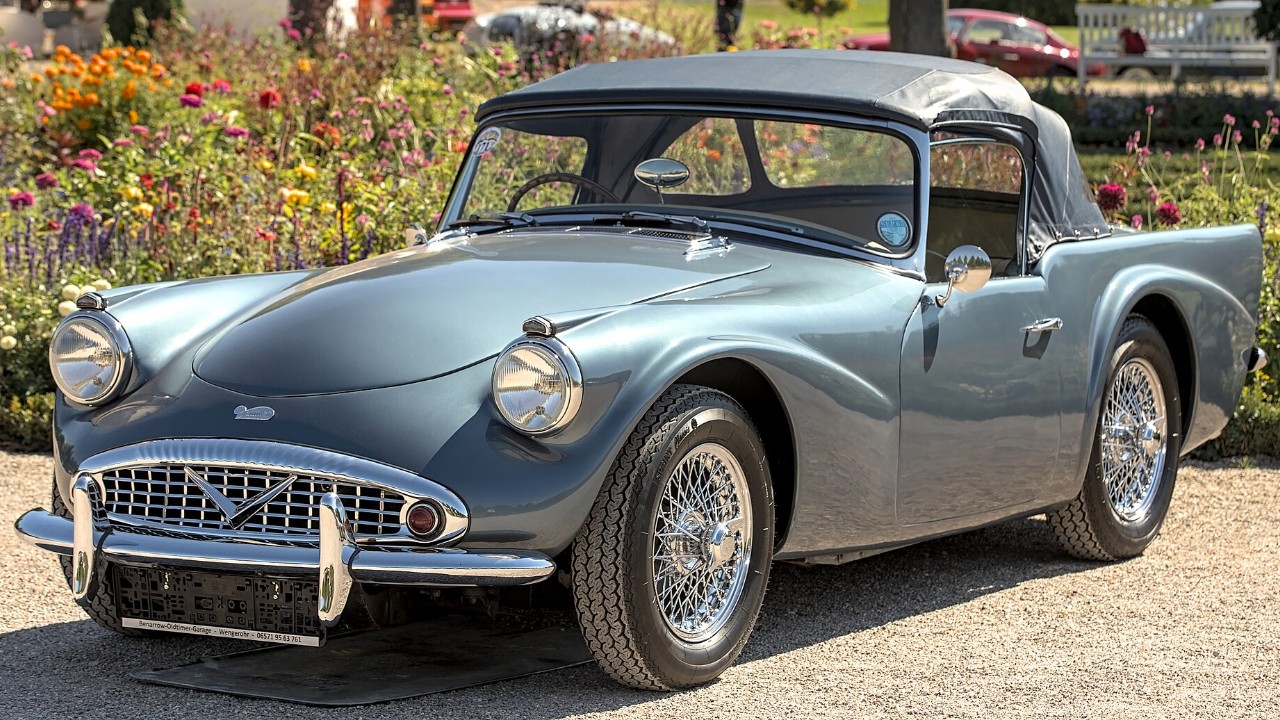
Daimler first called this car the Dart when it appeared at the 1959 New York auto show. However, Chrysler objected, because Dodge held the trademark on that name. So Daimler fell back on its project number, and the Daimler SP250 was born with a face that split opinion from day one.
The real story sits under the hood. A Hagerty look back at the SP250 credits its 2.5-liter V8 to Edward Turner, the engineer behind famous Ariel and Triumph motorcycles. It had an iron block, alloy heads, hemispherical combustion chambers and twin SU carburetors, and it made 140 hp. Daimler hoped to sell 1,500 cars in the first year. Instead, Daimler SP250 production ended in 1964 with 2,656 built.
London’s Metropolitan Police also ran 26 automatic SP250s to catch speeders, Hagerty notes. Our take: a Daimler SP250 quick enough to chase café racers deserves more fans than it has. In fact, the Daimler Owners’ Club counts 1,763 survivors, so finding one is easier than its reputation suggests.
2. 1966 Sunbeam Alpine Series V
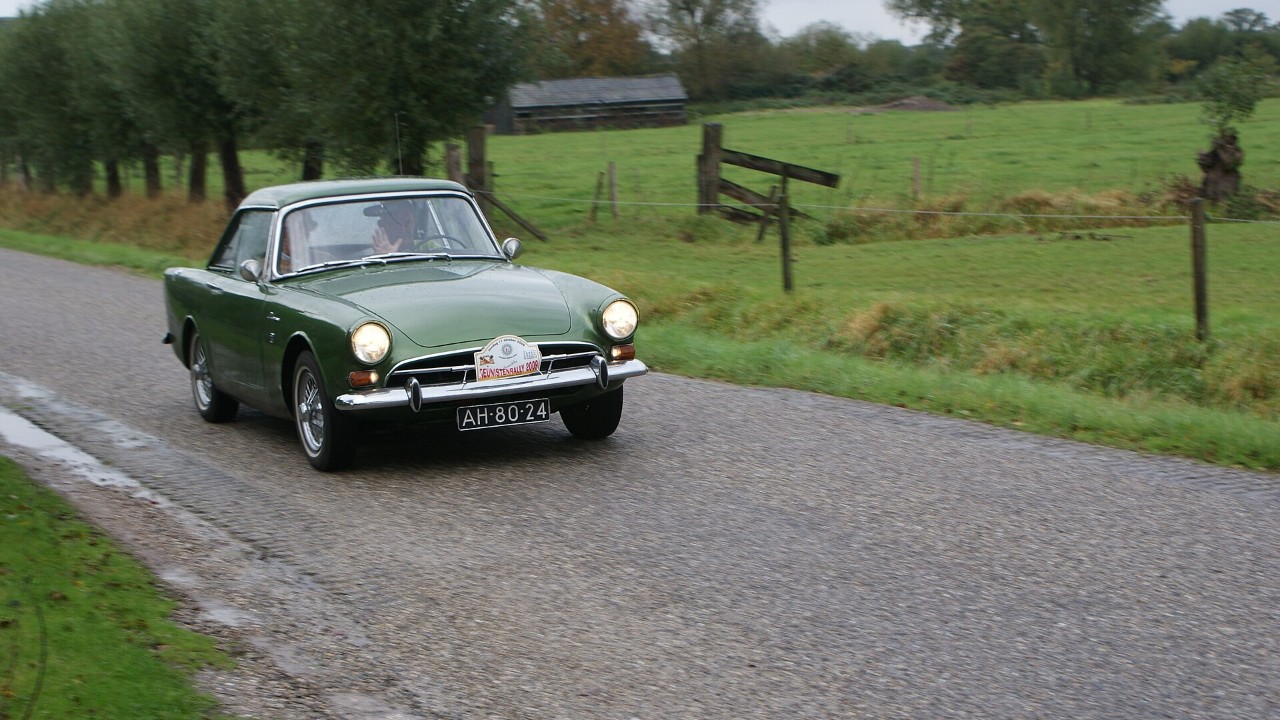
The Alpine was the gentler sibling in the Sunbeam family. Its V8 cousin, the Sunbeam Tiger, got the drama, while the Alpine got on with being a comfortable, good-looking roadster. The Series V was the last of the line, and it is the version we would pick.
That is because the Series V brought a bigger engine. Its 1,725 cc five-bearing four breathed through twin Zenith-Stromberg carburetors and made 93 bhp. Sunbeam built 19,122 of them before Alpine production ended in 1968. By comparison, the original Series I of 1959 reached 11,904 cars.
The car also had a busy screen career. For the gadget shots in Get Smart, the studio used an Alpine dressed up as a Tiger, since the pop-up cannon would not fit under a V8 hood. Later, Sandra Dee drove a red 1966 Series V in the 1970 film The Dunwich Horror. If you want more on that double life, we covered the 1966 Sunbeam Alpine’s surprising second life earlier. In our view, the Series V is the sweet spot: more power than earlier cars, with none of the Tiger’s price.
3. 1974 Jensen-Healey
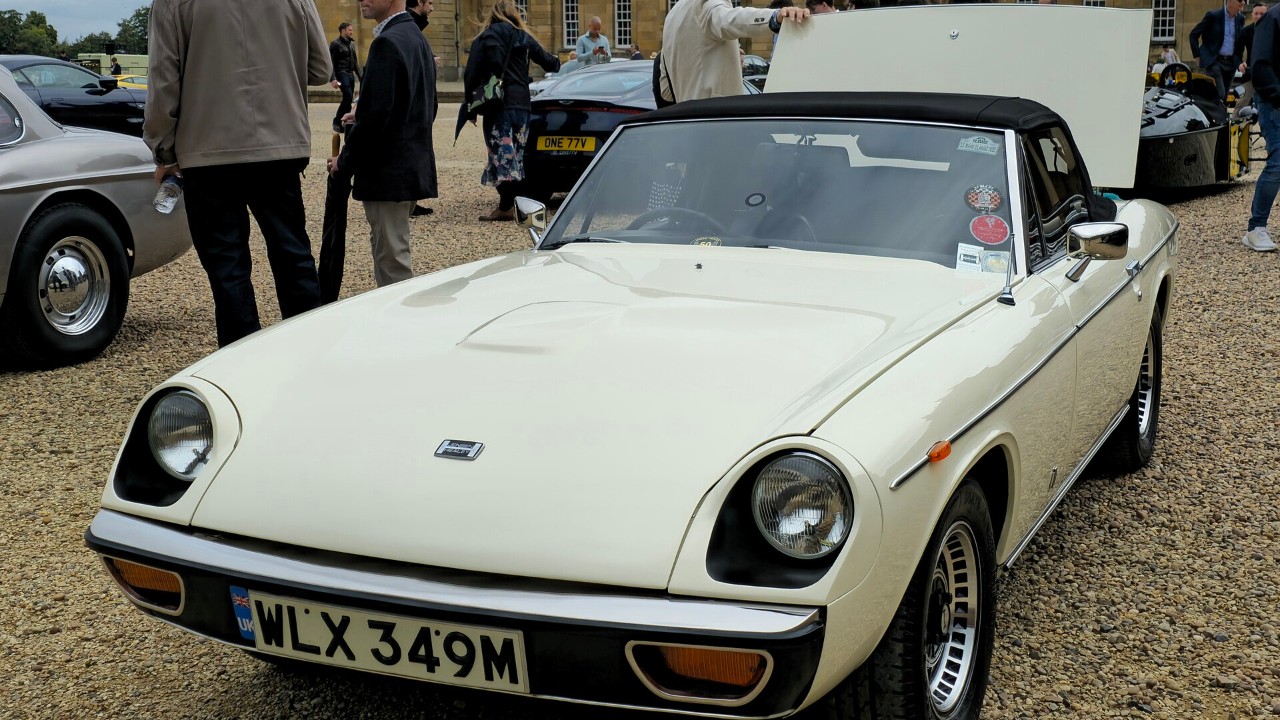
The Jensen-Healey began after Donald Healey’s partnership with Austin ended. Healey opened talks with Jensen, and San Francisco dealer Kjell Qvale became a major shareholder. Together they launched a compact roadster in 1972.
Its engine was the headline. According to an Auto Express buying guide, the car used a 1,973 cc, 16-valve, twin-cam Lotus four. The guide lists 144 bhp, 0-60 mph in 7.8 seconds and a 119-mph top speed. It also says Jensen built more than 10,000 cars, but only 2,020 were sold in the UK, because most went to America.
Early cars had their troubles, though. Auto Express lists cam gasket oil leaks, low oil pressure and water pump failures on the first models, and it warns that rust has killed more cars than anything else. The Mk2 arrived in 1974 with better trim, upgraded rear brakes and, later, a five-speed gearbox. Our advice: find a late five-speed Mk2, check the footwells and trunk, and enjoy a Lotus engine for far less than a Lotus. Jensen closed in 1976.
4. 1971 Lotus Europa Twin Cam
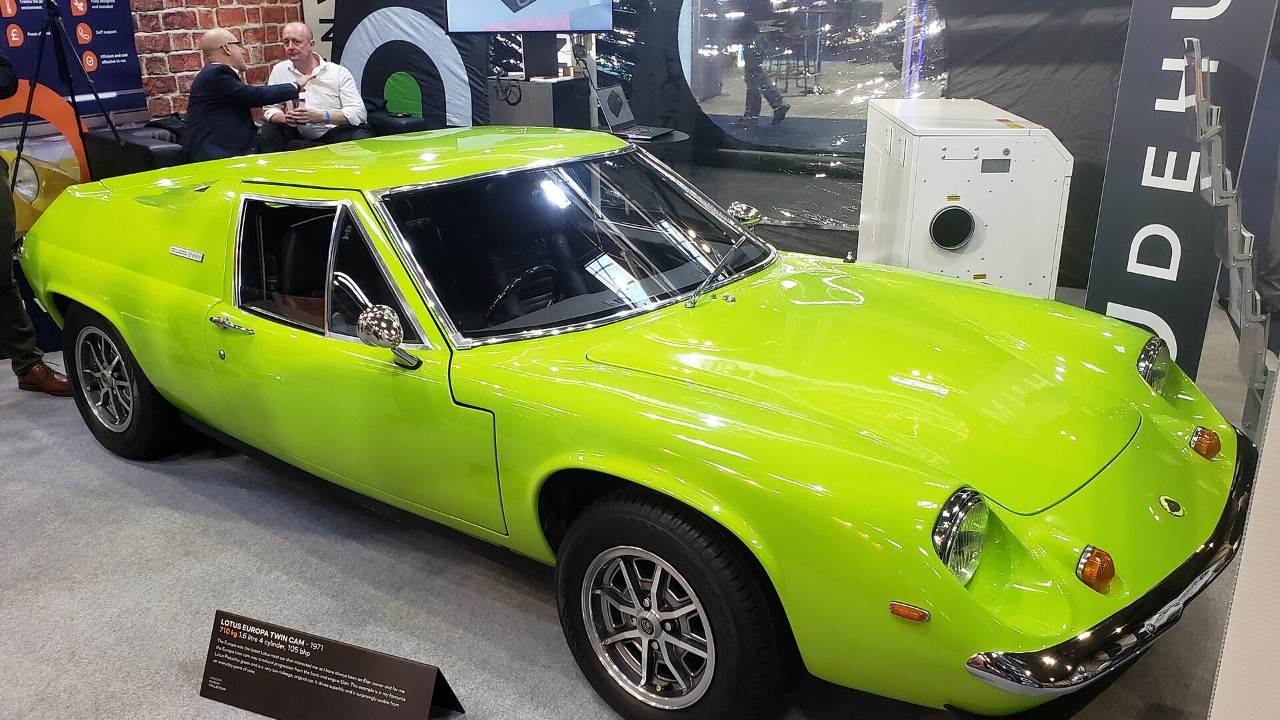
The Europa put its engine behind the driver, and it did so in a very small, very light package. At first, Lotus used a modified 1,470 cc Renault 16 engine. Then, for 1971, the Twin Cam arrived with a proper Lotus heart.
That engine was the 1,558 cc Lotus-Ford Twin Cam, rated at 105 hp in this first form. Lotus also redesigned the bodyshell to improve the view out the back, a known gripe with earlier cars. Underneath sat a folded steel backbone chassis wrapped in fiberglass. The whole car stood just 42.5 inches tall.
Lotus shipped 1,580 cars badged Twin Cam before switching to the 126-hp Big Valve engine for the Europa Special. Mike Kimberley, who later ran Group Lotus, served as chief engineer on the project. Our take: the Twin Cam is the moment the Europa grew up. It kept the low, light feel of the early cars and finally gained the power to match it. In total, Lotus built 9,230 Europas of every type between 1966 and 1975.
5. Ginetta G4
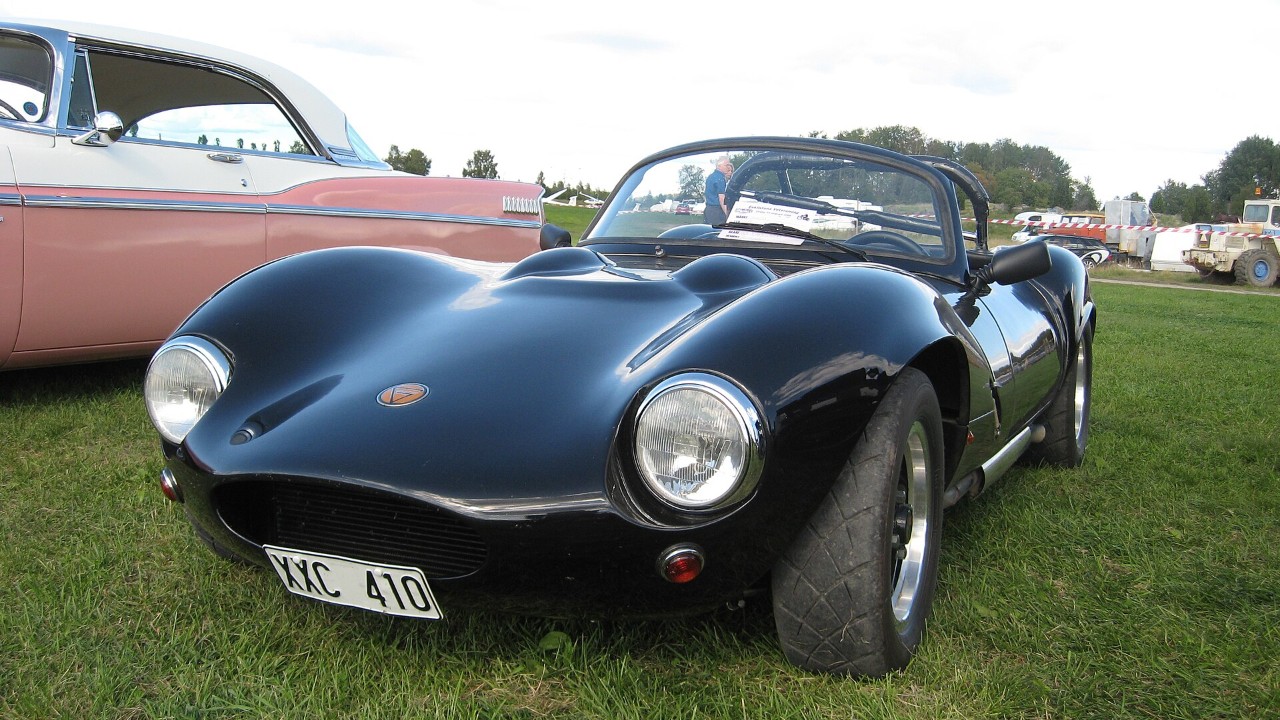
Ginetta began as a family business run by the Walklett brothers, and the G4 of 1961 became their breakout car. It paired a glassfibre GT-style body with a light tubular frame. Later, in 1966, a square-tube spaceframe replaced that chassis.
Power came from Ford. Early cars used the 997 cc 105E Kent engine, and buyers could step up to the 1.5-liter Cortina unit. Some owners went further and fitted the Lotus-Ford Twin Cam. With curb weights listed from 849 pounds, even the small engines had very little car to move. As a result, the G4 proved very competitive on the track.
Ginetta built more than 500 G4s up to 1969. Then the car came back as the Series IV in 1981, with a 1,599 cc Ford four, and about 35 of those followed. Later still, the Walklett brothers’ new company, DARE, resumed G4 production in the 1990s. In our view, few cars show the British small-maker spirit better: simple parts, clever weight saving and a shape that looks fast parked.
6. 1959 Elva Courier Mark II
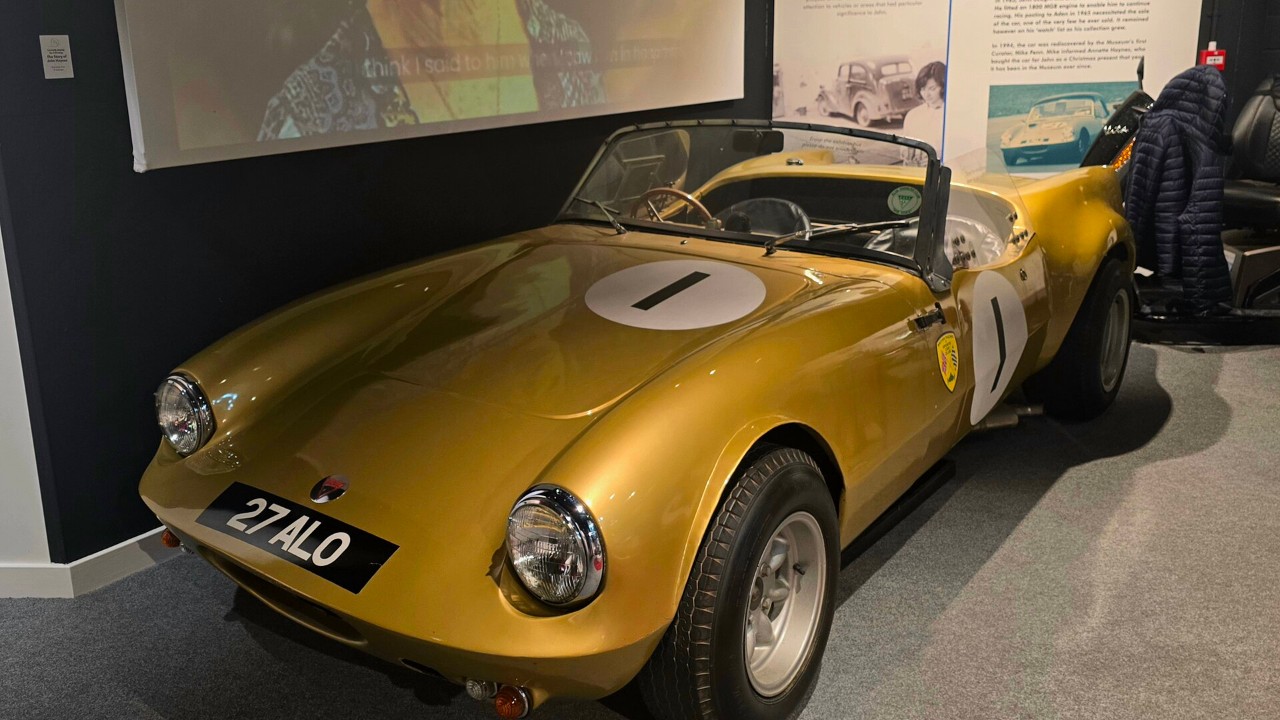
Frank Nichols founded Elva in 1955, and the name came from the French phrase “elle va,” or “she goes.” The Courier followed in 1958 as a light, open two-seater. At first, every car went overseas, and America became a major market.
The recipe was simple. A ladder chassis carried a glassfibre body, and Elva designed its own independent front suspension. The first cars used 1500 cc MGA or Riley engines. Then the Mark II moved up to the larger 1600 cc MGA engine and swapped the flat split windscreen for a curved one.
The Courier also launched a famous career. Mark Donohue won the SCCA F Production title in an Elva Courier in 1960, then took E Production in 1961. Later, in 1962, Trojan bought the rights and moved production to Croydon. Our take: a car that helped start Donohue’s career deserves a bigger place in the story. Elva made about 400 Mark I and II Couriers, so you will rarely see one at a show.
7. 1961 Turner Sports Mark II
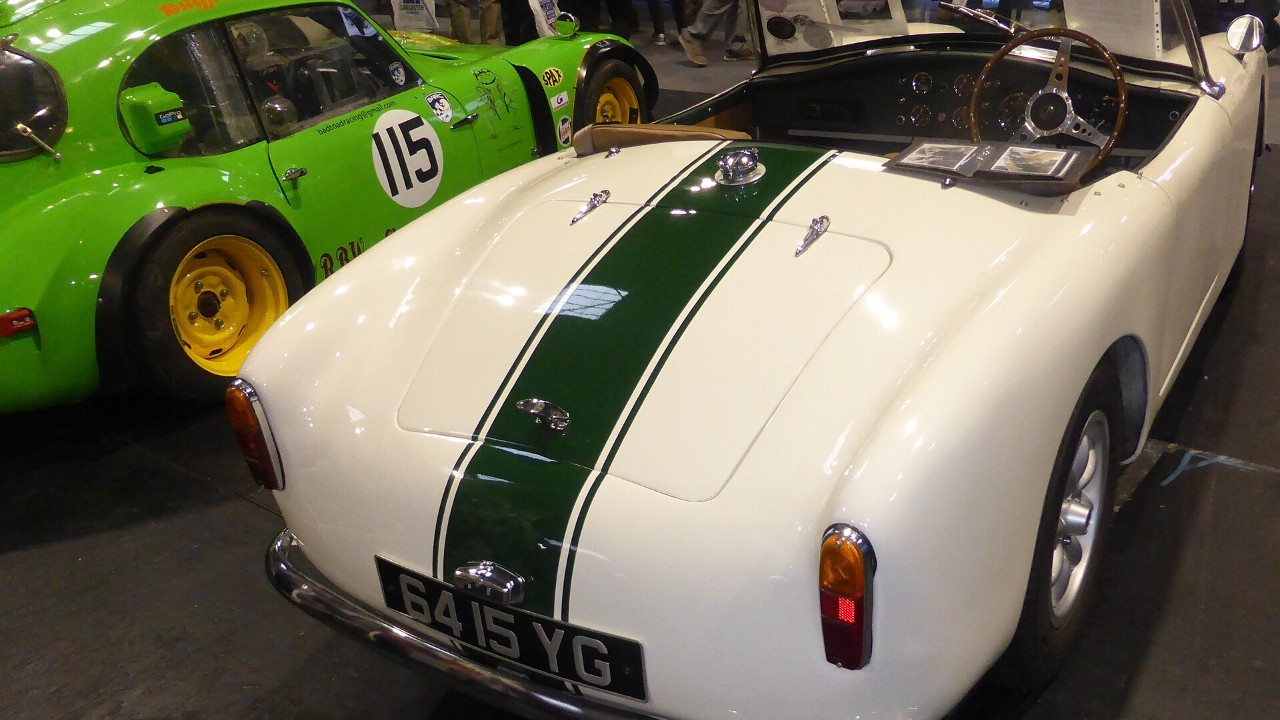
Jack Turner built specials and racing cars before he set up shop near Wolverhampton. His company made sports cars from 1951 until 1966. Customers could buy them complete or as kits, which kept prices within reach of club racers.
The Mark II ran from 1960 to 1963 and brought nicer trim along with small styling changes. From 1960, its front suspension borrowed from the Triumph Herald. Engine choices also grew. In 1961 Turner added Ford’s 997 cc and 1,340 cc fours, and the 1,500 cc Cortina engine followed in 1963. About 150 Mark IIs were made, all with an open fiberglass body on a ladder frame.
The racing record is what sells us. A Turner registered VUD 701, driven by John E. Miles, won 15 of 17 races in the 1963-64 Autosport championship. Along the way it beat works entries from Jaguar, Lotus and Aston Martin. The company closed in 1966 after Turner suffered a heart attack. We think that makes every surviving Turner a small piece of giant-killing history.
8. 1968 Marcos GT 1600
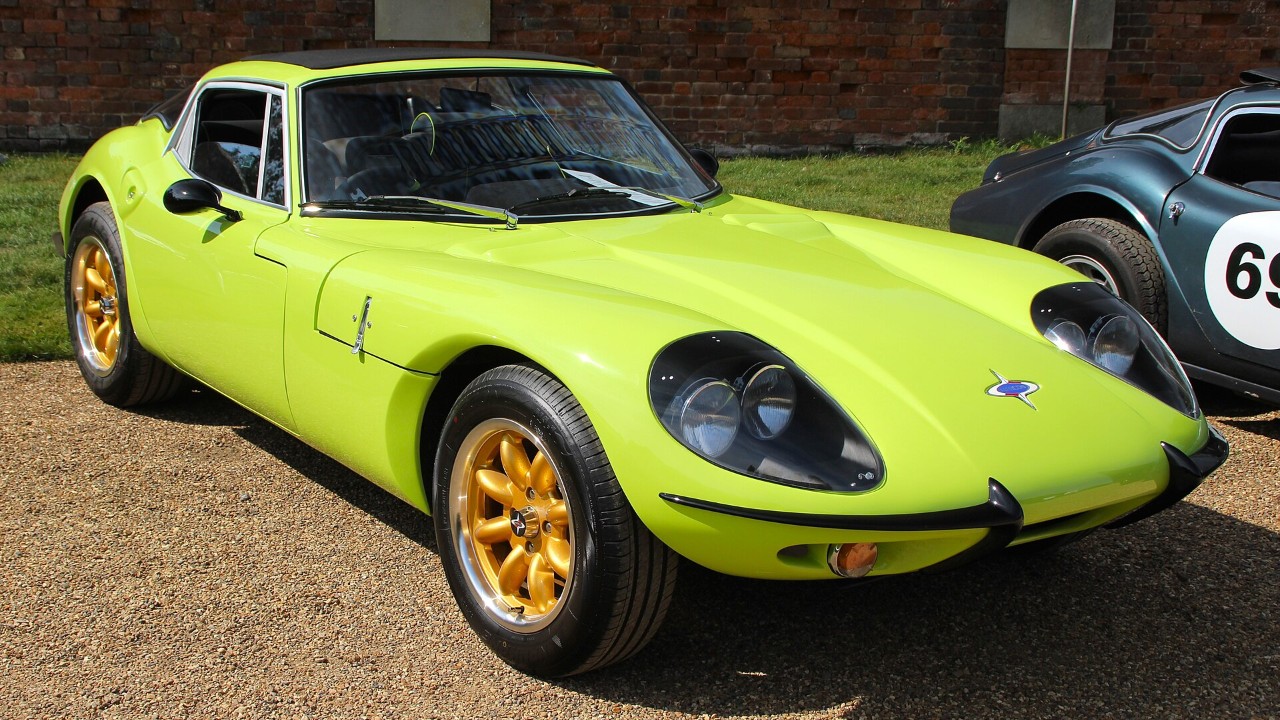
Brothers Dennis and Peter Adams designed a coupe that sits startlingly close to the road. The Marcos GT stood just 42.5 inches tall. Even stranger, the first cars rode on a plywood chassis glued together from 386 pieces.
Early GTs used a Volvo engine, starting with the Marcos 1800 of 1964. Then Marcos turned to Ford. In late 1967, the 1600 GT replaced the 1500 and 1650 models with a Ford Crossflow four of about 100 hp. It became the best seller of its day, with 192 built until early 1969. The wooden chassis stayed until a steel frame arrived in June 1969.
Inside, the seats were fixed, so the pedals adjusted instead, and the driver sat almost lying down. We told the wooden-chassis story in full in the 1968 Marcos GT that proved wood could still win. Our take: the 1600 is the Marcos to want, with a sweet, simple Ford engine in the original wooden car.
9. Triumph GT6 Mk II
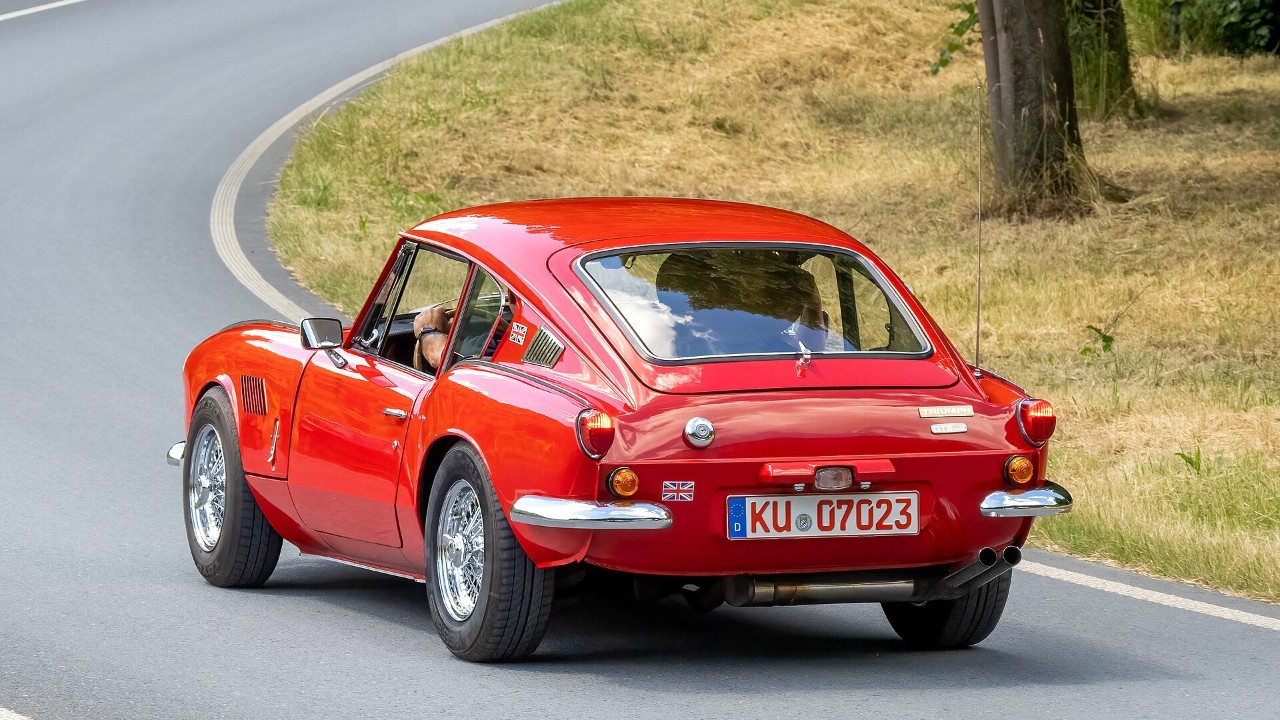
The GT6 took the little Spitfire, added a fastback roof designed by Giovanni Michelotti, and squeezed in a six-cylinder engine. The first cars also inherited the Spitfire’s swing-axle rear, however, and the handling suffered for it. So the Mk II, introduced for the 1969 model year and sold as the GT6+ in America, fixed it.
Triumph replaced the old setup with reversed lower wishbones and Rotoflex couplings on the driveshafts. Meanwhile, the 1,996 cc six gained a new head, camshaft and manifolds from the Vitesse Mk II and made 104 hp. That was enough for a 107-mph top speed and a 0-60 mph time of about 10 seconds.
Triumph built 12,066 Mk IIs, which makes it the rarest of the three GT6 series. By comparison, the Mk I reached 15,818 cars and the Mk III 13,042. If the early car interests you, we looked at the 1966 Triumph GT6 chasing speed. In our view, the Mk II is the best of the bunch, because it pairs the smooth six with the rear end it always needed.
10. 1993 MG RV8
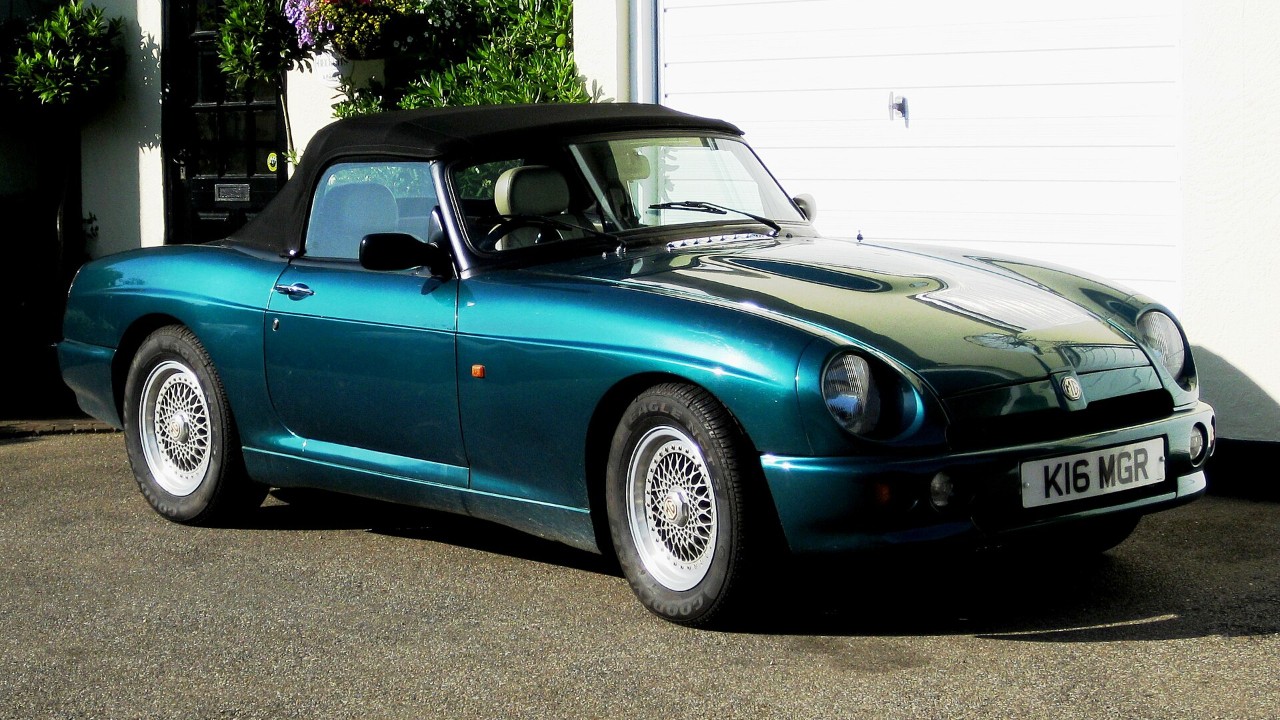
The RV8 appeared at the British International Motor Show in October 1992. The project, code-named Adder, started with a fresh MGB bodyshell from British Motor Heritage. Then Rover filled it with a 3.9-liter aluminum V8.
That engine made 190 bhp at 4,750 rpm, and the RV8 could reach 60 mph in 5.9 seconds. The body gained flared fenders, a new hood and Porsche 911 headlights. Inside, buyers got burr elm wood and Connolly leather. However, the rear kept the MGB’s leaf springs, which reminded drivers of the car’s 1960s roots.
Only 1,983 RV8s were built between 1992 and 1995, and 1,579 of them went to Japan. Our take: it is the most comfortable way to own a V8 MGB shape, and few people outside Japan have seen one. Several hundred later came back to the UK, and about 270 went to Australia between 2000 and 2010.
More from Fast Lane Only