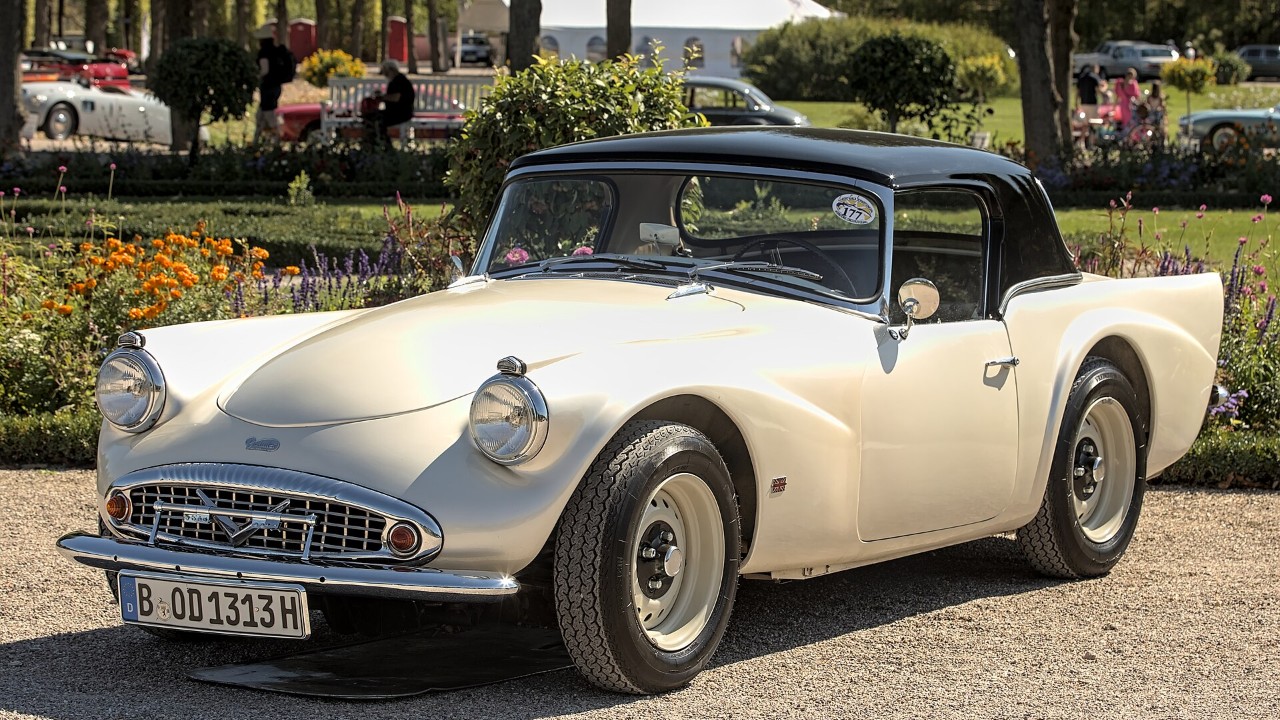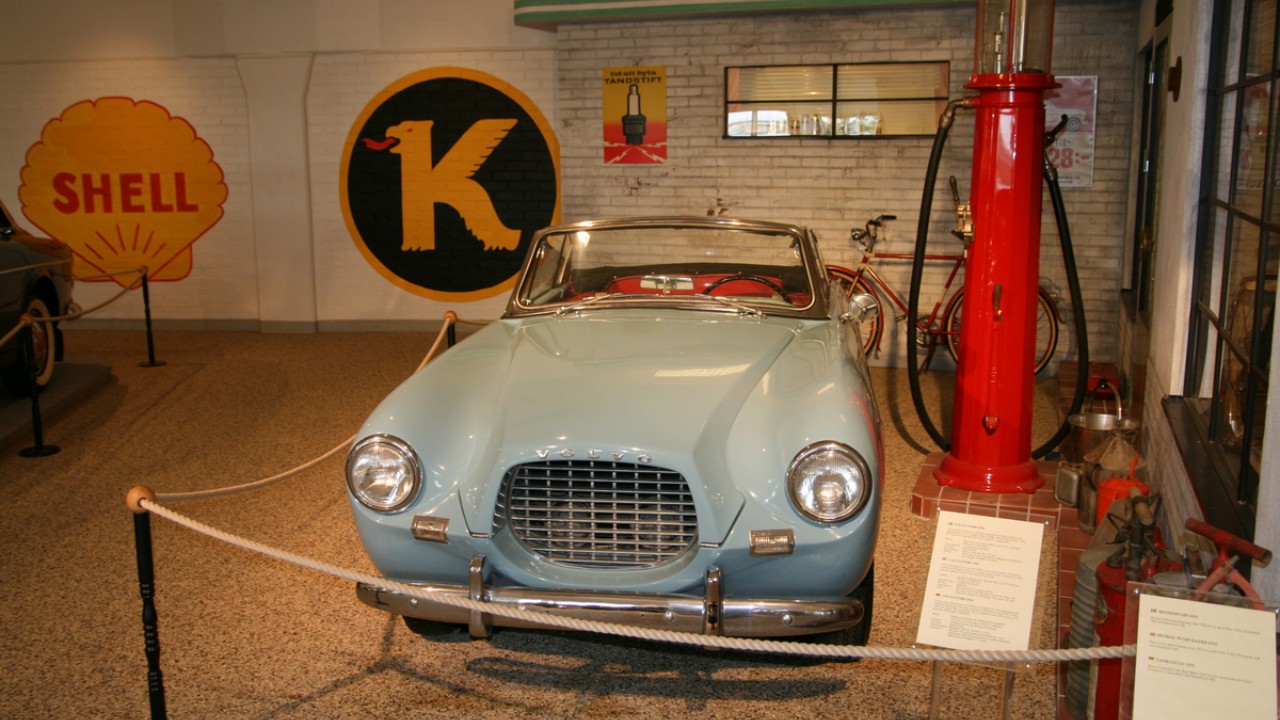
Volvo showed its first sports car, the fiberglass Volvo P1900, on 2 June 1954, and it flopped. That early miss still matters, because it pushed the company toward the cars that later made people look twice at a brand known for sensible sedans.
For most buyers, Volvo meant safety belts, square wagons and long service lives. However, every so often the company built something low, fast or Italian-bodied that did not fit the picture. Those cars sold in small numbers, but they changed what a Volvo badge could stand for.
These are our picks for the rare Volvos that did the most to shift that image. The verdicts are our opinion. The dates, engines and production figures come from the record.
1. 1954 Volvo P1900
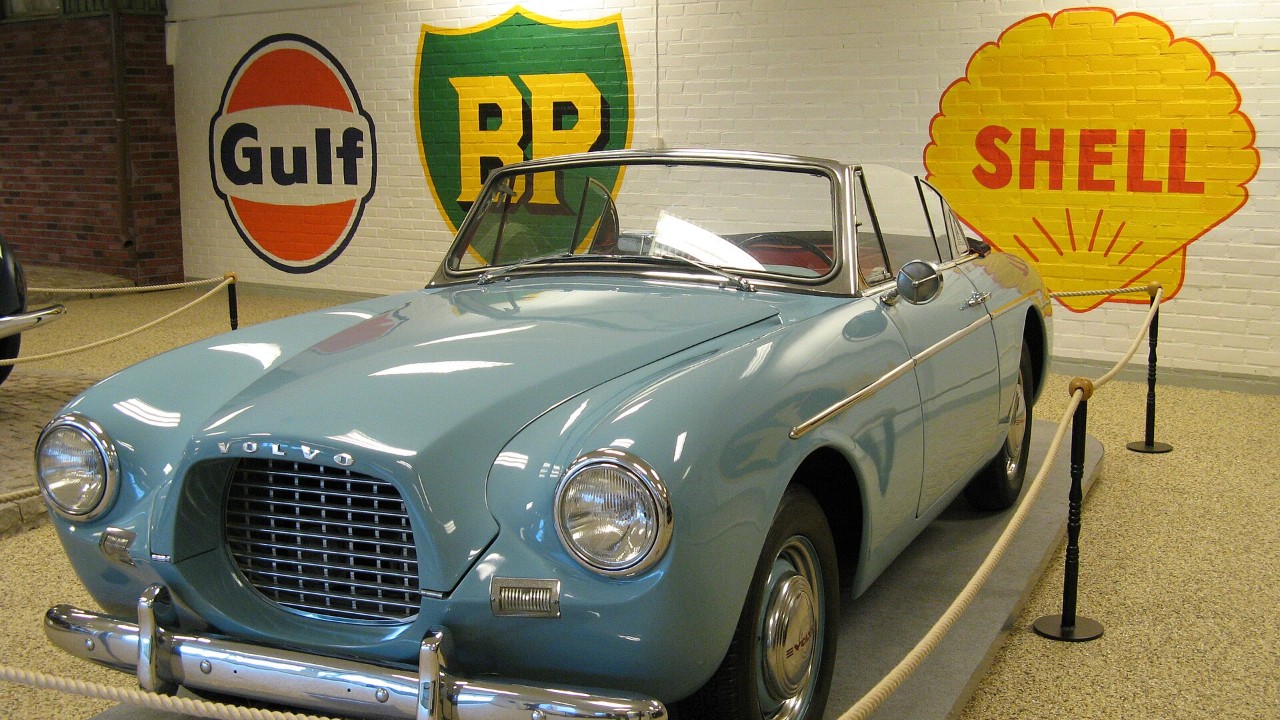
Volvo founder Assar Gabrielsson came home from early-1950s trips to America impressed by two things: small European sports cars and fiberglass. So in 1953 Volvo hired Glasspar, a California firm that built boat hulls and car bodies, to design the body, make the molds and build the first prototype. Volvo then presented the Volvo P1900 in 1954 and promised a first series of 300 cars.
The reality fell well short of that plan. According to Volvo’s own history of the car, testers criticized the weak chassis, cracking plastic and poorly fitting doors. The 1.4-liter engine came from the PV 444 and made 70 horsepower with twin carburetors. Only 44 cars left the line in the first year and 23 in 1957. Then new managing director Gunnar Engellau drove a Volvo P1900 for a weekend and ended production, since Volvo lost money on every sale.
Volvo says later research suggests the true total may be 68, and Curbside Classic also puts production at 68. In our view, the Volvo P1900 is the most important failure the company ever built. Engellau soon ordered a steel sports car, and that project became the P1800. Volvo also says the whereabouts of about 50 cars are still known.
2. Volvo 1800ES
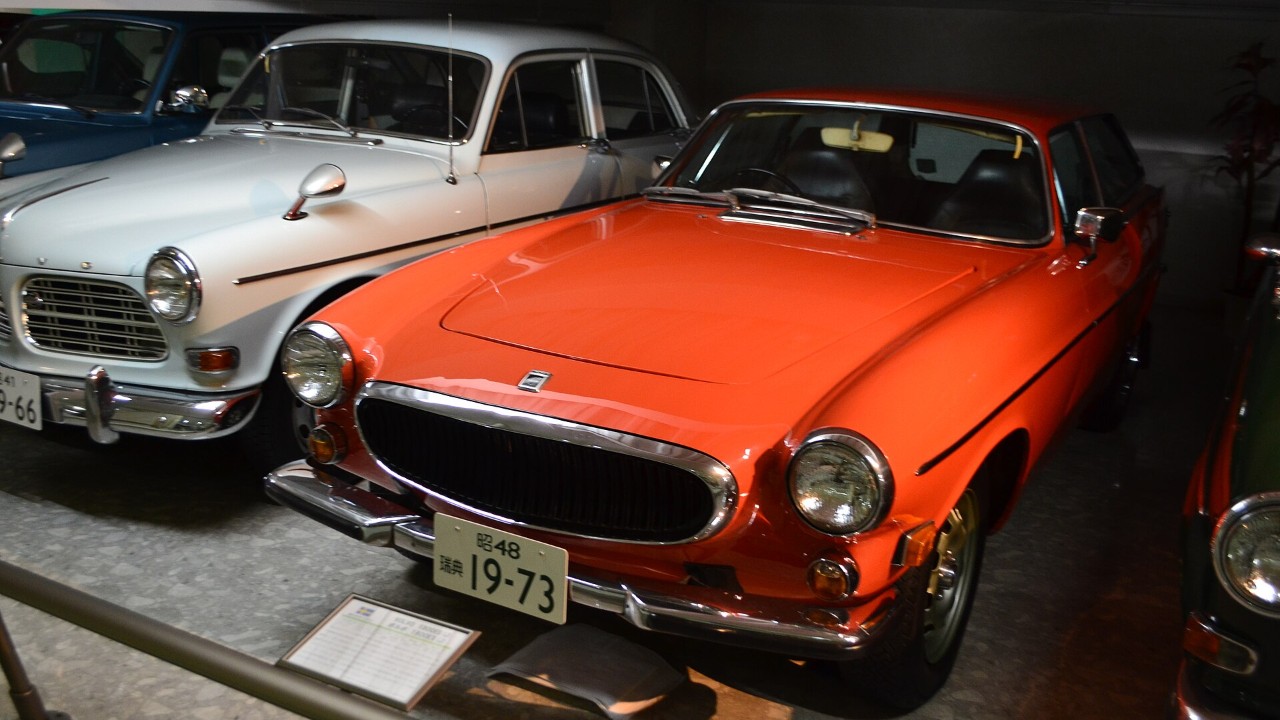
The 1800ES took the P1800 coupe and gave it a long roof and a frameless, all-glass tailgate. Volvo’s in-house designer Jan Wilsgaard drew the winning “Beach Car” proposal after rival studies from Coggiola and Frua were judged too futuristic. As a result, the shape looked both sporty and practical.
It lasted just two model years, 1972 and 1973, and Volvo built 8,077 of them. Power came from the fuel-injected B20F four, detuned to 125 horsepower with a lower compression ratio. In Germany and Switzerland, people nicknamed it “Snow White’s coffin” because of that glass hatch. Meanwhile, Swedes called it the fish van.
Volvo ended it because stricter American safety and emissions rules were due for 1974. Redesigning a low-volume car was not worth the cost. Our take: the ES is the car that showed a Volvo wagon could be desirable rather than merely useful. Decades later, the brand borrowed its glass-hatch idea again for the C30.
3. Volvo Amazon 123GT
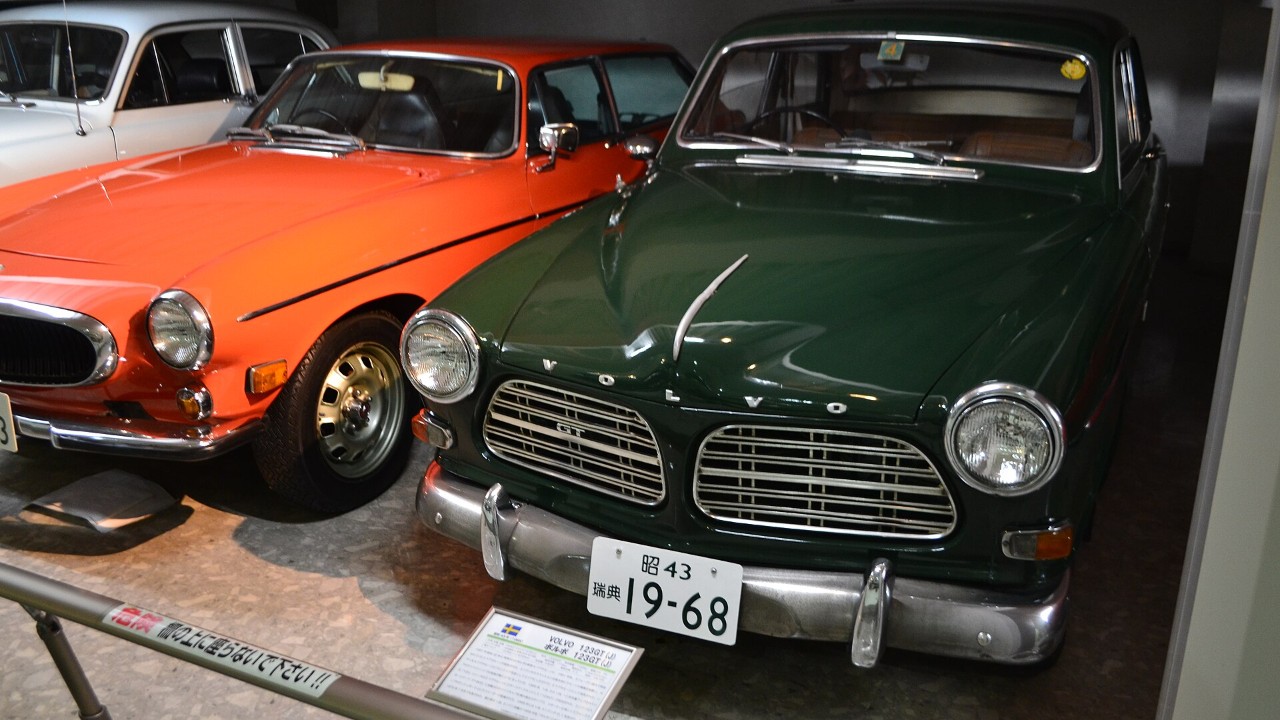
The Amazon was the family car that built Volvo’s reputation abroad. Volvo made 667,791 of them between 1956 and 1970, and about 60 percent went for export. It also helped build the brand’s safety name. With the 1959 model, Volvo fitted front seat belts to the Amazon as standard.
Then for 1967, Volvo added the 123GT. It took the high-compression B18B four from the P1800 and paired it with the M41 four-speed gearbox with overdrive. Inside, buyers found fully reclining seats, a special steering wheel and a dash with a tachometer. Some markets also got front fog and driving lights. We covered the regular car in our look at the 1967 Volvo Amazon and what it introduced.
In our opinion, the 123GT is where the sensible Amazon learned to have fun. It kept the tough body and simple mechanicals that owners trusted. At the same time, it gave keen drivers a sports-car engine in a car the whole family could use. That blend became a Volvo habit for decades. For more of the brand’s history here, see our list of Volvo models sold in America.
4. 1981 Volvo 262C Bertone
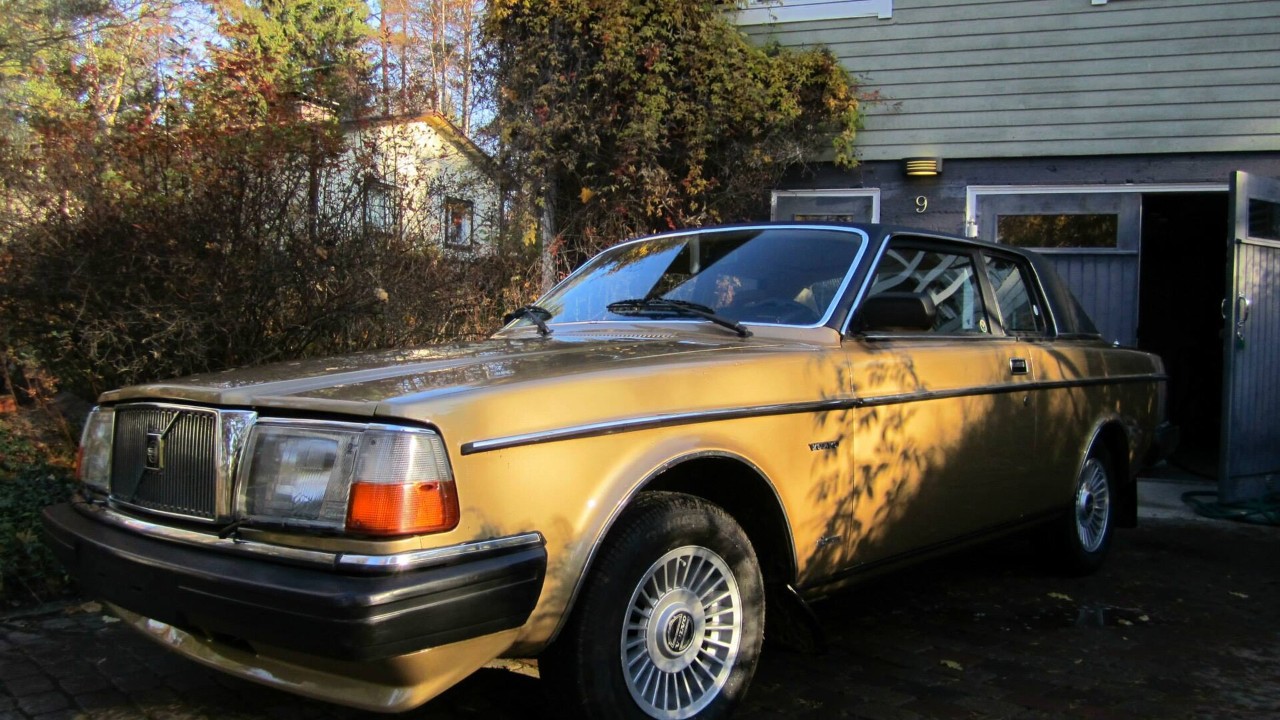
The 262C was Volvo’s luxury coupe of the late 1970s. Jan Wilsgaard derived the design from the four-door 264, and Bertone built the cars in Turin, Italy. The roof sat about 100 mm, or 3.9 inches, lower than the sedan’s. That chopped look split opinion then and still does now.
Bertone built 6,622 of them in all. Zwischengas reports that about three quarters went to the USA, which shows who Volvo had in mind. Early cars used a 2,664 cc PRV V6. From 1980, it grew to 2,849 cc, and the North American 2.8 was rated at 130 horsepower.
The 1981 car is the final version. For that year, Volvo deleted the vinyl roof cover. It also dropped the manual gearbox for the U.S. market. We think the 262C mattered because it proved Volvo could sell style and status, not just safety. Later, Bertone went on to build Volvo’s next coupe, too.
5. Volvo 780 Bertone Coupe
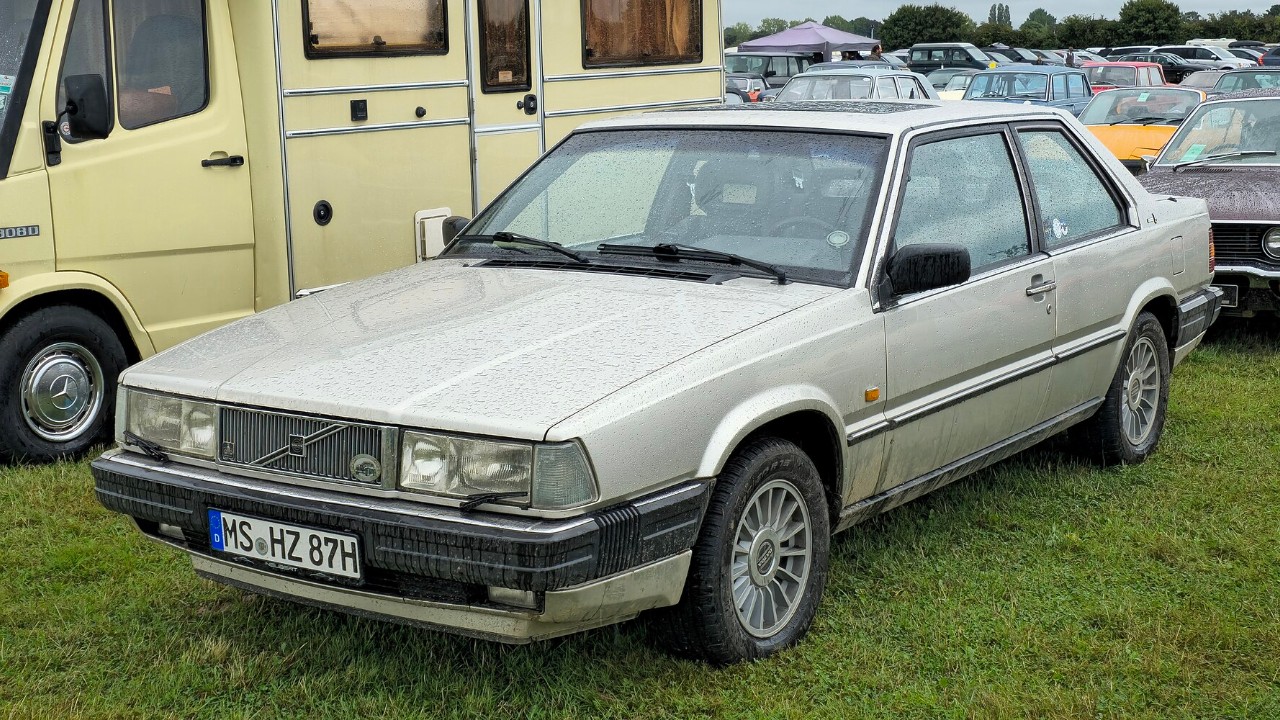
The 780 debuted at Geneva in 1985 as a far more polished follow-up to the 262C. Marc Deschamps designed it, and Carrozzeria Bertone again built it in Turin. It went on sale in Europe in 1986 and reached the United States in 1987. By its final year, 1991, Volvo sold it simply as the Volvo Coupé.
Volvo’s official total is 8,518 cars built from 1986 to 1991. The engine list was unusually wide for such a small run. Buyers could get the PRV V6, several turbocharged fours, or even a Volkswagen-sourced turbodiesel six. In fact, the rarest version used a 2.0-liter 16-valve turbo four rated at 200 PS, and Volvo fitted it to only 165 cars.
Our take: the 780 is the most underrated Volvo of the 1980s. It gave Volvo a cleaner, longer and more elegant shape than the boxy sedans of the day. As a result, in our eyes, it made a Volvo look like a genuine rival to the German luxury coupes. Few people noticed then, and fewer remember it now.
6. Volvo 850 T-5R
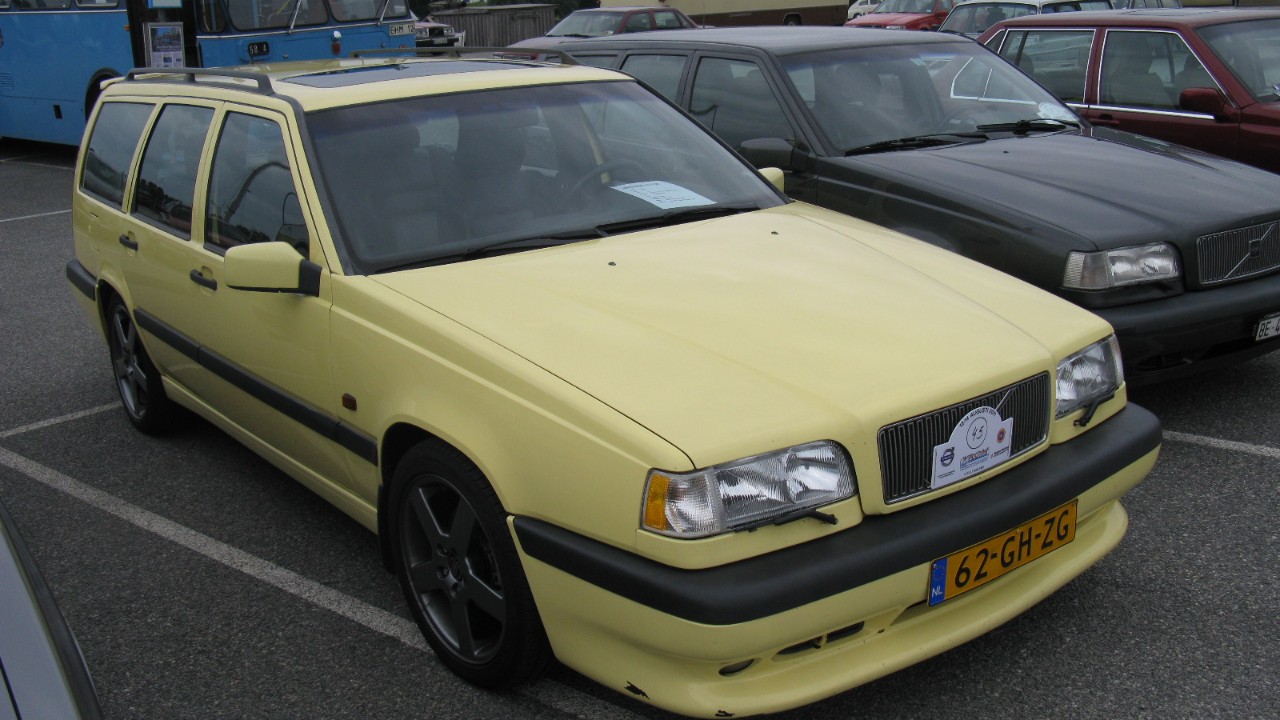
The T-5R began as a 1995 limited edition, and it changed the 850 from a safe family car into a cult performance car. Porsche co-developed the engine tuning, transmission and other powertrain parts. It also helped design interior details such as the Alcantara seat inserts. Volvo built 6,964 worldwide, in Cream Yellow, Stone Black and Olive Green.
Under the hood sat a 2.3-liter turbocharged five-cylinder. Auto Express rates it at 237bhp and notes that Volvo brought only 200 of them to the UK. There, the price started at £28,840. Cream Yellow was the most common color, with 2,537 cars across saloon and estate.
Notably, the Cream Yellow test car in that review came from Volvo UK’s heritage fleet. In our view, it is the car that made “fast Volvo” a real phrase. If you shop for one, buy on service history first, because these cars have now passed 30 years old.
7. 1996 Volvo 850 R estate
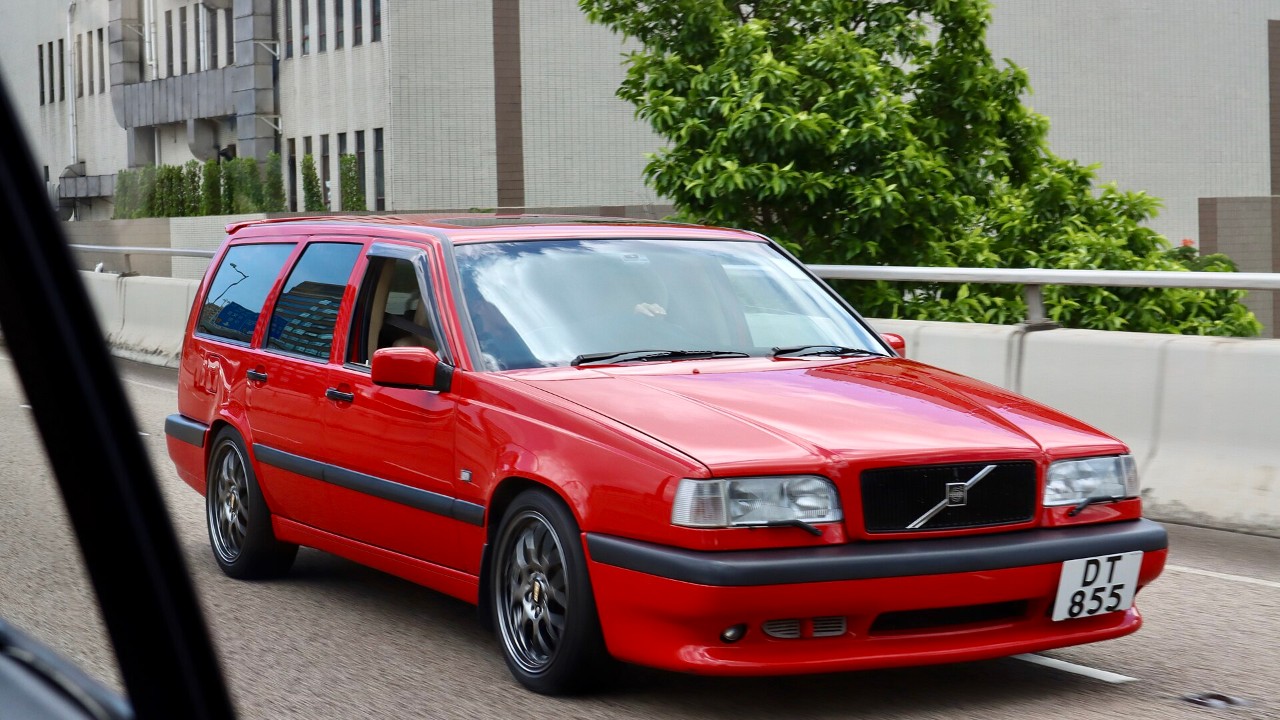
The 850 R followed the T-5R in spring 1996, and the estate is the version we would pick. Manual cars used the B5234T4 2.3-liter five and made 250 PS. Automatic cars made 240 PS instead. Either way, in our view, Volvo sold a wagon that could run with the sports sedans of its day.
The estate shape also had a racing story behind it. In 1994, Volvo partnered with Tom Walkinshaw Racing to build an 850 Estate for the British Touring Car Championship. Rickard Rydell and Jan Lammers drove it. Its best race finish was fifth. Even so, we think the sight of a wagon in a touring-car pack did more for the brand than many wins would have. For more of Volvo’s racing side, read our story on the boxy 240 Turbo in touring cars.
The 850 changed Volvo in quieter ways too. Jan Wilsgaard designed it, and it went on sale with front-wheel drive. Then for the 1995 model year, Volvo added side-impact airbags, standard on Turbo models. In our opinion, the 850 R estate sums up that era perfectly: a safe wagon with a serious turbo five up front.
8. First-generation Volvo S60 R
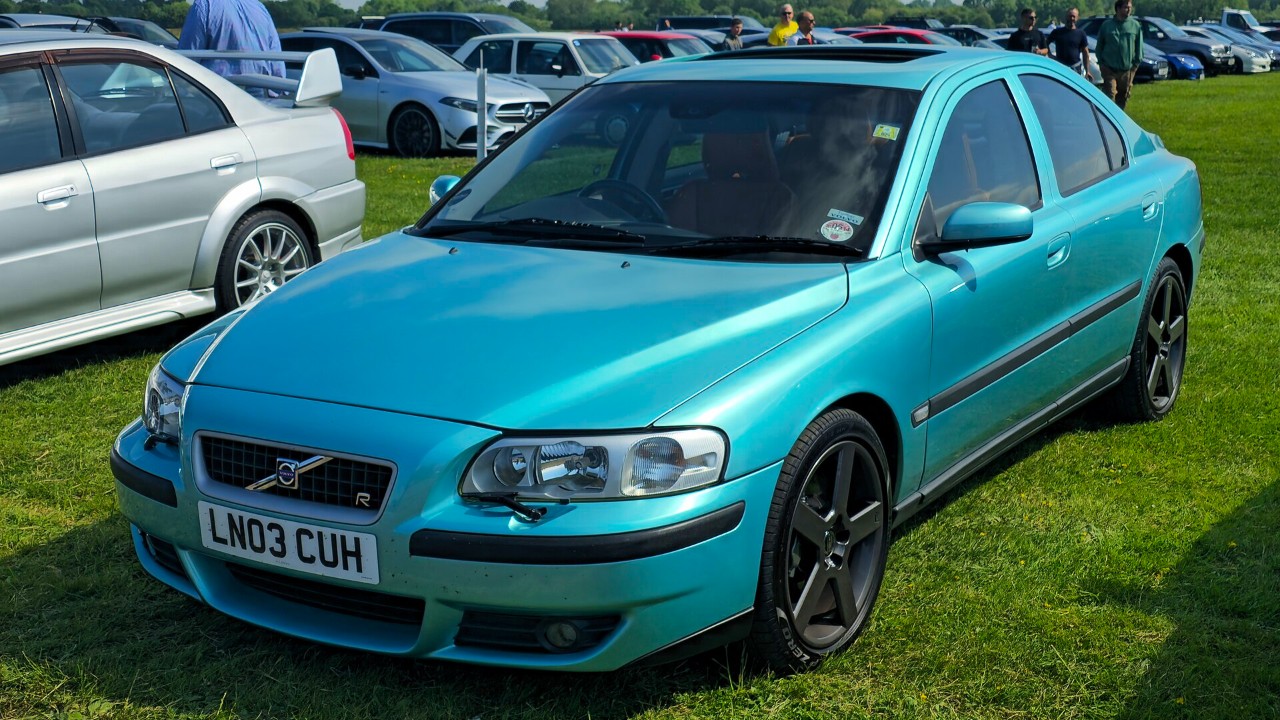
The S60 R was Volvo’s answer to buyers who wanted a fast sedan with all-weather grip. It used a 2,521 cc turbocharged five-cylinder rated at 300 PS, or 296 horsepower, at 5,400 rpm. With the six-speed manual, it made 400 Nm of torque from 1,850 rpm. A Haldex all-wheel-drive system could send up to 30 percent of that to the rear wheels.
The chassis was just as ambitious. Volvo fitted semi-active “Four-C” suspension with Comfort, Sport and Advanced modes. Its shock absorbers, developed with Öhlins and Monroe, adjusted 500 times per second. Large Brembo four-piston brakes sat at both ends.
Our take: this is the most technical Volvo of its decade. Early automatic cars limited torque in first and second gears, so the six-speed manual is the one to find. Later automatics from 2006 dropped that restriction. Before you buy, have the Four-C dampers checked, since they are the most complex part of the car.
9. 2013 Volvo C30 Polestar
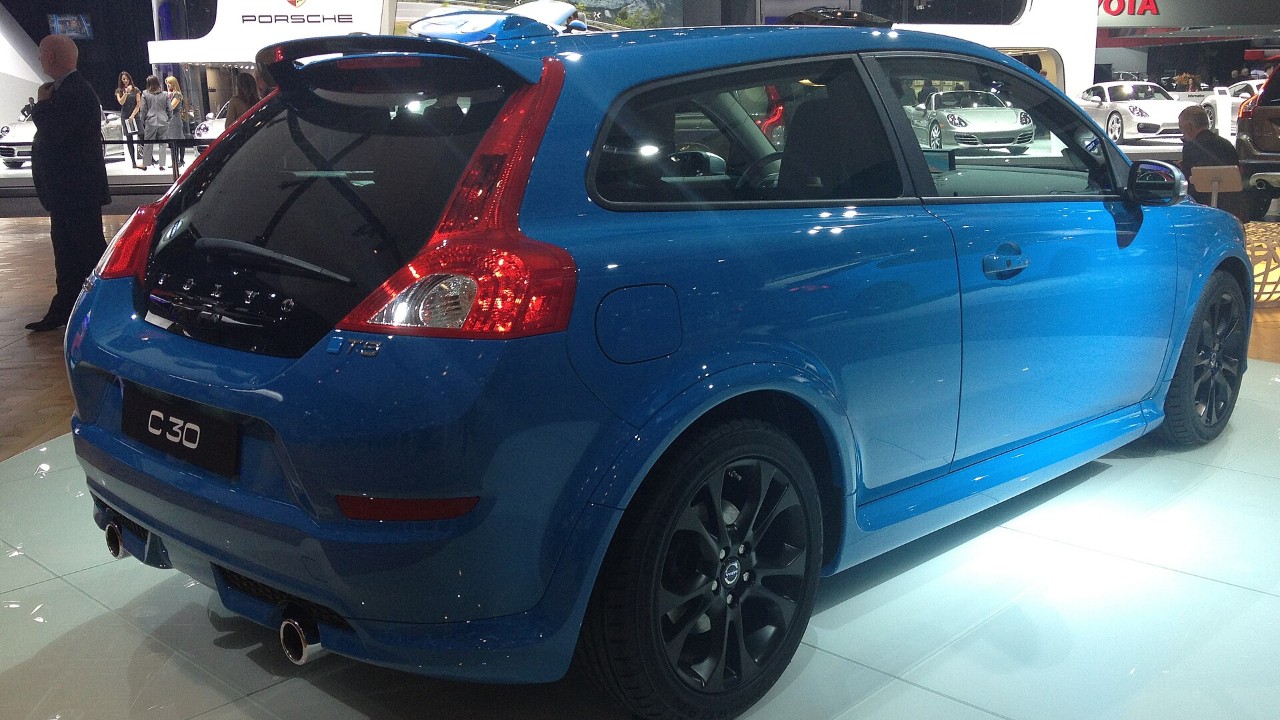
The C30 was a three-door hatchback that Volvo built from 2006 to 2013 in Ghent, Belgium. Its frameless glass tailgate paid tribute to the 1800ES. Then, near the end of its run, Volvo had Polestar tune a limited edition for American buyers.
AutoGuide reported that Volvo planned 250 examples, all painted Rebel Blue. The 2.5-liter turbocharged five made 250 horsepower and 273 lb-ft. That was 23 horsepower and 37 lb-ft more than the regular T5. Polestar also stiffened the springs by 30 percent and quickened the steering ratio by about 10 percent.
In our view, the C30 Polestar was a small preview of where Volvo performance was headed. It also closes the loop on this list, because a glass-hatched Volvo once again looked sporty. The base price was $32,445, and Volvo set the run at just 250 cars.
More from Fast Lane Only