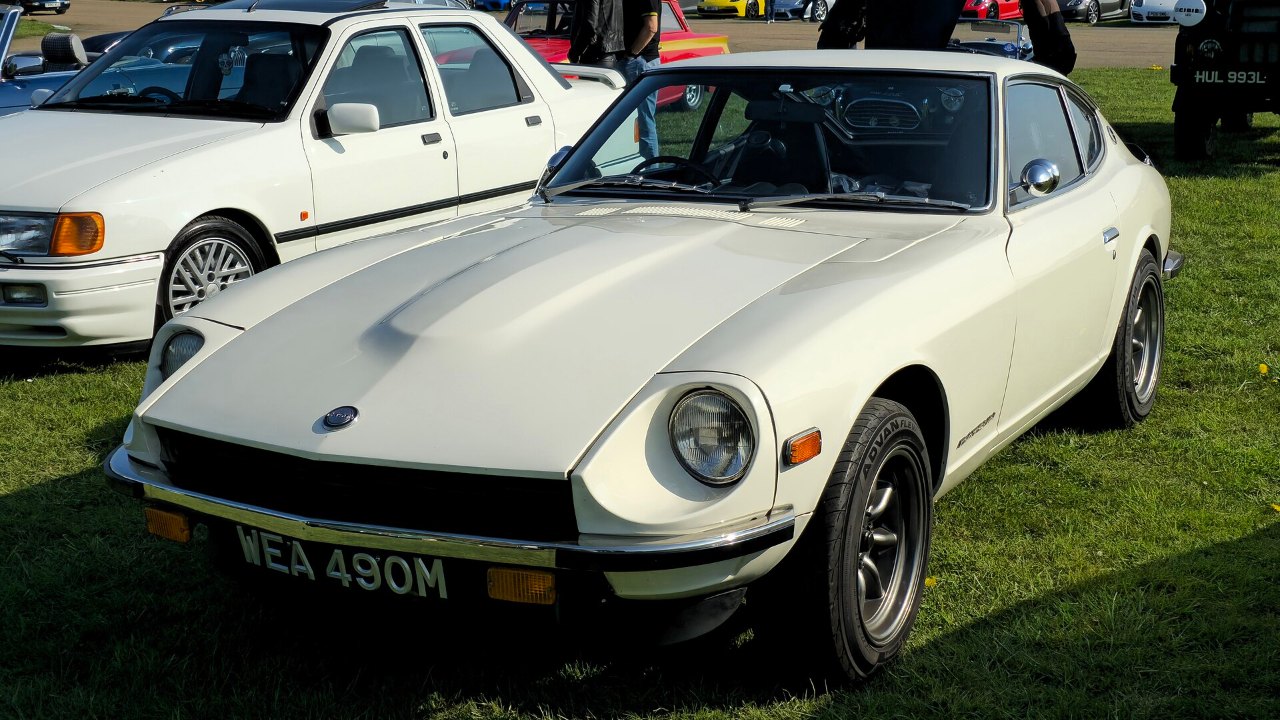
Park a Datsun 2000 roadster at a gas station today and count how long it takes before somebody walks over. We’d bet it won’t be long. Datsun built cars that people bought for sensible reasons, yet a surprising number of them grew into the kind of machine strangers want to talk about.
Nissan later retired the Datsun name in America and put its own badge on everything. That only made the old cars more interesting. Plenty were rusted, raced or modified into oblivion, so a clean one now looks fresh in a parking lot full of crossovers.
These seven are our picks for the Datsuns that turn heads now. We’ve mixed the famous sports cars with a pickup, a cheap economy coupe and a sedan that won races. Each one earns its spot with a story, and a few might surprise you.
1. 1963 Datsun Fairlady 1500 (SPL310)
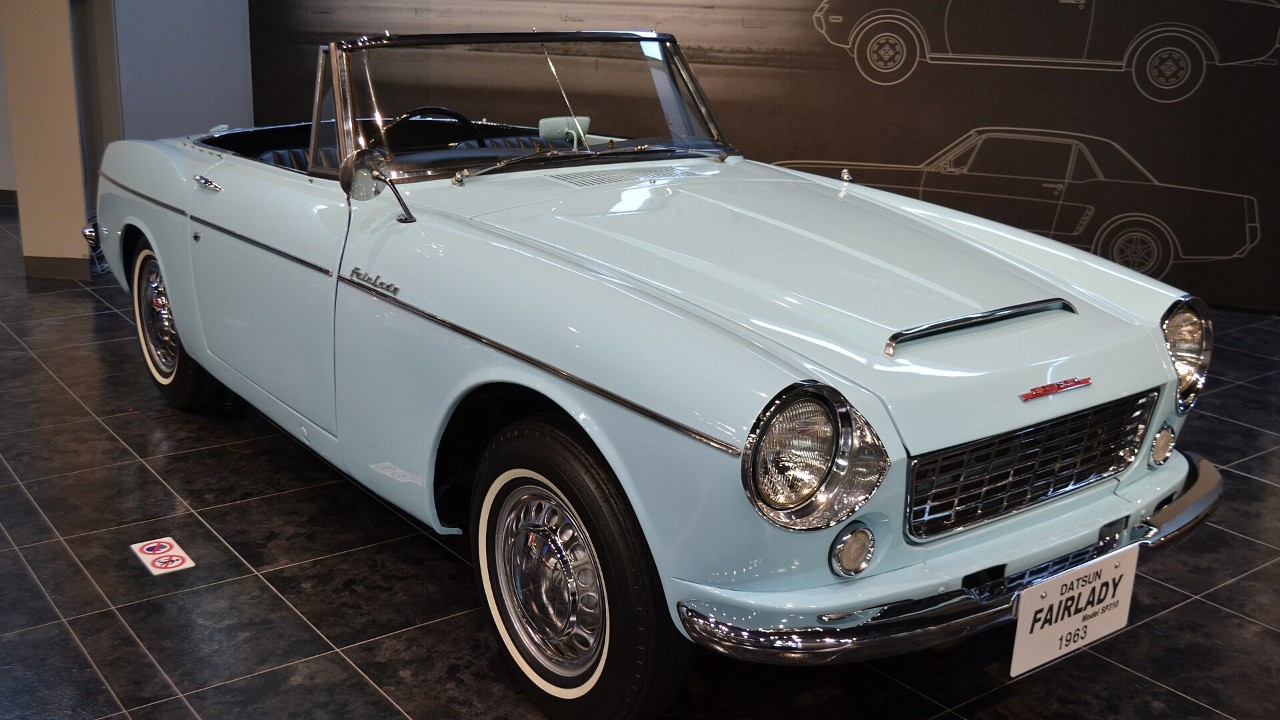
The Fairlady 1500 is where Datsun’s sports car story really starts. Earlier open Datsuns existed, but the 1963 SP310 and SPL310 were the first true Datsun sports cars. Nissan gave them a 1,497 cc overhead-valve four with a single SU carburetor, rated at 77 PS.
The first 1963 and 1964 cars had an odd party trick, too. Behind the two front buckets sat a single rear seat, mounted sideways across the car. Because three-seat roadsters were rare even then, owners love to point it out. Later, a dual-carburetor version arrived for 1964 and 1965 with 85 PS.
In our view, the Fairlady 1500 is the one most people will misidentify. We suspect plenty of passersby guess it’s British, since the shape recalls the English roadsters of the day. That confusion is half the fun. If you want the full Datsun pre-Z backstory, the 1500 is the car that made the later 2000 and the Z possible. For a buyer, the three-seat early cars carry the most curiosity. On the other hand, the later twin-carb cars are the better drivers, so pick based on how often you’ll use it.
2. 1968 Datsun 2000 Roadster (SRL311)
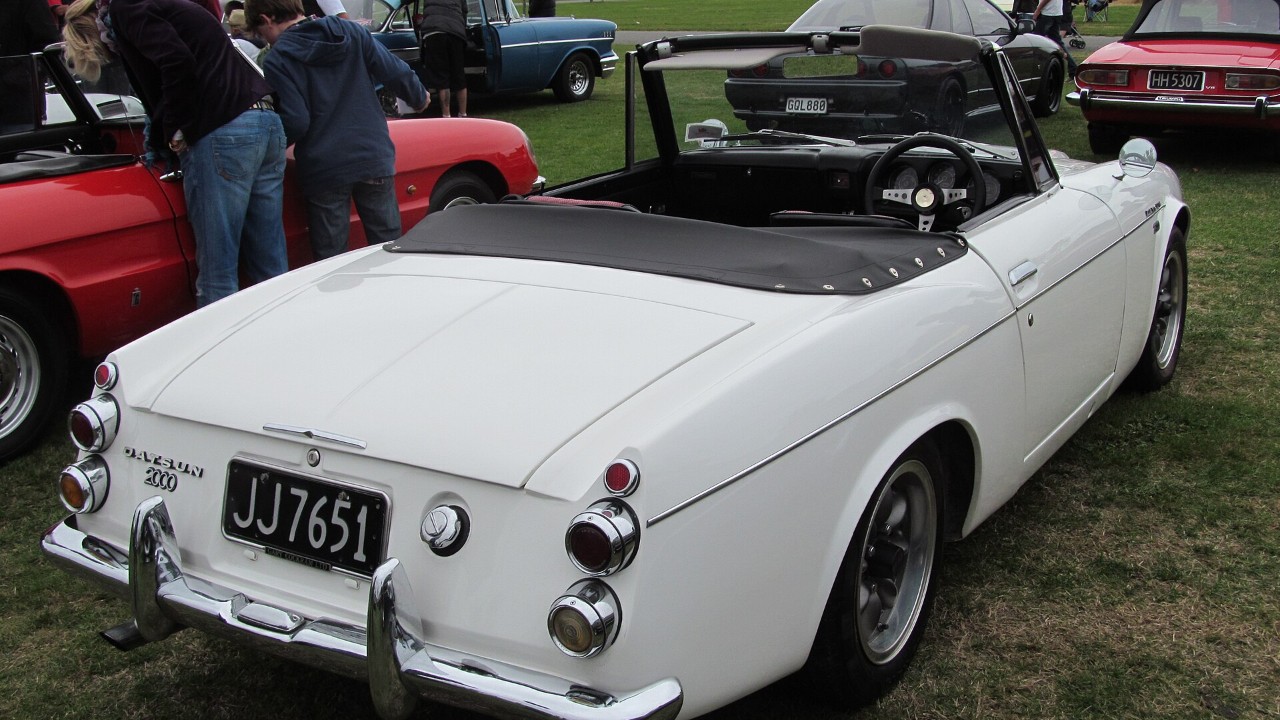
The Datsun 2000 roadster took the Fairlady formula and added real muscle. Its 1,982 cc U20 four had an overhead camshaft, and a five-speed manual sent power to the rear wheels. In the U.S., Datsun rated the 1968–70 cars at 135 horsepower, which was strong for a two-liter roadster of the day.
Buyers who wanted more could order a Competition package with dual Mikuni-Solex carburetors and a hotter camshaft, good for 150 horsepower. That explains why the 1600 and 2000 roadsters won 10 national SCCA championships between them. As ClassicCars.com’s journal notes, Asian and Australian buyers knew it as the Fairlady, while Americans simply called it the Datsun 2000 roadster.
Production ended in April 1970, when the 240Z took over. By then, the roadster had shown American buyers that a Datsun could win on a racetrack. In our view, that reputation gave the Z a head start. Our take: this is the Datsun we’d want for a sunny Saturday. It’s a little rough, very loud and far quicker than its looks suggest. If you’re shopping, ask for proof before you pay extra for a car sold as a Competition-package original.
3. 1970 Datsun 240Z
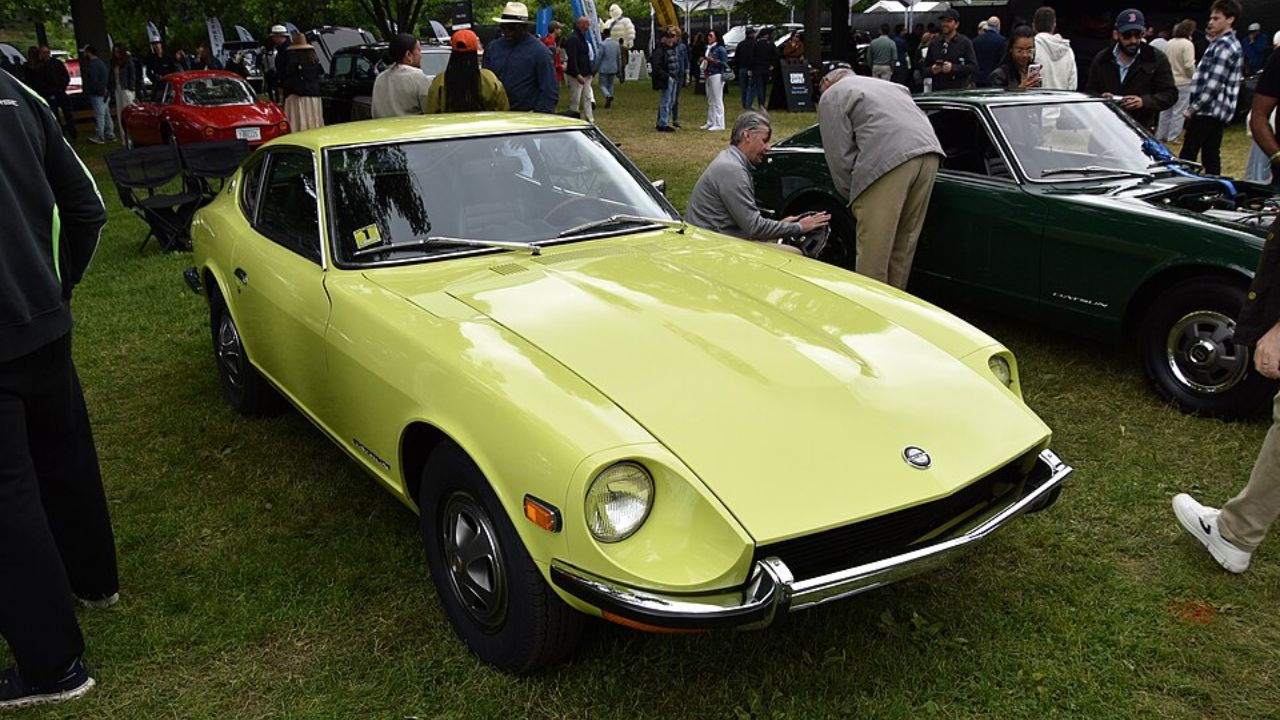
The 240Z needs no introduction, yet it draws a crowd every time. It went on sale in October 1969 as a 1970 model. Under that long hood sat the L24, a 2,393 cc straight-six with twin SU-type carburetors, rated at 151 horsepower SAE gross.
The car was the brainchild of Yutaka Katayama, the president of Nissan’s U.S. arm, whom fans knew as “Mister K.” Meanwhile, Yoshihiko Matsuo led the design team in Japan. The result created long waiting lists at dealers the moment it arrived. In our view, that’s because it paired a smooth six with a fastback body that looked like it cost far more. Then, in 1973, a 240Z driven by Shekhar Mehta won the East African Safari Rally, one of the toughest events in motorsport.
In our opinion, an early 1970 car with its original details intact is the purest Z of all. The problem is finding one that hasn’t rotted. Before you buy, read our piece on where 240Z owners discover rust they didn’t expect. Budget for metal work first and paint second, since a shiny Z can hide a lot.
4. 1971 Datsun 510 SSS
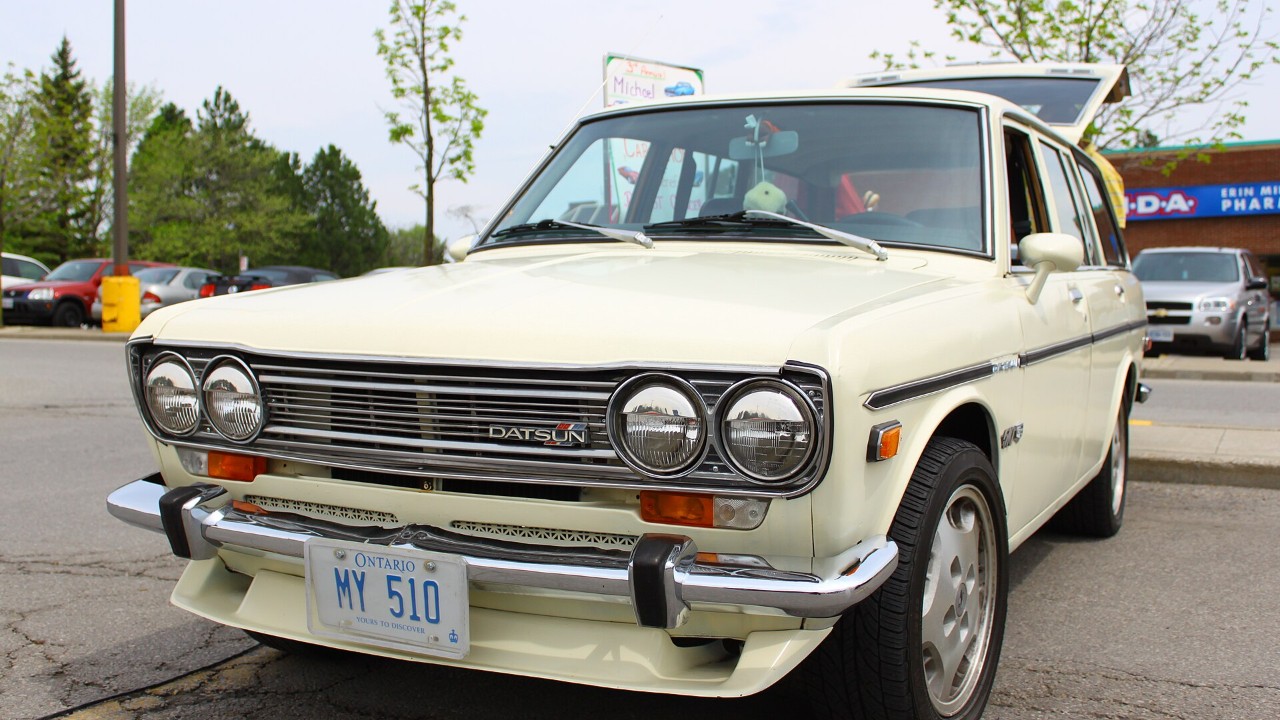
Let’s be clear about one thing first. The SSS badge was never offered in North America, so a 510 SSS here is either an import or a tribute. Still, the sporty SSS version shows what the 510 always wanted to be, a “poor man’s BMW” with an overhead-cam four and fully independent suspension.
The American 510 was impressive enough without the badge. According to Hagerty’s 510 profile, its 1.6-liter four made 96 horsepower in a car that weighed about 2,000 pounds. Road & Track’s 1968 test car cost $2,046 as tested. On top of that, Peter Brock’s BRE team raced 510s in the Trans-Am series, with John Morton as a lead driver.
That racing record is why a well-done 510 stops people. As Silodrome’s 510 history explains, the 1971 Trans-Am 2.5 effort pitted Datsun against Alfa Romeo, and the simple construction made engine swaps easy. Our advice: check the rust and the wiring closely, because Hagerty flags both as common, costly problems. Also, ask what’s under the hood, since a swapped engine changes the value either way.
5. 1973 Datsun 1200 Coupe
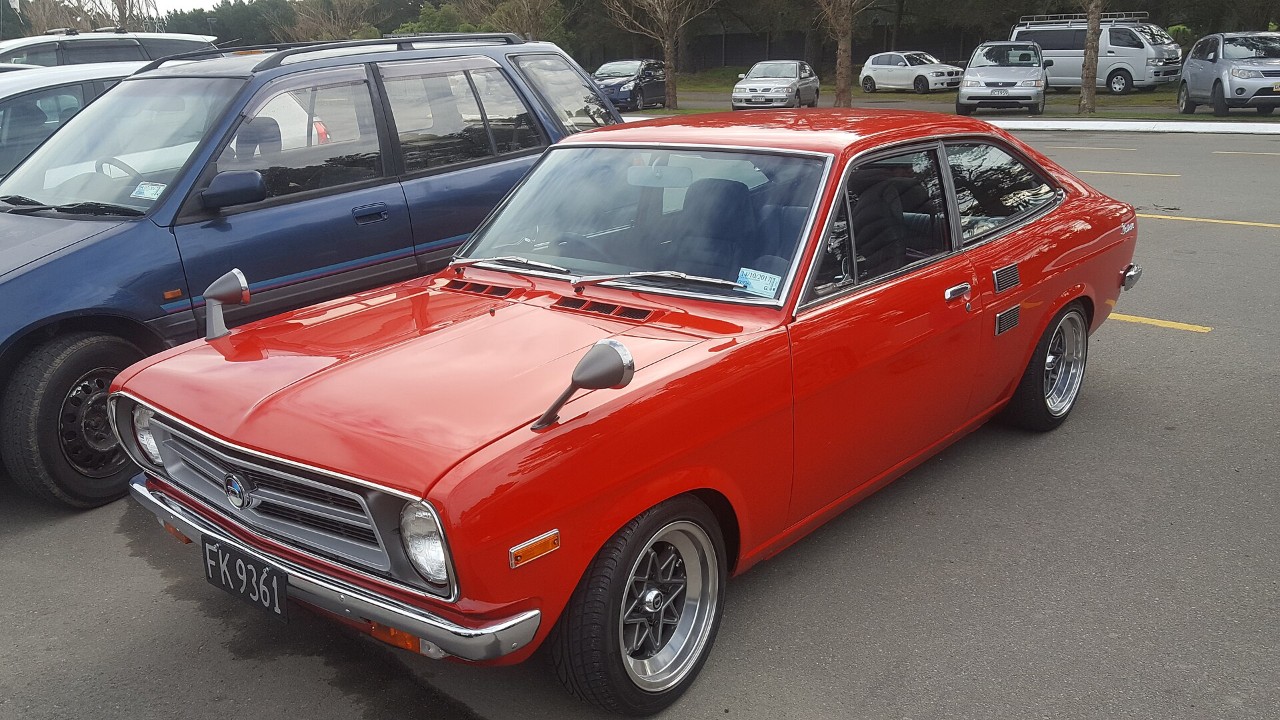
Nobody bought a Datsun 1200 to impress the neighbors. Instead, it was a plain, frugal economy car for people watching every dollar. Americans could get one for the 1971 through 1973 model years, and its 1.2-liter A12 four made 69 horsepower at launch.
The fuel economy was the headline. For 1973, the EPA rated the 1200 as the most fuel-efficient car it tested in America, at 28.7 mpg overall. That mattered during the gas crunch, and buyers responded. Across the U.S. and Canada, Datsun sold 89,541 coupes in three model years. There’s even a sports footnote, since the New York Yankees used a Datsun 1200 as a bullpen car in the 1970s.
So why does it stop traffic now? In our view, it’s because so few made it this far. These were cheap daily drivers, and the 1200 also became a popular race and rally car, so many lost their stock parts. We’d argue a stock 1200 coupe with factory hubcaps is now a rarer sight than a 240Z. If you find a straight one, buy it, because you won’t find another soon.
6. 1978 Datsun 620 King Cab
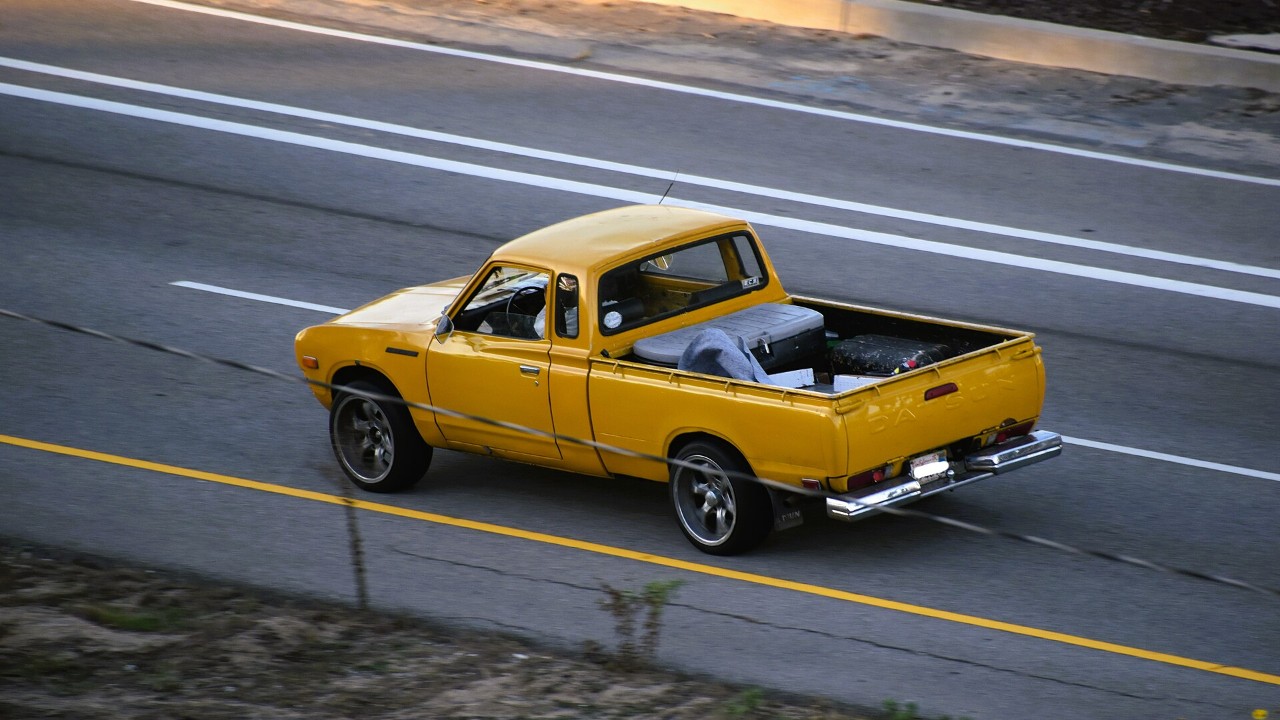
The 620 pickup is a cult favorite, and the King Cab is the one we’d chase. Nissan built the 620 from 1972 to 1979. Then, in 1977, it added the King Cab, the first extended-cab layout on a compact pickup. It gave owners roughly 10 extra inches behind the seats, and rivals later copied the idea.
By 1978, the 620 carried the 2.0-liter L20B four, rated at 110 horsepower in North America. That’s modest, yet it suited a light truck well. As Silodrome’s 620 history reports, Nissan found that 40% of 620 buyers never used the truck for work at all. Instead, they bought it for fun, which explains the lowered and lifted versions you see today.
Our take: a stock King Cab in good paint gets more attention than most sports cars at a cars-and-coffee. In our view, an untouched one stands apart from the modified trucks you usually find. It’s honest and handy, plus it’s small enough to park anywhere. Look under the bed and around the cab corners before you pay, because rust is the usual killer.
7. 1981 Datsun 280ZX Turbo
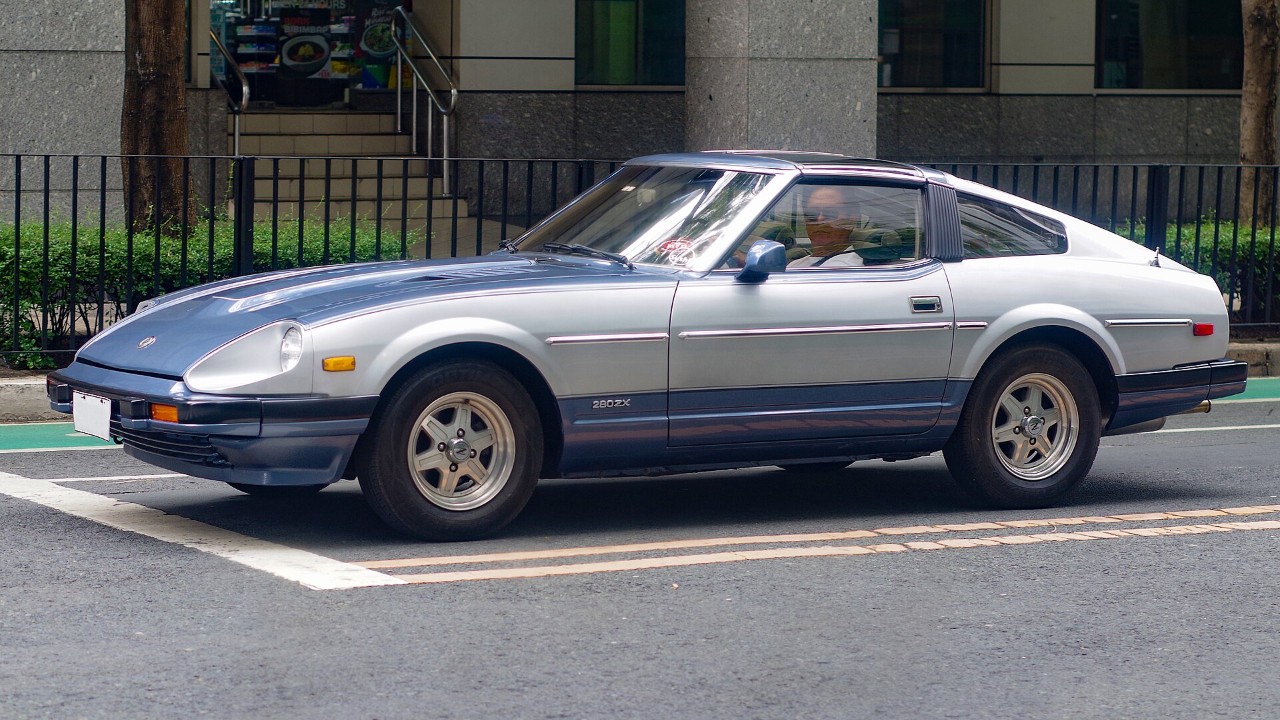
The 280ZX Turbo arrived in America for 1981, near the end of the Datsun badge. It took the softer, plusher ZX and gave it a real punch. A single Garrett turbocharger fed the 2,753 cc six, with boost held to about 6.8 psi.
According to Silodrome’s 280ZX Turbo profile, the result was 180 horsepower and 203 lb-ft. By comparison, the regular ZX made 145 horsepower and 156 lb-ft. Buyers could pick a three-speed automatic or a five-speed manual, though critics found the automatic slow. For the early ’80s, those were serious numbers from a Japanese coupe. In short, the Turbo turned Datsun’s cruiser into a real performance car without losing its comfort. That makes it the Z we’d pick for a long highway trip.
We think the Turbo is the most underrated Z car of all. Its wedge styling and T-bar roof scream 1981, and that’s exactly why it turns heads now. If you’re shopping, hold out for a five-speed. If you’d rather work on a Z yourself, our story on a mechanic modernizing a 1978 280Z shows how much can go wrong.
More from Fast Lane Only