Hybrid vehicles are gaining traction as more drivers seek greener and more fuel-efficient alternatives to conventional gasoline-powered cars. Yet, a hybrid might not suit every driver. Whether a hybrid aligns with your driving style largely depends on your habits and lifestyle. Let’s delve into the various aspects of hybrid vehicles to help you decide if they’re the right choice for you.
Understanding Hybrid Technology

Types of Hybrid Vehicles
Hybrid vehicles come in various types, each catering to different driving needs. Mild hybrids, like the Honda Insight, use a small electric motor to assist the gasoline engine, which enhances fuel efficiency but doesn’t allow for electric-only driving. Full hybrids, such as the Toyota Prius, can operate on electric power alone for short distances, thanks to larger batteries and more powerful electric motors. Plug-in hybrids, like the Chevrolet Volt, offer even greater electric-only range, as they can be recharged from an external power source, blending the benefits of electric and traditional vehicles.
The technological components of hybrids, including regenerative braking and electric motors, set them apart from conventional cars. Regenerative braking captures energy usually lost during braking and uses it to recharge the battery, improving efficiency. Electric motors provide seamless power delivery, particularly useful in city driving conditions where stop-and-go traffic is common.
Fuel Efficiency and Cost Savings
Hybrids often achieve superior fuel economy compared to traditional vehicles. For instance, the Toyota Prius boasts an impressive combined fuel economy rating of over 50 miles per gallon. This efficiency stems from the hybrid’s ability to utilize electric power at low speeds and employ gasoline engines more sparingly. Over time, drivers can appreciate significant savings on fuel costs, especially those with long daily commutes or those who frequently drive in urban environments.
Moreover, hybrids may benefit from various tax incentives, depending on the region. These incentives can offset the higher initial purchase price of a hybrid vehicle. For instance, in some areas, plug-in hybrids may qualify for federal tax credits, which can further enhance their financial appeal.
Driving Conditions and Environments

Urban vs. Rural Driving
Hybrids shine in urban settings where stop-and-go traffic is prevalent. The regenerative braking system and electric motor work in tandem to optimize fuel efficiency during short trips and frequent stops. For instance, a hybrid vehicle can switch to electric mode in slow-moving traffic, reducing fuel consumption and emissions. Conversely, in rural or highway settings, hybrids may rely more on their gasoline engines, though they still offer competitive fuel efficiency compared to traditional cars.
For those with longer commutes or who frequently travel on open highways, hybrids can still be a viable option. The transition between electric and gasoline power is designed to be seamless, ensuring a smooth driving experience without compromising performance.
Climate and Terrain Considerations
Extreme weather conditions can affect hybrid battery performance. Cold temperatures, for instance, may reduce battery efficiency, slightly impacting overall fuel economy. However, modern hybrids are equipped with advanced battery management systems designed to mitigate these effects, ensuring reliable performance across various climates.
Terrain also plays a role in hybrid efficiency. Hilly or mountainous regions may demand more from a hybrid’s gasoline engine, potentially reducing fuel savings. Yet, the regenerative braking system can recover energy when descending, partially offsetting increased fuel use during ascents. This balance helps maintain efficient performance even in challenging terrains.
Performance and Handling
Acceleration and Power
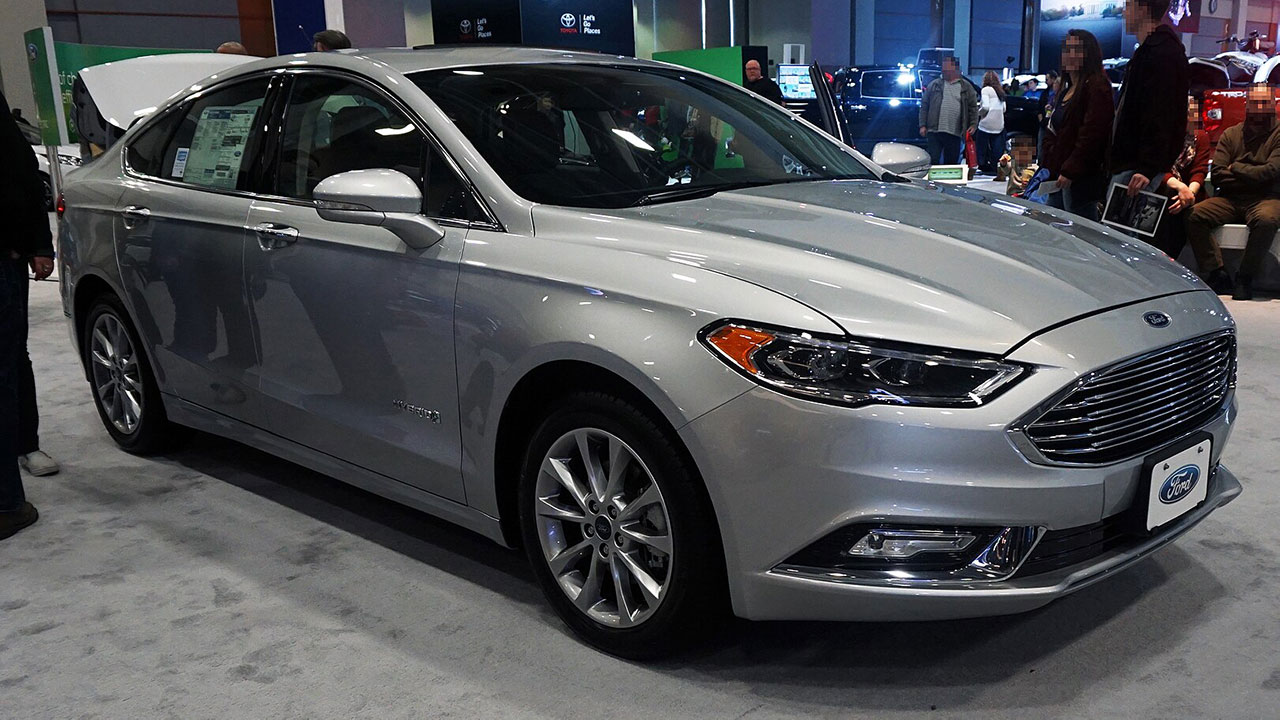
Hybrid vehicles offer a unique acceleration experience. The electric motor provides instant torque, delivering quick and smooth acceleration from a standstill, particularly useful in urban driving scenarios. For example, the Ford Fusion Hybrid accelerates efficiently, blending electric and gasoline power to provide a responsive driving experience.
While hybrids may not match the raw power of some traditional gasoline-powered performance vehicles, the integration of electric motors enhances their overall driving dynamics. The electric assistance helps hybrids maintain steady acceleration, making them suitable for everyday driving needs.
Handling and Ride Comfort
The weight distribution and handling characteristics of hybrids differ from traditional vehicles. The placement of the battery pack, often in the vehicle’s center, can lower the car’s center of gravity, enhancing stability and handling. While the additional weight of the battery pack may affect agility slightly, most drivers find the ride comfort and handling of hybrids to be satisfactory for daily use.
Hybrids are also known for their quieter ride, as the electric motor operates silently, especially at low speeds. This reduced noise level contributes to a more comfortable and serene driving experience, making hybrids appealing to those who value a peaceful ride.
Lifestyle and Practicality
Space and Cargo Considerations
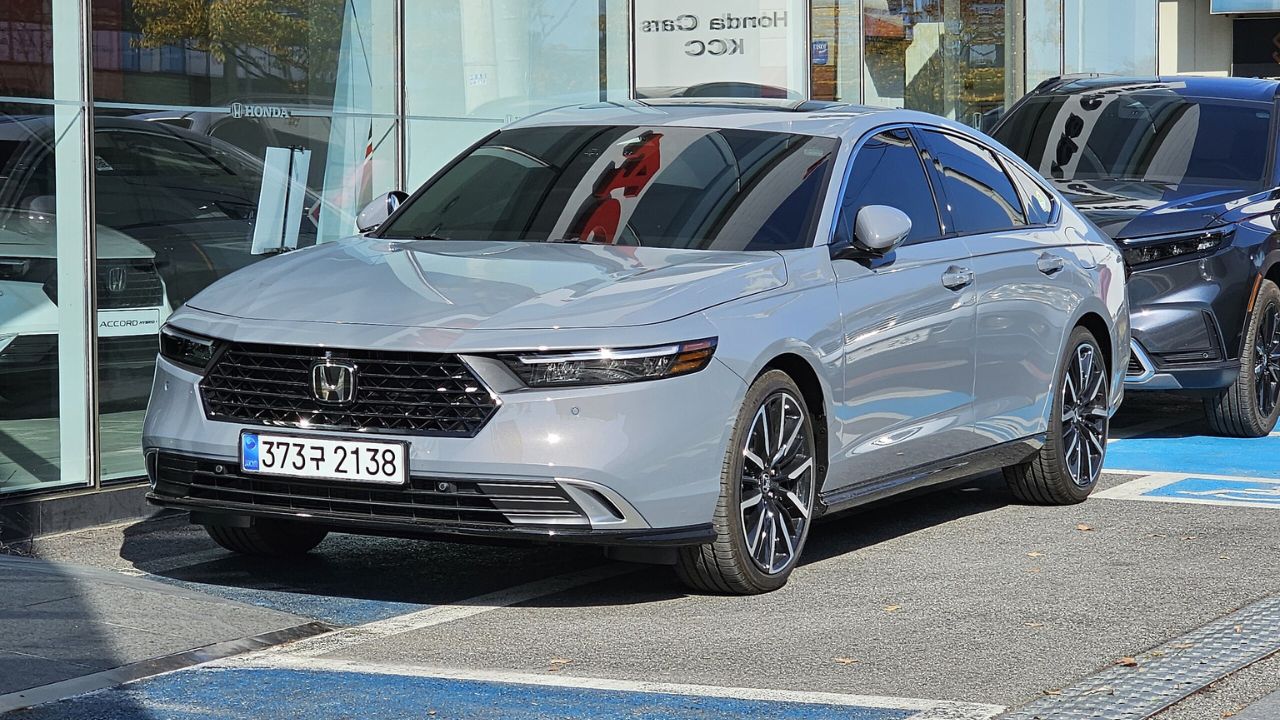
When comparing hybrids to their non-hybrid counterparts, interior space and cargo capacity are key considerations. While some hybrids, like the Honda Accord Hybrid, offer ample space akin to their gasoline-only versions, others may sacrifice trunk space to accommodate the battery pack. Potential buyers should evaluate their space needs to ensure a hybrid meets their lifestyle requirements.
The design compromises made to integrate hybrid technology can vary between models. Many manufacturers are increasingly focused on minimizing these compromises, striving to provide hybrid models that retain the functionality and practicality of traditional vehicles.
Charging and Energy Management
For plug-in hybrids, charging options add a layer of convenience. Owners can charge their vehicles at home using standard outlets or dedicated charging stations, which can be installed for faster charging. The ability to recharge at home or work is a significant advantage, particularly for drivers with short commutes who can operate primarily on electric power.
Concerns about battery life and replacement costs are common among potential hybrid buyers. However, manufacturers typically offer warranties on hybrid batteries for up to eight years or 100,000 miles, providing peace of mind. Additionally, advancements in battery technology continue to improve battery longevity and reduce replacement costs over time.
Future Trends and Developments
Advancements in Hybrid Technology
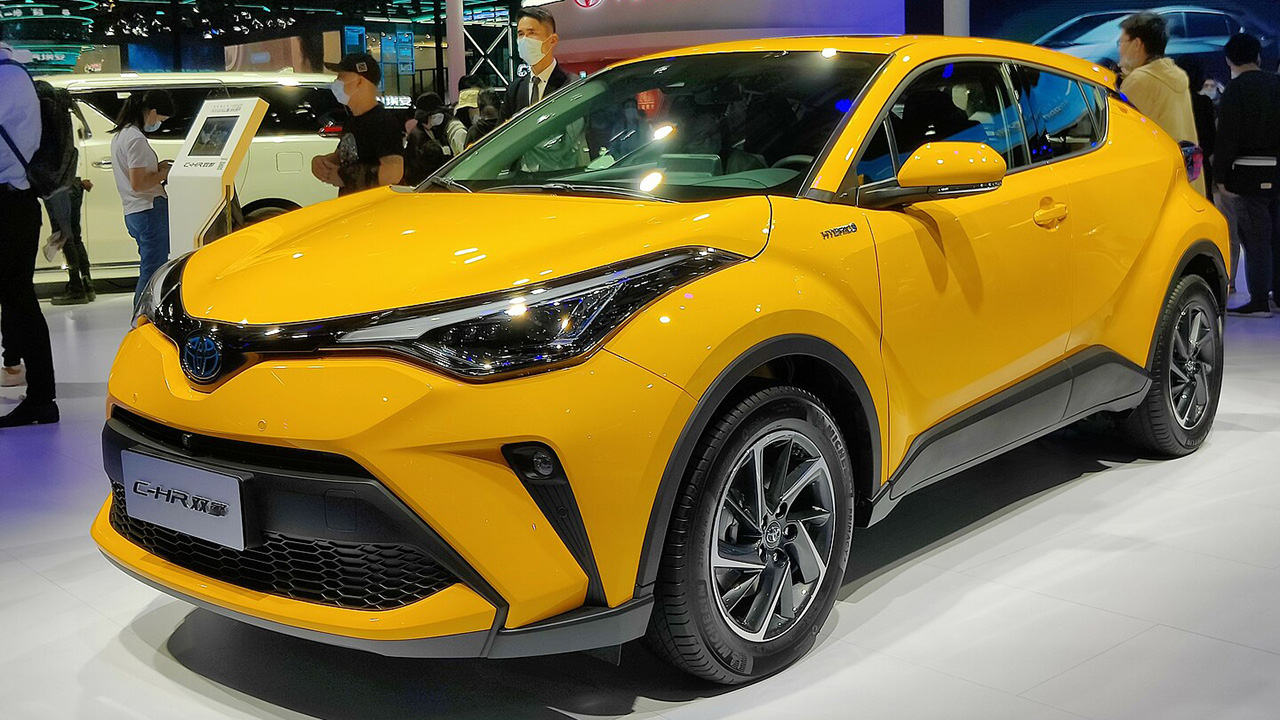
Hybrid technology continues to evolve, with recent innovations enhancing both performance and efficiency. For instance, Toyota’s next-generation hybrid systems promise even better fuel economy and reduced emissions. Such advancements are paving the way for more capable and versatile hybrid models, making them an attractive option for a broad range of drivers.
As the automotive industry transitions towards electrification, hybrids serve as a crucial bridge between internal combustion engines and fully electric vehicles. Their ability to combine electric and gasoline power offers a versatile solution for those not yet ready to transition to an all-electric vehicle.
Market and Consumer Preferences
Consumer preferences are shifting towards more environmentally friendly vehicle options, with hybrids playing a significant role. As government policies increasingly favor reduced emissions and fuel efficiency, hybrids are well-positioned to meet these demands. In regions with stringent emissions regulations, hybrids offer a practical alternative to traditional vehicles.
While fully electric vehicles continue to gain popularity, hybrids remain a strong contender, especially for those who prioritize flexibility and range without the need for frequent charging. As environmental concerns and policy shifts shape the automotive landscape, hybrids are likely to maintain their appeal among eco-conscious and practical-minded consumers.