Electric vehicles (EVs) and hybrids are at the forefront of the automotive industry’s shift towards sustainability. As consumers increasingly prioritize cost-effectiveness, understanding the financial benefits of each option is crucial. Delving into the cost savings associated with EVs and hybrids involves examining factors such as purchase price, maintenance, and fuel efficiency.
Initial Purchase Costs
The initial purchase price of electric vehicles (EVs) and hybrids often presents a significant deciding factor for potential buyers. On average, EVs tend to have a higher upfront cost compared to hybrids. For instance, the 2023 Tesla Model 3 starts at approximately $40,000, while the 2023 Toyota Prius, a popular hybrid model, begins at around $25,000. This price discrepancy is largely due to the cost of the battery technology that powers EVs.
However, government incentives and tax credits can help offset these costs. In the United States, federal tax credits of up to $7,500 are available for qualifying EV purchases. Some states offer additional credits; for example, California provides up to $2,000 in state incentives. Hybrids, on the other hand, often qualify for smaller incentives. These financial benefits vary widely depending on the region and specific model, making it essential for buyers to research local opportunities.
When considering the long-term financial impact, potential resale value is an important factor. Traditionally, hybrids have maintained better resale values than EVs, largely due to concerns about battery degradation over time. However, as battery technology improves and consumer acceptance of EVs grows, this gap is narrowing. Some models, like the Tesla Model S, have shown strong resale values, challenging the notion that EVs are less financially sound in the long run.
Fuel Efficiency and Energy Costs

The cost of electricity versus gasoline plays a crucial role in determining the cost savings of EVs and hybrids. Generally, charging an EV is more cost-effective than fueling a hybrid with gasoline. For example, charging a Nissan Leaf with an average electricity rate of $0.13 per kWh costs about $6 for a full charge, offering approximately 150 miles of range. In contrast, a hybrid like the Honda Accord Hybrid, which averages 48 MPG, would cost around $9 for the same distance at $3 per gallon of gasoline. Regional variations in energy prices can affect these calculations, but the overall trend favors EVs in terms of energy cost savings.
When comparing fuel efficiency metrics, hybrids are evaluated on miles per gallon (MPG), while EVs use miles per kilowatt-hour (kWh). The Toyota Prius, for instance, has an impressive 56 MPG, whereas the Chevrolet Bolt EV boasts about 3.9 miles per kWh. These metrics highlight the efficiency of each vehicle type, though actual savings depend on local fuel and electricity prices.
In the long run, EVs often provide greater fuel or energy savings than hybrids, particularly in regions with high gasoline prices. The absence of an internal combustion engine in EVs eliminates the need for gasoline, allowing drivers to potentially save thousands of dollars in fuel costs over the vehicle’s lifespan. Hybrids, while more efficient than traditional gasoline vehicles, do not offer the same level of savings, especially if gasoline prices rise further.
Maintenance and Repair Costs

One of the advantages of electric vehicles is their reduced maintenance needs compared to hybrids. EVs do not require oil changes, which are necessary for hybrids and traditional internal combustion engine vehicles. Routine maintenance for EVs typically involves checking and replacing fluids for systems such as brakes and windshield wipers. In contrast, hybrids still require regular oil changes and other engine-related maintenance tasks, adding to their overall upkeep costs.
Repair costs and frequency can vary significantly between EVs and hybrids. Generally, EVs have fewer moving parts, which translates to fewer potential points of failure. However, when repairs are needed, they can be costly, particularly if they involve the battery or specialized electronic components. Hybrids, while more complex than traditional vehicles, often face issues related to the dual powertrain system, which can lead to higher repair frequencies.
Battery life and replacement remain a common concern for both EV and hybrid owners. Most EV batteries are designed to last for many years, with warranties often covering up to 100,000 miles or eight years. Still, replacement costs can be high, with some estimates ranging from $5,000 to $15,000. Hybrid batteries, while typically less expensive to replace, also face degradation over time, potentially leading to replacement costs that affect long-term ownership expenses.
Environmental and Social Costs

The environmental impact of EVs and hybrids is a significant consideration for many buyers. EVs produce zero emissions during operation, contributing to a reduced carbon footprint compared to hybrids, which still rely on gasoline. However, the production of EV batteries involves resource-intensive processes that can offset some of these environmental benefits. Hybrids, while more efficient than traditional vehicles, still contribute to carbon emissions during use.
Social perception of EVs and hybrids continues to evolve, influencing their perceived and actual value. As EV charging infrastructure expands and becomes more accessible, public acceptance of these vehicles is increasing. Hybrids have long been seen as a practical compromise, offering improved efficiency without the range anxiety associated with some EVs. Nonetheless, as battery technology and range improve, EVs are becoming more attractive to a broader audience.
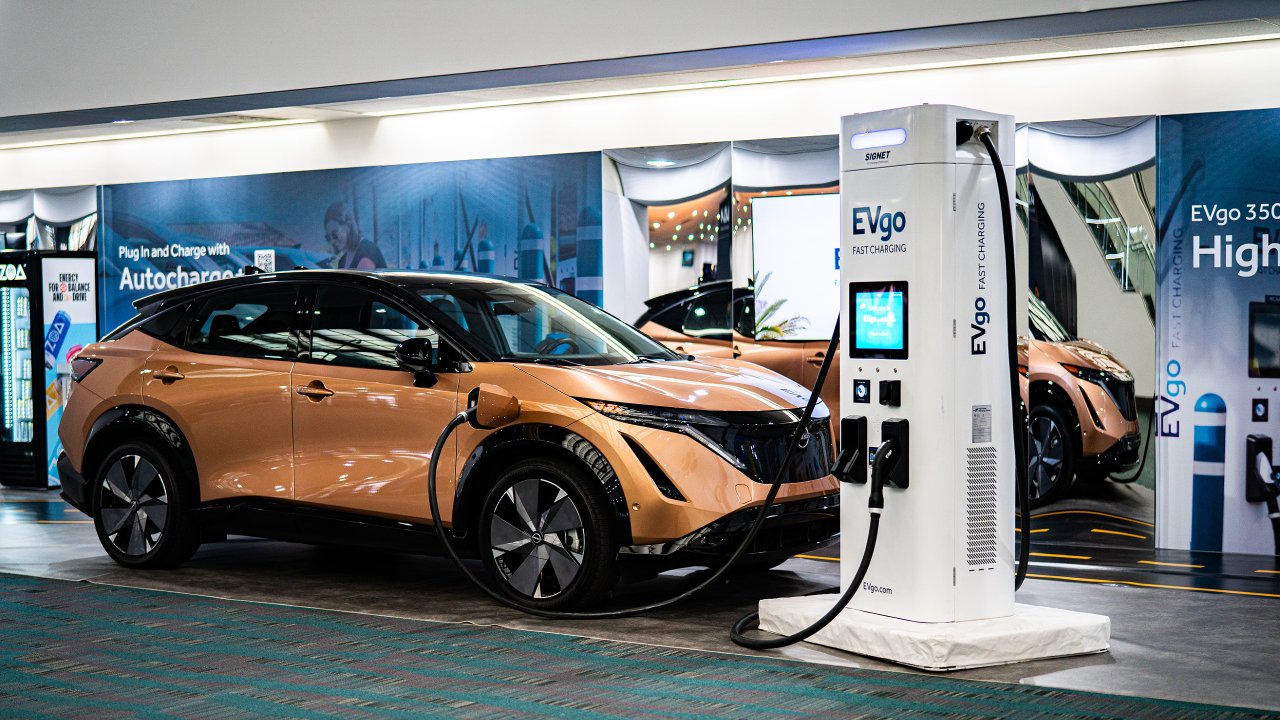
Infrastructure and accessibility are key to the practicality and cost savings of EV ownership. The availability of charging stations impacts how convenient and cost-effective it is to own an EV. Urban areas with a dense network of charging stations, like San Francisco or New York City, offer more opportunities for EV owners to charge their vehicles, enhancing their overall value proposition. Conversely, rural areas may still face challenges in this regard, potentially limiting EV adoption.
Future Trends and Predictions

Technological advancements are poised to further impact the cost savings associated with EVs and hybrids. Improvements in battery technology, such as solid-state batteries, promise greater energy density and faster charging times, potentially reducing both purchase and energy costs. Additionally, advancements in vehicle efficiency, such as regenerative braking systems and lightweight materials, may further enhance the appeal of both vehicle types.
Market shifts are also influencing the cost-effectiveness of EVs and hybrids. As more manufacturers enter the market and competition increases, prices for these vehicles are expected to decrease. This trend is likely to boost adoption rates, particularly as consumers become more aware of the long-term savings potential. Moreover, as the global focus on climate change intensifies, demand for sustainable transportation solutions is likely to grow.
Future government policies could significantly impact the financial attractiveness of EVs and hybrids. Potential initiatives might include increased incentives for EV purchases, stricter emissions regulations, or investments in charging infrastructure. As these policies evolve, they will shape the economic landscape for consumers considering these vehicles, potentially making them even more appealing as cost-effective transportation solutions.