The rivalry between the Dodge Charger and the Ford Torino was never just a matter of horsepower. It was a clash of shapes, strategies and street reputations that spilled from Detroit showrooms onto drag strips, suburban cruise nights, and high-banked NASCAR ovals. To ask which one “owned the streets back then” is to revisit how these two very different muscle machines tried to claim the same crown.
Both cars arrived in the late 1960s as the American performance boom hit full stride, and both were quickly pulled into racing programs that turned showroom models into cultural icons. Yet the Charger and the Torino carved out their legends in distinct ways, from sales numbers and styling to NASCAR rule changes and pop culture exposure.
Two muscle philosophies: Mopar drama vs Ford subtlety
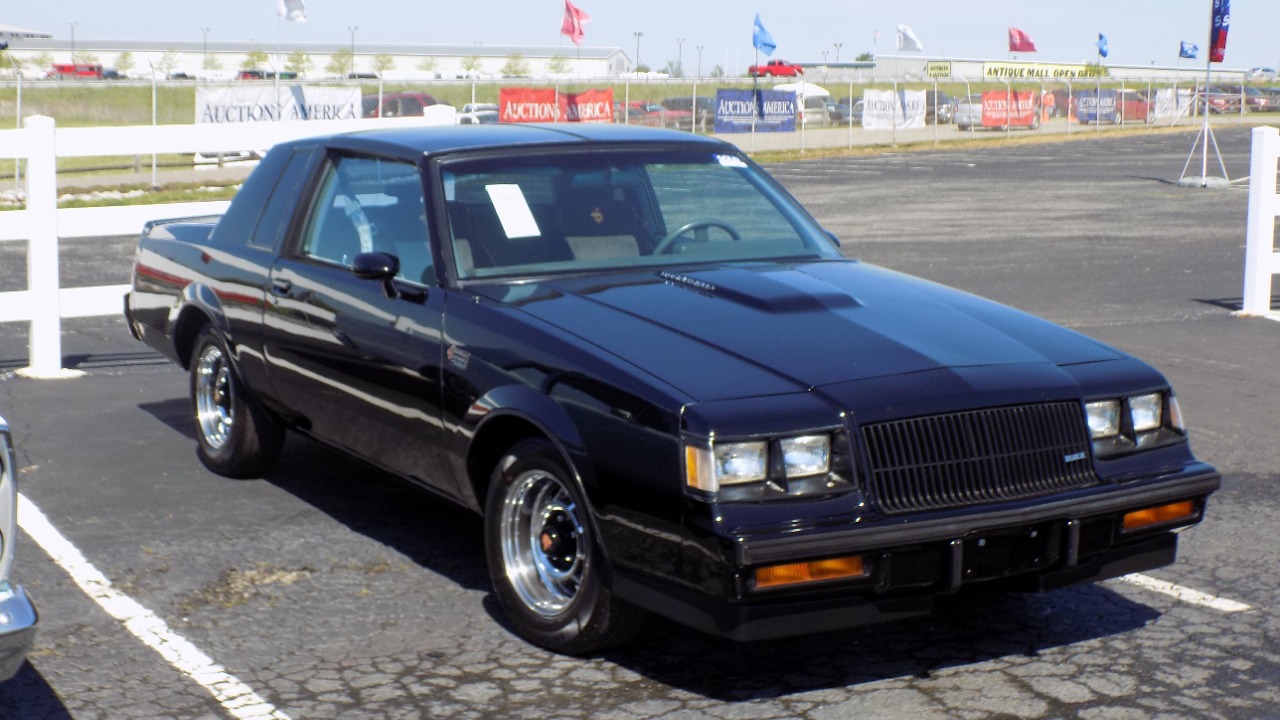
American muscle cars carried a particular swagger in the 1960s and 1970s, with legendary names such as the Pontiac GTO and the Buick GS Stage One defining the era for many enthusiasts. A social media tribute to these cars singles out how American icons set expectations for what a street performance car should be. Into that world stepped the Dodge Charger and the Ford Torino, each trying to answer the same question: how wild should a family-sized performance car look and feel?
The Dodge Charger leaned hard into drama. Long, low, and wide, it wore aggressive sheet metal that made even basic models look menacing. A later retrospective on beloved muscle cars describes the Dodge Charger as powerful and stylish, emblematic of the muscle era and associated with high speed. That image was reinforced by high-performance R/T versions and wild racing specials such as the Charger Daytona.
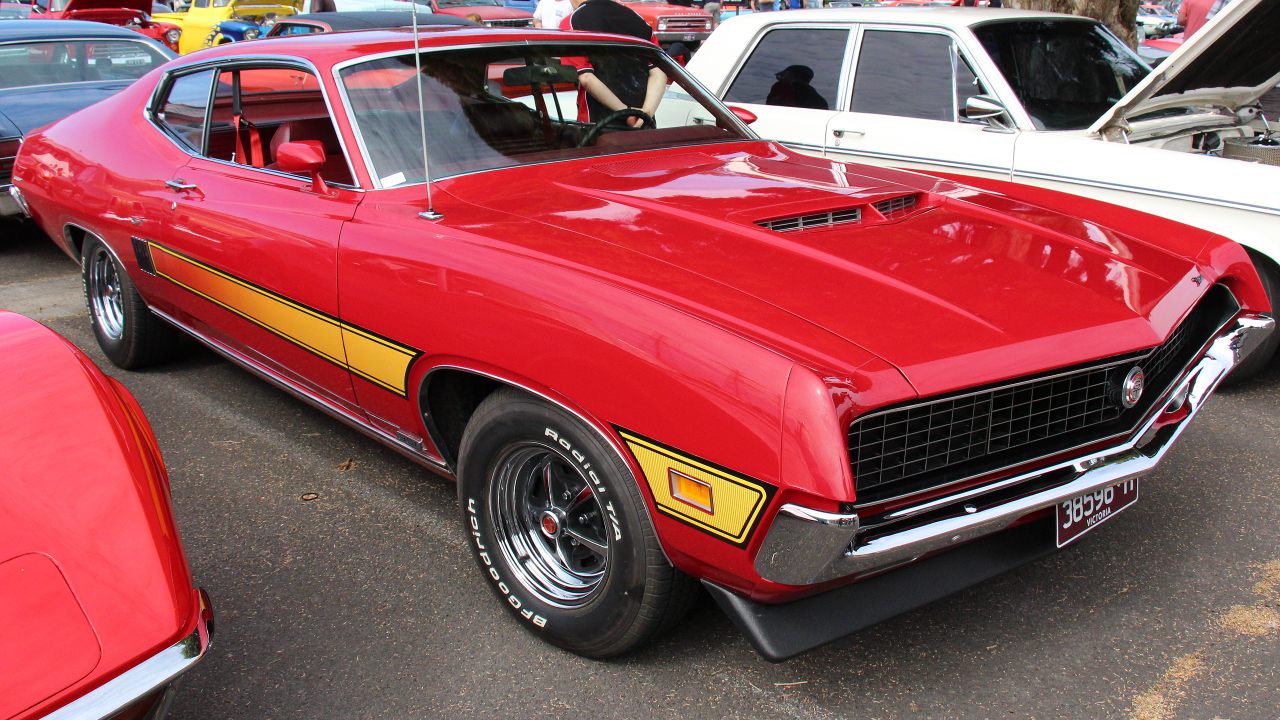
Ford took a different route. The Torino grew out of the Fairlane line and initially appeared as a more refined, mid-size performance car. A detailed video history explains how Ford introduced a vehicle that evolved into the Torino, with the sports Roof Cobra variant marketed as the hottest thing on the road. The name “Roof Cobra” captured Ford’s focus on sleek fastback shapes and big-block power, but the overall package still looked more understated than a Charger to casual observers.
Sales and the forgotten Ford advantage
On paper, the Torino often had the numbers that should win any argument about street presence. A detailed review notes that Ford’s Torino, described explicitly as Ford Torino, made a strong start in 1968 by selling more than 100,000 units into a market hungry for affordable performance. That figure, cited as “100,000 units,” shows that the car was hardly a niche experiment.
Another analysis of Ford’s big-block strategy points out that the Torino often undercut its more famous sibling on price. It notes that the Torino was considered Ford’s most affordable muscle car of the 1960s and that Torino sold even better than the Mustang in some years, with almost half a million Torinos built in 1972 alone. That production scale meant that in many neighborhoods, a Torino was more common than enthusiasts now remember.
Yet despite those numbers, Torino’s image faded. A dedicated video on why the Torino is often forgotten highlights the sports Roof Cobra as a top-tier model, again referring to the Roof Cobra and its premium positioning. The car was fast and stylish, but its more restrained styling and Ford’s broader lineup meant it blended into the family-car background once the muscle era cooled.
Charger charisma and the “Unknown Story” mystique
The Charger took a different path to legend status. A fan page post titled “Unknown Story About Dodge Charger” frames the car’s history as a tale of evolution and comparison with the Dodge Challenger, stressing how the model kept adapting while retaining its core identity. The post describes Unknown Story About as a way to revisit how the Dodge Charger moved from classic muscle to later generations without losing its aura.
That aura came from more than just styling. Enthusiast commentary on a comparison between a 1969 Ford Torino Cobra and a 1969 Dodge Charger R/T captures how Mopar fans viewed the car at the time. One discussion highlights the 69 Charger RT as the benchmark, with some fans claiming that “Nothing short of other mopars was as powerful as other mopars.” Descriptions such as “Great Look” and “Fun” show how owners remembered the Charger as both a street predator and a desirable cruiser.
The Charger also benefited from being cast as a star. While the provided sources focus on racing and enthusiast commentary rather than specific TV or film appearances, the broader coverage of The Dodge Charger as emblematic of the muscle era supports the idea that the car’s shape and image stuck in the public mind more firmly than the Torino’s.
Aero Wars: Daytona vs King Cobra
On the high banks, the rivalry between these two nameplates turned into an engineering arms race. In NASCAR’s late-1960s aero wars, Dodge and Ford pushed the rules to the limit with radical bodywork designed for sheer speed. A short video on Daytona vs Talladega recounts the story of two cars that were so fast NASCAR could not handle them, specifically referencing Jan, NASCAR, the Charger, the Daytona, and the Torino in a comparison of extreme speed machines.
The Charger Daytona, often simply called The Charger Daytona, arrived with a towering rear wing and a pointed nose. A detailed feature on aerodynamic specials describes the Charger Daytona wing car as an absolute force and sets it against Ford’s response, the Yellow Ford Torino King Cobra. That piece portrays the King Cobra as Ford’s Superspeedway Snake, a front-heavy, wind-cheating Torino prototype that appeared in bright yellow and is associated with Mecum Auctions in later coverage. The phrase Yellow Ford Torino King Cobra underlines how far Ford was willing to go to keep up with Dodge on superspeedways.
Another retrospective on NASCAR’s aero era explains that manufacturers shaped these bodies so their wind-cheating forms would be legal for racing. Under NASCAR rules, companies had to sell a certain number of each special model to the public. That requirement is what put cars like the Charger Daytona and the Torino-based King Cobra on the street, at least in small numbers, and gave them an almost mythical status among fans.
The rivalry between tracks also mattered. In a separate reel, the comparison of Daytona and Talladega is framed as The Ultimate NASCAR Rivalry, with Jan and a Fair Use Disclaimer. This is noted in the description. Daytona and Talladega became shorthand for speed records and rule changes, and the Charger and Torino were the faces of that battle. When NASCAR eventually tightened rules to rein in these aero cars, it cemented their reputation as too fast for comfort.
Street matchups: 1971 Charger vs Torino 500
Beyond the exotic aero specials, real-world buyers often cross-shopped more conventional versions of these cars. A period comparison test of a 1971 Dodge Charger, a Ford Torino 500, and a Chevrolet rival described the 1971 Dodge Charger as a real threat to the competition, with a unique approach to tailoring cars to different tastes. The video notes that for 1971, the Dodge Charger presented a serious challenge, and that the company offered multiple trims to cover everything from budget-conscious drivers to high-performance enthusiasts.
The same test positioned the Ford Torino 500 as a more conservative alternative, often chosen by buyers who wanted V8 power without the overt aggression of a Charger. That dynamic mirrored what was happening in showrooms across the country. The Charger attracted attention from younger drivers and image-conscious buyers, while the Torino often landed in driveways where practicality still had a say.
By the early 1970s, both models were already adapting to changing regulations and insurance pressures. Engines were detuned, and styling shifted toward heavier bumpers and more comfort features. Yet even in that environment, the Charger tended to be marketed as the bolder choice, while the Torino’s identity blurred as it moved closer to mainstream family-car territory.
Forgotten muscle vs enduring icon
Modern coverage often describes the Torino as Ford’s forgotten muscle car. The repeated references to the sports Roof Cobra and the effort to explain why the model slipped from memory show how enthusiasts are still trying to restore its reputation. The fact that Torino sold so strongly, with almost half a million Torinos built in a single year, underlines how dramatic that fade has been.
The Charger, by contrast, rarely needs rescuing from obscurity. The discussion of the Dodge Charger in muscle car retrospectives, its presence in fan pages that tell the Unknown Story About Dodge Charger and the continued interest in the Charger Daytona and related NASCAR lore all keep the name in circulation. Even when later generations moved away from pure muscle formulas, the badge carried enough weight to survive.
In cultural terms, that difference matters when asking which car “owned the streets.” Ownership is not just about how many cars were sold or how many races were won. It is also about which name people remember decades later when they think about burnouts, big-block rumble and late-night runs on half-lit highways.
So which one really ruled?
On sheer presence, the Charger has a strong claim. It is the car more often framed as emblematic of its era, as seen in coverage that calls The Dodge Charger powerful and stylish and ties it to extreme top speeds. Enthusiast debates that center on the 69 Charger RT as the standard of power, along with stories that describe Nothing else on the road as comparable except other Mopars, show how the car dominated the imagination of performance fans.
On the other hand, the Torino’s case rests on ubiquity and value. With 100,000 units sold in its first major year and almost half a million Torinos produced in 1972 alone, it arguably put more big-block power in more driveways. The sports Roof Cobra versions and the Yellow Ford Torino King Cobra concept show that Ford was not shy about chasing performance, even if the broader Torino lineup leaned toward subtlety.
If the question is which car felt like it owned the boulevard on a Friday night, the Charger’s styling, NASCAR heroics with the Charger Daytona and the enduring fascination captured in the Unknown Story About Dodge Charger give it the edge. If the question is which car quietly filled the streets in larger numbers, the Torino’s sales figures and role as Ford’s most affordable big-block option suggest it was the more common sight.
The honest answer is that both cars ruled in different ways. The Dodge Charger owned the spotlight, the posters, and the legends told decades later. The Ford Torino owned the daily reality of American roads, especially in its peak years when Torinos outnumbered Mustangs in production. Together, they capture the split personality of the muscle era: one part loud and unforgettable, one part practical but still potent, both forever linked in the memory of anyone who watched Jan NASCAR broadcasts from Daytona and Talladega or lined up at a stoplight wondering which badge would pull ahead.
More from Fast Lane Only