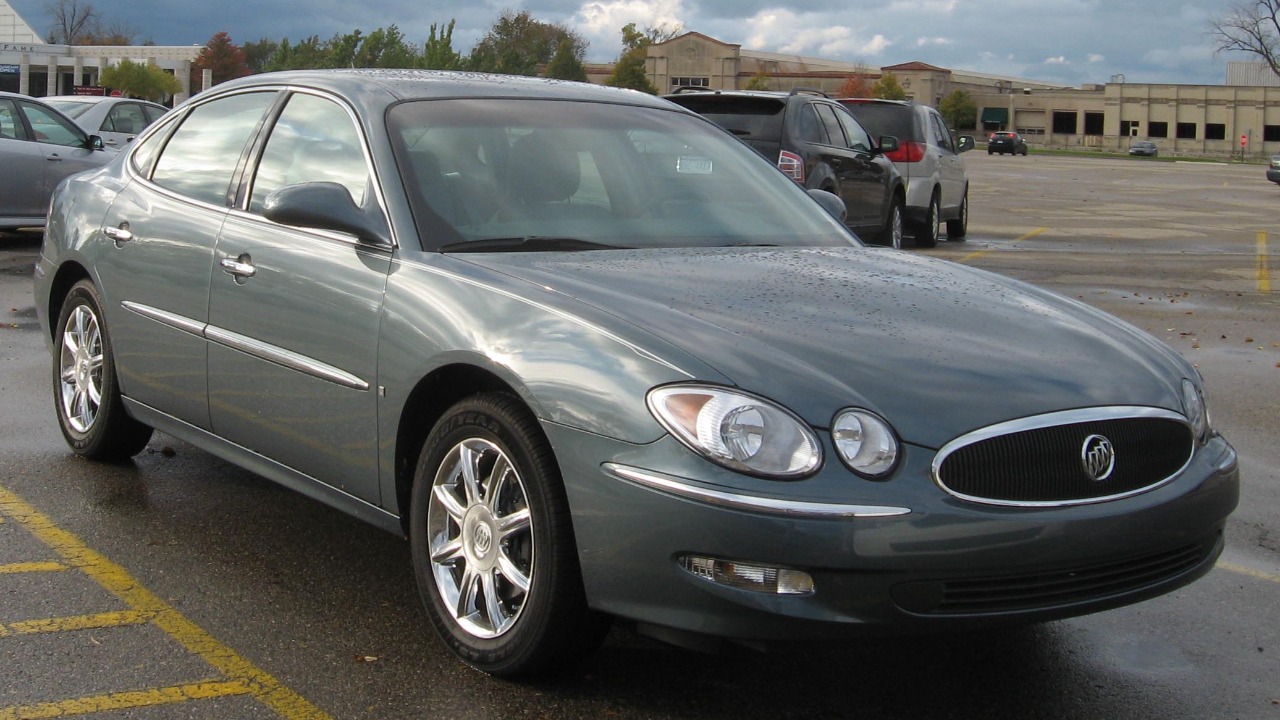
It started like one of those “everything’s fine” weeks. New wheels, fresh look, smooth ride, and not a single weird vibration on the commute. Then, while crossing a set of railroad tracks at normal city speed, one wheel suddenly came loose—turning an ordinary drive into a white-knuckle scramble to pull over safely.
The driver described it as a sharp jolt followed by a loud clunking sound and an immediate feeling that the car wasn’t tracking straight. “It felt fine for a week,” he said, still sounding a little surprised that something so dramatic could come out of nowhere. The car didn’t roll, and nobody was hurt, but the incident left a lot of people asking the same question: how does a wheel feel normal… right up until it doesn’t?
A normal week, then a very loud problem
According to the driver, the wheels had been installed recently, and the first several days were uneventful. No shakes at highway speed, no pulling to one side, no odd noises in turns—basically the boring, reassuring stuff you want after new parts go on. He said he drove the car daily and didn’t notice anything off.
That changed the moment the tires hit the railroad crossing. The bump wasn’t described as extreme, just the kind of thump most drivers barely register. But immediately after, he heard what sounded like metal knocking metal, and the steering started to feel unstable, as if the car was trying to “walk” sideways.
He managed to get the vehicle to the shoulder and stop without causing a crash. When he got out to look, one wheel was visibly out of place—loose enough that it wasn’t seated properly against the hub. If you’ve ever had a shopping cart wheel wobble in a grocery store aisle, imagine that, but with a couple thousand pounds of car attached.
What “broke loose” usually means in real life
When people hear “a wheel broke loose,” it sounds like something snapped in half. More often, it’s not the wheel itself failing, but the connection between the wheel and the vehicle—typically the lug nuts, wheel studs, or how the wheel seats against the hub. In plain terms: the wheel didn’t stay clamped tightly where it’s supposed to be.
A wheel is held on by clamping force, not by the studs “carrying” the load like hooks. The lug nuts (or bolts, depending on the car) pull the wheel tight against the hub, and friction does most of the work. If that clamping force drops—because hardware loosened, wasn’t torqued correctly, or the wheel wasn’t seated cleanly—the bumps you normally shrug off can turn into a problem fast.
Railroad tracks are a perfect stress test because they deliver a quick, sharp impact. That impact can momentarily reduce pressure at the mounting surface, especially if the wheel wasn’t fully seated or the torque wasn’t right. It’s not that the tracks “ripped the wheel off,” but they can be the moment the issue finally shows itself.
Common reasons newly installed wheels can loosen
There are a few usual suspects that mechanics point to when something like this happens. One is incorrect torque—either too little, which allows movement, or too much, which can stretch studs or damage threads. Another is skipping the re-torque after a short break-in period, which many shops recommend after new wheels are mounted.
There’s also the hardware mismatch problem, and it’s sneakier than people expect. Aftermarket wheels often require specific lug nuts with the right seat shape (cone, ball, or flat) and the correct length and thread pitch. If the lug seat doesn’t match the wheel, it might feel tight at first but won’t clamp correctly, which can lead to loosening over time.
Even something as simple as debris between the wheel and hub—rust scale, dirt, old adhesive from wheel weights—can prevent full contact. The wheel can settle as it’s driven, and that settling can reduce the clamping force you thought you had when everything was tightened down. It’s like tightening a jar lid over a crumb; it feels closed, until it isn’t.
The “it was fine for a week” part actually makes sense
It’s tempting to think a wheel issue would show up immediately, like five minutes after leaving the shop. But loosening can be gradual, and the early signs can be subtle or easy to miss. A tiny shift at the mounting surface can grow with each drive cycle, especially with heat changes, braking loads, and potholes.
That’s why many installers recommend checking torque after 50–100 miles, particularly with new wheels. The initial heat cycles and small seating adjustments can change things just enough to matter. It’s not a sign the wheels are “bad,” just that mechanical connections sometimes need a second look once everything has settled into place.
In this case, the tracks likely didn’t start the problem, they just exposed it. Think of it like a loose shelf bracket that holds for days—until someone sets down a heavy bag in exactly the wrong spot.
What drivers should watch for after wheel installation
If you’ve just had wheels installed, there are a few red flags that are worth taking seriously. New vibrations that weren’t there before, clicking or clunking near a corner of the car, or a steering wheel that suddenly feels off-center can all be hints. Even a faint “ticking” that changes with speed can be a lug nut that’s not staying put.
A quick visual check can help, too. If you notice missing lug nuts, exposed studs that suddenly look longer, or a wheel that doesn’t sit evenly in the wheel well, don’t drive it “just a little farther.” The safest move is to stop and get it towed or tightened by someone with the right tools and torque specs.
And yes, that means using a torque wrench, not a heroic leap on a tire iron in the driveway. Tight is not the same as correctly torqued, and “I really cranked it” isn’t a measurement anyone can verify later.
What shops typically do after an incident like this
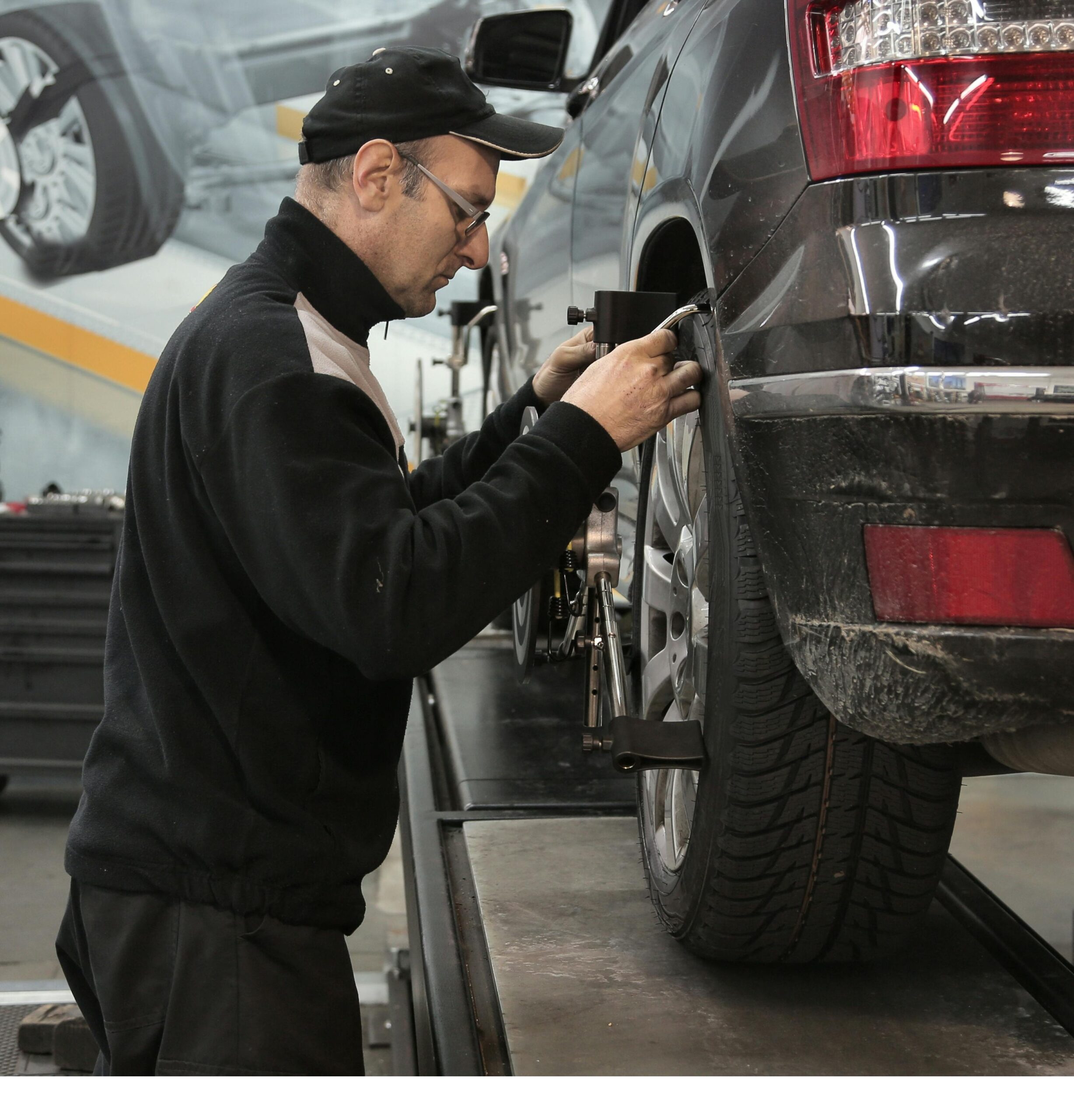
When a wheel comes loose, a good inspection usually goes beyond simply re-tightening everything. Technicians will check for damaged studs, stretched threads, cracked lug seats, and any ovaling or wear around the wheel’s bolt holes. They’ll also examine the hub face and rotor hat for damage caused by the wheel moving while partially attached.
If the wheel was driven while loose, even briefly, parts can get chewed up quickly. The safest fix may involve replacing studs and lug nuts, and sometimes the wheel itself if the mounting holes are damaged. It’s also common to check bearings and suspension components on that corner, since impacts and abnormal loads can travel.
One practical takeaway shops often emphasize is documentation: the correct torque spec for that vehicle and the correct lug hardware for that wheel. If the wheels are aftermarket, verifying the seat type and whether hub-centric rings are required can prevent repeat problems.
A scary reminder that “new” doesn’t automatically mean “set and forget”
The driver said he’s thankful it happened at a manageable speed and not on the highway. He also said he’s now a believer in re-torquing after new wheels—something he’d heard about but didn’t fully appreciate until the wheel made its opinion known. It’s the kind of lesson you’d rather learn from someone else’s story, honestly.
If there’s a silver lining, it’s that this kind of incident usually leaves clues and can be prevented with the right hardware, clean mounting surfaces, and proper torque checks. Wheels shouldn’t come loose, and most of the time they don’t. But when a simple bump over railroad tracks turns into a roadside stop, it’s a good reminder that the smallest details are sometimes the ones holding the whole ride together.
More from Fast Lane Only
- Unboxing the WWII Jeep in a Crate
- 15 rare Chevys collectors are quietly buying
- 10 underrated V8s still worth hunting down
- Police notice this before you even roll window down
*Research for this article included AI assistance, with all final content reviewed by human editors.