A routine errand turned into a small financial mystery for Mark Reynolds, a local driver who says a parking meter app billed him twice for the same short stop downtown. He insists he parked once, paid once, and left on time, yet his bank statement shows two separate charges minutes apart. “It’s not like I was trying to beat the system,” Reynolds said. “I was literally trying to do the right thing.”
The charges weren’t huge, but they were annoying in that very modern way—too small to feel like an emergency, too weird to ignore. Reynolds says he noticed the duplicate billing later that night while checking his account. “I thought maybe I’d bought a coffee,” he said, “but then I saw it was the parking app. Twice.”
A quick park, a quick pay, and a not-so-quick surprise
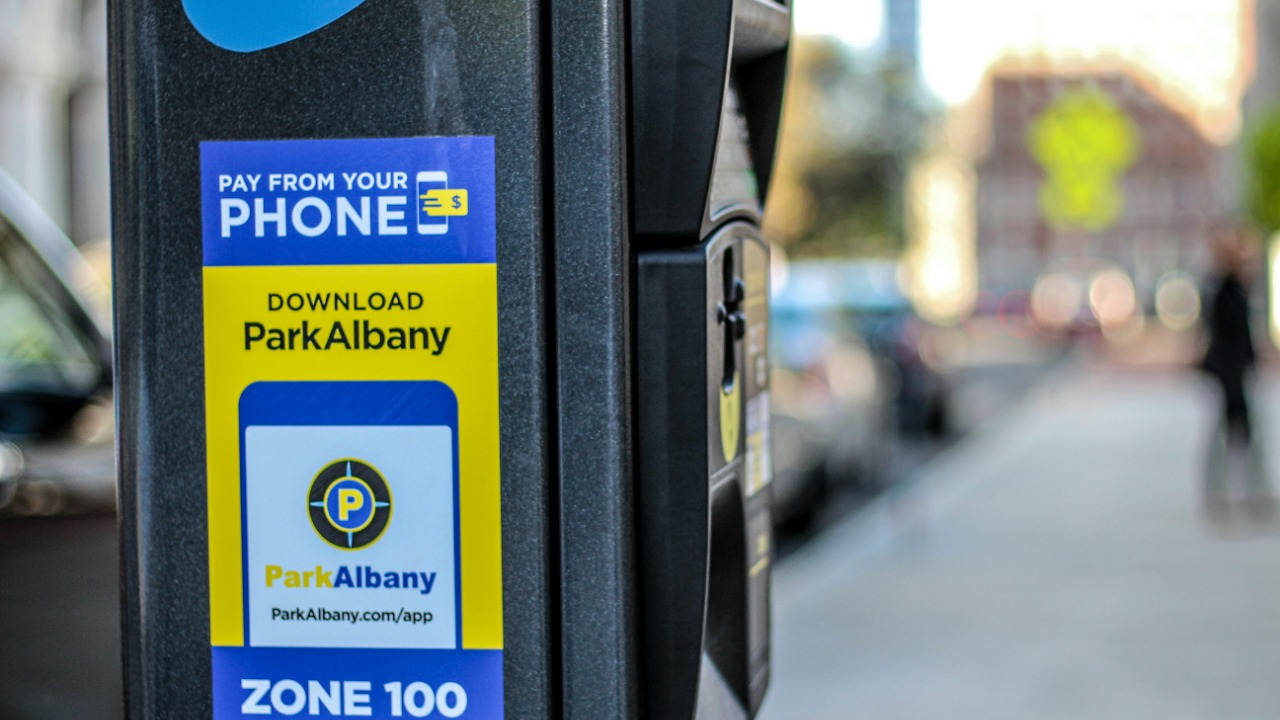
Reynolds says the incident happened on a weekday afternoon when he stopped near a row of metered spots to pick up a prescription. He used the city’s parking app, entered the zone number, selected 30 minutes, and confirmed the purchase. The app showed the session running normally, so he walked away thinking he was covered.
When he returned about 20 minutes later, he says there was no ticket on his windshield and no sign anything had gone sideways. The surprise came later: two charges for the same area, both labeled as parking, both for similar amounts, and both close together in time. “It’s not like I extended my time,” he said. “I didn’t even open the app again.”
What the receipts show
Reynolds shared screenshots of his payment history that show two transactions on the same date, with timestamps within minutes of each other. One appears to match the session he remembers starting; the other doesn’t list a new zone or a different duration, just another paid parking entry. “It reads like I parked twice, which is impressive considering I only have one car,” he joked.
He says he checked the app’s active session screen right after he saw the charges, half-expecting to find two sessions running at once. By then, the parking session had already expired, leaving him with a record but no easy way to “stop” anything. “It’s like trying to argue with a vending machine after you’ve walked away,” he said.
Customer support: helpful, but not instant
Reynolds filed a support request through the app’s help section and also sent an email with screenshots attached. He says he received an automated response acknowledging the complaint but didn’t get an immediate explanation. “I’m not mad at the person on the other end,” he said. “I just want to know how this happens and get the extra charge reversed.”
In a brief statement, a spokesperson for the app provider said the company “encourages users to contact support if they suspect a duplicate transaction” and that it can “review session logs and payment records to verify billing issues.” The company didn’t address Reynolds’ specific case, citing privacy, but said duplicate charges can sometimes be tied to “connectivity interruptions” or “payment authorization processes” that don’t finalize cleanly on the first attempt.
How a double charge can happen (even if you didn’t do anything “wrong”)
Payments inside apps can be a little messier than they look on the surface. One common culprit is a shaky data connection: if the app sends a payment request and your phone briefly loses signal, you might hit “confirm” again thinking it didn’t go through. Sometimes the first request actually did go through, and now you’ve unintentionally created a twin.
Another possibility is the difference between an authorization and a final charge. Some systems place a temporary hold first, then convert it into a finalized transaction. Most of the time it all sorts itself out, but on occasion a hold can look like a second charge until it disappears or gets reversed.
There’s also the “session restart” scenario, where a user begins parking, closes the app, and later reopens it to check on time—only to accidentally start a new session instead of viewing the existing one. Reynolds says that’s not what happened here, but it’s one reason support teams usually ask for timestamps, zone numbers, and receipts before deciding what went wrong.
Why it matters more than the dollars
Even a small duplicate charge can feel like a bigger problem because it hits a sensitive spot: trust. Parking apps are supposed to remove the stress of scrambling for quarters or sprinting back to the meter like you’re in an action movie. If people worry the app might double-bill them, they’re more likely to avoid using it—or to hesitate at the curb while a line forms behind them.
Consumer advocates often point out that “small” billing issues add up, especially when they’re hard to dispute. A five-dollar error isn’t just five dollars; it’s also the time spent hunting through transactions, writing support emails, and wondering if it’ll happen again. “I don’t want to become a parking detective,” Reynolds said. “I just want to park.”
What drivers can do if it happens to them
If you see what looks like a duplicate charge, the first step is to check whether one of the entries is marked “pending.” A pending authorization often drops off within a few days, especially if it’s a temporary hold rather than a settled transaction. If both charges have posted, that’s when it’s worth contacting the app provider with screenshots and as many specifics as possible.
It also helps to pull up the app’s session history, not just your bank statement. Session records can show whether the system thinks you started two separate parking events or whether the payment processor duplicated a transaction behind the scenes. And if customer support is slow to respond, you can ask your card issuer about disputing one of the charges, though that route can sometimes freeze the merchant relationship or complicate refunds.
The city’s role and what could change
Parking apps are often run by private vendors under contract with cities, which means responsibility can feel a bit spread out. The city sets the rules and collects revenue, but the app company manages the user experience and payment flow. Some transportation officials say they track complaint patterns, especially if multiple users report the same glitch.
Reynolds says he’d like to see a clearer in-app warning when a payment request is still processing, plus an easy way to confirm whether a session is already active before starting another one. “Even a little ‘You’re already parked here’ message would be nice,” he said. In the meantime, he’s keeping receipts—because apparently, in 2026, the simplest part of driving might be remembering where you left your car, not whether your phone paid twice for the privilege.
More from Fast Lane Only