If you’ve been on a highway lately, you’ve probably noticed a new kind of nervous energy in the fast lane. Drivers are swapping stories about “random” tickets and wondering if something changed overnight. The habit they keep mentioning is simple: riding in the left lane without actively passing.
It’s the kind of thing a lot of people do without thinking—especially on long, straight stretches where traffic feels light. But in a growing number of places, officers are treating left-lane cruising as a real, ticketable offense. And yes, that includes drivers who aren’t speeding.
What drivers say is getting them pulled over
The common thread in these stories is surprisingly mundane: someone settles into the left lane, sets a comfortable pace, and stays there. Maybe they’re going a little over the limit, maybe they’re exactly at it. Either way, they’re not passing anyone for a while.
Then comes the lights. Some drivers report being told they were “impeding traffic” or violating a “keep right except to pass” rule. A few are shocked because, in their mind, they weren’t doing anything aggressive—just driving steadily.
Why this is suddenly on law enforcement’s radar
In many states, “move over” and “keep right” laws have been on the books for years, but enforcement can be sporadic. What feels new is the attention: more targeted patrols, more public messaging, and more stops tied specifically to lane use. It’s not that the rule was invented yesterday—it’s that it’s being used more often.
Departments often point to the same reason: left-lane camping creates bottlenecks and triggers risky behavior. When one car sits in the passing lane, faster traffic stacks up behind it, and people start weaving right to pass. That’s when you get the near-misses everyone hates.
The big misconception: “But I’m going the speed limit”
This is the part that trips people up. In a lot of jurisdictions, the left lane isn’t “the fast lane” so much as it’s the “passing lane.” So even if you’re doing the posted speed limit, you can still be expected to move right when you’re not actively overtaking a vehicle.
To be clear, that doesn’t mean anyone else gets a free pass to tailgate you or drive recklessly. But it does mean an officer can view left-lane cruising as obstructing the normal flow of traffic. And in real-world traffic, “flow” often ends up being faster than the number on the sign—fair or not.
How the laws usually read (and why they’re confusing)
The wording varies, which is part of why this feels like a gotcha. Some states explicitly say “keep right except to pass,” while others ban driving “continuously” in the left lane or prohibit “impeding” the left lane when you’re going below the speed of surrounding traffic. A few states apply the rule only on highways with certain speed limits or only where signs are posted.
That’s why two drivers can have completely different expectations depending on where they learned to drive—or where they drove last weekend. If you’re used to a metro area where everyone treats the left lane like a normal travel lane, a rural stretch with strict passing-lane enforcement can feel like a trap. It’s not, but it can feel that way in the moment.
What’s different now: signs, cameras, and “lane discipline” campaigns
Drivers also point to more signage: “Left Lane for Passing Only,” “Slower Traffic Keep Right,” and “Keep Right Except to Pass” signs popping up in places that didn’t have them before. More signs don’t automatically mean more tickets, but it often signals a renewed focus. Some agencies run short enforcement campaigns—kind of like seatbelt blitzes—where they concentrate stops on a specific behavior.
It’s also worth noting that modern traffic enforcement has more eyes than it used to. Better dash cams, wider use of aircraft patrol in some regions, and improved coordination between units can make it easier to spot lane-blocking patterns. Even when you don’t see a cruiser, you might still be on someone’s radar.
How to tell if you’re “camping” the left lane
A good rule of thumb: if cars are stacking up behind you and the lane to your right is open, it’s time to move over. If you haven’t passed anyone in, say, a minute or two, you’re probably not using the lane the way the law intends. And if you’re matching the speed of the car beside you, congratulations—you’ve accidentally created a rolling roadblock.
Another clue is your own driving habits. If you get in the left lane early because you “might” pass someone eventually, that’s the exact pattern officers describe when they talk about left-lane blocking. The passing lane is more like a tool you use briefly, not a place you settle in for the next ten exits.
Quick, practical ways to avoid a ticket (and keep traffic calmer)
Use the left lane like a passing lane: move left, pass, move right. If you’re passing a line of cars, that’s fine—just keep the pass going and slide back over when there’s a safe gap. You don’t have to dart around; you just don’t want to linger.
Also, don’t “police” the speed of others. It’s tempting to think, “I’m already at the limit, so nobody should be behind me anyway.” But officers often focus on the behavior that’s causing a backup, not on whether you’re personally driving “reasonably.” Moving right costs you basically nothing and lowers the odds of someone doing something dumb to get around you.
What to do if you do get pulled over for it
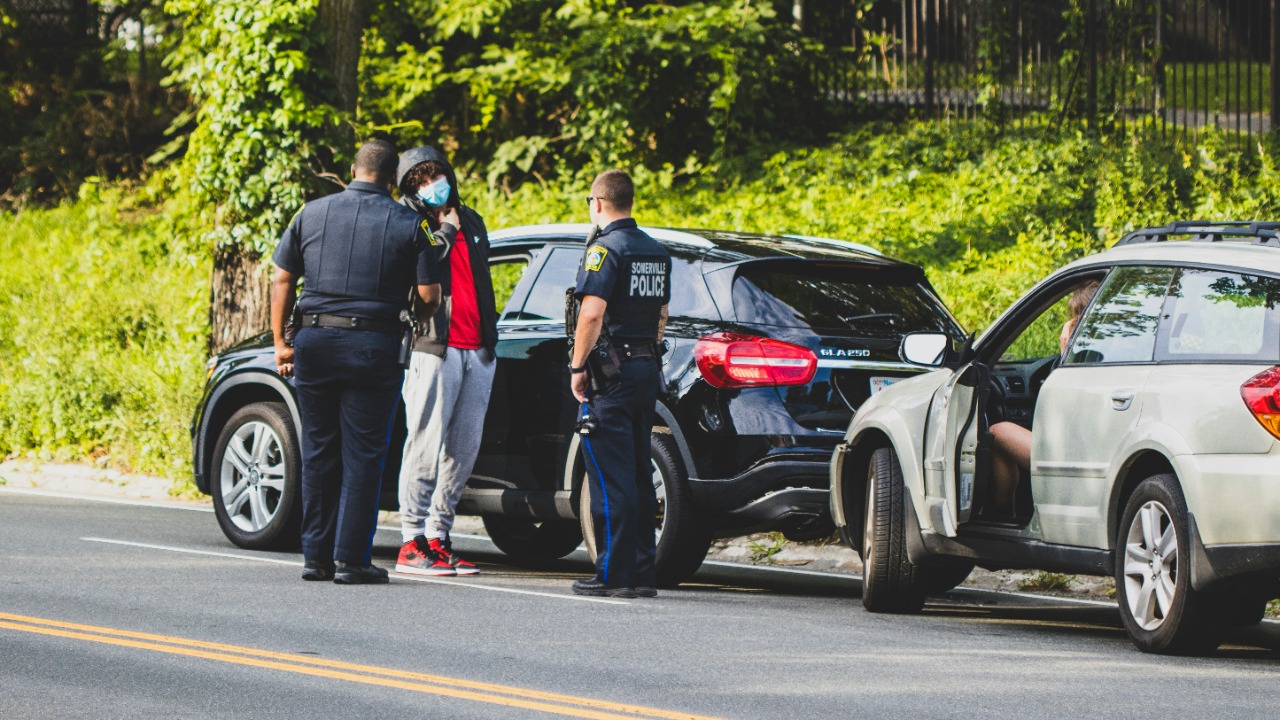
If an officer stops you for left-lane use, keep it simple and calm. Ask what specific rule they’re citing—“keep right except to pass,” “impeding traffic,” or a posted sign—so you understand what they believe happened. Whether you agree or not, arguing on the shoulder usually doesn’t help.
If you truly think it was a misunderstanding (for example, you were actively passing or traffic conditions forced you left), you can document the details afterward and consider contesting it through the normal process. But in many cases, drivers walk away realizing they’d been in the left lane longer than they thought. Time moves differently when you’re listening to a podcast and feeling very confident about your lane choice.
Why this matters even if you’ve “always done it”
A lot of highway habits are inherited from local driving culture, not from the driver’s manual. If your area historically treated the left lane as just another lane, it’s easy to be blindsided when enforcement tightens up. The same behavior can go unnoticed for years—until one day it doesn’t.
The upside is that this is one of the easiest ticket risks to eliminate. You don’t need a new gadget, you don’t need to memorize obscure statutes, and you don’t need to drive like a saint. Just treat the left lane like a temporary workspace: get in, get past, get out.
More from Fast Lane Only