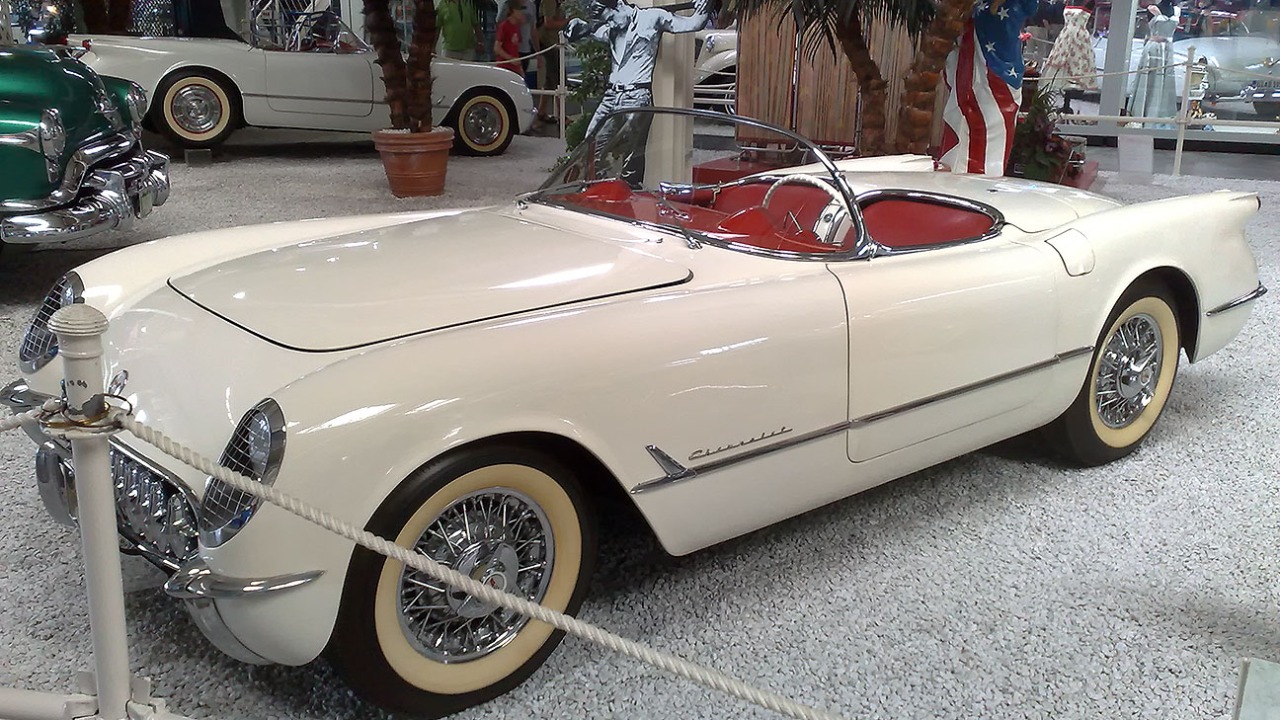
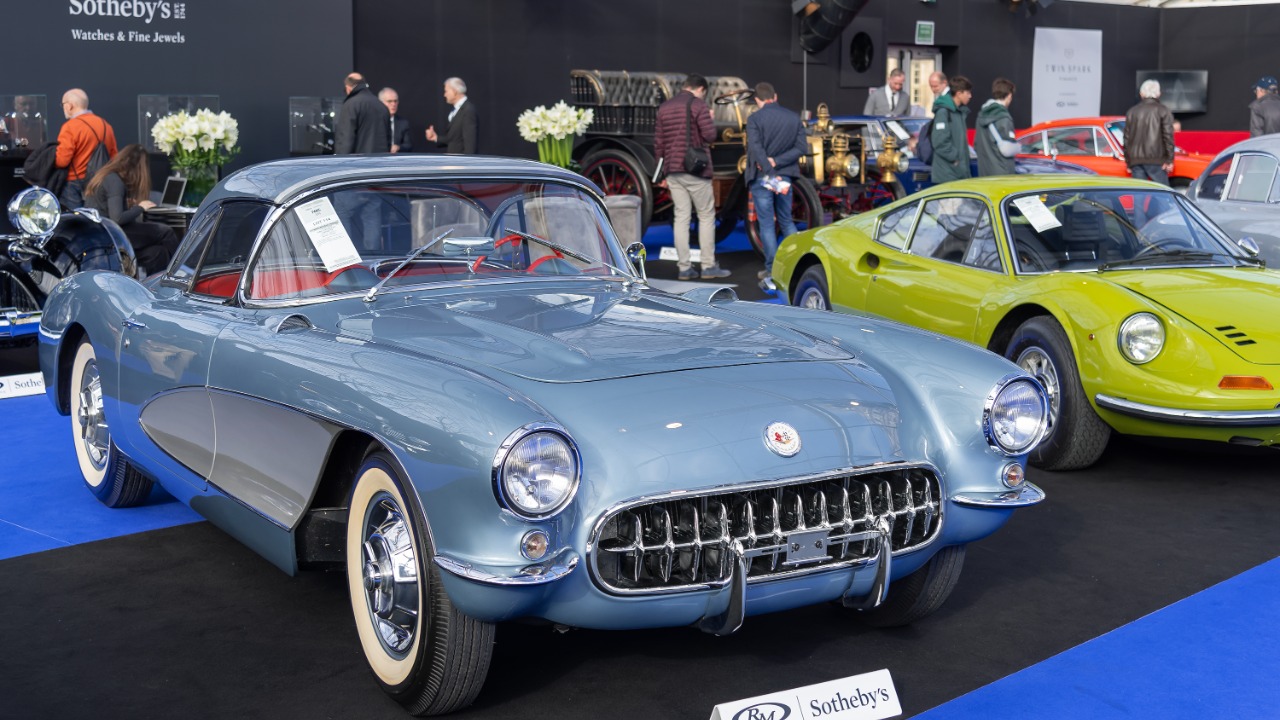
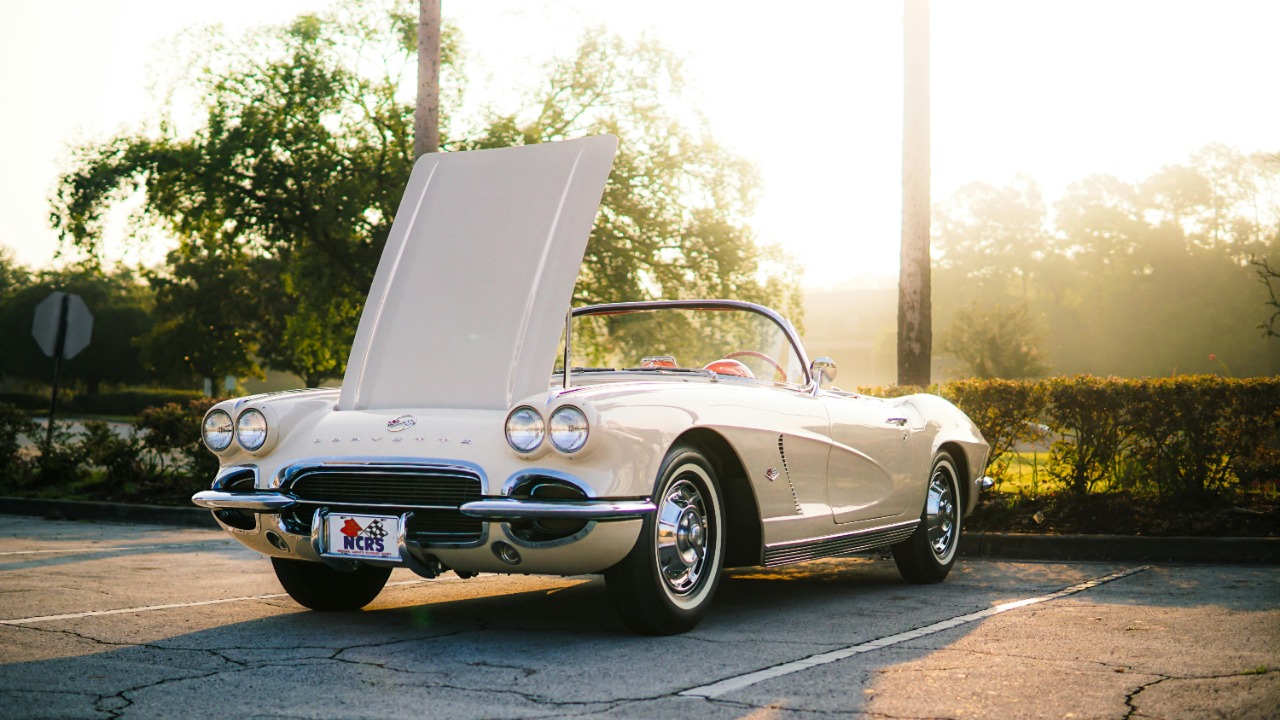
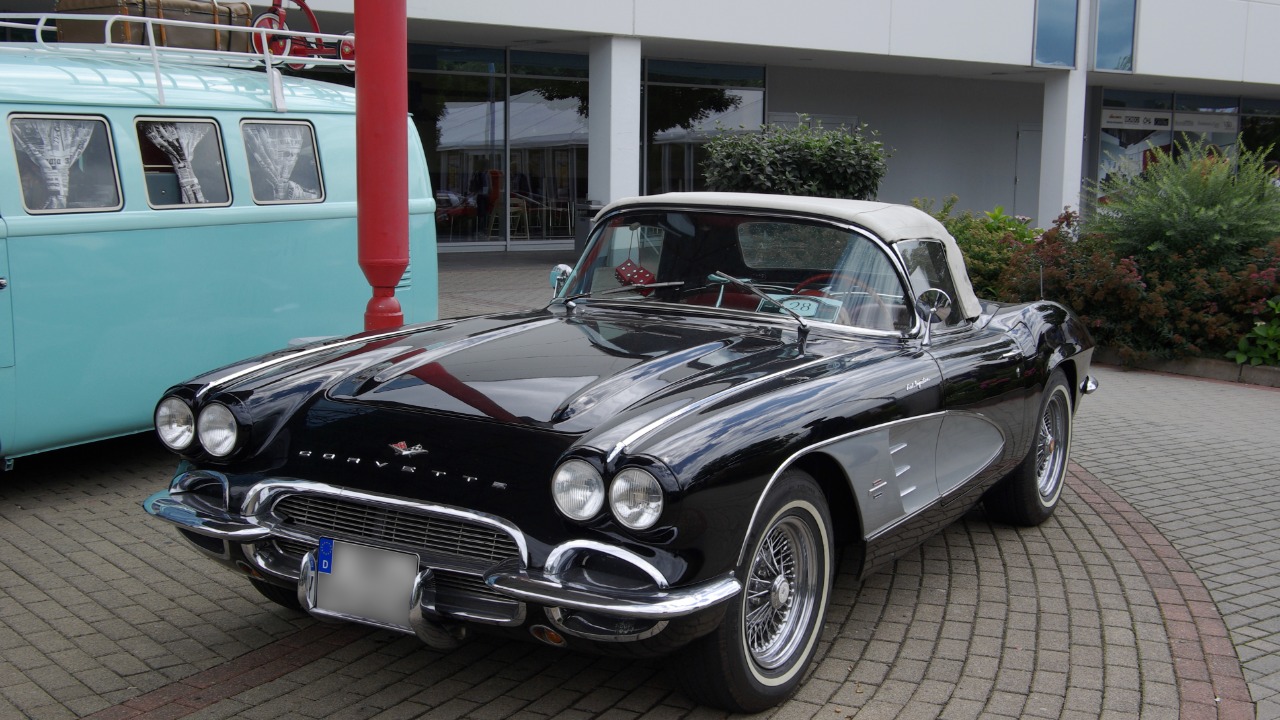
Chevrolet Corvette C1 roadsters, produced between 1953 and 1962, represent a significant chapter in automotive history, combining American innovation with European-inspired styling. These early Corvettes are not just iconic for their performance but also for their genuine style that has captivated car enthusiasts for decades. The C1 roadsters remain a symbol of style and speed, cherished by collectors and enthusiasts alike.
The Birth of a Legend
Image Credit: LSDSL – CC BY-SA 3.0/Wiki Commons
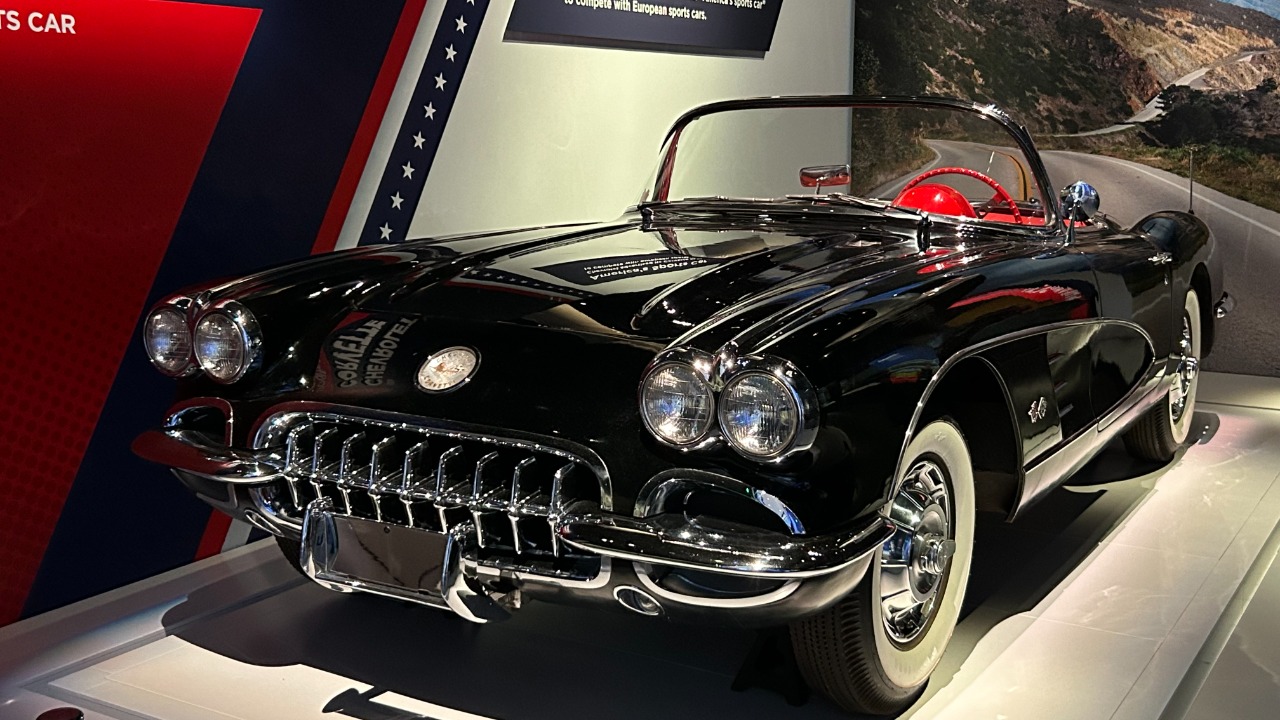
The origins of the Corvette C1 can be traced back to a time when America was searching for its own sports car identity. The vision was to create a car that could stand up to European sports car giants, offering both performance and style. The Corvette was designed to be America’s first sports car, and its creation was a bold step in automotive innovation.
Harley Earl, the legendary designer, played a pivotal role in shaping the Corvette’s aesthetic. His influence ensured that the Corvette would not only perform well but also turn heads with its distinctive design. Earl’s vision was brought to life at the 1953 Motorama, where the Corvette made its debut. The public’s reaction was overwhelmingly positive, marking the beginning of a new era in American car design.
Design and Styling Elements
Image Credit: Alexandre Prevot from Nancy, France – CC BY-SA 2.0/Wiki Commons
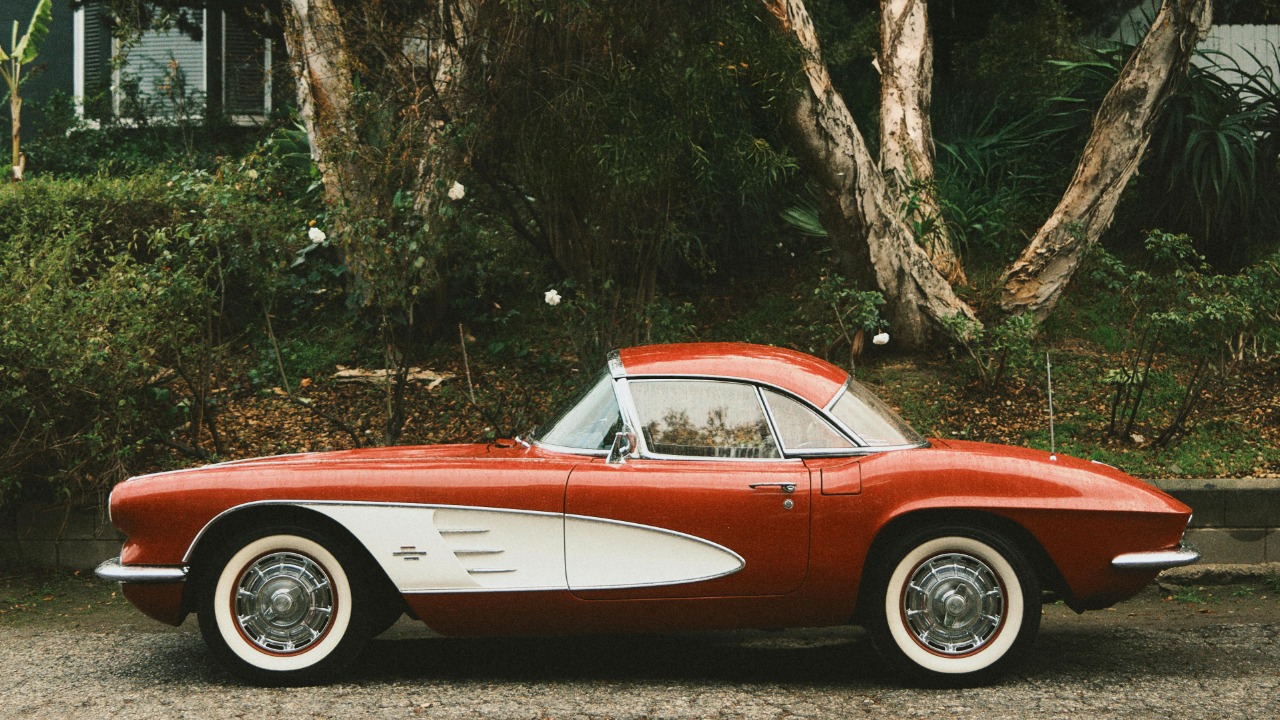
One of the most groundbreaking aspects of the Corvette C1 was its fiberglass body. This innovation was significant as it was the first production car to utilize this material, offering a lightweight alternative to traditional metal bodies. The use of fiberglass not only improved performance but also gave the C1 its unique look.
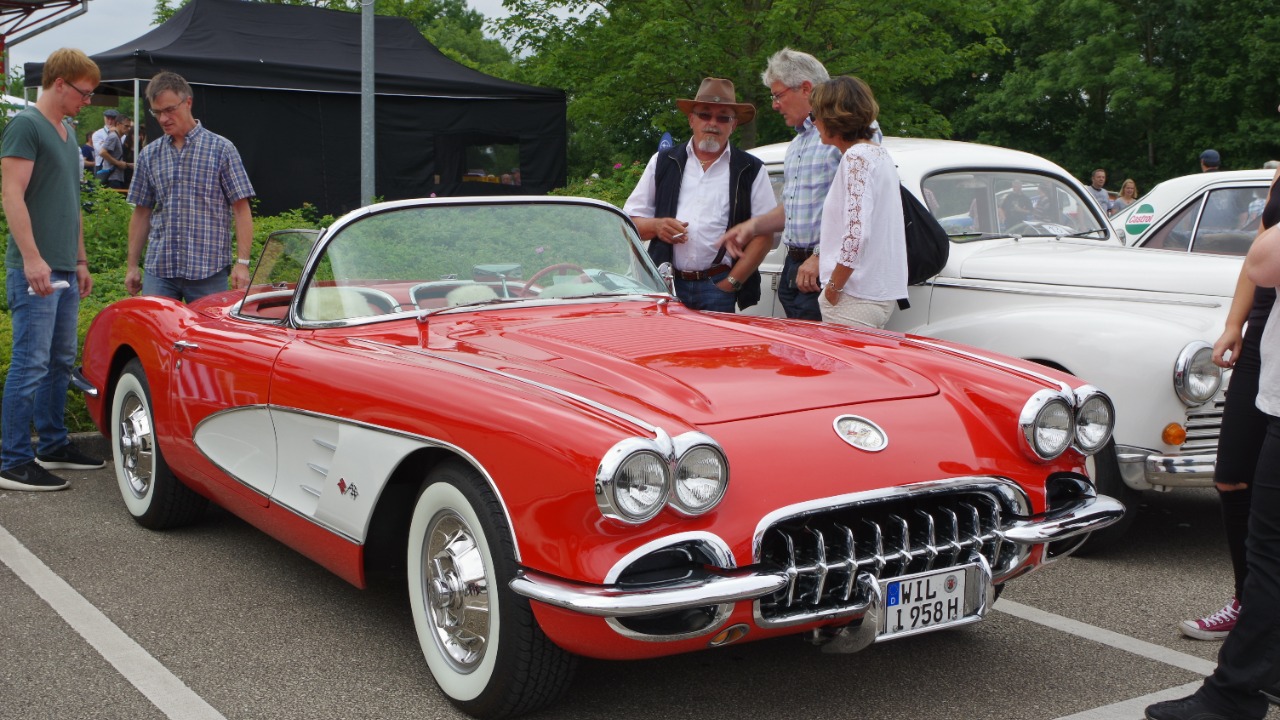
The Corvette’s design was marked by signature features such as its toothy grille and rounded fenders, elements that have become synonymous with the Corvette brand. The influence of European sports cars is evident in the C1’s design, as it borrowed elements from the sleek lines and curves that defined European automotive aesthetics at the time.
Performance and Engineering
FBO Media/Pexels
The Corvette’s performance was a key aspect of its appeal. Initially equipped with the Blue Flame inline-six engine, the Corvette eventually saw the introduction of a more powerful V8 engine. This engine evolution significantly enhanced the car’s performance, making it a formidable contender on the road.
In addition to engine advancements, the C1 featured a chassis and suspension that were engineered for performance. These improvements helped the Corvette achieve its racing pedigree, allowing it to compete in races and further refine its capabilities. The C1’s involvement in racing not only improved its performance but also cemented its status as a serious sports car.
Cultural Impact and Popularity
Image Credit: Berthold Werner – CC BY-SA 3.0/Wiki Commons
The Corvette C1 quickly became a cultural icon, bolstered by its appearances in Hollywood films and TV shows. These appearances helped to solidify the car’s image as a symbol of style and speed. Celebrities, too, were drawn to the Corvette, with many owning and promoting the car, further enhancing its allure.
Enthusiast groups and Corvette clubs have played a crucial role in maintaining the C1’s legacy. These communities have fostered a sense of camaraderie among owners and fans, ensuring that the Corvette remains a beloved classic. The passion of these groups has helped to keep the C1 in the spotlight, celebrating its history and significance.
Valuation and Collectibility
Image Credit: Calreyn88 – CC BY-SA 4.0/Wiki Commons
Over the years, the market trends for C1 Corvettes have seen significant changes. Once an affordable classic, the C1’s value has increased as collectors and enthusiasts recognize its historical significance. Factors such as rarity, condition, and provenance all play a role in determining the car’s value.
Notable sales and auctions have highlighted the desirability of the C1, with record-breaking sales underscoring its status as a collector’s item. The car’s collectibility is a testament to its enduring appeal and the high regard in which it is held by car enthusiasts and collectors alike.
Restoration and Preservation
Image Credit: BrayLockBoy – CC BY-SA 4.0/Wiki Commons
Restoring a Corvette C1 presents its own set of challenges, particularly in sourcing parts and working with fiberglass bodies. Restorers often face difficulties in maintaining the authenticity and originality of these classic cars, as many parts are no longer readily available.
Preservation is key to ensuring the longevity of the C1, and there are several tips that can help maintain its authenticity. Regular maintenance, careful storage, and attention to detail are all crucial for preserving the car’s condition. Experts and specialists in restoration play an important role in keeping the C1 alive, using their skills and knowledge to bring these classics back to life.
The Enduring Legacy of the C1 Corvette
Image Credit: Berthold Werner – CC BY-SA 4.0/Wiki Commons
The influence of the C1 Corvette extends beyond its own production years, impacting future Corvette models with design and engineering elements that have been carried over. The iconic status of the C1 is a reflection of its groundbreaking design and performance, which have left a lasting impact on the automotive world.
The C1’s place in car history is undeniable, with its continued celebration among enthusiasts serving as a testament to its significance. As a beloved classic, the Corvette C1 remains a symbol of American car culture, cherished for its style, speed, and innovation.
Bobby Clark is the founder and editor of Fast Lane Only, covering performance cars, automotive news, recalls, classic vehicles, consumer automotive topics, and enthusiast culture. His work focuses on making automotive news engaging, accessible, and informative for both enthusiasts and everyday drivers.
Welcome!
Welcome to Fast Lane Only—We are an independent automotive publication covering performance cars, automotive news, recalls, classic vehicles, industry trends, and enthusiast culture.
From the rarest collector’s cars to the high-performance machines turning heads today, we bring you stories, specs, and insider looks at the rides that matter. If it’s fast, legendary, or owned by someone famous, you’ll find it here. Buckle up and stay in the fast lane!