The electric vehicle market is booming with innovative designs and sustainable technologies. Despite the advancements, some models may not stand the test of time due to various challenges. From performance issues to market competition, these cars may face hurdles in longevity.
Tesla Model S Plaid
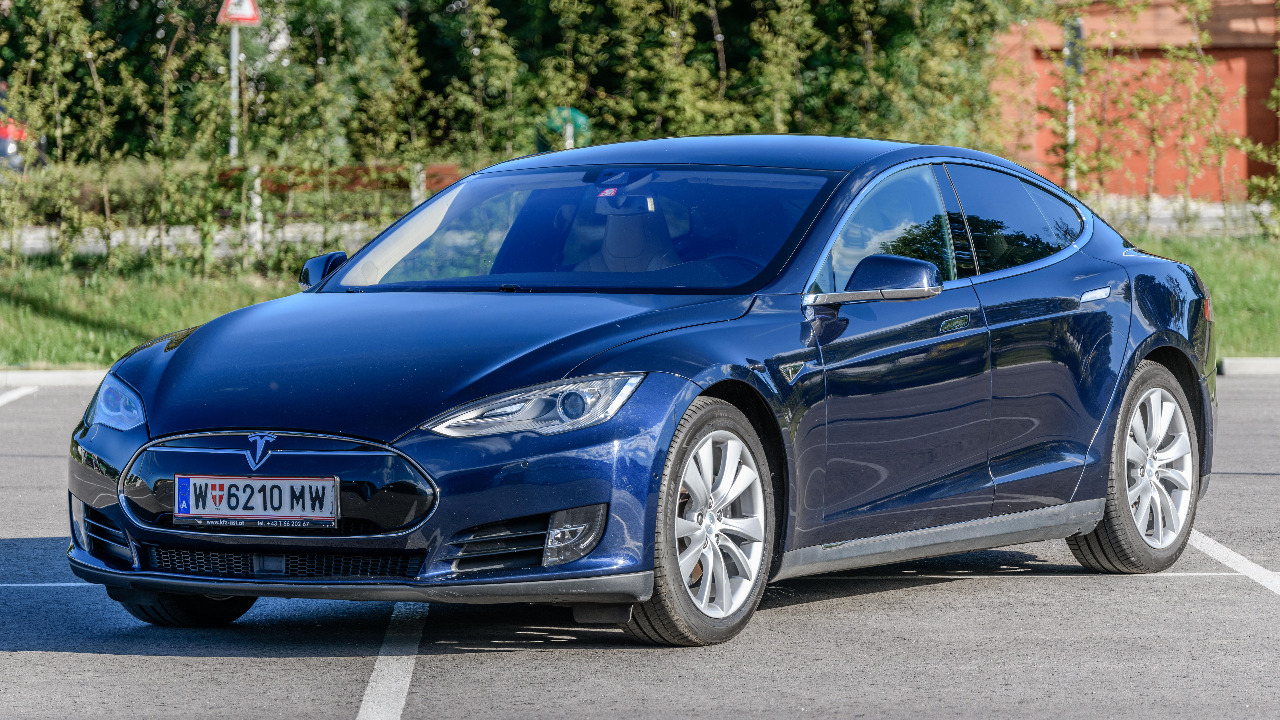
The Tesla Model S Plaid is a powerhouse in terms of performance, boasting lightning-fast acceleration and a sleek design. However, its high price point and the evolving competition in the electric vehicle market pose questions about its long-term viability. Tesla is known for frequent updates and new models, which might overshadow the Plaid over time. Additionally, the exotic features that make it appealing today could become standard in future models, making the Model S Plaid seem less special.
Another concern is the reliability of its complex technology. Tesla’s Autopilot and other features are cutting-edge but have faced scrutiny for safety and reliability. With new competitors emerging, the Model S Plaid’s future in the market is uncertain.
Nissan Leaf
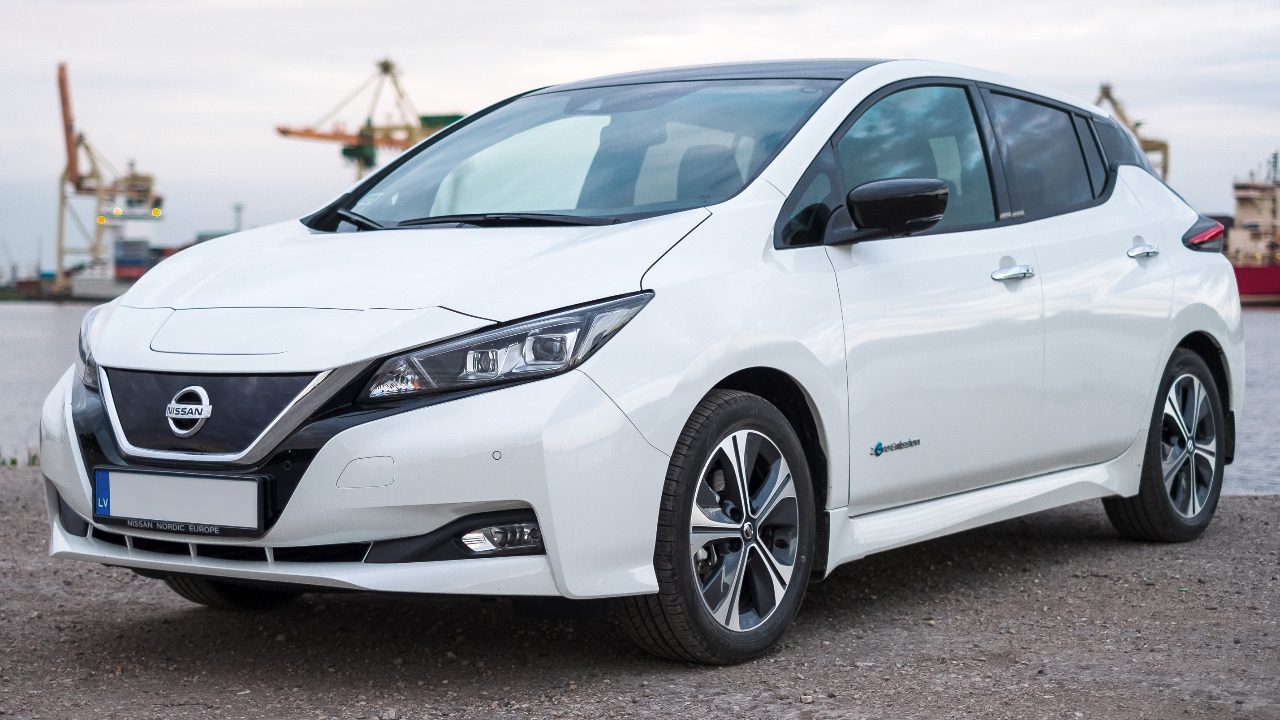
The Nissan Leaf has long been a pioneer in the electric vehicle segment, offering an affordable entry point for eco-conscious drivers. However, its limited range compared to newer models and its relatively basic design might not keep pace with consumer expectations. As battery technology advances, the Leaf’s existing configuration may seem outdated, impacting its appeal.
Furthermore, the rise of new technologies in electric vehicles might leave the Leaf lagging. The competition is fierce, with other manufacturers offering more advanced features at similar price points. The Leaf will need significant updates to remain competitive in the long run.
Chevrolet Bolt EV
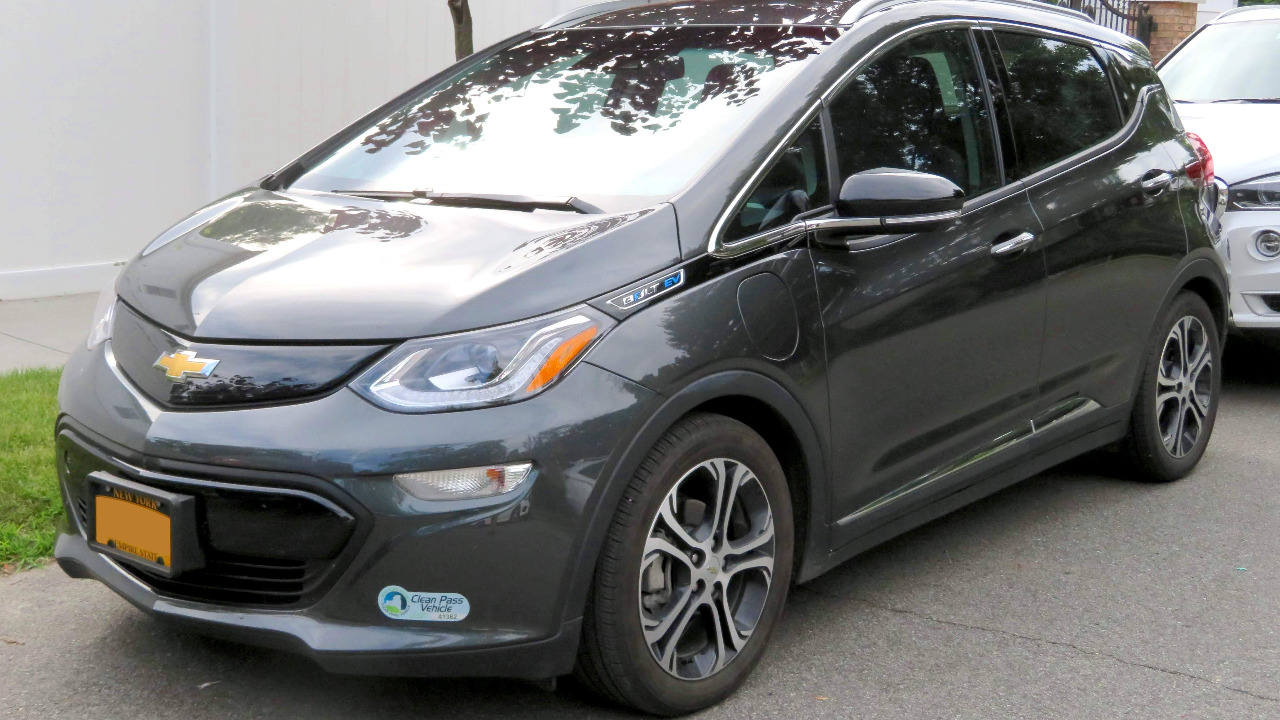
The Chevrolet Bolt EV has been praised for its affordability and decent range, making it a popular choice for budget-conscious consumers. However, recent recalls and safety concerns have cast a shadow over its reputation. Issues with battery fires have prompted extensive recalls, which might deter future buyers and affect its market presence.
In addition, as more manufacturers enter the electric vehicle space, the Bolt EV faces stiff competition from newer models with better safety features and technology. The pressure to innovate and improve is high, and any hesitation could see the Bolt EV fall behind its competitors.
BMW i3
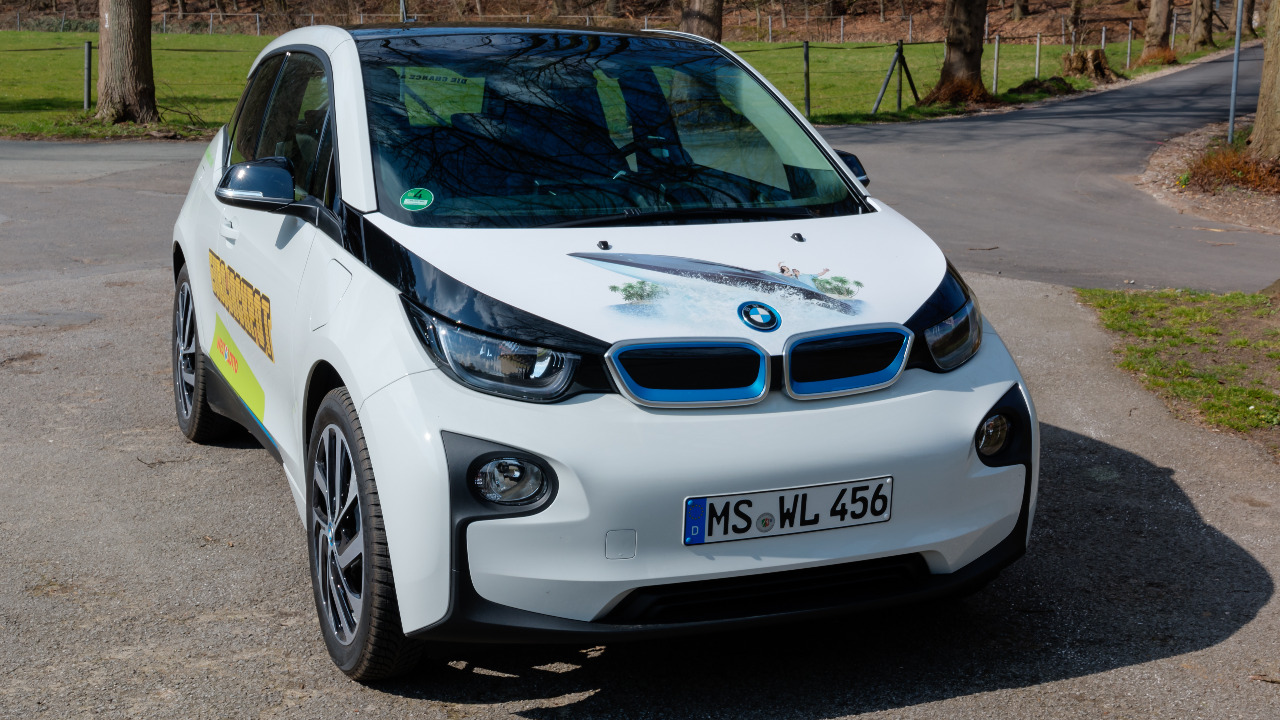
The BMW i3 stands out with its unique design and premium feel, but its limited range and high cost have hindered its widespread adoption. While it offers an intriguing option for urban drivers, its appeal diminishes with the rise of more practical and affordable alternatives. The small footprint and unconventional design might not suit everyone’s taste or needs, potentially limiting its audience.
Moreover, BMW’s shift towards other electric models could spell the end for the i3. As the company invests in more mainstream electric vehicles, the i3 might face discontinuation, especially if it fails to meet sales expectations in a competitive market.
Jaguar I-PACE
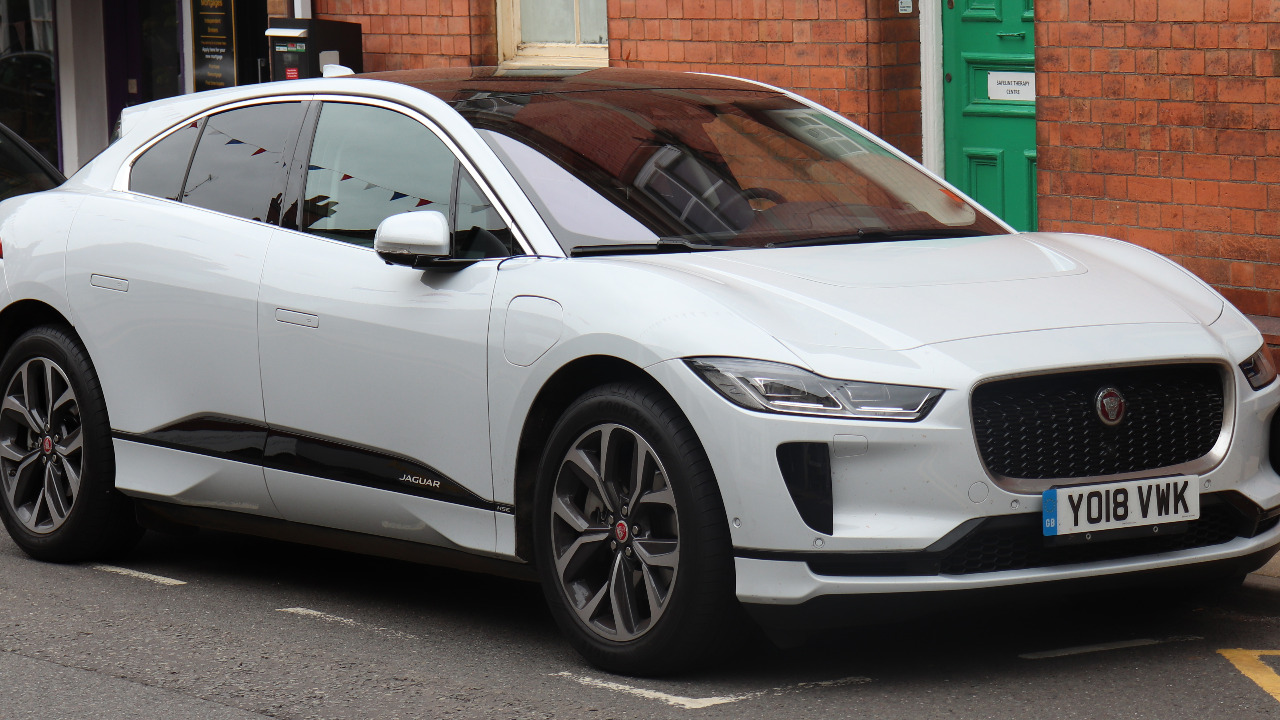
The Jaguar I-PACE offers luxury and performance in the electric vehicle segment but faces challenges in terms of market penetration. Despite its accolades, including the World Car of the Year award, its high price and limited charging infrastructure could impede widespread adoption. As luxury electric SUVs become more common, the I-PACE needs to evolve to keep pace with consumer demands.
Additionally, the competition from established electric brands is intense. Newer models with superior technology and better range can overshadow the I-PACE’s offerings. To maintain its position, Jaguar will need to address these challenges and continuously innovate.
Ford Mustang Mach-E
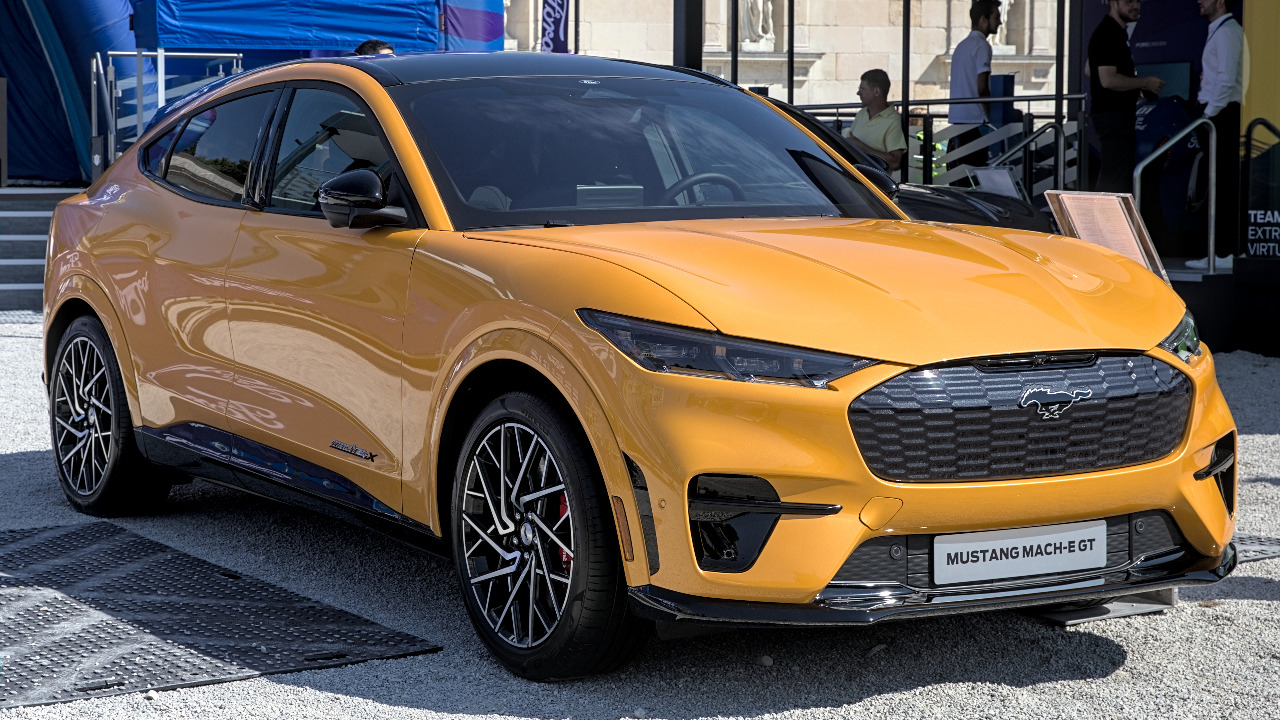
The Ford Mustang Mach-E is a bold step for the iconic Mustang brand, venturing into the electric SUV market. While it has garnered attention for its performance and design, the Mach-E faces the challenge of living up to the Mustang legacy. Balancing traditional Mustang elements with modern electric car features can be tricky, and any misstep could affect its appeal.
Furthermore, the electric vehicle market is evolving rapidly, with new entrants offering innovative features and designs. The Mach-E needs to continually adapt to remain competitive and not become overshadowed by its rivals. Ford’s commitment to electric vehicles will be crucial in ensuring the Mach-E’s success and longevity.
Like Fast Lane Only’s content? Be sure to follow us.
Here’s more from us:
- All New Trans Am: 10 Things You Need to Know
- The Fastest Farm Truck Ever Built
*Created with AI assistance and editor review.