Every modern car relies on a small set of critical fluids to cool, lubricate, and protect its most expensive components. When those fluids age, break down, or leak, problems often start quietly and end with a repair bill that dwarfs the cost of routine maintenance. I focus on the key fluids that keep a vehicle alive, how they work, and the practical intervals most drivers should follow before they turn into a problem.
Manufacturers have stretched service intervals over the years, but “lifetime” fluids rarely last the life of the car in real-world use. Heat, stop‑and‑go traffic, towing, and short trips all accelerate wear, so I look at how those conditions change the schedule and where it makes sense to service early instead of waiting for a warning light.
Engine oil: the first line of defense against wear
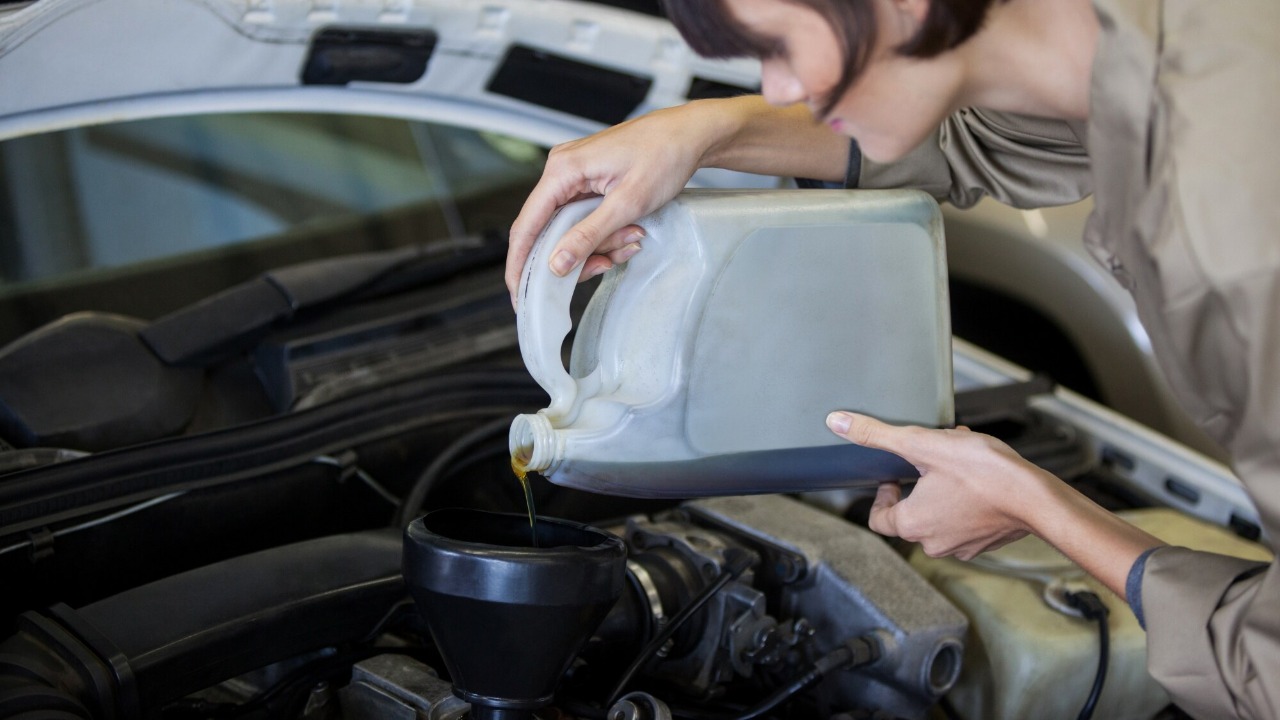
Engine oil is the fluid most drivers know best, and for good reason, since it is the primary barrier between moving metal parts inside the engine. Oil forms a thin film that reduces friction, carries away heat, and suspends contaminants so the filter can trap them. When oil ages, its additives deplete, viscosity can drift out of spec, and sludge starts to form, which is why even synthetic oil needs regular replacement according to the manufacturer’s schedule in the owner’s manual and the specific viscosity grade the engine requires, such as 0W‑20 or 5W‑30 for many late‑model cars, including popular models like the 2022 Toyota Camry and 2021 Honda CR‑V.
Most automakers now use oil‑life monitoring systems that calculate change intervals based on driving conditions, rather than a fixed mileage, and those systems often extend changes well beyond the old 3,000‑mile rule of thumb. Severe use, such as frequent short trips where the engine never fully warms up, long idling, or regular towing with a truck like a Ford F‑150 or Chevrolet Silverado, can shorten that interval significantly, which is why many service schedules list separate “normal” and “severe” maintenance tables. I rely on those factory recommendations as the baseline, then adjust toward the severe schedule if a vehicle spends much of its life in city traffic or extreme temperatures, because those conditions accelerate oxidation and fuel dilution in the oil.
Transmission fluid: protecting complex and costly gearboxes
Automatic transmissions depend on fluid not only for lubrication but also for hydraulic pressure and cooling, which makes fluid condition critical to smooth shifting and long life. Modern units, including 8‑speed and 10‑speed automatics in vehicles such as the Toyota RAV4 or Ford Explorer, operate at high internal pressures and temperatures, so their fluid is engineered with specific friction modifiers and detergents that degrade over time. Even when a dipstick is not present, which is common on many sealed transmissions, the fluid still shears and oxidizes, so I treat “filled for life” labels as marketing language and look instead at the detailed maintenance chart, where many manufacturers quietly specify a change interval under severe service.
Heat is the main enemy of transmission fluid, so vehicles that tow, haul heavy loads, or spend long periods in stop‑and‑go traffic benefit from earlier fluid changes than a lightly used commuter car. For example, a midsize SUV that regularly tows a small camper or boat will stress its transmission far more than the same model used only for highway commuting, even if both show similar mileage. I watch for signs like delayed engagement when shifting into drive, harsh or slipping shifts, or dark, burnt‑smelling fluid, which all point to the need for service, but I do not wait for symptoms if the odometer and usage pattern already match the severe‑duty recommendations in the owner’s manual.
Coolant and antifreeze: managing heat and corrosion

Engine coolant, often called antifreeze, does far more than prevent freezing in winter; it carries heat away from the engine, stabilizes operating temperature, and protects internal passages from corrosion. Modern coolants are carefully formulated blends, such as organic acid technology (OAT) or hybrid organic acid technology (HOAT), and many automakers, including brands like Hyundai, Subaru, and General Motors, specify unique colors and chemistries that should not be mixed. I follow the exact coolant type listed on the under‑hood label or in the owner’s manual, because using a universal product or mixing incompatible formulas can shorten the life of water pumps, radiators, and heater cores by encouraging deposits or galvanic corrosion.
Although some extended‑life coolants are rated for 100,000 miles or more, their corrosion inhibitors still deplete over time, especially in vehicles that see frequent heat cycling in hot climates or heavy loads. I look for signs such as rusty or cloudy coolant in the reservoir, a sweet smell from the engine bay, or unexplained drops in coolant level, which can indicate leaks in hoses, radiators, or head gaskets. Even without visible issues, I treat coolant as a long‑interval service item that should be replaced according to the manufacturer’s mileage or time limit, often in the range of five years for many passenger cars, to keep the cooling system clean and prevent expensive failures like warped cylinder heads or clogged heater cores.
Brake fluid and power steering fluid: small reservoirs with big safety roles
Brake fluid is one of the most overlooked fluids in a car, yet it directly affects stopping performance and safety. Most vehicles use glycol‑based DOT 3, DOT 4, or DOT 5.1 fluid, which is hygroscopic, meaning it absorbs moisture from the air over time through rubber hoses and seals. As water content rises, the boiling point of the fluid drops, which can lead to a soft pedal or fade under hard braking, especially on long downhill grades or during repeated stops, such as when driving a loaded minivan like a Chrysler Pacifica or a compact SUV like a Mazda CX‑5 in mountainous areas.
Because moisture contamination is gradual and rarely triggers a dashboard warning, I rely on time‑based intervals, typically every two to three years in many European maintenance schedules and often listed as a recommended service in North American manuals as well. A simple test of fluid color at the reservoir cap is not enough, since dark fluid does not always mean high water content, and clear fluid can still be compromised, so I treat periodic replacement as cheap insurance against internal corrosion in calipers, ABS modules, and brake lines. Power steering fluid, where used, plays a similar protective role for pumps and steering racks, and in hydraulic systems that still rely on fluid rather than electric assist, I watch for noise, heavy steering effort, or visible leaks around hoses and seals as cues that a flush or repair is due.
Fuel, differential, and other specialty fluids that quietly matter
Beyond the obvious fluids under the hood, several less visible lubricants protect components that are expensive to repair but easy to maintain. Differential fluid, for example, lives in the axle housings of rear‑wheel‑drive and all‑wheel‑drive vehicles like the Toyota 4Runner, Jeep Wrangler, or Subaru Outback, where it lubricates ring and pinion gears under high load. Many trucks and SUVs also use transfer case fluid to manage power distribution between axles, and both fluids can shear and become contaminated with metal particles over time, especially if the vehicle tows, off‑roads, or spends time in deep water that can seep past seals. I follow the specific gear oil viscosity and limited‑slip additive requirements listed in the service manual, since using the wrong fluid can cause chatter, premature wear, or even differential failure.
Fuel itself is another critical “fluid” that affects long‑term reliability, particularly in direct‑injection engines that are common in models like the Volkswagen Golf GTI or Ford Escape. Low‑quality gasoline or diesel can leave deposits on injectors and intake valves, and while many automakers design their systems to tolerate a range of fuels, they often recommend Top Tier‑certified gasoline for its higher detergent content. I pay attention to any mention of minimum octane and fuel quality in the owner’s manual, and I consider periodic use of manufacturer‑approved fuel system cleaners when a vehicle shows symptoms like rough idle, hesitation, or poor fuel economy, especially if it has been run on unknown or low‑grade fuel for extended periods.
How to build a realistic fluid maintenance schedule
With so many fluids in play, the most effective approach is to build a simple, realistic schedule that matches how the car is actually used rather than relying on generic mileage rules. I start with the factory maintenance chart for a specific model, such as a 2020 Honda Accord or 2019 Subaru Forester, then identify which category of use fits best: mostly highway commuting, mixed city and highway, or heavy duty with towing and frequent short trips. From there, I group services so that long‑interval fluids like coolant, transmission fluid, and differential oil can be handled together when their mileages align, which reduces labor overlap and makes it easier to remember what has been done.
Keeping a written or digital log of fluid changes, including brand, specification, and mileage, helps avoid guesswork later and supports resale value when it is time to sell or trade the vehicle. I also build in regular visual checks, such as inspecting the engine oil level and color every few fuel fill‑ups, glancing at coolant and brake fluid reservoirs monthly, and looking under the car for fresh spots that might indicate leaks. By treating fluids as consumable parts with clear lifespans rather than permanent fixtures, I can keep even high‑mileage vehicles running smoothly and avoid the kind of sudden, expensive failures that often trace back to neglected maintenance.