Engines rarely fail without warning. They wear out early because small, cheap maintenance jobs are skipped until minor neglect becomes major damage. By focusing on a handful of simple, repeatable tasks, I can slow that wear, protect expensive components, and keep an engine running smoothly far beyond the mileage many drivers assume is “normal” for a replacement.
The most effective habits are not complicated or high tech. They are basic checks and services that modern engines still depend on, even in a world of long-life fluids and dashboard reminders. When I treat those tasks as non‑negotiable, the payoff shows up in quieter operation, better fuel economy, and an engine that still feels strong long after the odometer passes six figures.
Stay disciplined with oil and filter changes
Nothing extends engine life more reliably than clean oil at the right level. I start by following the manufacturer’s interval in the owner’s manual, then adjust based on how and where the car is driven. Short trips in cold weather, frequent towing, or long periods of idling contaminate oil faster, so I shorten the change interval rather than stretching it just because a marketing label promises “extended life.” Modern synthetic oils resist breakdown better than older blends, but they still collect fuel dilution, moisture, and microscopic metal particles that only a fresh fill and a quality filter can remove.
When I change oil, I treat the filter as part of the same job, not an optional extra. A clogged or low‑quality filter can bypass dirty oil back into the engine, which accelerates wear on bearings, camshafts, and turbochargers. I also check for leaks around the drain plug and filter housing and verify the level on the dipstick after the engine has run briefly, since overfilling can foam the oil and starve critical surfaces. Many late‑model cars, from a Honda Civic to a Ford F‑150, also track oil life through onboard monitors, and I use that data as a guide, not an excuse to ignore the dipstick between services.
Protect the cooling system before it overheats
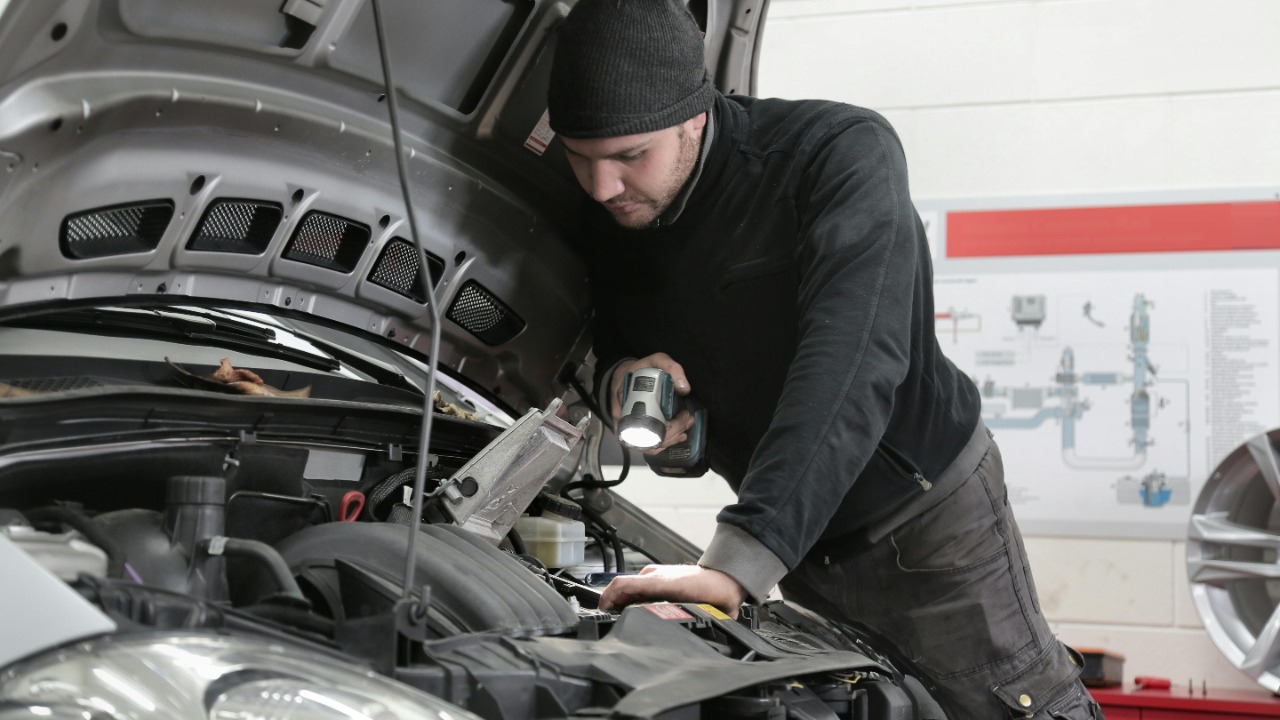
Overheating is one of the fastest ways to shorten an engine’s life, so I treat the cooling system as a priority, not an afterthought. Coolant does more than carry heat away from the cylinders, it also protects aluminum blocks, heads, and radiators from internal corrosion. I inspect the coolant reservoir regularly, looking for low levels, discoloration, or oily residue that can signal a failing head gasket. When the engine is cold, I check hoses for soft spots, cracks, or swelling near the clamps, since a burst hose on the highway can cook an engine in minutes.
Fresh coolant at the correct mix ratio keeps temperatures stable and prevents scale buildup that can clog narrow passages in modern radiators and heater cores. I follow the service schedule for coolant replacement and use the exact type specified for the vehicle, because mixing incompatible formulas can reduce corrosion protection and shorten water pump life. I also pay attention to the thermostat and radiator cap, which control operating temperature and system pressure. If I notice the temperature gauge creeping higher than normal under load, or the cabin heater blowing cold when the engine is hot, I treat that as an early warning and investigate before a minor restriction turns into a warped cylinder head.
Keep air and fuel clean and correctly delivered

Engines are air pumps, and anything that restricts or contaminates that airflow forces them to work harder. I inspect the air filter at least once a year, more often if I drive on dusty roads or in heavy traffic where soot and debris are common. A clogged filter can reduce power and fuel economy, but more importantly, a damaged or poorly sealed filter can let abrasive particles into the intake. Those particles act like sandpaper on cylinder walls and piston rings, which quietly erodes compression over time. Replacing a paper filter on a Toyota Camry or Subaru Outback is a simple job that costs far less than repairing a scored cylinder.
Fuel quality and delivery matter just as much. I avoid running the tank near empty, since the in‑tank pump relies on fuel for cooling and lubrication, and a habit of driving on fumes can shorten its life. On direct‑injection engines, which are common in cars like the Volkswagen Golf GTI and many late‑model pickups, I pay attention to any signs of rough idle, hesitation, or misfires, because those can point to injector problems or carbon buildup on intake valves. Using fuel that meets the octane rating specified in the owner’s manual, and occasionally adding a manufacturer‑approved cleaner, helps keep injectors spraying properly. When a check‑engine light flags a lean or rich mixture, I address it quickly, since running out of balance can overheat valves and catalytic converters.
Respect spark, timing, and modern electronics
Ignition components are easy to ignore because they often fail gradually, but they have a direct impact on how hard an engine has to work. I replace spark plugs at the intervals specified for the exact plug type, whether that is copper, platinum, or iridium, and I use the correct heat range and gap. Worn plugs can cause incomplete combustion, which wastes fuel and sends unburned mixture into the exhaust, raising temperatures and stressing the catalytic converter. On coil‑on‑plug systems, which are common on cars like the Toyota Corolla and Ford Escape, I watch for misfire codes or a subtle shake at idle, since a weak coil can damage the plug and vice versa.
Modern engines also rely on a network of sensors and control modules to keep timing and fuel delivery in a safe window. When a malfunction indicator light appears, I do not ignore it just because the car still feels drivable. A failing oxygen sensor, for example, can cause the engine control unit to enrich the mixture, washing down cylinder walls with excess fuel and thinning the oil film. Likewise, a faulty knock sensor can prevent the system from pulling timing when detonation occurs, which can damage pistons over time. Using a basic OBD‑II scanner or a reputable app to read codes on a Chevrolet Silverado or Hyundai Elantra lets me distinguish between a loose gas cap and a problem that could shorten engine life if left unresolved.
Mind warm‑up, driving habits, and supporting fluids
How I drive between services matters as much as what I do in the garage. I avoid hard acceleration on a cold engine, especially in winter, because thick oil takes time to reach tight clearances in the top end and turbochargers. Letting the engine idle for a long time in the driveway is not the answer either, since that can cause fuel dilution and carbon buildup. Instead, I start the car, wait a brief moment for oil pressure to stabilize, then drive gently until the temperature gauge reaches its normal range. That routine is just as important on a 2020 Mazda 3 as it is on an older Honda Accord.
Supporting fluids also play a quiet but critical role in engine longevity. I keep up with transmission and differential services, because a slipping automatic or a worn final drive can force the engine to work harder to deliver the same acceleration. I check power steering and brake fluid levels, since leaks can drip onto belts or hot components and create secondary problems. On turbocharged engines like those in many modern Kia and BMW models, I respect cool‑down periods after sustained high load, giving the turbo a chance to shed heat before shutting the engine off. That habit helps prevent oil from coking in the turbo’s bearings, which can otherwise lead to expensive failures that often get blamed on the engine itself.