European policymakers are quietly rewriting one of the most ambitious climate rules on the books, shifting from an outright ban on new combustion engines in 2035 to a looser emissions cap that keeps gasoline and diesel technology alive. Instead of a hard stop for tailpipes, the European Union is moving toward a framework that still allows hybrids, plug-in hybrids and engines running on alternative fuels, as long as fleet emissions fall sharply.
The change marks a major reset in how Brussels plans to decarbonize road transport, reflecting pressure from struggling carmakers, anxious governments and a global electric vehicle market that is no longer growing in a straight line. It is a political retreat from the symbolism of a ban, but it also signals a more pragmatic, industry-led path to cutting carbon on Europe’s roads.
A ban becomes a 90 percent cut, not a cliff edge
The core of the shift is simple: instead of requiring all new cars sold from 2035 to be zero emission, the European Commission is replacing that rule with a fleetwide target that demands a “90 percent” reduction in emissions. In practice, that means manufacturers can keep selling some combustion models, as long as their overall lineup meets the tougher standard. Reporting on the new package describes a move to a “90%” cut in carbon dioxide from 2021 levels, a change that turns a binary ban into a sliding scale of compliance anchored in measurable reductions.
That adjustment matters because it reopens space for lower emission technologies that had been written off under the original rule. Under the latest deal, automakers could continue to sell plug-in hybrids and range extenders after 2035, using those models to balance out higher emitting vehicles while still hitting the “90 percent” or “90%” thresholds. The European Commission has also unveiled a structure that explicitly recognizes engines powered by e-fuels and biofuels, signaling that the future regulatory regime will judge cars by what comes out of the tailpipe, not just by what is under the hood.
Political pressure from capitals and carmakers
The retreat from a pure ban did not happen in a vacuum. As European carmakers struggle with slowing EV demand and fierce competition, especially from low cost Chinese models, governments have become more vocal about the risk of pushing the industry too far, too fast. Earlier this month, six prime ministers, including Italy’s Giorgia Meloni and Poland’s Donald Tusk, lobbied the Commission to ease the 2035 rule, arguing that the sector needed more flexibility to invest and adapt. Their intervention crystallized a broader concern that a rigid prohibition on combustion engines could accelerate job losses and offshoring in a sector that still underpins large parts of the continent’s economy.
National political leaders have quickly claimed the policy shift as a win. In Germany, conservative figure Friedrich Merz welcomed the EU turn on the gas engine ban, framing it as overdue recognition that the original plan was out of step with industrial reality. The Commission is now “opening up regulation in the automotive sector” after what one senior voice described as a clear signal from voters and industry, a sign that the backlash against a perceived top down green agenda has filtered directly into Brussels. The European Union, which had once presented the 2035 ban as a flagship climate achievement, is now openly backing away from plans to ban the sale of new gasoline and diesel vehicles outright.
Hybrids, e-fuels and the new technology mix
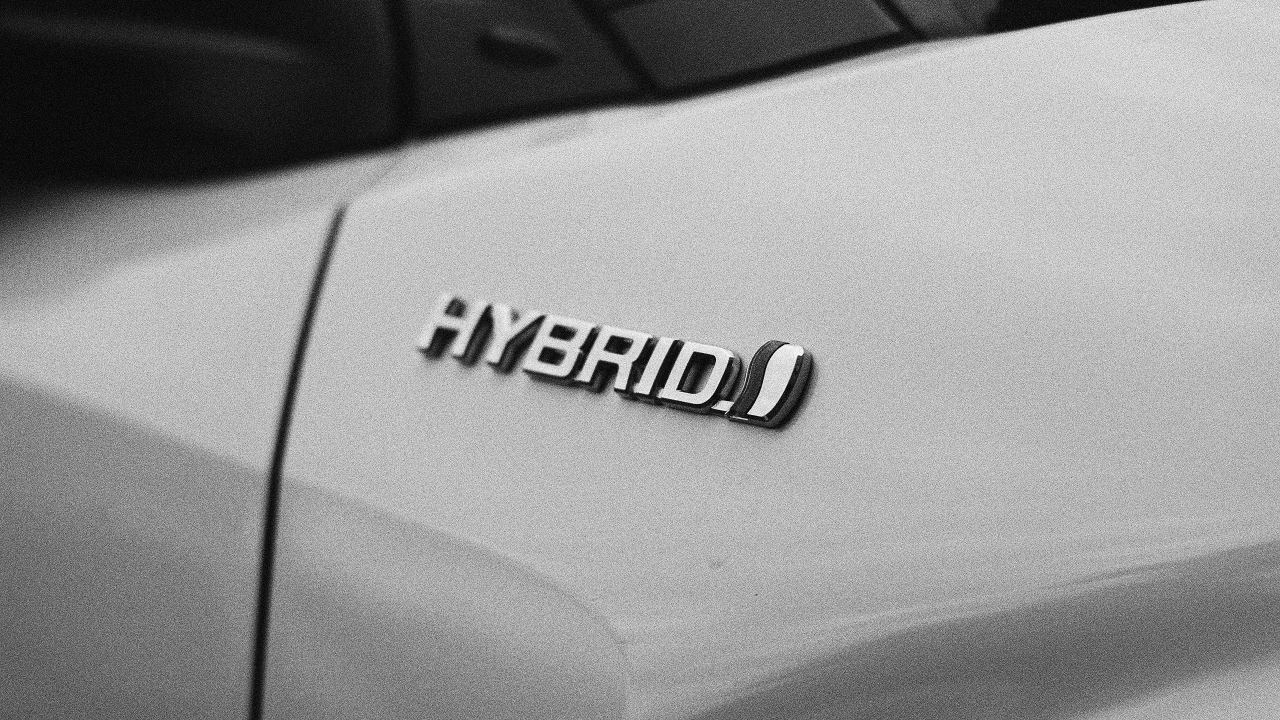
By softening the 2035 rule, the European Commission is effectively betting on a more diverse technology mix to cut emissions. Instead of forcing every new car to be a battery electric model like a Volkswagen ID.3 or a Renault Mégane E-Tech, the new framework keeps the door open for hybrids and plug-in hybrids that pair combustion engines with electric motors. Under the latest deal, those plug-in hybrids and range extenders can continue beyond 2035, as long as their real world emissions fit within the tightened fleet average. That gives manufacturers more room to keep selling popular models such as plug-in versions of the BMW X1 or Mercedes GLC while ramping up pure EV offerings.
The Commission’s proposal also elevates alternative fuels from niche experiment to part of the official toolkit. The new rules distinguish between different types of combustion engines, including those designed to run on e-fuels and biofuels, and set out conditions under which those fuels can count toward compliance. That is a significant win for countries and companies that have invested in synthetic fuels, which can be used in modified versions of existing engines. It also reflects a broader recognition that decarbonizing the existing vehicle fleet, not just new sales, will require drop in solutions that can work with today’s infrastructure.
Winners, losers and the global EV reset
The shift from a ban to a “90 percent” reduction target creates clear winners and losers across the automotive landscape. Traditional manufacturers with strong hybrid portfolios stand to benefit, since they can lean on those models to bridge the gap between combustion and full electric. Suppliers tied to internal combustion technology, from engine component makers to fuel system specialists, gain extra years of relevance and revenue. For drivers, the change means more choice in the 2030s, with a mix of efficient gasoline hybrids, plug-in models and battery EVs likely to coexist on dealer lots.
On the other side of the ledger, pure play EV makers and some environmental groups see the retreat as a dilution of climate ambition. The original 2035 ban sent a clear signal that only zero emission vehicles would be allowed, encouraging massive investment in battery plants and charging networks. Replacing that with a “90%” cut risks blurring the message, especially at a time when the global EV shift is already facing a reset. The EU move follows a broader cooling in electric vehicle demand growth, with concerns about affordability, charging access and competition from low cost EVs from China all weighing on the market. By loosening its own rules, Europe is acknowledging those headwinds, but it is also inviting scrutiny over whether its climate targets remain credible.
What the reversal means for climate credibility
The European Union built its climate leadership narrative on clear, enforceable rules, and the 2035 combustion engine ban was one of the most visible examples. Recasting that rule as a steep but not absolute “90 percent” reduction raises questions about how far Brussels is willing to bend when economic and political pressure mounts. The European Commission insists that the new framework still delivers deep cuts in transport emissions, pointing to the scale of the required reduction from 2021 levels and the continued ramp up of electric vehicles. It has also adjusted interim targets, with some reports noting that earlier milestones, such as a 2030 goal, are being eased from 50 percent to 40 percent to give industry more breathing room.
From a climate perspective, the risk is not just the extra combustion cars that will be sold after 2035, but the signal this sends about future compromises. If a flagship ban can be watered down once, investors and governments may assume it can be softened again, which could slow the rollout of charging infrastructure and low carbon supply chains. At the same time, a policy that is politically sustainable may ultimately deliver more real world emissions cuts than a rule that looks bold on paper but triggers backlash and noncompliance. By moving from an all or nothing ban to a stringent “90%” reduction, the EU is trying to thread that needle, preserving its long term climate goals while giving carmakers and consumers a more gradual path away from fossil fuel engines.