Hyundai and Kia are being forced into one of the largest safety overhauls in their U.S. history, after a wave of thefts exposed how easy it was to start millions of their cars with nothing more than a screwdriver and a USB cable. What began as a viral stunt has now triggered multistate investigations, costly settlements, and a sweeping plan to retrofit vehicles with the anti-theft hardware they should have had from the start.
The companies are now committing to fix millions of vulnerable models, install proper immobilizers, and compensate some owners for the financial and safety fallout. The scale of the response shows how far the theft crisis spiraled before regulators and the automakers forced a comprehensive solution.
The viral theft crisis that forced Hyundai and Kia’s hand
The core of this crisis is simple: for years, many Hyundai and Kia models sold in the United States lacked basic “electronic immobilizers,” the small but crucial devices that prevent a car from starting without a coded key. Investigators in multiple states have pointed to that missing technology as the reason certain models became disproportionately easy to steal, turning them into prime targets for opportunistic thieves and organized groups alike. As thefts spiked, state attorneys general described a clear pattern in which millions of Kia and Hyundai vehicles were singled out because they were easier to take than competitors’ cars that had standard immobilizers.
Law enforcement and consumer complaints eventually converged on the same point: the design choice not to include immobilizers on a wide range of models created a public safety problem, not just an inconvenience. Investigators highlighted that the absence of immobilizers allowed crooks to break into a car and start it without a key, a vulnerability that was then amplified by social media tutorials that showed exactly how to exploit it. As thefts mounted, state officials framed the issue as a preventable defect in anti-theft technology rather than a random crime wave, setting the stage for coordinated legal action against Hyundai and Kia.
States push back with multistate settlements
State attorneys general responded with a series of multistate settlements that treated the theft surge as a systemic failure, not a string of isolated incidents. A coalition of States reached agreements with Hyundai and Kia over their failure to equip vehicles with adequate anti-theft technology, explicitly tying the companies’ design decisions to the public safety crisis that followed. These settlements require Hyundai and Kia to provide free anti-theft upgrades, cover certain investigative costs, and address the broader harms that flowed from the theft wave.
In one major deal, Hyundai and Kia agreed to a $9M settlement with 35 states including California, a resolution that underscored how widespread the impact had become. Attorneys general in jurisdictions such as California and Washington emphasized that Hyundai and Kia’s Response to the Public Safety Crisis had been too slow, noting that the companies waited until thefts had already surged before rolling out software updates and other fixes. Officials in places like the District of Columbia and Connecticut described the settlements as a way to force the automakers to catch up to basic industry standards and to ensure that owners could finally get their vehicles secured free of charge.
Millions of vehicles now slated for hardware fixes
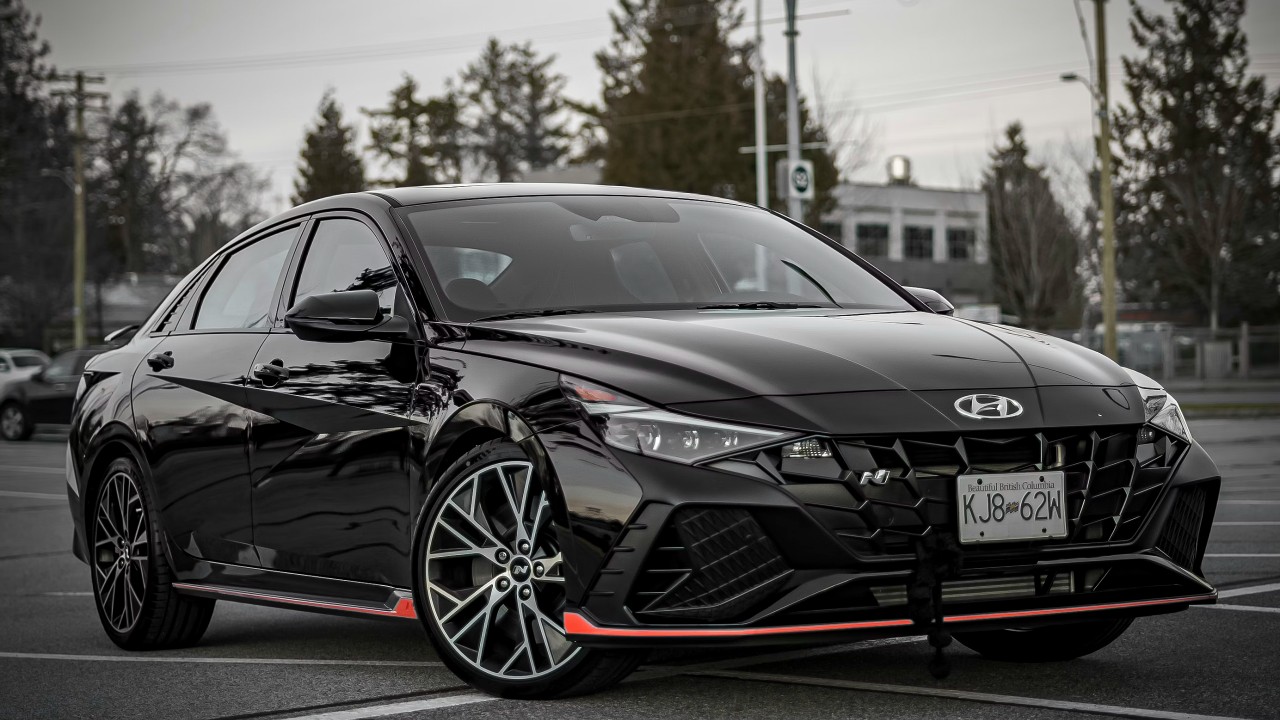
The most significant shift is that Hyundai and Kia are no longer relying only on software patches. They are now committing to large scale hardware upgrades, including the installation of proper immobilizers on vehicles that were built without them. Reporting indicates that 7 Million Hyundai And Kia Vehicles in America Will Finally Get Their Anti, Theft Fix, with Hardware Fixes and Immobilizers forming the backbone of the new plan. That figure captures how many cars on U.S. roads were sold with a glaring security gap that is only now being closed.
Under the settlements, Hyundai and Kia will repair millions of vehicles under a deal to fix anti-theft technology, moving beyond earlier efforts that focused mainly on software updates. The companies have pledged to spend millions fixing anti-theft technology after their cars became top targets for crime, a recognition that piecemeal measures were not enough once thefts became a national story. In practical terms, that means owners of eligible models will be able to bring their vehicles in for free hardware upgrades that add immobilizers and other anti-theft components, rather than being left to pay out of pocket for aftermarket fixes.
Owner compensation and falling resale values
The theft crisis has not only put drivers at physical risk, it has also hit their wallets. Because of the security weakness, the resale value of many affected vehicles has plummeted, leaving owners with cars that are harder to insure, harder to sell, and more likely to be written off as total losses after a theft. Attorneys general have argued that Hyundai and Kia were aware, or should have been aware, that selling “easy to steal” vehicles would depress their long term value and saddle consumers with costs that went far beyond a single stolen car.
Some settlements are now starting to address that financial damage directly. In New York, for example, Kia and Hyundai owners may be entitled to settlement money under a $9 million Hyundai, Kia settlement that covers certain eligible vehicles. Guidance for owners explains Which cars are eligible and how to submit a claim, including options such as reimbursement for anti-theft devices or the free zinc sleeve installation that helps protect ignition components. These payments are modest compared with the broader economic hit, but they mark an acknowledgment that the companies’ design choices had real financial consequences for ordinary drivers.
How states and automakers are trying to restore trust
For regulators, the goal now is not only to fix the cars but also to rebuild public confidence that basic safety expectations will be met. The New Jersey Office of the Attorney General, for instance, previously issued public warnings and took enforcement steps in response to the spike in thefts, and is now using the settlement to mandate anti-theft upgrades for Hyundai vehicles in that state. Other jurisdictions, including Pennsylvania, New Jersey, and Del, have highlighted that Hyundai and Kia will repair millions of vehicles under a deal to fix anti-theft technology, stressing that eligible vehicles were sold nationwide and that owners should not have to navigate the crisis alone.
Hyundai and Kia’s Response to the Public Safety Crisis is now being closely watched as a test of how automakers handle design failures that spill over into public safety. Attorneys general in multiple states have criticized the companies for waiting until thefts were widespread before acting, but they have also framed the new commitments as a chance to reset. With Hyundai and Kia offering free anti-theft fixes after reaching settlement with dozens of states, and with millions of vehicles slated for immobilizer installations and related hardware upgrades, the companies are effectively acknowledging that anti-theft technology is not an optional extra. It is a baseline requirement, and the scale of these fixes shows what it looks like when regulators insist that standard be enforced after the fact.