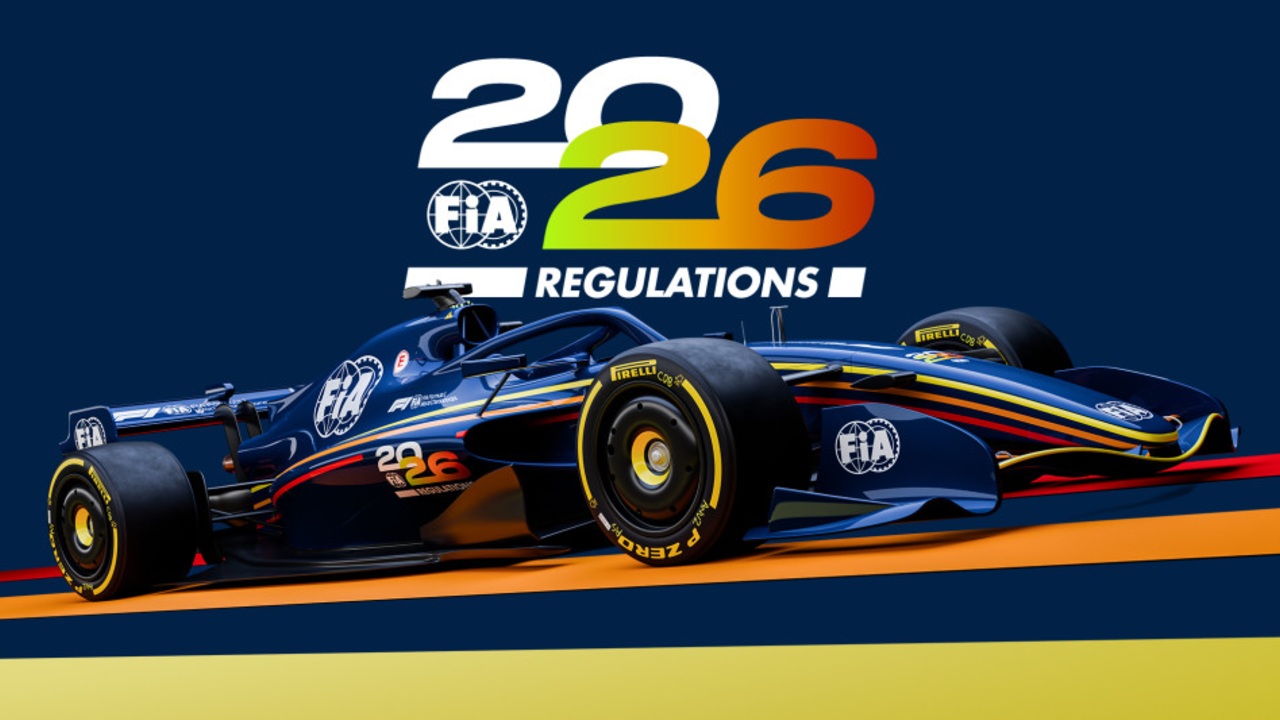
Formula 1’s 2026 reset is no longer an abstract rulebook exercise, it is a live briefing topic in driver meetings as teams confront a package that will change how cars look, feel and race. With smaller, lighter chassis, radically revised power units and active aerodynamics replacing familiar tools, the competitive order is almost certain to be disrupted as the grid adapts.
Drivers are being prepared for cars that will demand a different style of energy management, cornering and racecraft, and for some, a very different pecking order inside their own teams. The regulations promise closer racing and greater efficiency, but they also threaten to catch out anyone who underestimates the scale of the shift.
What the 2026 rulebook really changes for drivers
The core of the 2026 overhaul is a new technical philosophy that shrinks the cars, cuts drag and rebalances how performance is generated, which is exactly what drivers are now being walked through in detailed briefings. The FIA framework describes “more agile” cars with significantly reduced aerodynamic drag and a major increase in electrical power, a combination that will change how drivers approach both qualifying laps and race stints. Instead of leaning on vast downforce and long, stable wheelbases, they will have to extract lap time from a more compact platform that moves around more, especially in high speed corners.
Alongside that, the 2026 season is formally marked out as a major regulation change in the championship overview, with a revised power unit configuration and new active aerodynamics written into the rules. Those elements are not cosmetic tweaks, they redefine how drivers will manage balance through a lap, switching between low-drag and high-downforce modes instead of relying on a fixed aero package. In briefings, teams are already stressing that this is not a continuation of the current ground effect era but a fresh concept that will reward those who adapt fastest to a more dynamic car.
Smaller, lighter cars and the end of pure ground effect
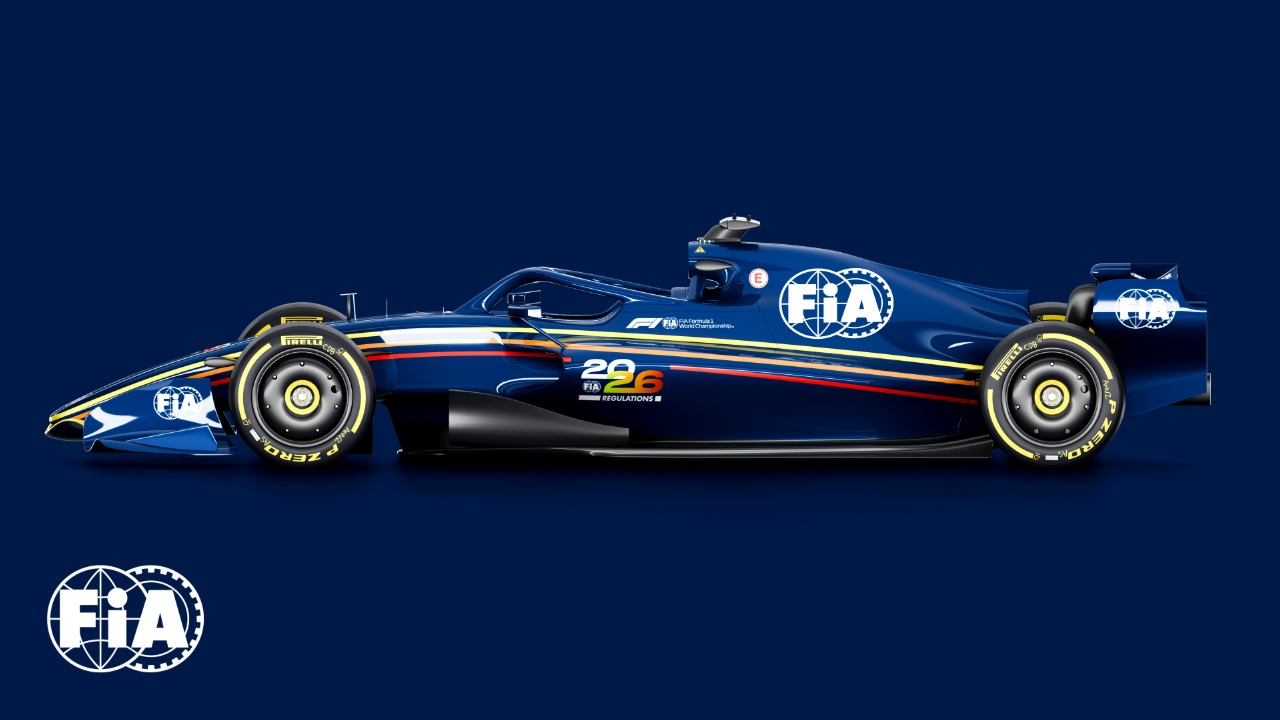
One of the most tangible changes drivers are being warned about is the physical footprint of the cars. Modern 2025 machines are described as “considerably larger,” with current regulations allowing widths up to 2,000 m, and long wheelbases that make them unwieldy in tight corners and traffic. From 2026, the regulations commit to shrinking the cars and cutting weight, a shift underlined in detailed analysis of the rules reset that highlights shorter, narrower chassis as a central design target.
At the same time, the sport is stepping back from the extreme ground effect that has defined the current generation. The 2026 regulations specify a partially flat floor and a lower powered diffuser, which deliberately reduce the reliance on underbody suction and the ultra stiff, low ride height set ups that have caused porpoising. Teams like Red Bull have already framed this as a way for drivers to “control their single seaters better,” with expectations that cornering speeds will fall and lap times will be slower than today, as outlined in technical briefings. For drivers, that means less brutal vertical bouncing, more forgiving set ups and a car that moves more progressively at the limit, even if outright grip is reduced.
Power units, energy management and the new battle for power
Under the engine cover, the 2026 cars will feel very different from the cockpit, and that is a major focus of the briefings teams are giving their drivers. The new power units keep the 1.6 litre turbocharged V6 but dramatically increase the electrical contribution, creating what has been described as a new “battle for power” in which energy deployment strategy is as important as combustion output, a point underlined in the rules analysis. Drivers will have to think of the throttle not just as a demand for power but as a request that must be balanced against battery state of charge and harvesting opportunities around the lap.
Long form explainers on the 2026 engines stress that the hybrid systems will define the character of the cars over the next decade, just as the current units did when they first arrived. For drivers, that means more complex steering wheel controls, more pronounced changes in acceleration as energy modes shift, and a greater need to coordinate with engineers on when to attack or defend. The FIA summary of the rules makes clear that electrical power will be significantly higher while overall fuel flow is reduced, so drivers will be racing in an environment where energy efficiency is not a background concern but a central part of racecraft.
Active aero, no DRS and a new style of racecraft
Perhaps the most disruptive change to how drivers fight on track is the move away from the familiar Drag Reduction System and towards fully integrated active aerodynamics. From 2026, the regulations remove traditional DRS and instead allow the car itself to switch between low drag and high downforce configurations over certain sections of the lap, a shift explained in detail in coverage of the new rules. Drivers are being told to expect more buttons, more modes and more responsibility for timing those switches, rather than simply waiting for a DRS light to come on at a marked zone.
The regulatory outline describes a significant cut in drag, which, combined with active aero, should make cars faster in a straight line even without DRS. That will change how drivers think about overtakes: instead of a binary flap opening, they will be juggling energy deployment, aero modes and slipstreaming opportunities. Briefings are already highlighting that this will reward those with strong spatial awareness and the ability to think a few corners ahead, because the optimal place to switch modes might not be the obvious end of a straight but a sequence that sets up a move several turns later.
Weight, safety and how the cars will feel to drive
Weight has been a persistent complaint from drivers in the current era, and the 2026 rules are pitched as a partial answer, even as safety remains non negotiable. Earlier regulations had set a minimum of 798 kg for 2025 cars, a figure that teams and drivers argued left little room to reduce mass without compromising driver health or structural integrity. The 2026 framework, as outlined in technical previews, aims to cut weight while still protecting the cockpit and crash structures, a balance that is central to the way drivers are being briefed on the new cars’ behaviour.
For the drivers, a lighter, shorter car with less extreme ground effect should feel more responsive on turn in and less punishing over kerbs, even if peak cornering speeds drop. Red Bull’s own technical breakdown notes that reducing ground effect should ease porpoising and allow less brutally stiff set ups, which in turn should make the cars more predictable at the limit. Drivers are being told to expect a different kind of physical challenge: less about absorbing vertical hits and more about managing a livelier rear end, especially as the hybrid systems deliver more electric torque out of slower corners.
Who stands to gain from the 2026 reset
Whenever Formula 1 rewrites its rulebook this dramatically, the competitive order is vulnerable to a shake up, and that is exactly what drivers are being prepared for in internal briefings. The overview of the five biggest changes makes clear that this is one of the most radical transformations the sport has attempted, touching everything from aerodynamics to safety systems. History suggests that teams who interpret such rules cleanly from day one can leapfrog established leaders, and drivers know that their own adaptability, feedback and willingness to adjust driving style could decide whether they are on the right or wrong side of that reset.
The 2026 season summary already frames the year as the start of a new era, with revised power units and active aero baked into the identity of the championship rather than treated as incremental updates. I see that as a signal that drivers cannot rely on past reference points: braking markers, energy deployment habits and even how they position the car in traffic will all need to be relearned. Those who embrace the complexity, master the new tools and help their teams refine concepts quickly are likely to be the ones shaking up the grid when the lights go out on the first 2026 race.