Ferrari has confirmed that its first on track running with a 2026 spec Formula 1 car will be about reliability and data, not chasing lap time headlines. In a season shaped by sweeping technical changes, the team is deliberately treating that initial outing as a shakedown to validate concepts rather than a verdict on whether it has built a title winner.
That choice underlines how different the 2026 reset will be from a normal winter, with Ferrari accepting that early mileage and correlation work in Barcelona will matter more than topping any unofficial timesheets.
Why Ferrari is downplaying its first 2026 test
Ferrari principal Frederic Vasseur has been clear that the opening run of the 2026 car is not being framed as a performance test. He has described the early phase as a long process in which the priority is to accumulate distance, prove that the car’s architecture works as intended and only then start to unlock speed. That means the first laps will be judged on how many trouble free runs the team completes and how much information it gathers, not on where the car appears on any timing screen.
Vasseur has also stressed that Ferrari and its rivals will not draw conclusions about the competitive order from that first outing. He has argued that development will be the key in 2026, because the new Technical Regulations represent such a significant break from the current generation that the learning curve will stretch well beyond the opening test. In his view, the team that wins this cycle will be the one that turns those early kilometres into a steep development trajectory, a stance that explains why Ferrari is comfortable admitting that its first test will focus on mileage rather than pure performance, as reflected in recent comments and in Vasseur’s own assessment of how the new era will be decided.
The Barcelona shakedown and a busier pre season
The first major on track opportunity for 2026 machinery will come at the Circuit de Barcelona Catalunya, where teams have a Private pre season test scheduled across several days in late January. That session, which will run behind closed doors, gives Ferrari a controlled environment to put mileage on its new car away from the glare of public timing and live television. It is precisely this Barcelona window that Vasseur has pointed to as the moment when the team must concentrate on reliability checks, systems validation and gathering baseline data on the new package.
That Private test is part of a more extensive pre season schedule than in recent years, arranged Ahead of the introduction of the new rules. After Barcelona, the calendar moves on to official Preseason running in Bahrain in February, followed by further track time before the championship begins. The expanded programme, outlined in the sport’s own list of key pre season dates and echoed in broader schedule overviews, reflects how much work teams must complete before the first race.
New rules, new risks and why mileage matters
The 2026 regulations will introduce a fundamentally different car concept, with new power unit rules and active aerodynamics that must be validated in real conditions. Pre season testing is the first non virtual chance for teams to evaluate whether their wind tunnel and simulation tools have captured how these cars behave on track. That is why Ferrari is framing its initial running as a reliability and correlation exercise, because any early failures or misreads could compromise its ability to react before the opening round.
Teams will use those first days to check that the new active aero systems respond correctly, that cooling and packaging choices cope with real world conditions and that the hybrid power units deliver the expected performance and driveability. The need to validate active aerodynamics and the broader demands of the new cars has been highlighted in guidance on what pre season testing involves for 2026. In that context, Ferrari’s insistence that the first test is not about pure performance reads less like caution and more like a pragmatic response to the scale of the rule change.
How Ferrari’s long game fits the 2026 calendar
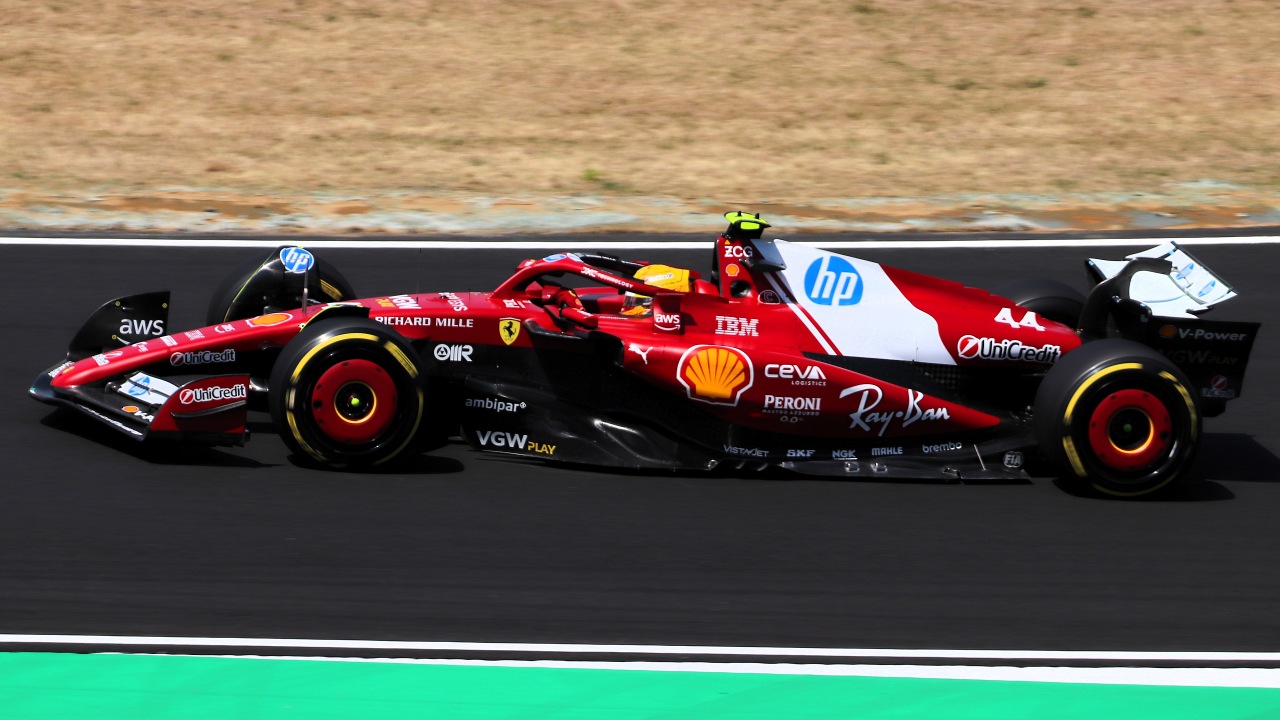
The competitive reality of 2026 will only start to emerge once the cars reach the Australian Grand Prix in Melbourne, which will open the season under the new Formula 1 rules. Until then, every kilometre run in testing is about building a foundation for that first race weekend rather than proving a point in January. Ferrari’s approach, prioritising durability and understanding at the Private Barcelona test, is designed to ensure that by the time the car hits the Melbourne track it has already passed the most basic reliability and systems exams.
The broader calendar reinforces why that long view matters. After the behind closed doors running at the Circuit de Barcelona Catalunya and the official Preseason sessions in Bahrain, there is limited time before the cars are flown to Australia. The sport’s own breakdown of pre season dates, along with wider summaries of when the season starts and how the schedule is structured, shows that teams will have to compress learning, updates and logistics into a tight window. In that environment, a trouble free, mileage heavy first test is arguably worth more than a single eye catching lap.
What Ferrari’s stance reveals about the 2026 development race
By openly stating that its first 2026 test will not be about chasing performance, Ferrari is also sending a message about how it intends to fight the development war that will follow. Vasseur has indicated that the team’s focus is to validate the technical choices of the car early, then build performance step by step as understanding grows. That philosophy, outlined in detail in analysis of the steps Ferrari is taking for 2026, suggests a deliberate attempt to avoid being locked into the wrong concept by overreacting to the first days of running.
It also reflects a broader consensus inside the team that development will decide the championship more than the initial design snapshot. Vasseur has argued that no one will be able to declare a clear pecking order after the first test, because the new Technical Regulations will reward those who can evolve their cars fastest once real data starts to flow. His repeated emphasis that development will be the key in 2026 aligns with Ferrari’s willingness to sacrifice early headline times in favour of a more robust platform for upgrades. For a team intent on rediscovering sustained success, that may prove more important than whatever the stopwatch says in Barcelona.
More from Fast Lane Only: