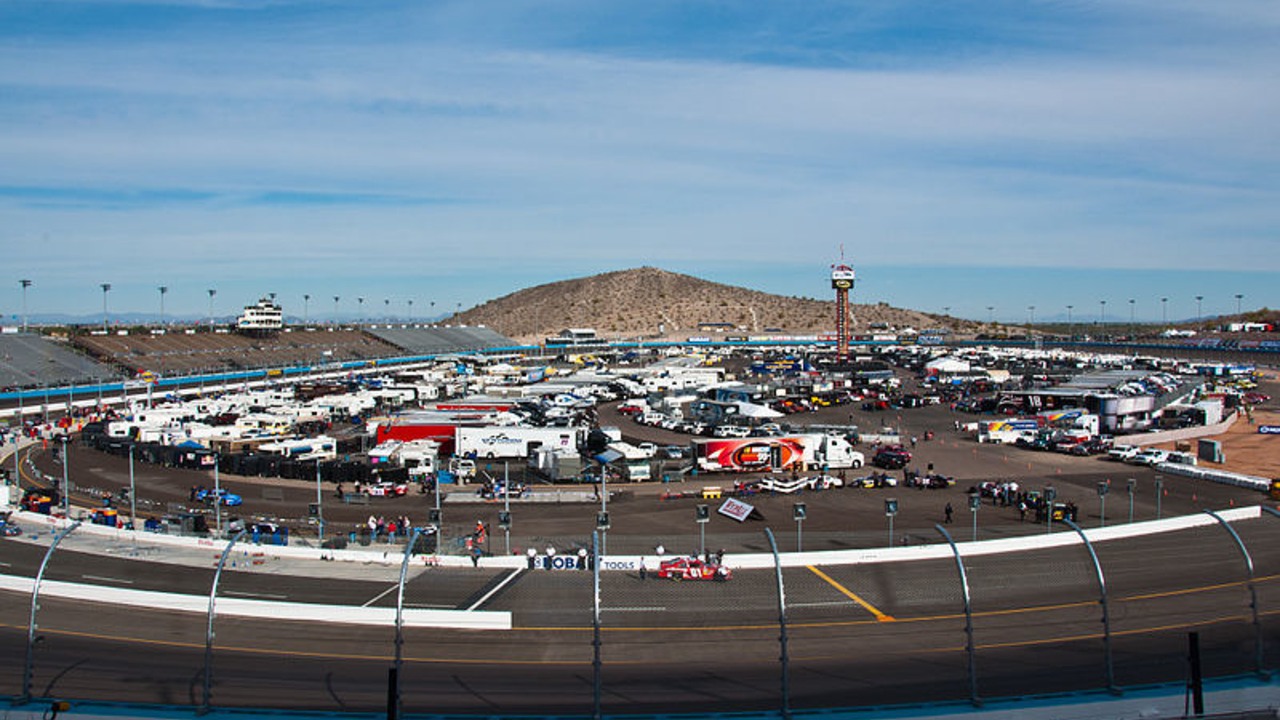
NASCAR has rarely been more entangled with crossover buzz, from celebrity cameos to talk of mixing stock cars with other sports. That kind of speculation can be good for attention, but it also risks distracting from the work of keeping tracks viable and race dates secure. When a track president steps in to cool down a particularly wild idea, it says as much about the sport’s current pressures as it does about fan imagination.
Right now, the tension between spectacle and stability is shaping how executives, teams, and drivers talk about the future. I see that push and pull in how track leaders present themselves on social media, in how stars describe iconic venues, and in how legal fights over charters and control frame what is possible, and what is not, for NASCAR’s next big crossover moment.
Track presidents walk a tightrope between hype and reality
Modern track bosses are expected to be part promoter, part public face, and part traffic cop for runaway expectations. When fans latch onto a wild crossover concept, whether it is a mashup with another sport or an unconventional race format, the person running the facility is often the one who has to signal what is realistic. That balancing act is especially delicate at a time when some venues are fighting simply to stay on the NASCAR Cup Series calendar, and any misstep in messaging can feed speculation about future dates or radical event changes.
Latasha Kazzy the, the president of Phoenix Raceway, illustrates how that role has evolved. In a video message shared on Instagram, she appears alongside her “good friend” Misha, who is introduced as the driver of the H car, using a casual greeting to connect directly with fans. The clip, framed as “A message from Track,” shows a track executive leaning into personality-driven outreach rather than corporate distance, a style that can fuel fan theories about what might be coming next. Yet the available description of the video stops at the introductory exchange, with no verified details about any specific crossover plan or attempt to tamp down a particular rumor, which leaves its broader purpose unverified based on available sources.
Iconic ovals need more than crossover buzz to survive
Behind the social media friendliness sits a harsher reality: some tracks that once felt untouchable are now fighting for relevance and revenue. One mile-long oval that used to be a fixture on the NASCAR Cup Series schedule is described as being “in need of a savior,” a stark reminder that history alone does not guarantee a future date. When a venue reaches that point, the temptation to chase any attention-grabbing crossover concept grows, but so does the risk that fans will expect transformations the business model cannot support.
The language around that struggling oval underscores how fragile the ecosystem can be when a track falls off the calendar. Being labeled a former Cup Series staple that now needs rescuing signals that traditional race weekends, on their own, may not be enough to keep the gates open. In that context, a track president who publicly cools expectations about radical new events is not just being cautious, but is also protecting negotiations with series officials, sponsors, and local partners who must weigh long-term stability against one-off spectacle, a tension that hangs over every conversation about reviving or reinventing such facilities.
Cross-sport collaborations fuel imagination, but also confusion
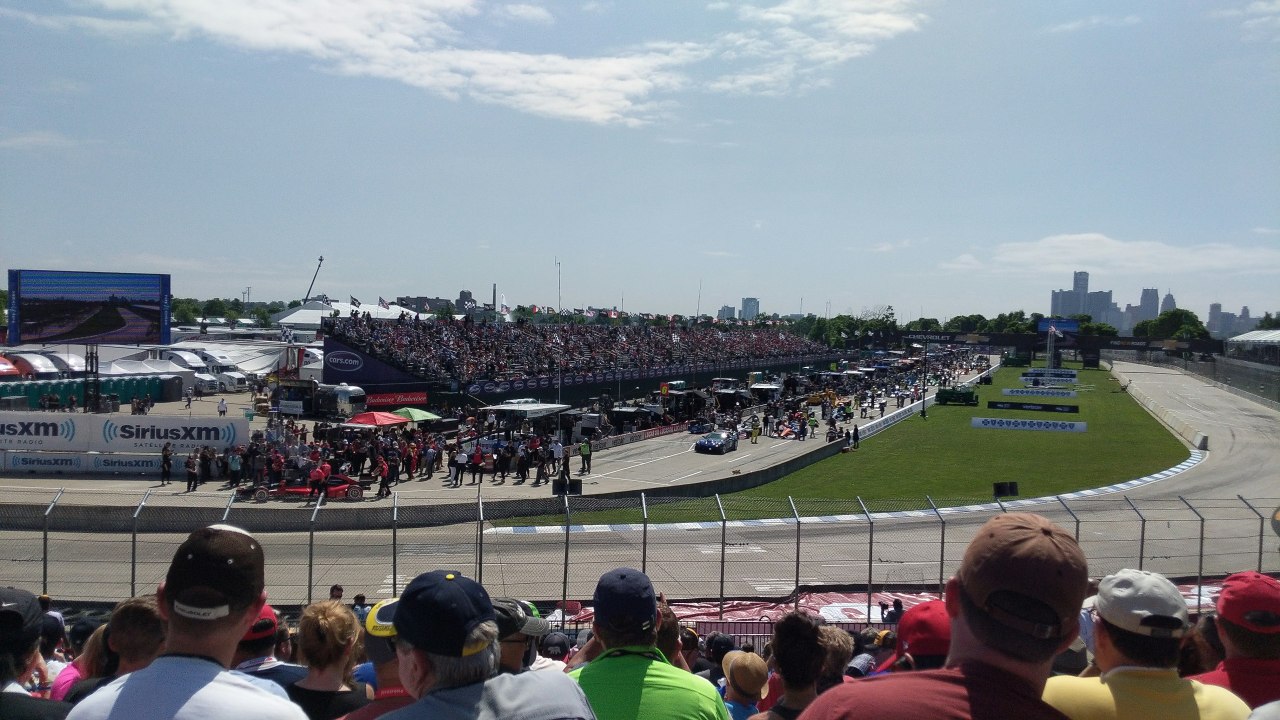
Some of the loudest crossover chatter comes when NASCAR intersects with other major leagues, especially when stars from different sports share a stage. When MLB and NASCAR figures talk together about a place like Bristol, they tend to lean into its mythology, describing it as the kind of event “people are going to want to be there and want to be a part of it or tune in on Fox and take in this event.” That kind of language, attributed to Casey, reinforces the idea that a single race can feel like a shared cultural happening, not just another date on the schedule.
Those cross-sport conversations are fertile ground for fans to imagine even more ambitious combinations, from doubleheaders with baseball to hybrid entertainment weekends. Jun and other participants in that dialogue help frame Bristol as a “legends” venue, a place where unusual ideas might plausibly land. Yet the more that broadcasters like Fox and personalities from multiple sports hype the atmosphere, the easier it becomes for speculation to outpace what track operators can realistically deliver. When that happens, a track president’s job shifts from simply selling tickets to clarifying that not every dream scenario is on the table, even if the marketing language makes it sound that way.
Legal battles over control shape what crossovers are even possible
While fans focus on fantasy matchups and novelty formats, the people who actually control NASCAR’s schedule and structure are locked in legal and commercial battles that define the boundaries of experimentation. The dispute involving NASCAR, 23XI, and Front Row over an alleged “illegal cartel” around charters is a prime example. A counterclaim in that fight was dismissed, and attorney Jeffrey Kessler, representing 23XI and Front Row, said the decision “has only reaffirmed my clients’ unwavering” position, while warning that “the clock is ticking.” That kind of language signals a high-stakes struggle over who gets to own and trade the right to compete at the top level.
Those charter and antitrust arguments are not just background noise. They determine how flexible the series can be when it comes to adding or reshaping events, including any crossover-style weekends that might require special fields, guest entries, or nontraditional formats. If teams like 23XI and Front Row are fighting to protect the value and security of their charters, they are likely to resist experiments that could dilute that value or bypass existing structures. In that environment, a track president who publicly narrows expectations around a wild crossover idea is also signaling respect for the legal and commercial framework that teams and series officials are trying to defend in court.
Why tamping down wild ideas can actually protect the spectacle
From my perspective, the most interesting part of this moment is not that fans dream up outlandish crossovers, but that the people in charge sometimes feel compelled to publicly cool the temperature. When a track leader steps in to rein in speculation, it can look like a buzzkill, yet it often reflects a desire to preserve the credibility of the events that do happen. If every rumor about a joint weekend with another league or a radical new format is allowed to snowball unchecked, the inevitable reality check can leave fans feeling misled, even when no promise was ever made.
That is why the tone and content of messages from figures like Latasha Kazzy the matter so much. A friendly Instagram appearance with Misha, the driver of the H car, shows how accessible and conversational track leadership has become, but the absence of any verified detail about specific crossover plans in that clip also highlights the limits of what can be responsibly inferred from such outreach. Paired with the stark description of a once-regular Cup Series oval now needing a savior, the celebratory talk around Bristol’s legends, and the hard edges of the charter fight involving 23XI, Front Row, and Jeffrey Kessler, it paints a picture of a sport that must carefully manage expectations. The spectacle still matters, but in a landscape this fragile, shutting down the wildest ideas can be the most important promotional move a track president makes.
More from Fast Lane Only: