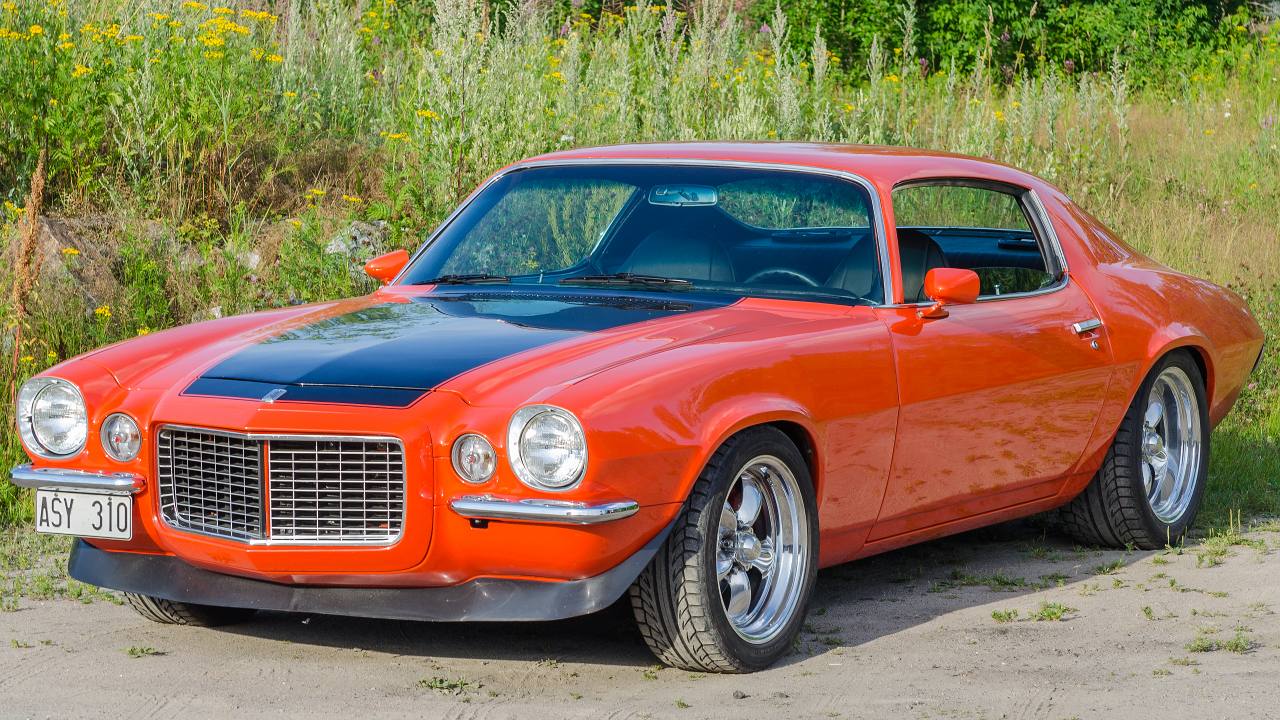
The rivalry between the Ford 351W and the Chevy 350 is one of the most enduring debates in American performance culture, pitting two small-block V8s that shaped everything from muscle cars to ski boats. On paper the contest looks close, but when you dig into dyno data, crate offerings, and what modern builders actually bolt into their projects, clear patterns start to emerge. I want to unpack those patterns, then look at why enthusiasts still argue about these engines long after the factories moved on.
Specs, dyno sheets, and why the Chevy 350 keeps winning shootouts
When builders talk about the Chevy 350 having an edge, they are usually pointing to straightforward power numbers. In a well known small-block comparison, The Chevy clearly won this shootout, with Higher peak horsepower and very good torque numbers down low that eclipsed the Ford’s output. That result reflects a broader trend in crate and catalog engines, where a typical 350 package is tuned for more top end power than a comparable 351 Windsor, even when displacement is nearly identical. The 350 also benefits from a long history of aftermarket heads and cams that are optimized as a system, so it is relatively easy for a buyer to hit a proven combination that repeats those dyno results.
Modern crate offerings reinforce that pattern. The Ford 351 Windsor crate engine does not have as much horsepower as the 350 Chevy in general, unless you are comparing very specific high end builds, and even then the 351 often trades peak numbers for a broader torque curve. Reports comparing The Ford 351 Windsor and Chevy 350 note that Both the Ford 351 Windsor and Chevy 350 small block V8s need no introduction, but the Chevy tends to be the easier path to higher advertised horsepower right out of the box. For a builder chasing a simple formula of maximum power per dollar, that combination of catalog support and repeatable dyno data is a powerful incentive to choose the Chevy 350.
Architecture, reliability, and why the Windsor still has loyalists
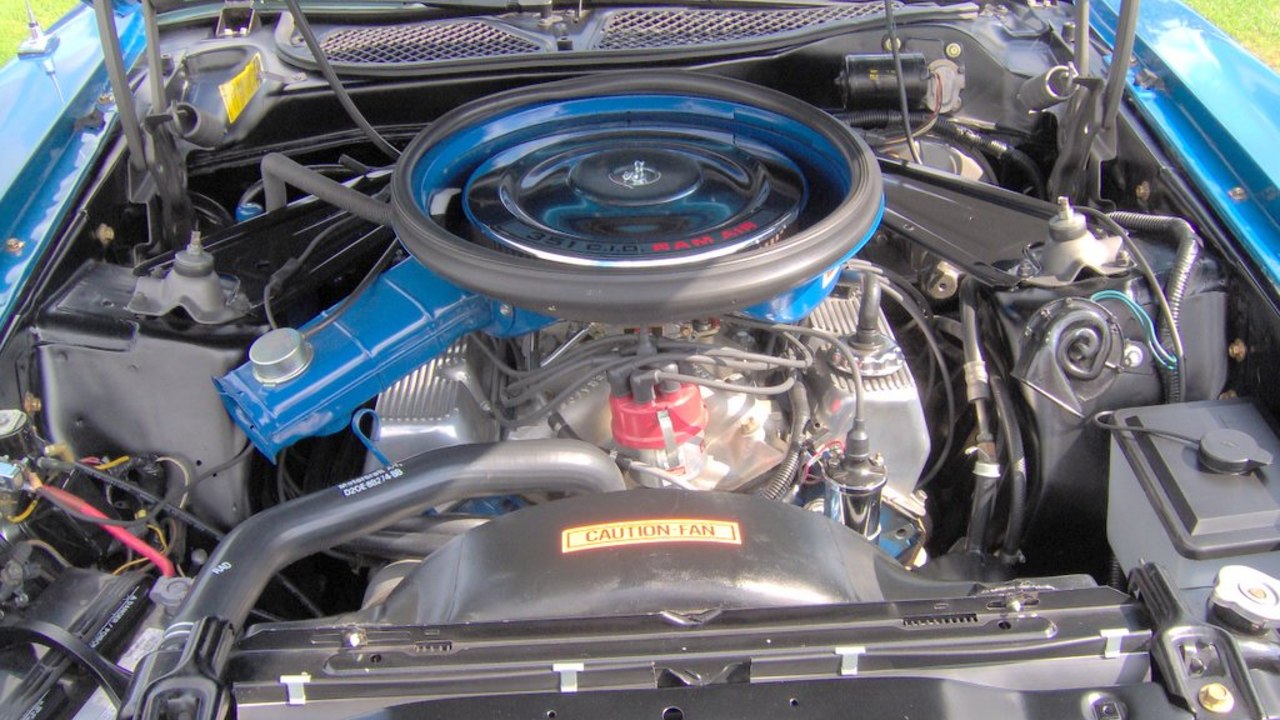
Raw power is only part of the story, and this is where the Ford 351W earns its reputation. The Windsor architecture is praised for durability, with The Ford 351W V8 having a vast use case that ranges from bread and butter cars to sporty coupes, pickups, vans, and even heavier duty applications. That broad deployment meant Ford had to engineer the block and bottom end to survive long service lives, and builders who prioritize reliability over headline horsepower often gravitate to the 351W for that reason. The Windsor’s design, including robust metal enclosures for the cylinders, gives engine builders confidence when they plan for sustained load or towing duty rather than short bursts on a drag strip.
Even writers who favor the Chevy 350 on performance grounds acknowledge that the Windsor is not a bad engine and has proven itself worthy of considerable admiration. The Ford 351 Windsor crate engine may trail the 350 in typical horsepower ratings, but it delivers strong torque and a reputation for taking abuse without constant teardown. That is why I still see the 351W show up in builds where owners expect to rack up highway miles or spend long days on the water. For those users, the slightly lower peak number on paper is an acceptable trade for a powerplant that feels unflappable in real world use.
Packaging, swaps, and how chassis choice shapes builder preferences
What builders prefer often has less to do with brand loyalty and more to do with what actually fits. The Chevy 350 is physically compact, with dimensions that make it easy to slide into a wide range of engine bays, from classic Camaros to street rods and even non GM chassis that have been adapted with universal mounts. Its popularity feeds on itself, because once a critical mass of swap kits, headers, and accessory drives exists, the 350 becomes the default answer for anyone who wants a straightforward V8 conversion. That is one reason forum users arguing over which Detroit small block is better often end up talking about installation headaches rather than combustion theory.
The Ford 351 Windsor presents a different packaging profile. In Foxbody Mustang circles, for example, builders looking to step up from a 302 are often told that at this point, the only options as far as blocks go are aftermarket pieces from Ford Performance or Dart, or a production 351W block. That guidance reflects both the physical realities of fitting a taller deck Windsor into a relatively tight engine bay and the dwindling supply of good factory cores. When the chassis is already Ford, many builders accept those challenges and stick with the Windsor family to keep accessory alignment and drivetrain compatibility simple. In a GM or universal swap context, however, the extra work to make a 351W fit can push people back toward the more compact Chevy 350.
Aftermarket ecosystems and the economics of going fast
Under the surface of every brand debate is the question of how much it costs to reach a given performance target. The Chevy 350 benefits from decades of volume production and a massive aftermarket, which translates into a low cash outlay for significant gains. In that earlier small block comparison where The Chevy clearly won this shootout, the combination of Higher peak horsepower and strong low end torque came from relatively simple bolt ons that are widely available and competitively priced. For a budget minded builder, the ability to assemble a 350 with proven parts and hit those numbers without custom machining is a major advantage.
The Windsor ecosystem is smaller but more specialized. The Ford 351 Windsor crate engine does not have as much horsepower as the 350 Chevy in general, yet it is supported by dedicated suppliers who focus on making the most of the platform. Companies like Ford Performance and Dart offer blocks and components that let experienced builders push a 351W far beyond stock levels, especially in applications like Foxbody Mustangs where the community has refined specific combinations. The tradeoff is that those parts often cost more per unit of power than equivalent Chevy pieces. I see many builders accept that premium when they want to keep a Ford all Ford, or when they value the Windsor’s torque and reliability characteristics enough to justify the extra spend.
Culture, forums, and what builders actually choose today
Strip away the spec sheets and the debate becomes cultural. On enthusiast forums, threads titled 350 vs 351, GM vs Ford quickly fill with opinions that mix technical points with brand identity. In one such discussion, users bounce between observations about how the exhaust ports are evenly spaced on one engine and how that affects the sound, and more practical notes about how similar the engines look to the layman. Those conversations show that for many builders, the choice between a 350 and a 351 is as much about what badge they want on the valve covers as it is about compression ratios or rod lengths.
When I look at what actually ends up in cars, trucks, and boats, a pattern emerges. In GM chassis and generic hot rod builds, the Chevy 350 is still the default, helped by its dyno advantage, compact size, and low cost parts. In Ford platforms, especially Foxbody Mustangs and classic pickups, the Windsor remains the go to upgrade, with Both the Ford 351 Windsor and Chevy 350 recognized as iconic but the home team engine getting the nod. While forum users are almost always fighting over which past era Detroit V8 is the better pick, the truth, although a bit less dramatic, is that builders tend to prefer whichever engine best matches their chassis, budget, and goals. The Chevy 350 often wins on pure performance per dollar, while the Ford 351W keeps its following among those who prize durability, torque, and staying loyal to the blue oval.
More from Fast Lane Only: