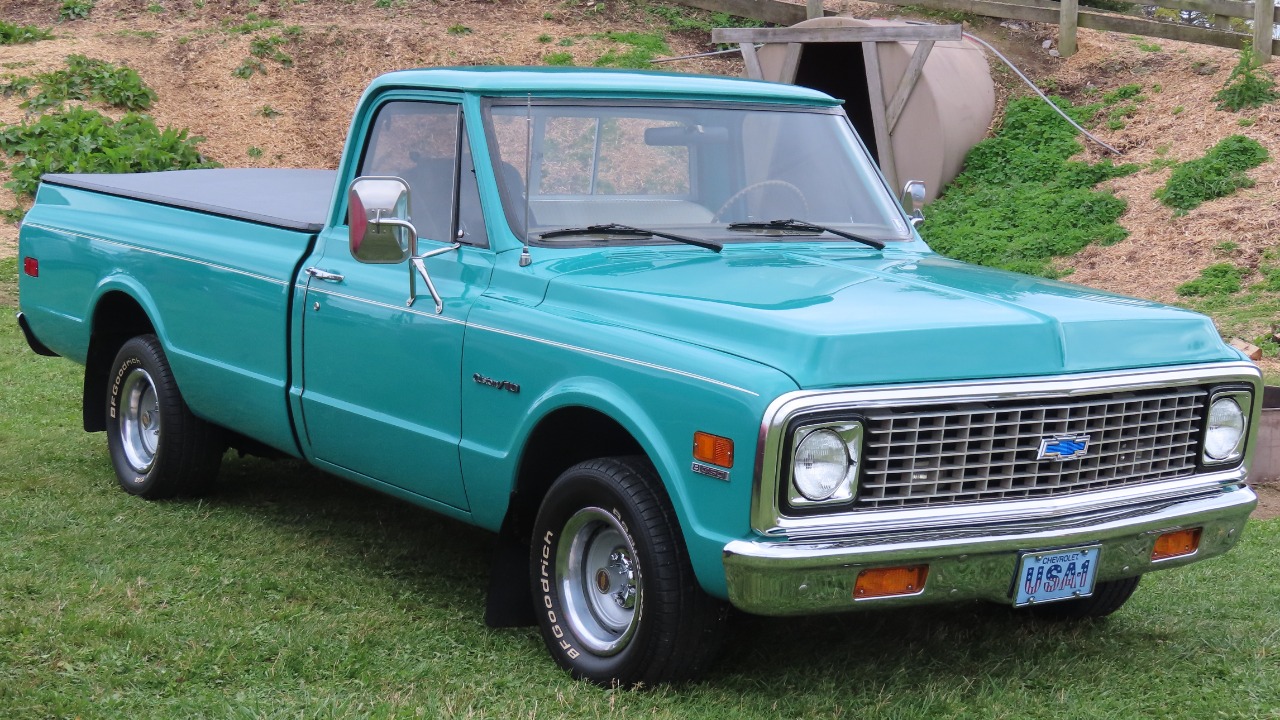
In a tale that has captivated car enthusiasts and sparked debates about automotive ethics, a man recounts how a simple act of lending his cherished 1972 Chevrolet C10 to a friend turned into an unexpected mechanical makeover. When the truck was returned, he was stunned to discover a different engine under the hood, raising questions about trust, friendship, and the sanctity of classic cars.
The Lending of a Classic Car
The 1972 Chevrolet C10 is not just any truck; it’s a piece of American automotive history that holds a special place in the hearts of collectors. Known for its distinctive styling and robust performance, the C10 was part of Chevy’s second generation of C/K trucks, which are prized for their durability and classic good looks. Enthusiasts love the 1972 model year for its combination of vintage charm and engineering prowess, making it a sought-after vehicle in the classic car community.
The owner of this particular C10 had a strong bond with his friend, rooted in mutual trust and a shared passion for vintage cars. They often spent weekends attending car shows and discussing the intricacies of engine mechanics. It was this camaraderie that led to the lending of the vehicle. The friend had expressed a keen interest in experiencing the C10 firsthand, and given their history, the owner felt comfortable sharing his prized possession, expecting it to return in the same condition it was lent.
Before the truck was handed over, there was a clear understanding between the two friends. The C10 was meant to be borrowed for a short period, primarily for a local car meet. There was no mention of any alterations or modifications, and the owner anticipated the vehicle would be treated with the utmost care and respect.
The Shocking Discovery
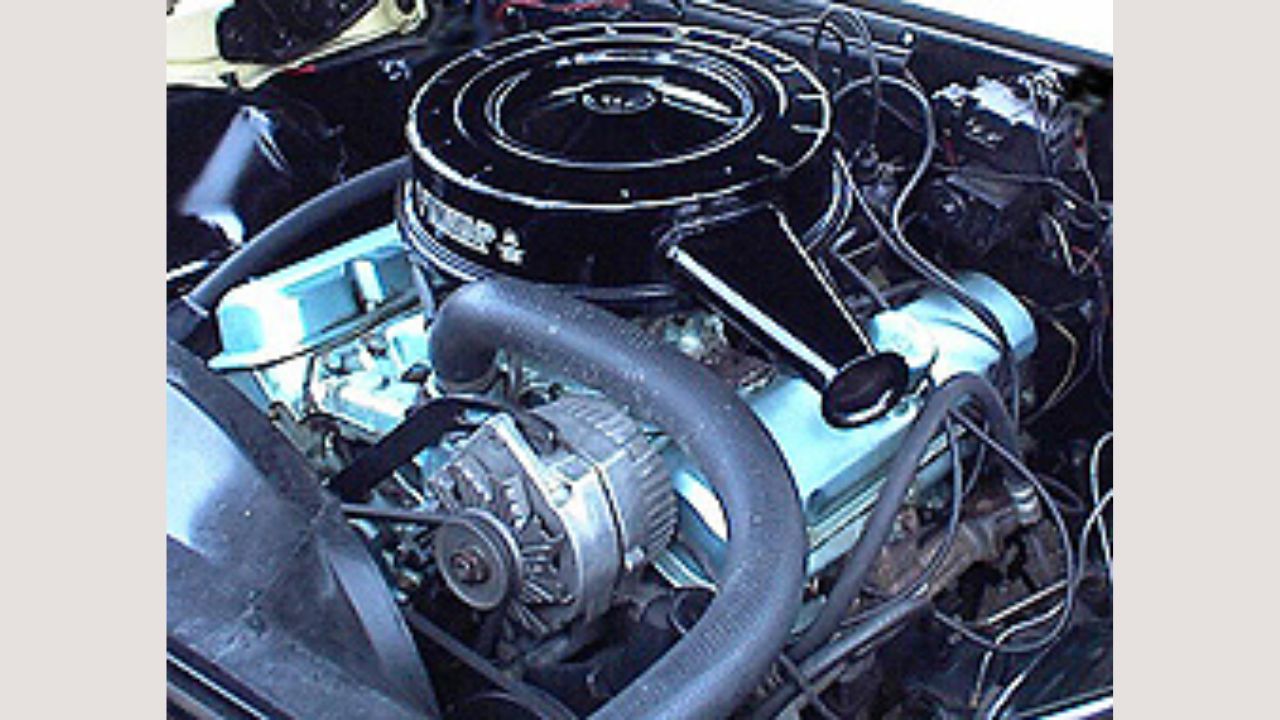
The moment of revelation came when the owner eagerly retrieved his C10, only to notice something was amiss as soon as he lifted the hood. The familiar engine bay had been transformed, housing a different engine that was clearly not the original V8 he cherished. The discovery was shocking, considering the trust and expectations that had been established prior to the lending.
Emotions ran high as the reality of the situation sank in. The owner felt a mix of betrayal and disbelief. The original engine had been a significant part of the truck’s identity and its appeal as a classic vehicle. The alteration felt like a violation of the truck’s integrity, leaving the owner questioning the motivations behind such a drastic change.
The new engine was a modern upgrade, purportedly with better performance metrics. However, for the owner, the performance gains did little to mitigate the sense of loss. The classic rumble and nostalgia associated with the original engine were irreplaceable aspects of the C10’s charm.
Investigating the Swap
When confronted, the friend offered an explanation for the engine swap. According to him, the original engine had shown signs of serious mechanical issues during the loan period. Believing he was acting in the best interest of preserving the truck’s usability, he decided to replace it with a more reliable, albeit different, engine.
The justification raised questions about whether the swap was truly necessary or if it stemmed from a personal preference for modern performance upgrades. The owner couldn’t help but feel that the decision was made without proper consultation, leading to an unauthorized modification that altered the essence of the classic truck.
The situation also brought up legal and ethical considerations. As the rightful owner, he had not consented to any changes. There was a potential for legal recourse, but the thought of involving legal authorities was daunting, as it risked further damaging the friendship.
The Impact on Friendship
The incident undeniably shook the foundation of trust between the two friends. The owner felt blindsided by the unauthorized engine swap, which highlighted a significant breakdown in communication. The sense of betrayal was palpable, as the respect for boundaries and expectations seemed to have been ignored.
Reflecting on the situation, both parties recognized the importance of clear communication and understanding when it comes to lending valuable possessions. The experience served as a harsh lesson in setting boundaries and discussing potential outcomes, even among friends who share a deep mutual trust.
Despite the strain, there was a glimmer of hope for reconciliation. Both individuals valued their friendship and acknowledged that rebuilding trust would require time, openness, and a willingness to forgive. The path forward was uncertain, but the shared passion for classic cars could serve as a bridge towards mending their relationship.
The Broader Implications for Car Enthusiasts
For the classic car community, this story serves as a cautionary tale about the risks associated with lending cherished vehicles. Classic cars often hold sentimental and historical value, making any alteration a sensitive topic. Enthusiasts stress the importance of establishing clear agreements and obtaining consent before making any modifications.
Documentation becomes vital in these scenarios, providing a written record of the terms agreed upon when lending a vehicle. This can prevent misunderstandings and ensure that both parties are on the same page regarding what is permissible.
Preserving the authenticity of classic vehicles is a shared responsibility among enthusiasts. Maintaining originality not only respects the vehicle’s history but also contributes to the broader cultural heritage of automotive history. This incident underscores the delicate balance between enjoying classic cars and honoring their legacy.
Community Reactions and Expert Opinions
The story quickly gained traction within the car enthusiast community, sparking a wide range of reactions. Some expressed outrage at the unauthorized modification, emphasizing the sanctity of preserving classic vehicles. Others sympathized with the friend’s intentions, acknowledging the importance of vehicle reliability.
Automotive experts weighed in on the topic, providing insights into engine swaps in classic cars. While some view upgrades as a way to enhance performance and usability, purists argue that such changes detract from the vehicle’s historical value. The debate highlights the ongoing tension between modernization and preservation in the world of classic cars.
Ultimately, the cultural significance of classic cars lies in their ability to transport us back to a different era. For many collectors, maintaining originality is paramount, as it allows these vehicles to serve as tangible links to automotive history. This story serves as a reminder of why so many people are passionate about preserving the past, even as they navigate the complexities of modern friendships and ownership rights.
More from Fast Lane Only