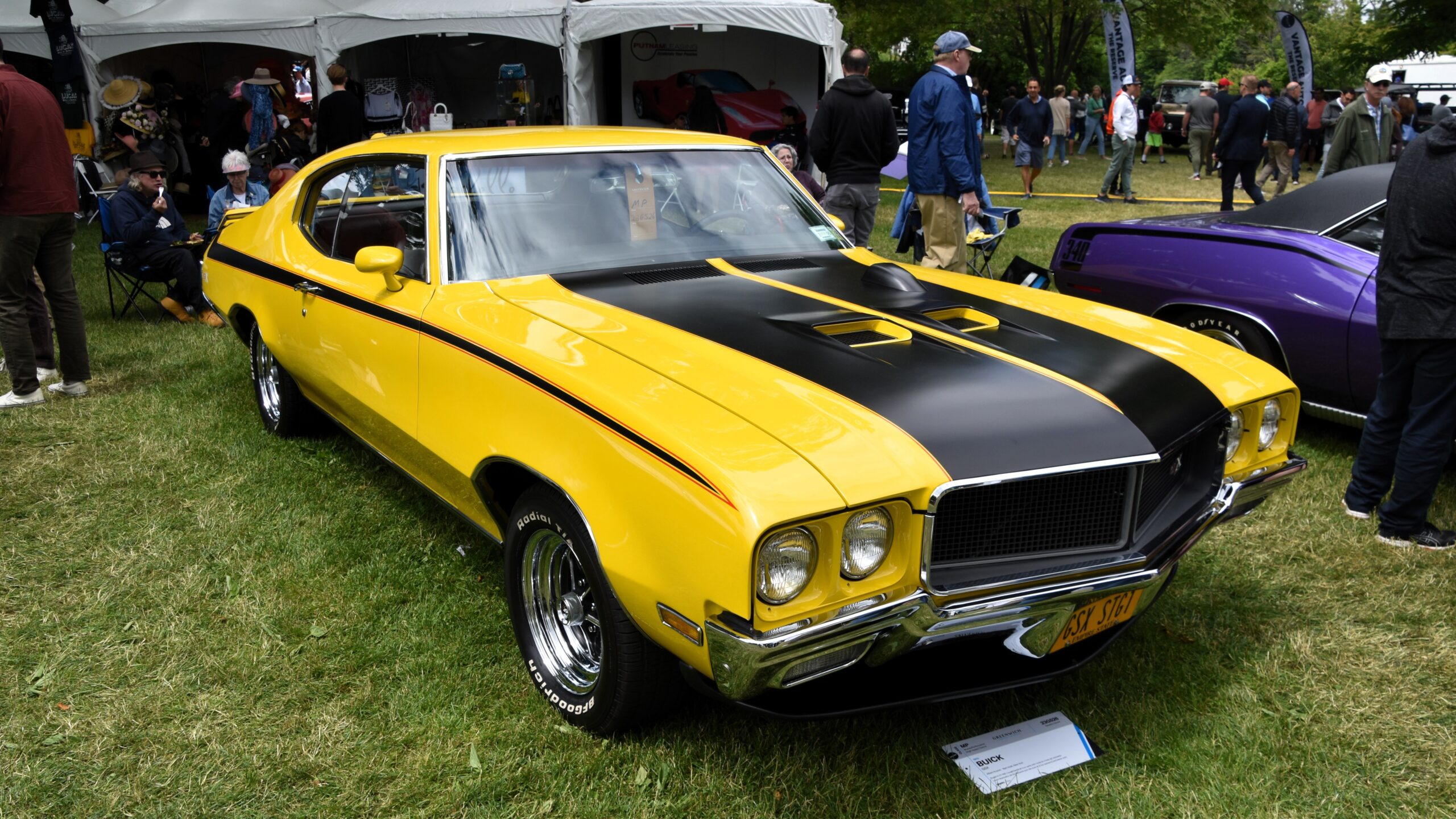
The 1970 Buick GSX Stage 1 arrived at the peak of the first muscle-car wave with a spec sheet that quietly rewrote the rules. Officially rated at 510 lb-ft of torque, it delivered the kind of shove that turned a full-size Buick into one of the quickest street cars Detroit ever sold while still wearing the badge of a luxury brand. In an era obsessed with quarter-mile bragging rights, this understated powerhouse briefly put Buick at the front of the muscle pack.
Today the GSX Stage 1 stands as proof that the most dominant cars of the period did not always shout the loudest. While rivals leaned on wild stripes and inflated horsepower claims, Buick wrapped serious engineering in a relatively refined package that could still embarrass the usual big-block heroes at the drag strip.
What happened
By 1970, Buick had already built a reputation for strong, torquey engines in its GS 400 and GS 455 models. The GSX package took that formula and pushed it to its limit. At the heart of the GSX Stage 1 sat the 455 cubic inch V8 that Buick rated at 360 horsepower and a towering 510 lb-ft of torque, figures that put it at the top of the factory torque charts among Detroit muscle cars. Period testing and later analysis have repeatedly highlighted that this output made the Stage 1 variant one of the most potent street engines of its time.
Buick paired that engine with a choice of four-speed manual or Turbo Hydra-Matic automatic transmissions and a heavy-duty rear axle, then wrapped the drivetrain in a GSX appearance and handling package. The GSX treatment added front and rear spoilers, a hood-mounted tachometer, and bold striping over either Apollo White or Saturn Yellow paint, along with bucket seats and performance-oriented suspension tuning. Even with the more extroverted graphics compared with a standard Buick, the car still carried an air of sophistication that differentiated it from more bare-knuckle rivals.
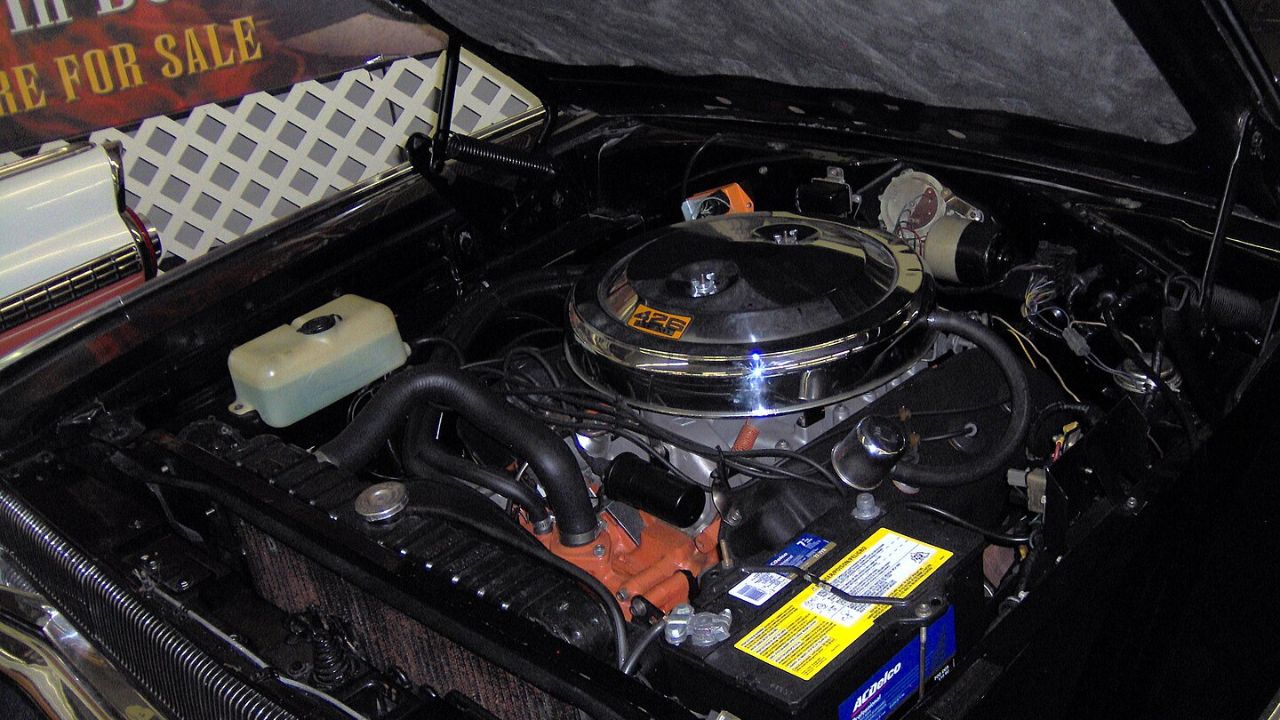
Underneath the stripes, the Stage 1 engine used a high-lift camshaft, larger valves, and revised carburetion and ignition curves to extract more performance from the 455 block. These changes, combined with the engine’s long stroke and relatively conservative factory redline, created a powerplant that produced its massive torque low in the rev range. Contemporary road tests reported brutal off-the-line acceleration and strong midrange pull, traits that made the GSX Stage 1 especially effective in real-world street driving rather than only at high rpm.
On the drag strip, the numbers backed up the spec sheet. Independent testing of well-tuned GSX Stage 1 cars recorded quarter-mile times in the low 13-second range at trap speeds around 105 to 106 miles per hour, performance that put the Buick in direct competition with the quickest Hemi-powered Mopars and big-block Chevrolets. Some tuners and owners coaxed even better times with minor modifications while retaining full street manners.
Despite this capability, Buick’s official marketing remained relatively restrained. The company emphasized the GSX as a high-performance extension of its existing Gran Sport line rather than positioning it as a bare-bones drag car. That approach reflected Buick’s core customer base, which traditionally valued comfort and refinement as much as outright speed. The GSX Stage 1 effectively tried to bridge those worlds, offering genuine muscle performance in a package that still felt like a premium car inside.
Production numbers remained low, which further sharpened the car’s mystique. The GSX package itself was rare compared with mass-market muscle models, and the Stage 1 performance option narrowed the field even more. Collectors today often point to that combination of scarcity, torque output, and Buick’s luxury image as key reasons the car has become one of the most sought-after muscle-era Buicks.
Modern retrospectives on muscle cars of the period frequently single out the 1970 GSX Stage 1 as a high point for Buick performance. Analyses of factory ratings and real-world testing have highlighted how the car’s official horsepower figure understated its true capability, with the 510 lb-ft torque rating standing as a more honest indicator of its strength. One such review of understated Buick horsepower has reinforced the idea that the GSX Stage 1’s official numbers told only part of the story.
Why it matters
The 1970 GSX Stage 1 matters first because of what it represented within Buick itself. The brand had long been positioned as a step up from Chevrolet and Pontiac in General Motors’ hierarchy, with a focus on comfort and quiet power rather than raw aggression. By creating a car that could legitimately outrun many purpose-built muscle machines, Buick showed that luxury and serious performance did not have to be mutually exclusive. The GSX Stage 1 effectively previewed later performance-luxury blends that became common decades afterward.
In the context of its rivals, the car’s 510 lb-ft torque rating was a statement. While other manufacturers often advertised aggressive horsepower numbers, Buick’s big-block delivered its advantage through sheer twisting force. That torque arrived low in the rev range, which meant the GSX Stage 1 could surge forward with little drama from ordinary street speeds. This trait differentiated it from high-strung competitors that needed more revs to reach their peak. The Buick approach suited the brand’s character: effortless, almost casual speed rather than frantic, noisy acceleration.
The GSX Stage 1 also illustrates how factory ratings in the muscle era often obscured real performance. Insurance pressures and looming emissions regulations created incentives for manufacturers to underrate engines. Buick’s official 360 horsepower figure for the Stage 1 engine has long been viewed as conservative given its quarter-mile performance and trap speeds. The more transparent 510 lb-ft torque rating, however, hinted at the engine’s true capability. That discrepancy has turned the car into a case study in how numbers on paper did not always match what drivers experienced on the road.
Historically, the GSX Stage 1 arrived at a turning point. The 1970 model year is widely regarded as the peak of the original muscle-car era, just before compression ratios began to fall and emissions controls tightened. Within a few years, the combination of high compression, big displacement, and relatively light regulation that made the GSX possible had largely disappeared from new-car showrooms. As a result, collectors often treat the 1970 GSX Stage 1 as a last-of-its-kind machine, a final expression of unrestrained Detroit torque before the industry shifted toward fuel economy and emissions compliance.
From a cultural standpoint, the GSX Stage 1 expanded the definition of what a muscle car could be. Many of the era’s icons were stripped-down coupes with minimal options and loud styling. The Buick, by contrast, offered power windows, air conditioning, and a more refined interior alongside its performance hardware. That combination foreshadowed later performance sedans and coupes that blended speed with comfort, from turbocharged Buicks in the 1980s to modern supercharged luxury models from multiple brands.
The car’s legacy also affects how enthusiasts view Buick as a brand. Without the GSX and its Stage 1 engine, Buick’s performance history might be remembered mainly for earlier nailhead V8s and later turbocharged V6 cars. The 1970 GSX Stage 1 serves as a crucial link in that chain, demonstrating that Buick could compete directly with the most feared muscle cars of its day. That heritage has helped sustain interest in the brand among performance-minded collectors even as Buick’s modern lineup has shifted toward crossovers and mainstream models.
On the collector market, the GSX Stage 1’s combination of rarity, performance, and brand identity has translated into strong values. Well-documented cars with original drivetrains command significant premiums over standard GS models, and Stage 1 examples often sit at the top of that hierarchy. Auction results and private sales reflect the car’s status as a blue-chip muscle collectible, comparable in desirability to high-spec Chevelle SS, GTO, or Mopar models of the same period.
Technically, the GSX Stage 1 also stands out for how it delivered its performance. The 455 engine’s emphasis on torque rather than high-rpm horsepower aligns closely with how modern performance cars are tuned, especially those using forced induction. Engineers today often prioritize broad torque curves that make cars feel strong in everyday driving rather than chasing peak horsepower figures at the top of the rev range. In that sense, the Buick’s philosophy feels surprisingly contemporary, even if its carbureted big-block and body-on-frame construction firmly belong to another era.
For enthusiasts and historians, the car offers a reminder that muscle did not always come from the brands most associated with drag racing. Chevrolet, Pontiac, and Dodge often dominate conversations about the period, but the GSX Stage 1 shows how a brand with a more conservative image could still build a car that led its rivals where it counted. That narrative adds depth to the broader story of American performance, highlighting the diversity of approaches that flourished before regulations and fuel crises narrowed the field.
What to watch next
Interest in the 1970 GSX Stage 1 is unlikely to fade as long as the muscle-car era continues to attract new generations of fans. Several trends will shape how the car is perceived and valued in the coming years. One is the ongoing shift in collector demographics. As younger enthusiasts enter the hobby, they often bring different tastes, sometimes favoring later performance cars from the 1980s and 1990s. Even so, the GSX Stage 1’s blend of luxury and brute force may help it resonate with those who appreciate both classic style and usable street performance.
Another factor is the growing emphasis on documentation and originality in the collector market. Because production numbers for GSX Stage 1 cars were low, verifying that a particular example left the factory with the correct options has become increasingly important. Build sheets, window stickers, and factory records play a central role in establishing authenticity. As more cars are restored or modified, unmolested examples with complete paperwork are likely to command even stronger premiums, further cementing the Stage 1’s status as a top-tier collectible.
Restoration practices will also shape the car’s future. Owners face choices about whether to preserve patina, pursue concours-level restorations, or build restomod versions that incorporate modern brakes, suspension, and drivetrains. Each path influences how the GSX Stage 1 is experienced and remembered. Purists argue that preserving original specifications honors the car’s historical significance, while others see value in updating components to make the car more usable in modern traffic. How the community balances these approaches will affect which examples become reference points for future enthusiasts.
Regulatory and cultural shifts around emissions and fuel consumption could further influence how cars like the GSX Stage 1 are driven and displayed. As cities and regions consider restrictions on older internal-combustion vehicles, owners may find it harder to use such cars regularly on public roads. That scenario could push more GSX Stage 1s into private collections and museum settings, where they serve as static artifacts rather than active participants in car culture. Conversely, growth in synthetic fuels or other low-carbon solutions might extend the practical driving life of high-displacement classics.
More from Fast Lane Only