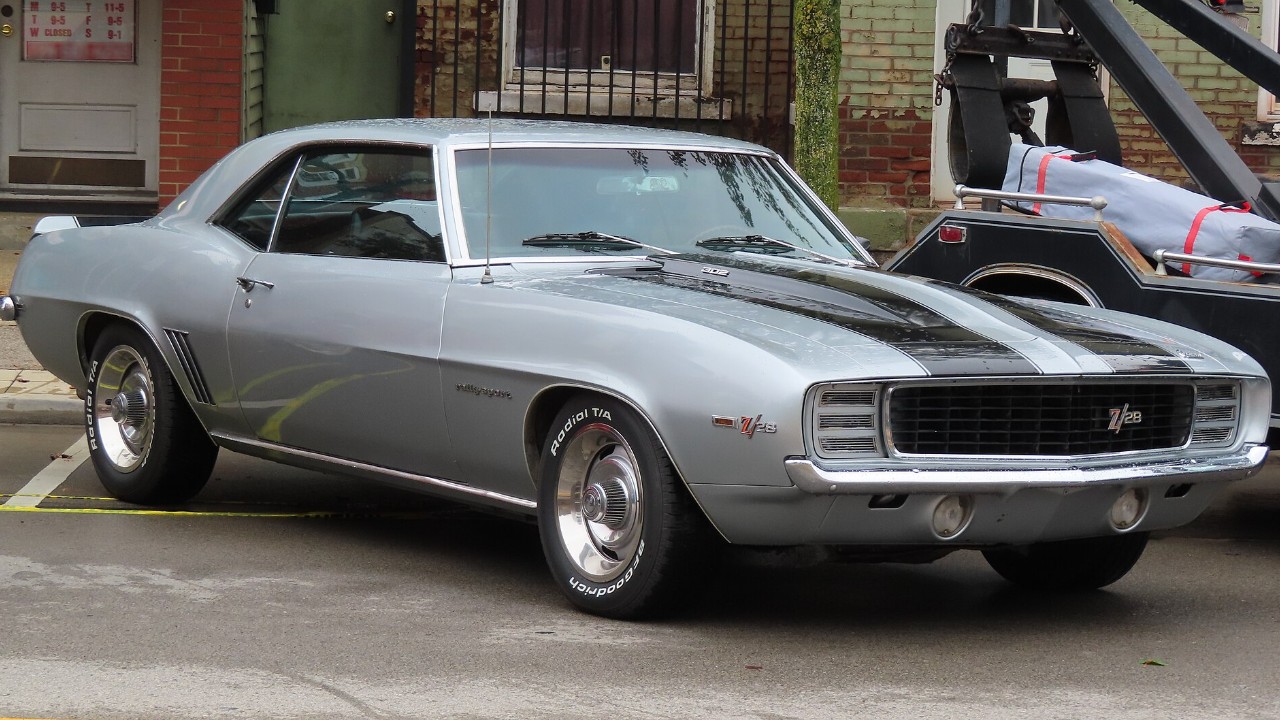
The Chevrolet DZ 302 carried a factory rating of 290 horsepower, and so did Ford’s Boss 302. Both engines were built so their makers could go racing, and both made far more than the brochure admitted once someone bolted them to a dyno.
That gap was no accident. Racing rules, insurance surcharges and, in Japan, an industry agreement on advertised output all gave carmakers reasons to print a modest number. Meanwhile, the engineers kept building engines for the track, so the hardware was always better than the paperwork.
These are our picks: six racing-derived engines whose measured output beat the factory claim. The choices and verdicts are our opinion. Every rating and dyno figure, however, comes from a published test or a reference we read for this story.
1. Chevrolet DZ 302 V8 (1969 Camaro Z/28)
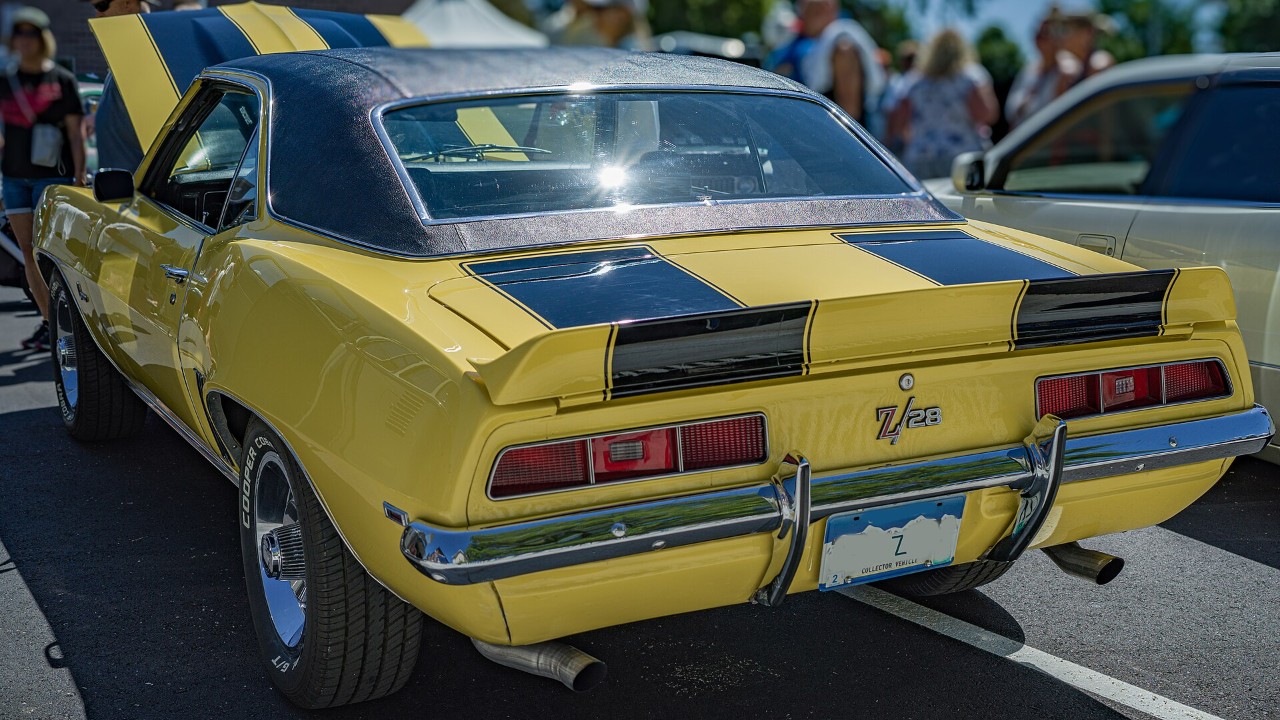
The SCCA Trans-Am rulebook capped displacement at 305 cubic inches, so Chevrolet built an engine to fit. It paired the 4.00-inch bore of the 327 block with the 3.00-inch stroke crankshaft from the 283. The result was the DZ 302, with forged pistons, 11.0:1 compression and a solid-lifter cam known as the “30-30.”
Chevrolet rated it at 290 bhp at 5,800 rpm. But when Richard Holdener ran a replica built to factory specs, it made 357 hp at 6,700 rpm and 333 lb-ft at 4,300 rpm, as Silodrome reports. Period insiders cited figures in the 375 bhp range at 6,800 rpm.
The racing record backs up the hardware. Mark Donohue won 10 of 13 Trans-Am races in 1968, and Chevrolet took the series again in 1969. Production grew fast too, from 602 Z/28s in 1967 to 20,302 in 1969. For more on the cars wrapped around this engine, see our underrated Camaros list.
Our take: the DZ 302 is the purest example of a rating that told only half the story. Its real character lives above the rpm where Chevrolet chose to measure it.
2. Ford Boss 302 V8 (1970 Mustang Boss 302)
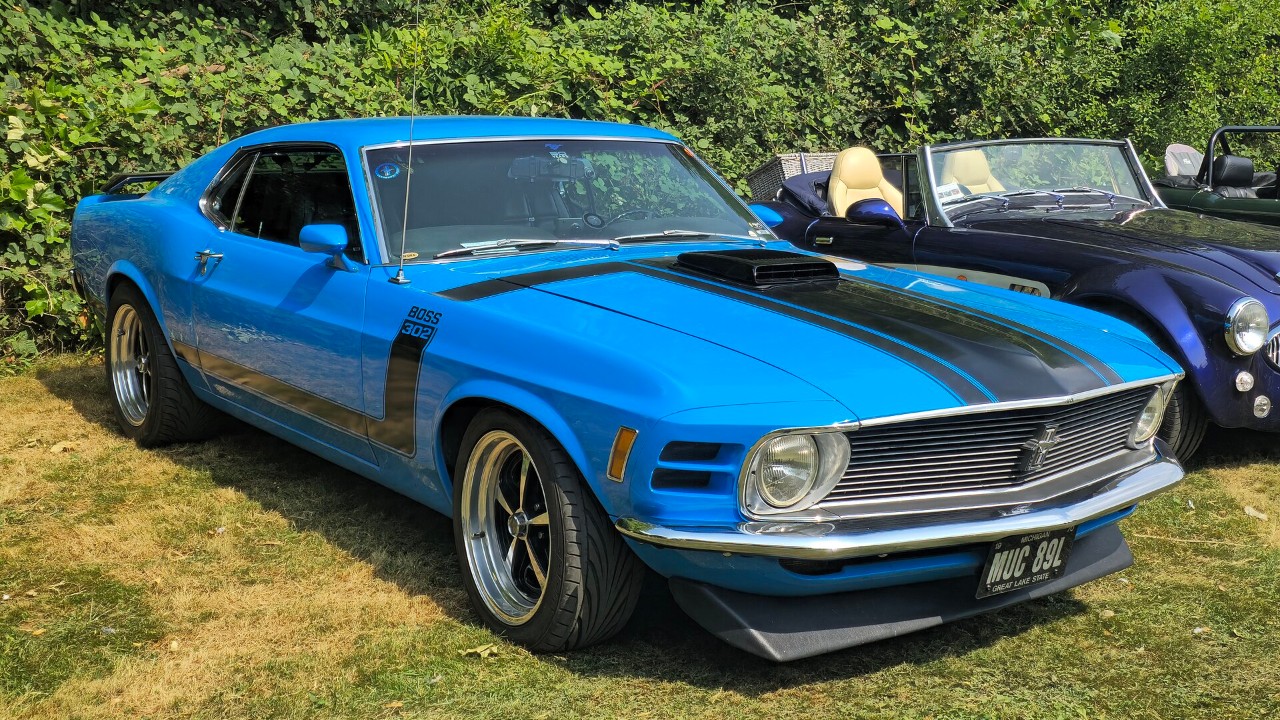
Ford answered the Camaro with its own 302 for the same Trans-Am class. Its secret was the cylinder head. Ford used a canted-valve design developed for the coming 351 Cleveland, because that layout allowed larger valves.
On paper, the Boss matched the Chevrolet DZ 302 exactly at 290 horsepower. In a head-to-head dyno test for EngineLabs, though, Richard Holdener saw 374 hp at 6,700 rpm and 324 lb-ft of torque at 4,300 rpm. The article itself calls the shared 290 rating “suspect.”
The same test showed how differently the two engines delivered their power. From about 3,700 to 5,800 rpm, the DZ made more, while the Boss pulled ahead above that range. In other words, the Ford rewarded drivers who kept it wound tight, which is exactly how a road-racing engine should behave.
In our view, the Boss 302 is the more satisfying engine of the pair once it is revving. Ford’s program aimed at the 1969 and 1970 Trans-Am titles, and it won in 1970. That makes the conservative rating look even more deliberate, since the engine was always meant to win races first and sell Mustangs second.
3. Chrysler 426 Street Hemi
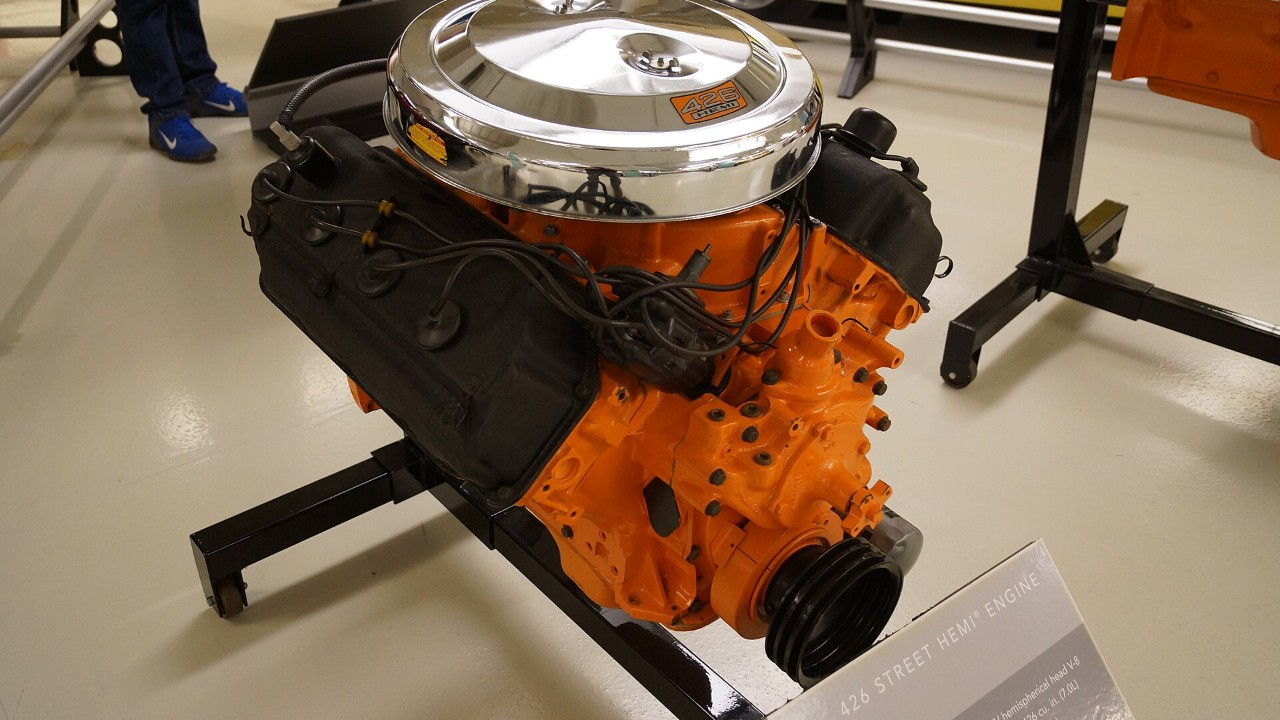
Chrysler introduced the Street Hemi in 1966 for its intermediate cars. Selling it to the public let the engine count as a production part for NASCAR stock car racing that year. It came with two four-barrel carburetors on an inline intake, and its size and weight earned it the nickname “elephant engine.”
The factory rating was 425 gross horsepower at 5,000 rpm, with 490 lb-ft at 4,000 rpm. Then Dodge’s own DodgeGarage site tested a 1966 Street Hemi built to near-stock specs. It kept the stock 10.25:1 compression, the dual-quad intake and the cast-iron exhaust manifolds, but it used a copy of the later 1968–69 street cam.
That engine made 494.4 hp at 5,950 rpm and 498.3 lb-ft at 4,500 rpm. Even at 5,000 rpm, where Chrysler took its rating, it produced 459.3 hp. That is 34.3 horsepower more than the factory claimed at the same engine speed.
Our take: few muscle-era ratings were more conservative than this one. If you ever wonder why Hemi cars command such respect, the dyno sheet answers the question better than any brochure.
4. Nissan RB26DETT (Skyline GT-R R32)
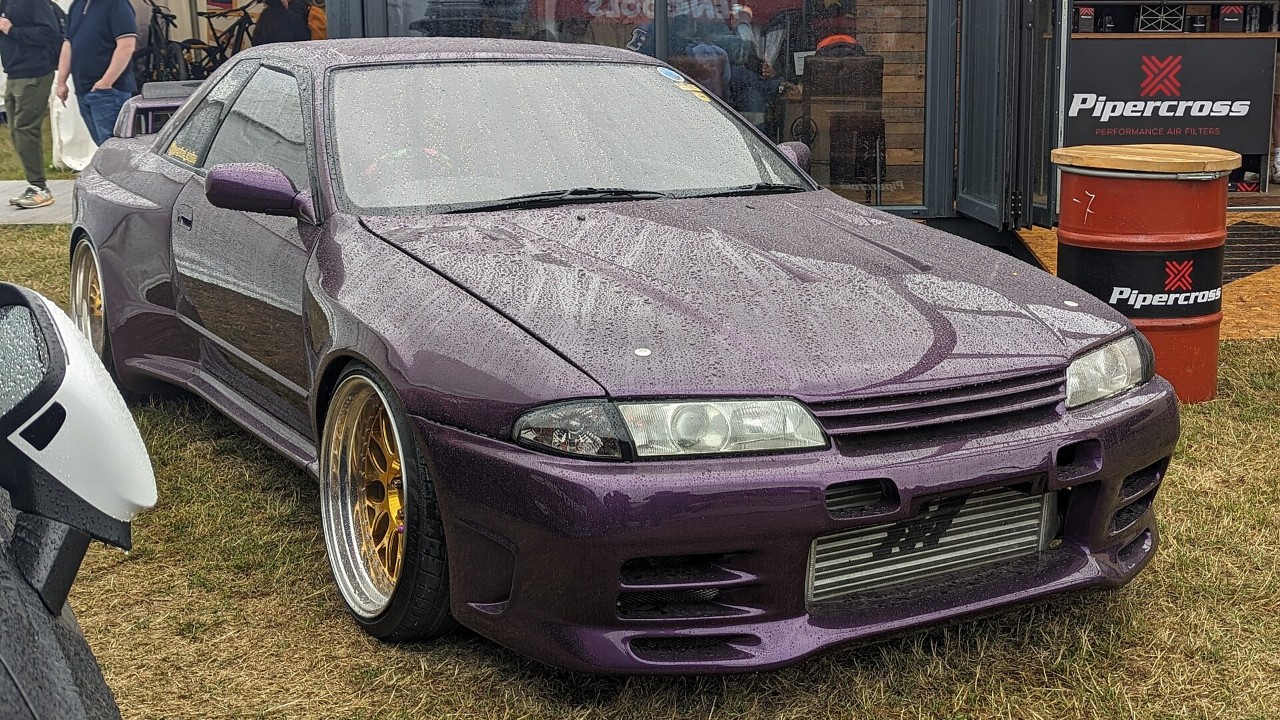
Nissan built the RB26DETT for the 1989 Skyline GT-R and its Group A racing program. The 2,568 cc inline-six uses a pair of T25-type ceramic turbochargers. It also breathes through six individual throttles instead of a single throttle body, a race-car touch on a road car.
Officially, it made about 276 bhp (280 PS) at 6,800 rpm. That figure matched the gentlemen’s agreement among Japanese makers to cap advertised power. However, when Doug DeMuro took a stock R32 GT-R with an aftermarket exhaust to a dyno for Jalopnik, three runs each showed 281 wheel horsepower.
That is more power at the wheels than Nissan claimed at the crank. DeMuro estimated about 320 crank horsepower, and RB Motoring’s own collection of stock-car dyno sheets lands in the same 275 to 285 wheel-horsepower range. We dig deeper into the engine in our story on the RB26DETT.
In our view, the RB26DETT is the clearest modern case of a number written to satisfy a rule rather than describe an engine. Nissan went on to use it in the R33 and R34 GT-R as well.
5. Chevrolet L88 427 V8 (1967–1969 Corvette)
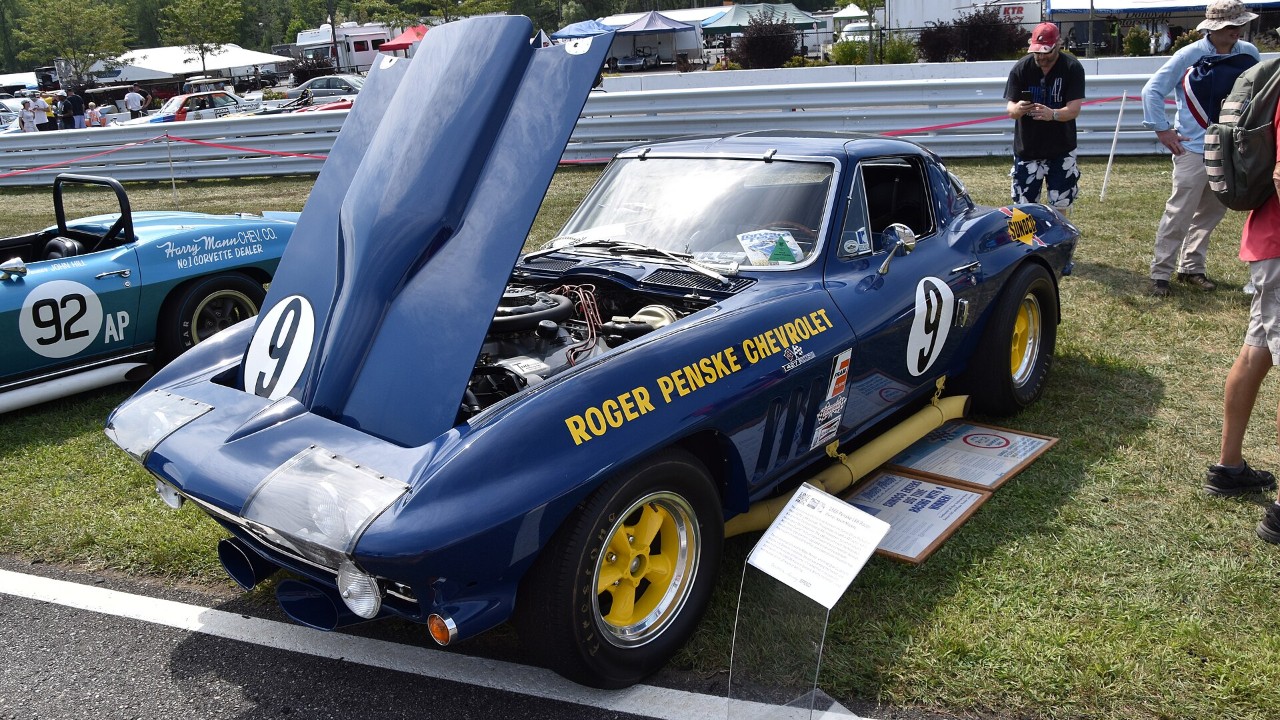
The L88 was a 427-cubic-inch big-block engineered for racing, and Chevrolet sold it in the Corvette from 1967 to 1969. Its 12.5:1 compression ratio demanded 103-octane fuel to reach its full potential. As a result, the cars served as turnkey machines for racing teams far more than as street cars.
Chevrolet’s official rating was 430 gross horsepower and 460 lb-ft of torque. Yet stock-trim engines have since shown more than 560 hp on the dyno, according to Silodrome. Chevy Hardcore puts factory-spec engines between 520 and 540 horsepower. Either way, the real figure sits at least 90 horsepower above the claim. The same Chevy Hardcore story notes that racers such as Don Yenko knew what the engine could really do.
Chevrolet kept the option rare. It built roughly 20 L88 Corvettes in 1967, 80 in 1968 and 116 in 1969, for 216 in all. Our single on the 1969 Corvette L88 covers what that racing focus meant for the people who drove one.
Our take: the L88 is the boldest understatement of the era. Chevrolet built a race engine, gave it a modest number and let the stopwatch do the talking.
6. Plymouth 340 Six Barrel (1970 AAR ‘Cuda)
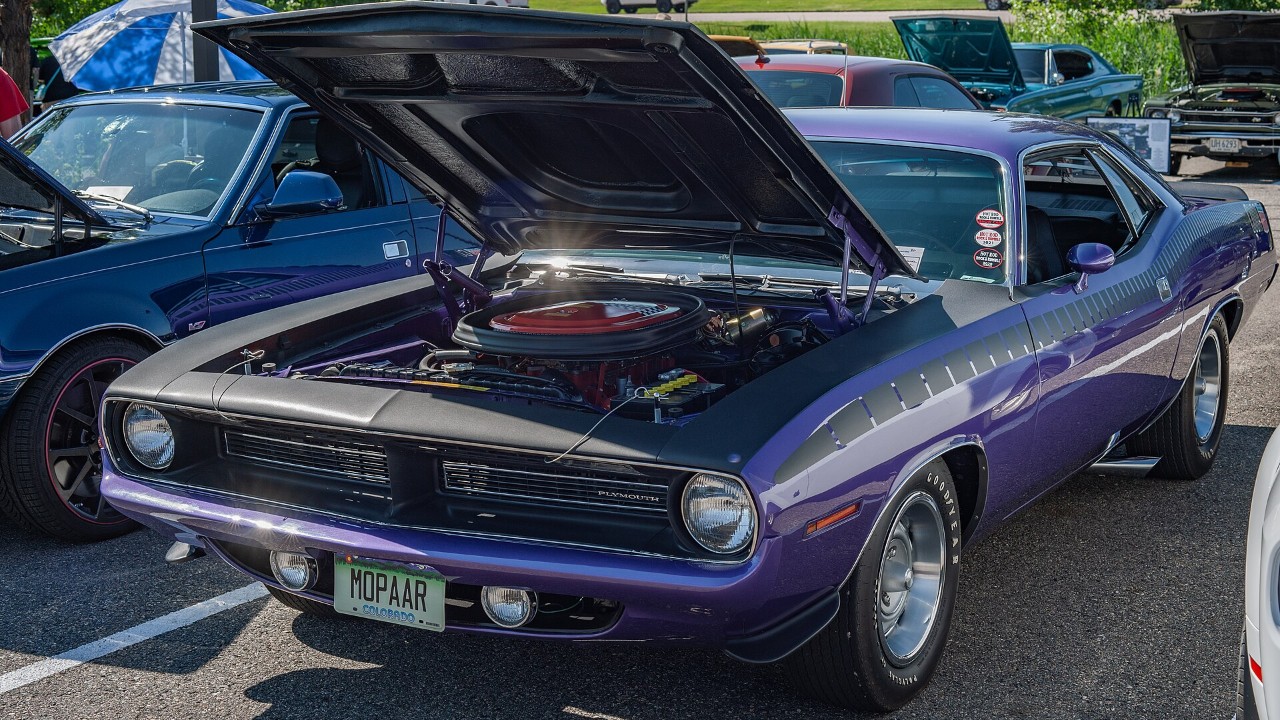
In 1970, Plymouth entered SCCA Trans-Am racing with Dan Gurney’s All American Racers. Homologation required at least 2,500 street versions, so Plymouth built the AAR ‘Cuda. All 2,724 cars came together in a five-week span between March and April 1970, according to the Audrain Automobile Museum.
Under the hood sat a 340 V8 with three two-barrel Holley carburetors, rated at 290 bhp at 5,000 rpm and 345 lb-ft of torque. Later, DodgeGarage tested a 340 Six Pack built with minimal deviations from the factory recipe. With stock exhaust manifolds, it made 356 hp at 5,500 rpm.
That test engine was bored 0.040 inch over, to about 346 cubic inches, so it is not a perfect stock match. Even so, the result sits 66 horsepower above the rating. Gurney and Swede Savage drove the race cars, while the street car could reach 60 mph in 5.8 seconds by the museum’s figures.
In our view, the AAR ‘Cuda is the most underrated car on this list. Its small-block gave away nothing to the big names, and Plymouth built just 2,724 of them in a single model year.
More from Fast Lane Only