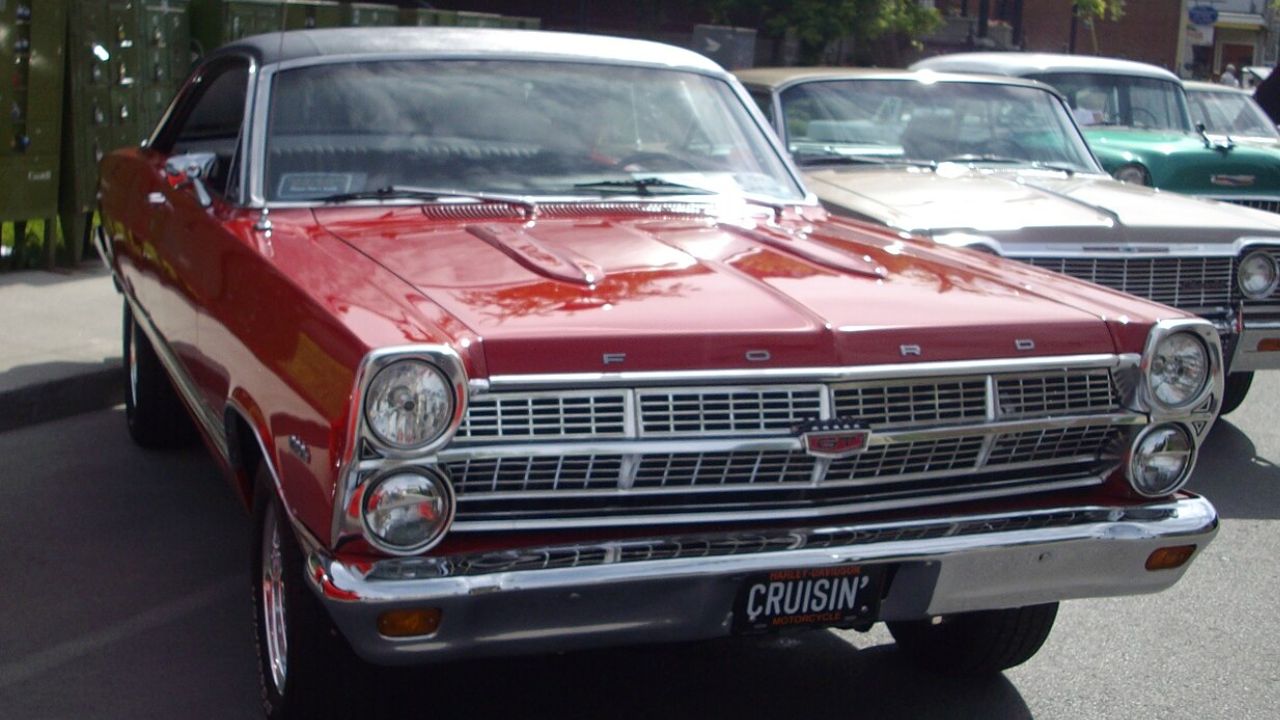
The 1967 Ford Fairlane GT, equipped with a powerful 390 cubic inch V8 engine, made a significant mark in the muscle car era. With a 0-60 mph time of around 7 seconds, it showcased Ford’s commitment to performance and style during a transformative period in automotive history.
Historical Context of the 1967 Fairlane GT
The 1960s marked a pivotal time in American automotive culture, characterized by the emergence of muscle cars. As manufacturers sought to capture the attention of a youthful demographic eager for speed and style, the muscle car boom began to take shape. The Fairlane GT, introduced in 1967, was Ford’s answer to the growing demand for high-performance vehicles. This era saw the rise of iconic models from competitors like Chevrolet and Pontiac, each vying for market share in this burgeoning segment.
Ford strategically positioned the Fairlane GT to compete against rivals such as the Chevrolet Camaro and the Pontiac GTO. With its sleek design and robust performance capabilities, the Fairlane GT quickly gained traction among car enthusiasts. Key features that defined the model included a distinctive hood scoop, sporty stripes, and a powerful V8 engine, all contributing to its reputation as a formidable contender in the muscle car arena.
The Engine: 390 V8 Specifications
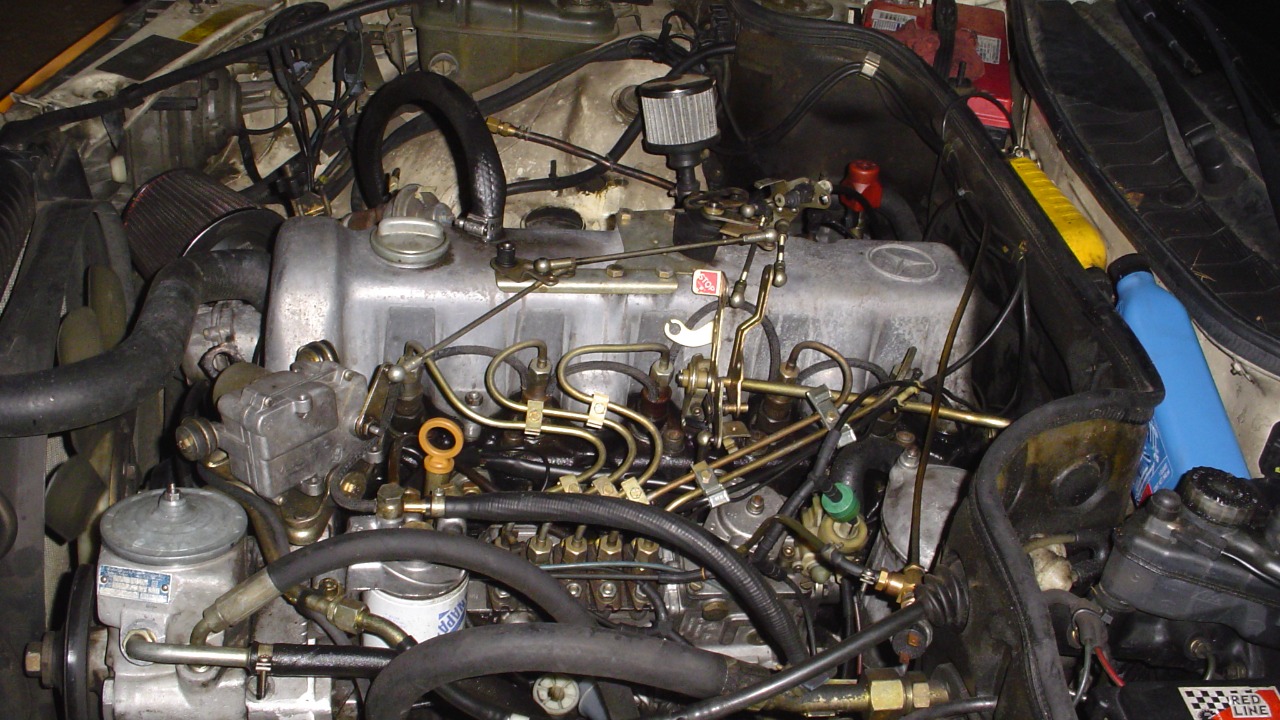
At the heart of the 1967 Fairlane GT was the 390 cubic inch V8 engine, a powerhouse that delivered impressive performance figures. This engine was capable of producing 320 horsepower and 427 lb-ft of torque, making it one of the most potent options available in the Fairlane lineup. The engineering behind the 390 V8 included a four-barrel carburetor and an aluminum intake manifold, which enhanced its performance and responsiveness.
When compared to other engines available in the Fairlane lineup, the 390 V8 stood out due to its robust power output. The standard inline-six and smaller V8 options simply could not match the muscle and acceleration that the 390 offered. This engine’s design was also notable for its durability and ease of maintenance, which endeared it to both casual drivers and serious gearheads. Ford’s commitment to performance was evident in the engineering and design of the 390 V8, setting a high bar for competitors.
Performance Metrics
The Fairlane GT’s performance metrics were nothing short of impressive for its time. Achieving a 0-60 mph time of around 7 seconds placed it in the upper echelon of muscle cars in the late 1960s. This acceleration was complemented by a well-tuned suspension system that provided a balance between comfort and handling, making the Fairlane GT an enjoyable car to drive both on the street and the racetrack.
In terms of handling, the Fairlane GT was equipped with a front disc brake system that improved stopping power, a crucial feature for any performance vehicle. The weight distribution of the car was also carefully engineered to enhance stability during high-speed maneuvers. This combination of acceleration, handling, and braking made the Fairlane GT a standout in its class, appealing to those who sought both performance and a thrilling driving experience.
Design and Aesthetic Appeal
The exterior design of the 1967 Fairlane GT was a bold statement in the muscle car landscape. Its long hood and short rear deck created a classic coupe silhouette that exuded power and presence. Distinctive design elements, such as the dual headlights and aggressive front grille, contributed to its sporty aesthetic. The model was available in a variety of vibrant colors, including the striking “Acapulco Blue” and “Rangoon Red,” which further enhanced its visual appeal.
Inside, the Fairlane GT offered a driver-focused cockpit with optional bucket seats and a center console that added a touch of sportiness. Buyers could choose from various interior trim options, allowing for a degree of customization that catered to individual preferences. Features such as an AM radio and a vinyl interior were standard, reflecting the blend of performance and comfort that Ford aimed to achieve with this model.
5. The Fairlane GT in Popular Culture
The 1967 Fairlane GT has made notable appearances in films and media, contributing to its legendary status among car enthusiasts. Movies from the late 1960s and beyond often showcased this muscle car, solidifying its image as a symbol of American automotive prowess. The Fairlane GT captured the imagination of audiences, becoming a sought-after vehicle in pop culture, particularly in action films and road movies.
Furthermore, the Fairlane GT has influenced car collectors and enthusiasts to this day. Its unique combination of style, performance, and historical significance has made it a desirable model for restoration and collection. The car’s presence in music and art has also been significant, with references in songs and artwork that celebrate the golden age of American muscle cars. This cultural impact underscores the Fairlane GT’s status as more than just a vehicle; it’s a piece of automotive history.
Collectibility and Legacy
The 1967 Fairlane GT’s status as a collector’s item is driven by several factors. Its limited production numbers, alongside its performance credentials, make it a rare find in the classic car market. Car shows and vintage car auctions have played a vital role in preserving its legacy, showcasing well-restored examples and connecting enthusiasts with the history of this remarkable vehicle.
Testimonials from owners and collectors often highlight the joy of driving a Fairlane GT. Many enthusiasts cherish the experience of restoring these classic cars, sharing stories of their journeys to bring them back to life. The camaraderie within the collector community further enhances the Fairlane GT’s legacy, as owners celebrate their shared passion for this iconic muscle car.
Maintenance and Restoration Tips
Owning a classic Fairlane GT comes with its unique set of challenges and rewards. Common issues faced by owners often include rust, electrical problems, and engine maintenance. Addressing these issues promptly is essential for preserving the car’s performance and value. For those looking to restore a Fairlane GT, thorough research and sourcing quality parts are crucial steps in the process.
There are numerous resources available for parts and restoration services, including specialized forums and websites dedicated to classic Fords. Additionally, connecting with local car clubs can provide valuable insights and assistance in finding rare components. Maintaining the value of a classic muscle car like the Fairlane GT is not just about keeping it running; it’s about preserving its heritage and ensuring it continues to be appreciated for generations to come.
The Future of the Ford Fairlane GT
As automotive culture continues to evolve, there is speculation about the potential resurgence of classic muscle cars in modern times. The Fairlane GT’s legacy as a performance vehicle remains significant, influencing Ford’s ongoing commitment to high-performance cars. With a renewed interest in vintage vehicles, events celebrating classic cars may further bolster the Fairlane GT’s prominence.
Community initiatives and car shows dedicated to muscle cars are becoming increasingly popular, offering forums for enthusiasts to celebrate their passion. The Fairlane GT, with its storied history and impressive performance, is likely to remain a focal point in these gatherings. As new generations discover the thrill of classic muscle cars, the Fairlane GT will continue to hold a special place in the hearts of car lovers.
More from Fast Lane Only