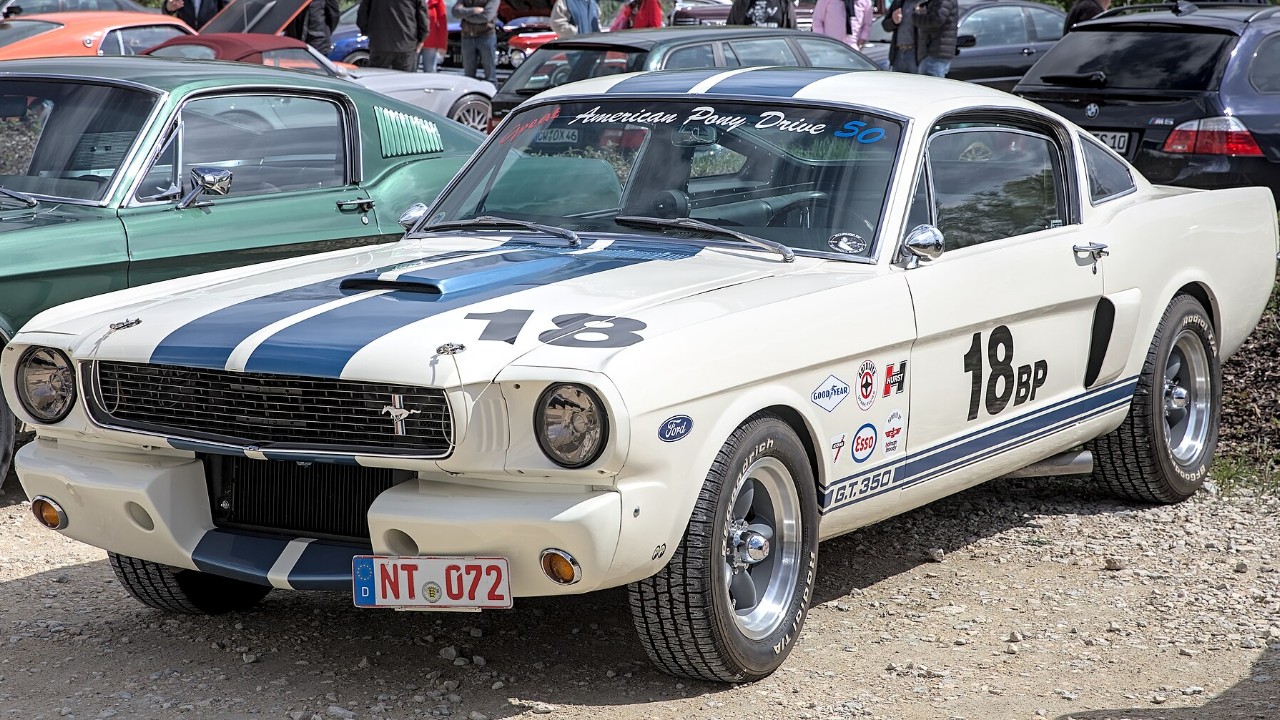
Shelby American built just 36 examples of the Shelby GT350R, and those stripped Mustangs went on to dominate a season of club racing. That is a small number, especially for a car so many people know by sight. Still, the 1960s were full of machines like that, cars that left a bigger mark than their production figures suggest.
The decade gave us mid-engine Le Mans winners, 400-cubic-inch family cars, a German limousine for heads of state and a rear-engine sports car that had to change its name. Some of them sold in the hundreds of thousands. Meanwhile, others barely reached triple digits, yet each one changed what buyers expected.
These are our picks for ten automobiles that became legends of the 1960s. The choices and verdicts are our opinion. The years, engines and figures behind them come from factory heritage pages, period road tests, auction research and model histories.
1. 1965 Shelby GT350R
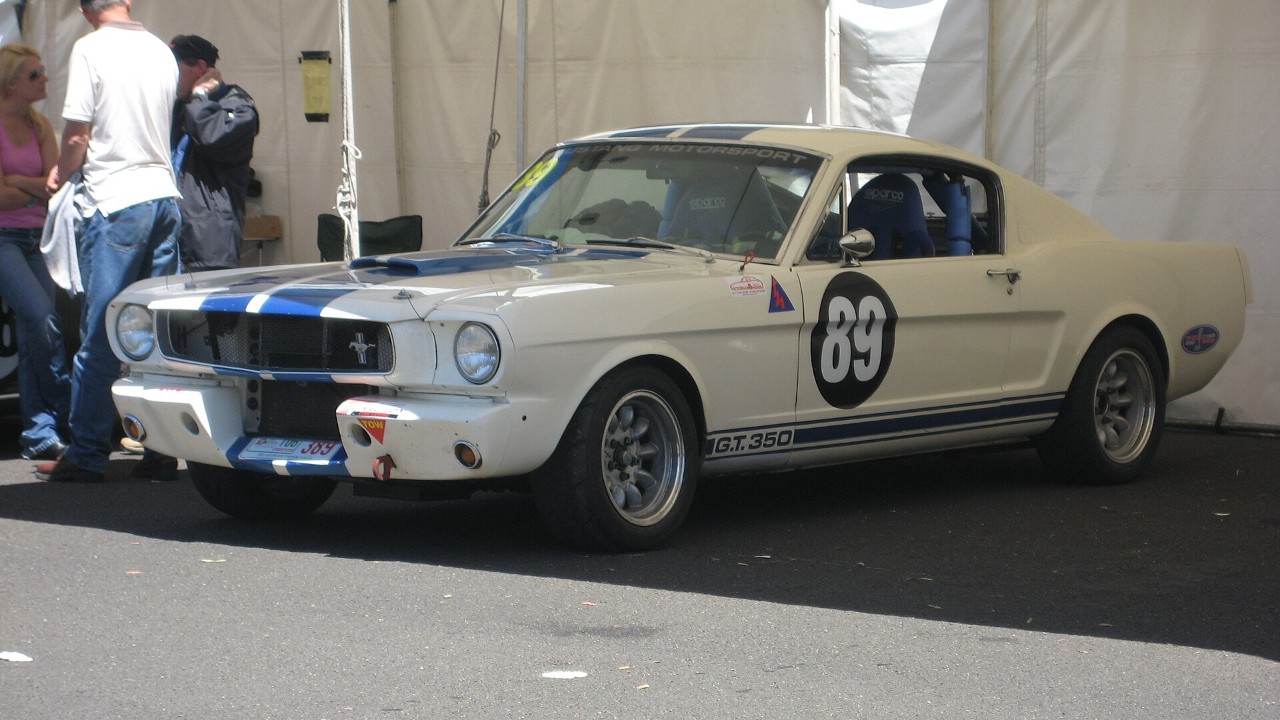
Shelby’s R stood for racing, and the team meant it. Hagerty’s history of the car says the team cut weight by removing the bumpers, swapping in Plexiglas windows, fitting a fiberglass front apron and gutting the interior. Under the hood, meanwhile, sat the 289 “K-code” V8 that Shelby had already used in Cobra competition cars for three years.
The results came fast. According to Hagerty’s look at the 1965 Shelby GT350R, R models won five of six regional SCCA championships that year. In fact, Jerry Titus took the 1965 B-Production national title in car 5R001. Production R models cost $5,995 when new, about $1,500 more than a street GT350.
Our take: few race cars wore a showroom badge as convincingly as the Shelby GT350R. The street cars carried the image, and Hertz even put Shelbys into its rental lots, as our story on the Hertz GT350H fleet explains. Meanwhile, one of the two GT350R prototypes sold for $3.85 million in Indianapolis in July 2020, Hagerty reports.
2. 1962 Jaguar E-Type Series 1 Roadster
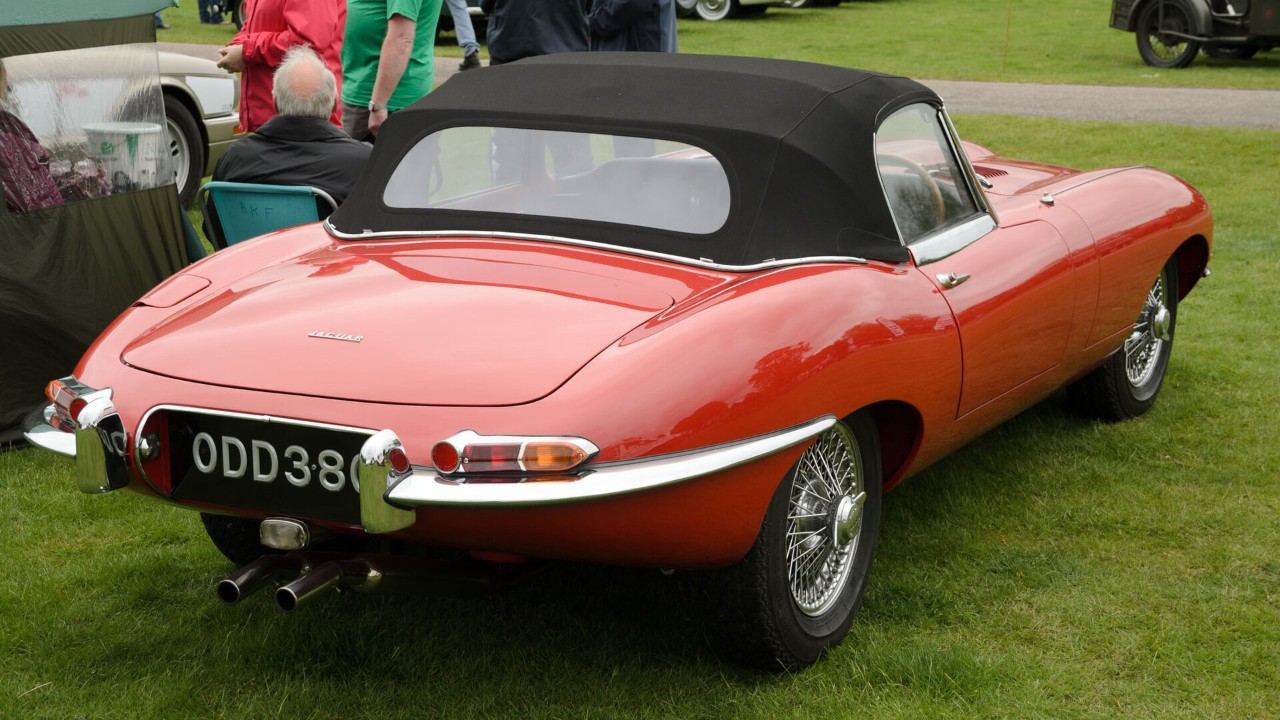
Jaguar showed the E-Type on 15 March 1961, and export sales began that same month. The open two-seater used a 3.8-liter XK six with three SU carburetors, rated at 265 bhp. Jaguar claimed 150 mph, and a 1961 Motor magazine test of an open 3.8-liter car recorded 149.1 mph.
At the time, that test car cost £2,097 including taxes. Early cars also had flat floors and bonnet latches that needed a tool to open, details that collectors now check closely.
In our view, the roadster is the purest version of the shape. Jaguar built 7,828 open two-seaters with the 3.8-liter engine before the 4.2-liter car took over in late 1964. If you want to see how the design changed after that, our guide to seven E-Type versions from the Series 1 to the V12 walks through each step.
3. 1966 Ford GT40 Mk II
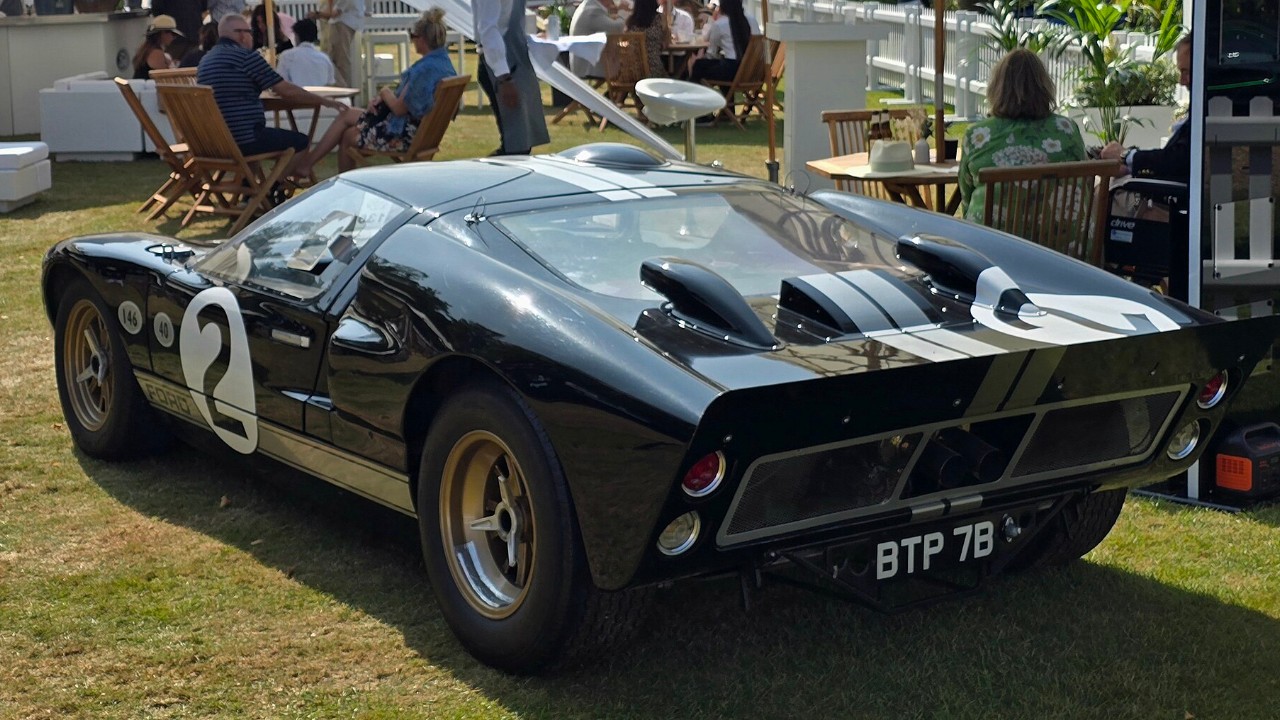
Ford’s answer to Ferrari got a lot bigger for 1966. The Mk II carried a 427-cubic-inch, 7.0-liter V8 in a car built for endurance racing. Later that June, the Le Mans winner wore chassis number GT40P/1046.
The 1966 season opened with a sweep. Mk II cars finished first, second and third at the Daytona 24 Hours. Then, at Le Mans, Bruce McLaren and Chris Amon won in the Shelby American entry, again leading a Ford 1-2-3. That result broke Ferrari’s run of wins at the French race, although the photo finish itself stayed controversial.
Our take: this is the GT40 that finally turned effort into a Le Mans win. Across all versions, 105 GT40s were produced between 1964 and 1969. However, the Mk II is the one that delivered the first of those victories.
4. 1966 Shelby 427 S/C Cobra
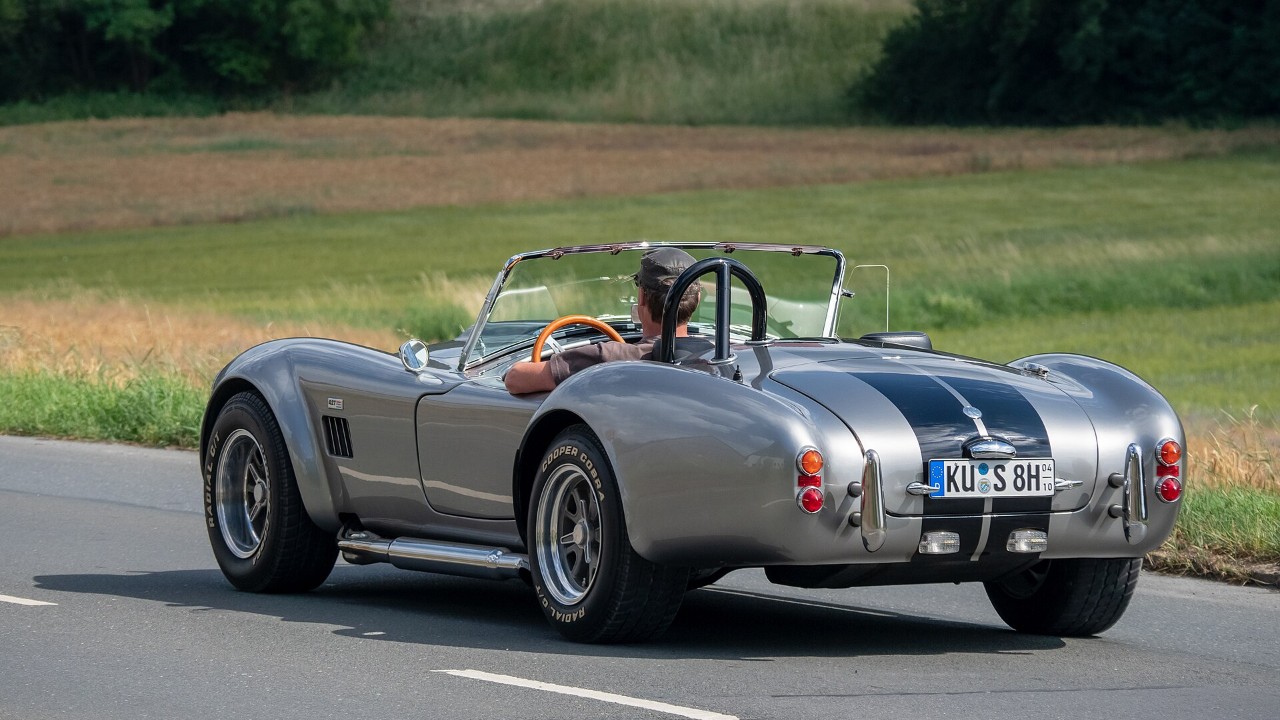
The S/C exists because of a paperwork problem. Shelby needed 100 coil-spring Mark III Cobras to homologate the car for 1965 racing. When FIA inspectors arrived in April 1965, though, only 56 of those cars were finished.
So the leftover competition chassis needed buyers. Shelby converted them for the street, and 31 received windscreens along with production dual-quad 427 side-oiler engines. The 7.0-liter FE V8 in semi-competition tune was rated at 485 hp, compared with 425 hp for the regular 427 street car.
In our view, the S/C is the most honest Cobra of all. It is a race car that happened to get a windshield, with coil springs at all four corners and very little in the way of comfort. That’s why it remains a benchmark for every replica builder who followed.
5. 1962 Ford Galaxie 500 XL
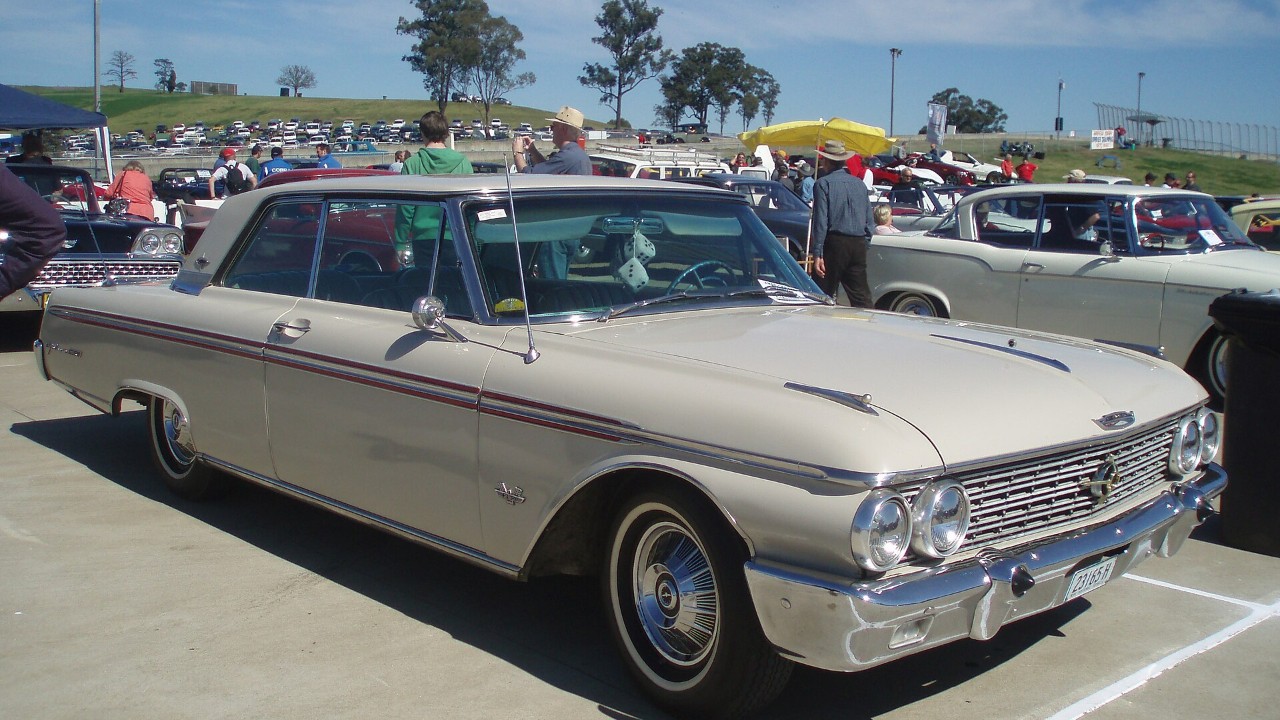
Ford added the XL in the middle of the model year as part of its “Lively Ones” sales push. Ford’s own literature said XL stood for “Xtra Lively.” The package brought bucket seats and a center console to the full-size Galaxie, an idea Ford had watched work on the Chevrolet Corvair Monza.
Buyers could also pick a two-door hardtop or a convertible, and the XL badge replaced the old Sunliner script on the drop-top. A 292 V8 came standard. On the other hand, the options list ran up to a 406-cubic-inch V8 with either a single four-barrel or three two-barrel carburetors.
Our take: the XL proved that a big family Ford could sell on style and speed, not just space. Ford built 446,195 Galaxie-series cars for 1962, and the XL gave that huge line a sporty flagship.
6. 1969 Chevrolet Camaro ZL1
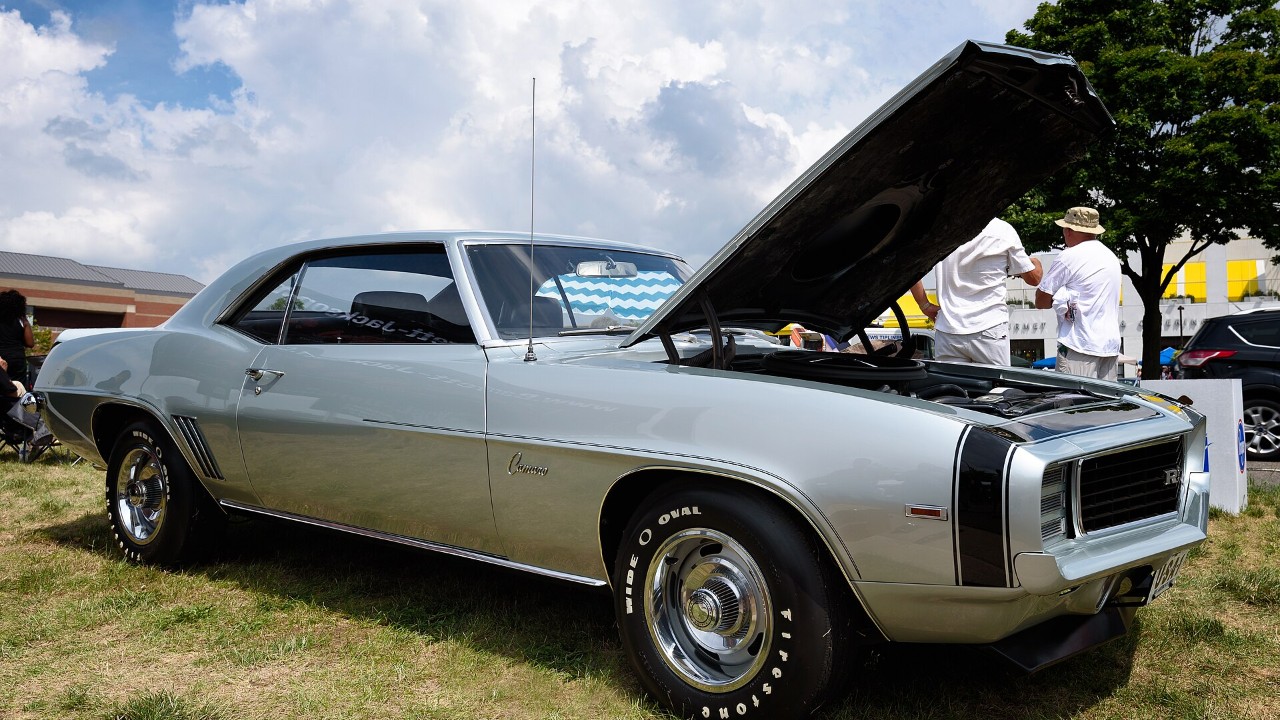
The ZL1 began as a drag-racing plan. Racer Dick Harrell conceived it, and Fred Gibb Chevrolet in La Harpe, Illinois, ordered the cars through Chevrolet’s COPO 9560 process for NHRA Super Stock. The heart of the car was an all-aluminum 427 V8.
Chevrolet rated that engine at 430 hp gross, and with exhaust changes and tuning it could top 500 hp. Each engine took 16 hours of hand assembly at the Tonawanda plant, in a room Zora Arkus-Duntov described as “surgically clean.” The engine alone cost more than $4,000, which was more than an entire base V8 Camaro.
In our view, the ZL1 is the clearest example of a factory race part sold with a warranty card. Chevrolet produced a total of 69 ZL1 Camaros. As a result, nearly every survivor has a documented history worth reading before you look at the paint.
7. 1964 Porsche 901
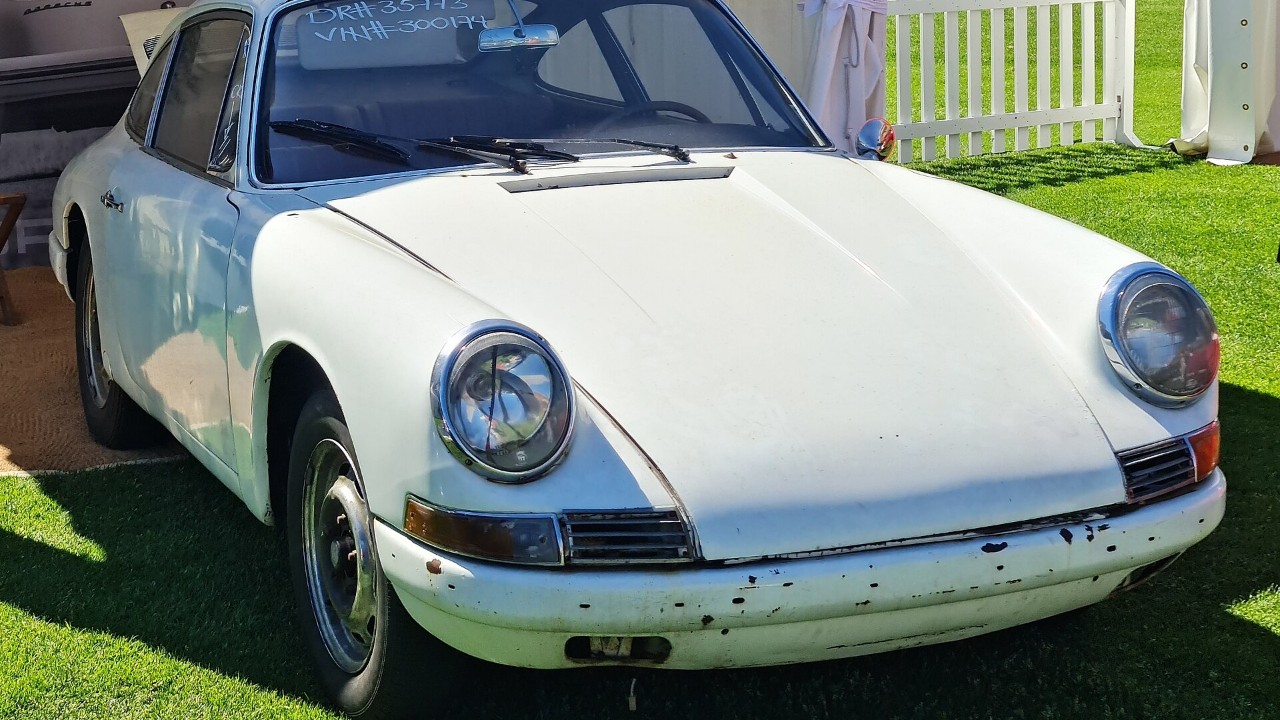
Porsche introduced the 901 at the Frankfurt IAA in September 1963 as the successor to the 356. Series production began a year later, in September 1964. Then the car went to the Paris Motor Show that October, and Peugeot objected.
The French maker held the rights to three-digit model names with a zero in the middle. As a result, Porsche renamed the car 911, and the Porsche Classic page on the 901 says 82 units carried the original name. Those early cars had chrome bumper guards, chrome horn grilles, a gold-colored Porsche logo and wipers parked on the right-hand side.
Our take: the name lasted only a few months, but the layout is still on sale. The first cars used a rear-mounted 2.0-liter flat-six rated at 130 PS. Inside the factory, part numbers kept the 901 prefix for years afterward.
8. 1969 Dodge Charger Daytona
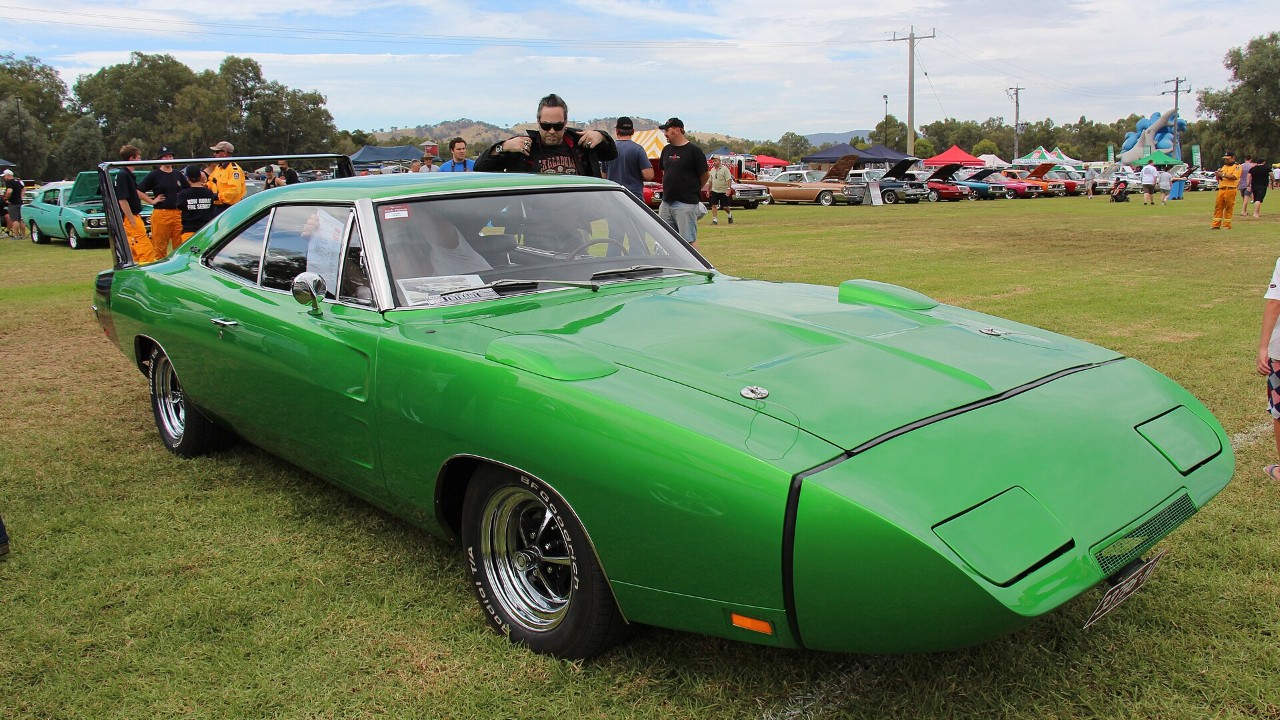
Dodge built the Charger Daytona to win on NASCAR’s fastest tracks, and it looked like nothing else at a dealership. A sheet-metal nose cone replaced the upright grille. At the back, a stabilizer wing stood 23 inches tall above the deck lid.
In total, Dodge made 503 Daytonas for 1969. The 440 Magnum was standard, while only 70 cars got the 426 Hemi. The biggest moment came on March 24, 1970, at Talladega. During testing that day, Buddy Baker turned a lap at 200.447 mph, which the NASCAR Hall of Fame calls the first closed-course lap above 200 mph.
In our view, few cars earned their wings so literally. Baker’s car carried its No. 88 on the right-side door only. Today it belongs to Scott Borchetta, Ray Evernham’s team restored it, and it sits on display in the Hall of Fame’s Great Hall.
9. 1965 Mercedes-Benz 600 Pullman
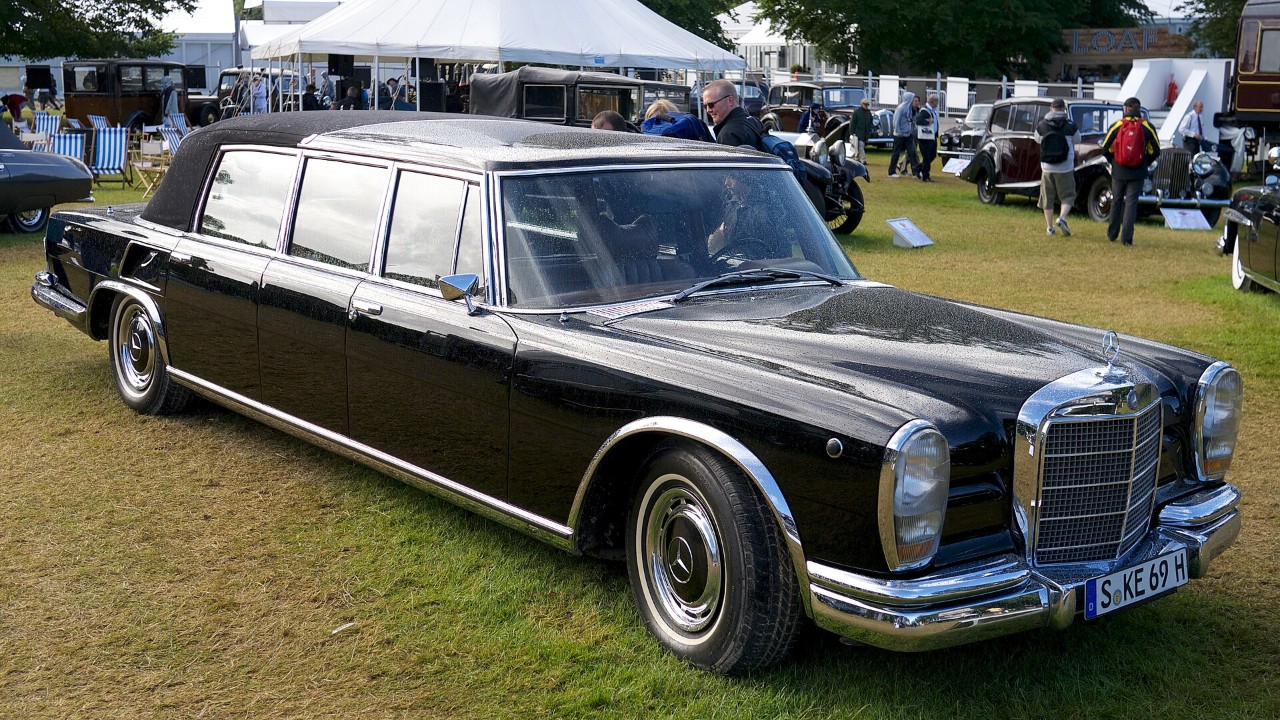
Mercedes-Benz started series production of the 600 in August 1963 and kept building it until 1981. The engine was a 6.3-liter M100 V8 with Bosch mechanical fuel injection, rated at 250 PS. A hydraulic system running at about 150 bar powered the windows, seats, sunroof and trunk lid.
By comparison, the long-wheelbase Pullman stretched to 6,240 mm, or 245.7 inches. Mercedes built 304 four-door Pullmans and 124 six-door cars out of 2,677 600s in all. Yugoslavia’s Josip Broz Tito, for example, owned four 1965 long-wheelbase six-door Pullmans.
Our take: this was the decade’s answer to the question of what a state car should be. It is huge, quiet and complicated, and its hydraulics demand a specialist. Even so, nothing else from the decade carried its passengers with more ceremony.
10. 1961 Chevrolet Impala SS 409 convertible
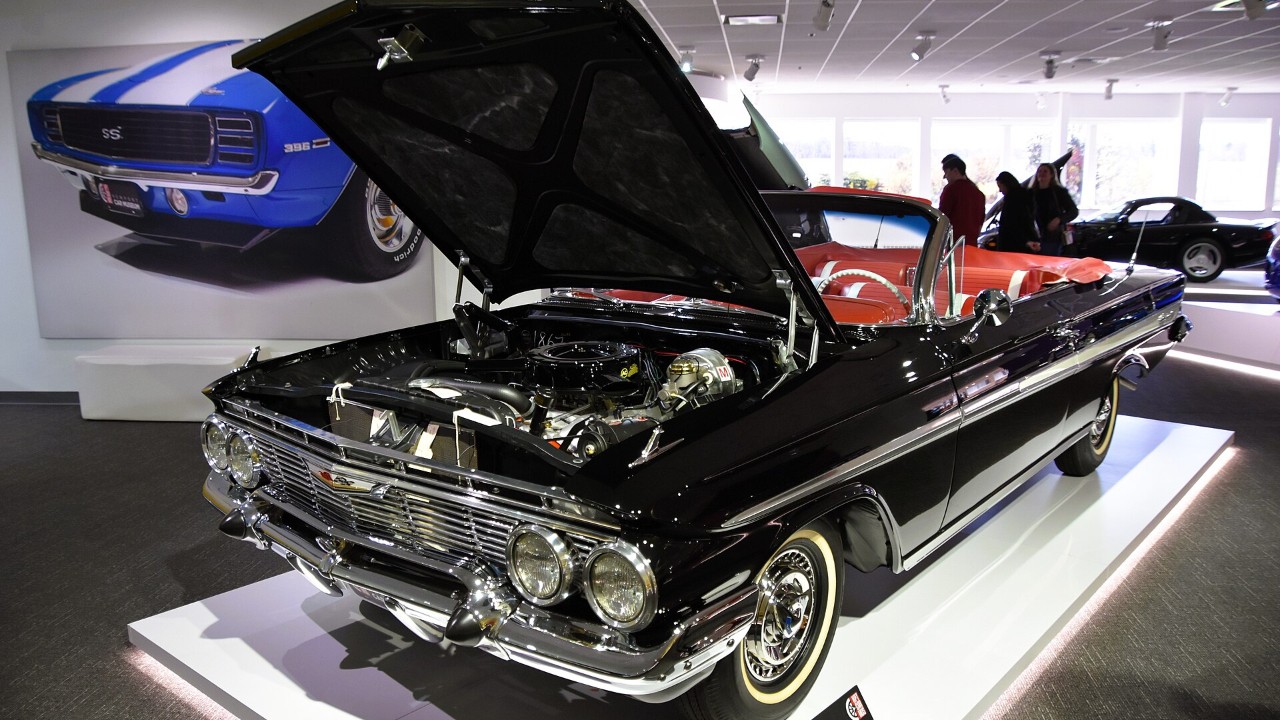
Chevrolet introduced the Impala Super Sport option on December 17, 1960, for the 1961 model year. That first year, the SS could carry the new 409-cubic-inch V8, rated at 360 hp. That option turned a stylish full-size cruiser into a genuine performance car.
The combination stayed rare at first. Then the Beach Boys made the engine a pop-culture name with their hit single “409.” In our view, a 1961 SS 409 convertible is the most fun way to own that story, because you hear the engine better with the top down. Only 142 of the 1961 Impala Super Sports left the factory with the 409.
More from Fast Lane Only