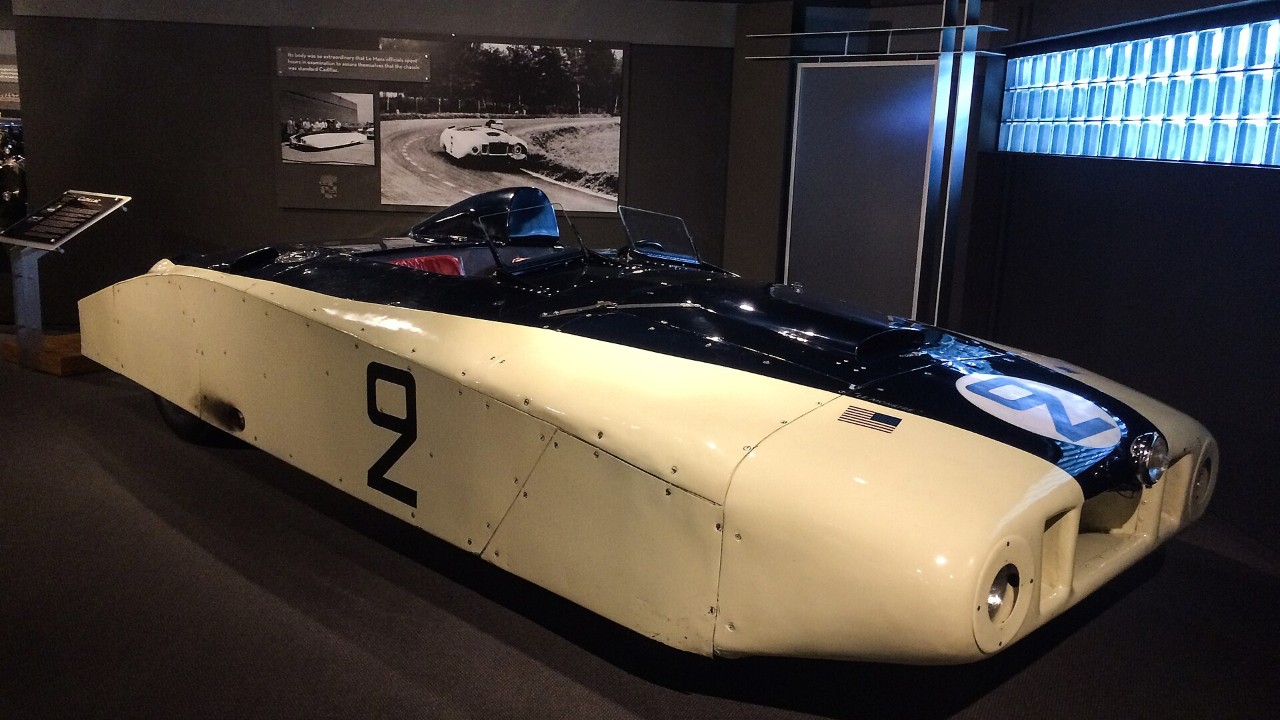
In 1950, Briggs Cunningham took two Cadillac Series 61 cars to the 24 Hours of Le Mans, and both finished. A nearly stock coupe placed 10th overall. Its stripped-down, streamlined sister, nicknamed “Le Monstre” by the French, came home 11th.
That result surprises people, because the brand’s image rests on comfort, chrome and long, quiet highways. Yet every few years Cadillac builds something with a sharper edge. Some of those cars sold well for a while. Others vanished from the conversation almost as soon as they left showrooms.
These are our picks, nine forgotten Cadillacs we think pure driving fans should still seek out. The choices are our opinion. However, the engines, dates and figures behind them come from Cadillac’s model records, race histories and period specifications. We start at Le Mans and finish with a big sedan built in Detroit.
1. 1950 Cadillac Series 61 “Le Monstre”
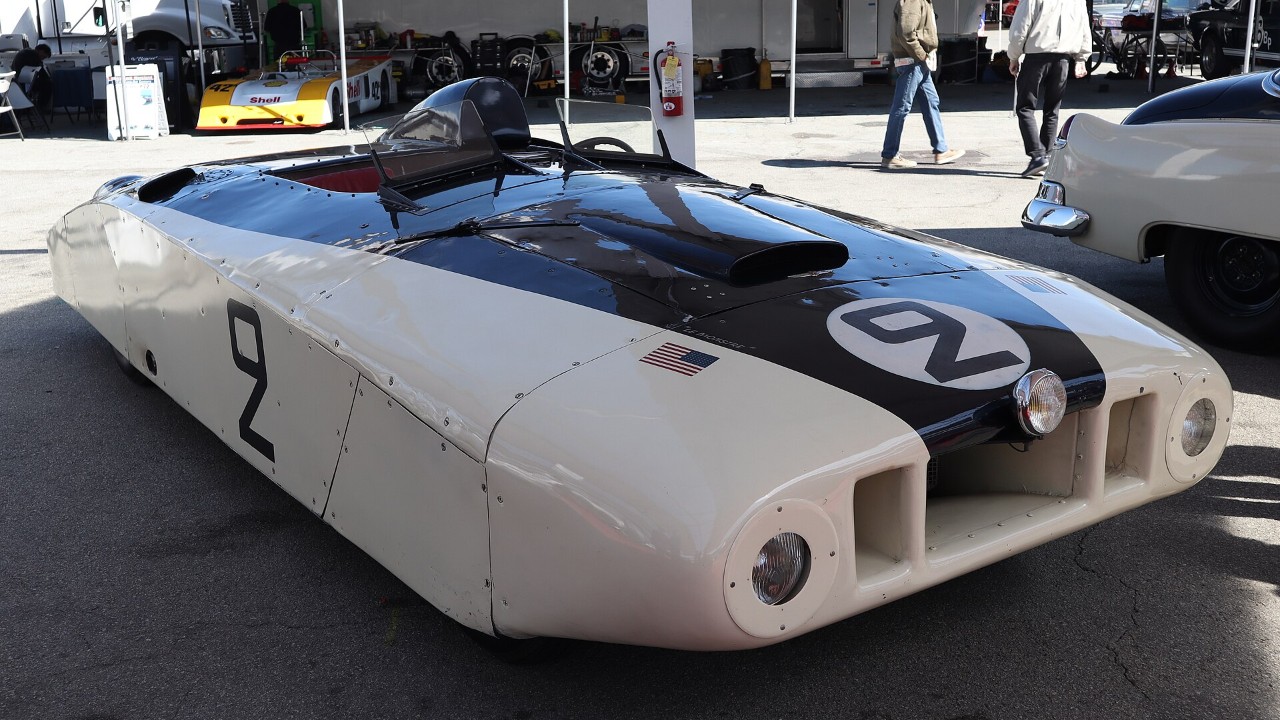
Le Monstre began as a Series 61 and ended up looking like nothing else on the grid. According to the Briggs Cunningham archive’s account of the 1950 race, the team stripped the car to its chassis. Then about a dozen aerodynamicists and metalworkers from Grumman Aircraft built it a streamlined roadster body. Cadillac supplied five-carburetor manifolds for both cars.
The race itself had drama. On the second lap, Cunningham slid into the sand bank at Mulsanne. He spent about half an hour digging out with a shovel borrowed from a spectator. After that, he and Phil Walters drove on to 11th place. Meanwhile, Sam and Miles Collier brought the coupe home 10th. Le Monstre reached about 130 mph, yet it lapped slower than the coupe because it couldn’t accelerate out of corners as quickly. The team also set a 4,400-rpm limit, because the hydraulic lifters could hold valves open above that speed.
Our take: no other Cadillac has a story quite like this one. In 2017, the car was on display at the Revs Institute in Naples, Florida. In December 2017, the Le Mans organizers reported that Jordan Taylor drove it four laps at Daytona.
2. 1992 Cadillac Eldorado Touring Coupe
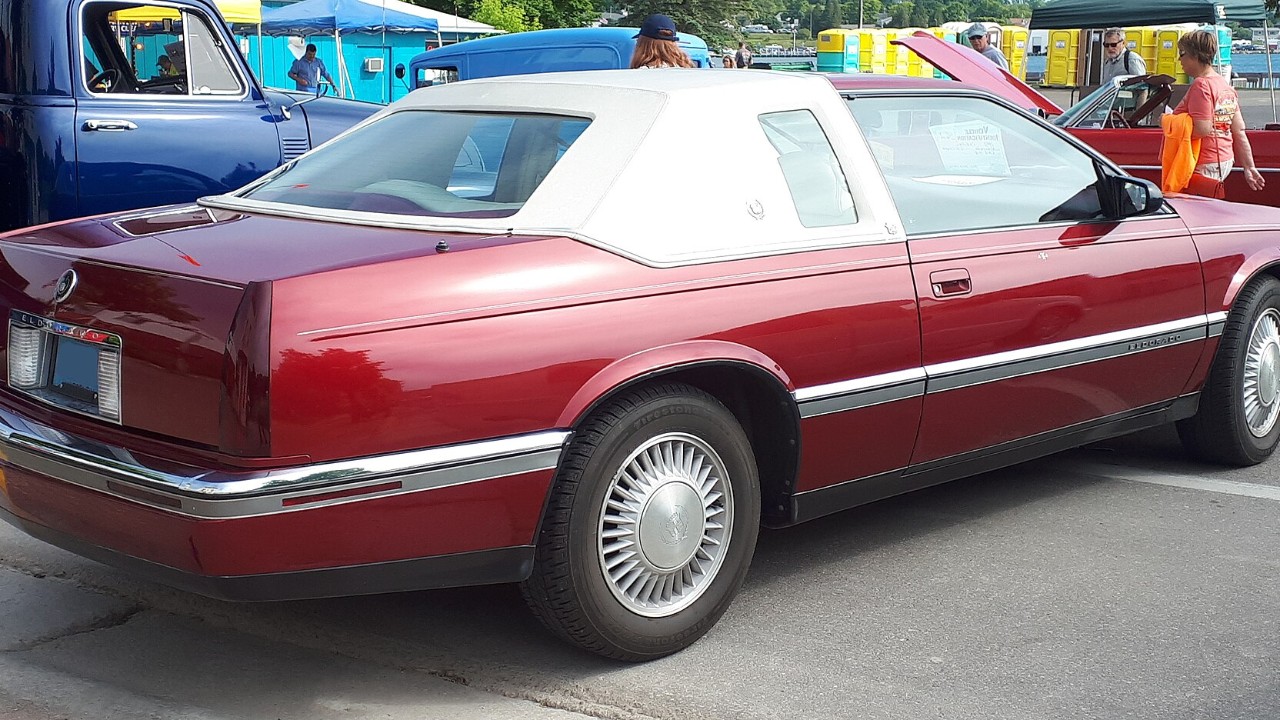
For 1992, Cadillac dropped the Biarritz name from the redesigned Eldorado. In its place came the Touring Coupe option, or ETC, aimed at buyers who cared about the road as much as the ride. The pictured car wears Medium Garnet Red Metallic paint.
The ETC changed the details that matter. It got specially tuned suspension, 16-inch alloy wheels and quad exhaust outlets. Inside, it had 12-way power seats with Nuance leather, a Zebrano wood console and analog gauges. Outside, a wreath-and-crest badge sat in the grille, with Touring Coupe scripts on the doors and built-in fog lamps. For 1992 and 1993, the engine was the 4.9-liter V8 rated at 200 horsepower. Later Eldorados moved to the Northstar V8.
In our view, the first-year ETC is the purest of the bunch. It has the 1992 seats and the cleanest cabin, before the 1993 update cut the seats back to 6-way adjustment and added a body-color grille. For more on the nameplate, see our list of Eldorados so loaded they outpriced their era. Find one with a clean history, and expect older electronics to need attention.
3. 1992 Cadillac Seville STS
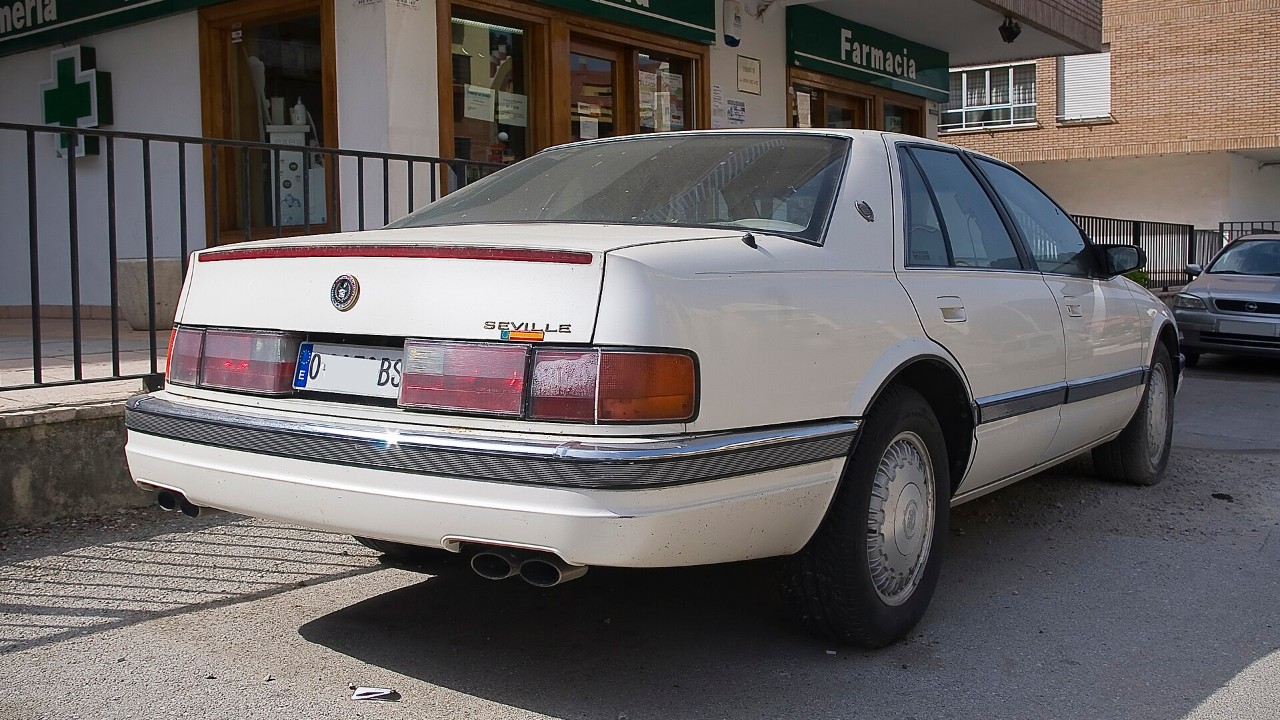
The 1992 Seville STS earned two big awards in its first year. Motor Trend named it Car of the Year for 1992, and it also made Car and Driver’s Ten Best list. Its shape borrowed cues from the 1988 Cadillac Voyage concept car.
That first-year car is the forgotten one. For 1992, the STS used the 4.9-liter HT-4900 V8 with 200 horsepower and 275 lb-ft of torque. One year later, Cadillac swapped in the 4.6-liter Northstar, rated at 295 horsepower. Then, from 1994 to 1997, the STS got 300 horsepower. In 1992, though, the SLS and the STS shared the same 4.9, so the badge mattered more than the engine. In our view, that makes the 1992 model easy to overlook.
Our take: the first-year car deserves more love. The 4.9 is less powerful, but in our view it is the simpler engine to live with. Meanwhile, you still get the award-winning body that started it all. If you want the Northstar’s speed, buy a later car. For a calmer ownership experience, though, we’d look hard at a clean 1992.
4. 2001 Cadillac Catera Sport
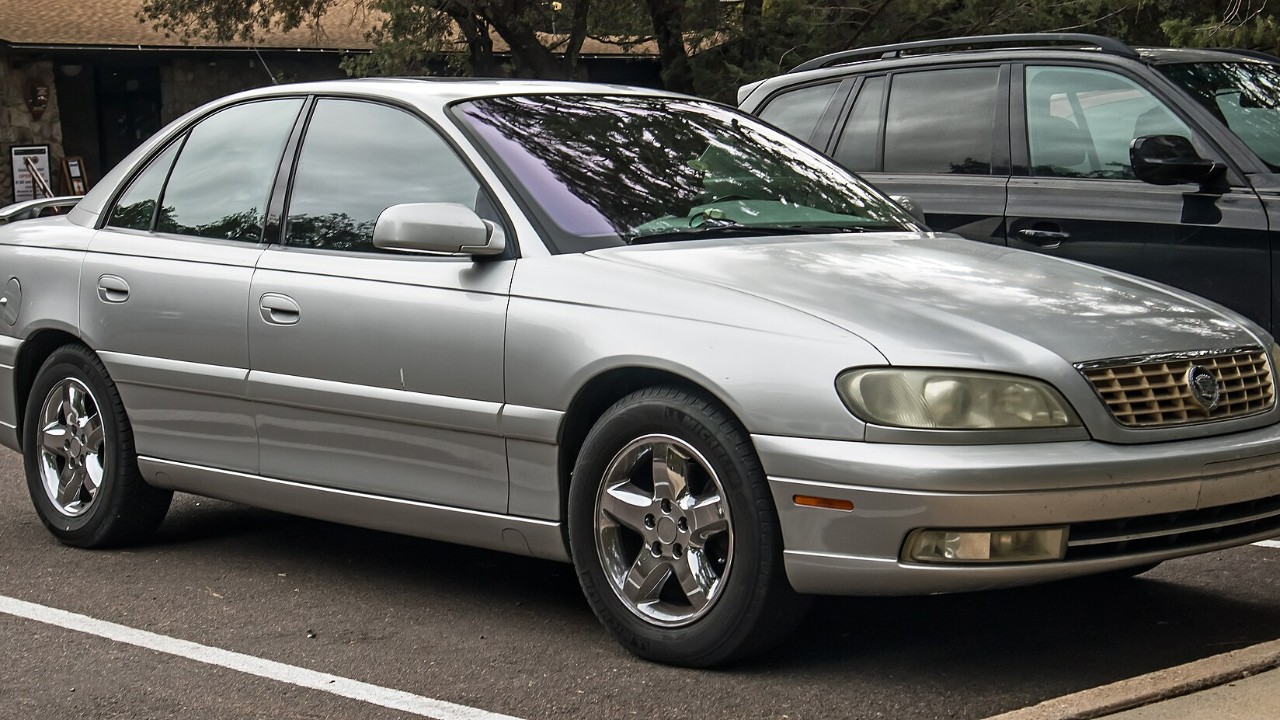
The Catera was Cadillac’s German import. Opel built it in Rüsselsheim as a rebadged Omega B, and Cadillac sold it from 1997 to 2001. Its launch ads called it “the Caddy that zigs,” with Cindy Crawford and a cartoon bird named Ziggy. Over its life, U.S. buyers took home 94,801 of them. Sales peaked at 25,411 in 1997 and fell to 9,764 by 2001.
The car under the badge was a proper European sedan. A 3.0-liter V6 from Ellesmere Port, England, made 200 horsepower through a four-speed automatic. Then, in 1999, Cadillac added the Sport trim, with HID headlamps, 17-inch wheels, heated front seats and a rear spoiler. The 2000 facelift brought a new nose and tail, plus stiffer suspension settings. Our pictured car is one of those later Sports.
In our view, the final Catera Sport is the forgotten bridge to the modern Cadillac. It gave buyers a European sedan’s driving manners years before the CTS. However, even the newest Catera is now more than two decades old. Buy one only with solid maintenance records and a pre-purchase inspection.
5. 2003 Cadillac CTS
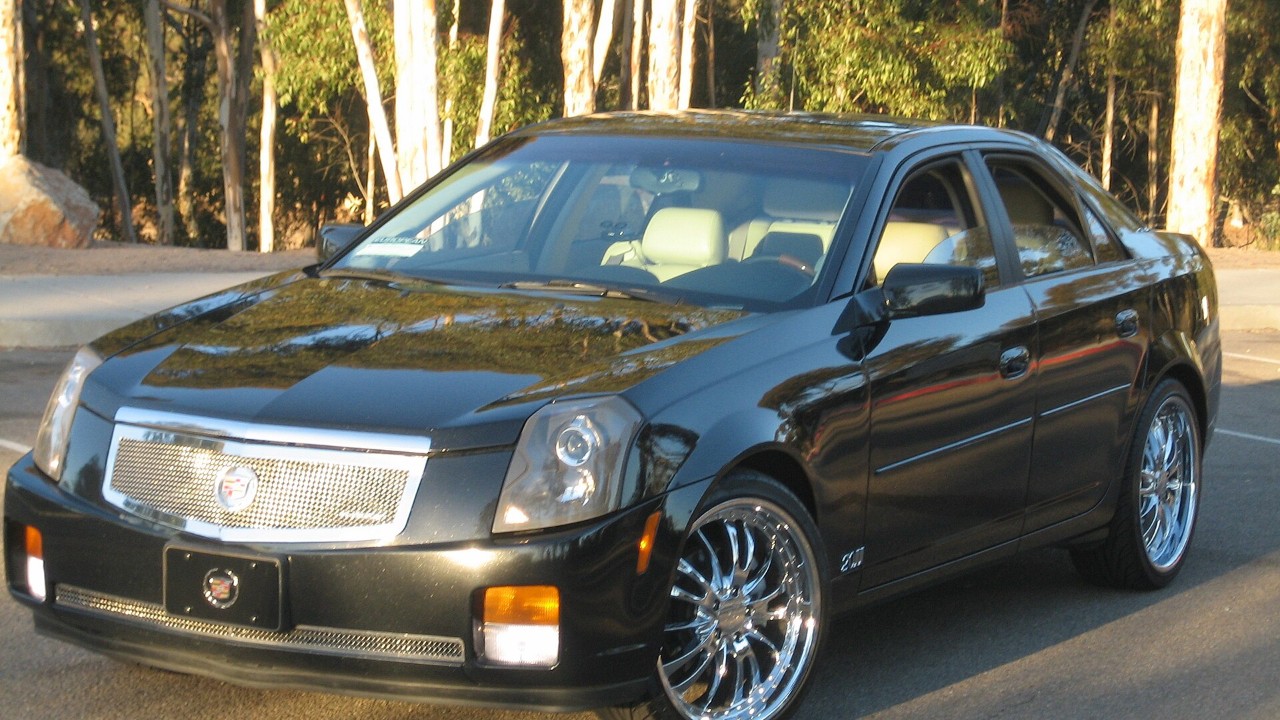
The CTS replaced the Catera, and its name even stood for “Catera Touring Sedan.” Yet the car was a clean break. It debuted in January 2002 as a 2003 model, on GM’s rear-drive Sigma platform with fully independent suspension. Wayne Cherry and Kip Wasenko shaped its body, and it was the first production car in Cadillac’s “Art and Science” design language.
For driving fans, the key detail is the gearbox. The CTS was the first Cadillac offered with a manual transmission since the 1988 Cimarron. At launch, the stick was a five-speed Getrag unit, paired with a 3.2-liter V6 rated at 220 horsepower. Cadillac built it at the Lansing Grand River plant in Michigan. Later, for 2004, a 255-horsepower 3.6-liter V6 joined the range.
Our take: a first-year, five-speed CTS is the rare Cadillac you can row yourself, and it feels like the start of something. It also set up the faster V-Series cars that came later, as our list of Cadillacs that delivered more performance than expected shows. Look for a manual car with records, and check the clutch and rear suspension bushings.
6. 2004 Cadillac SRX 4.6 V8
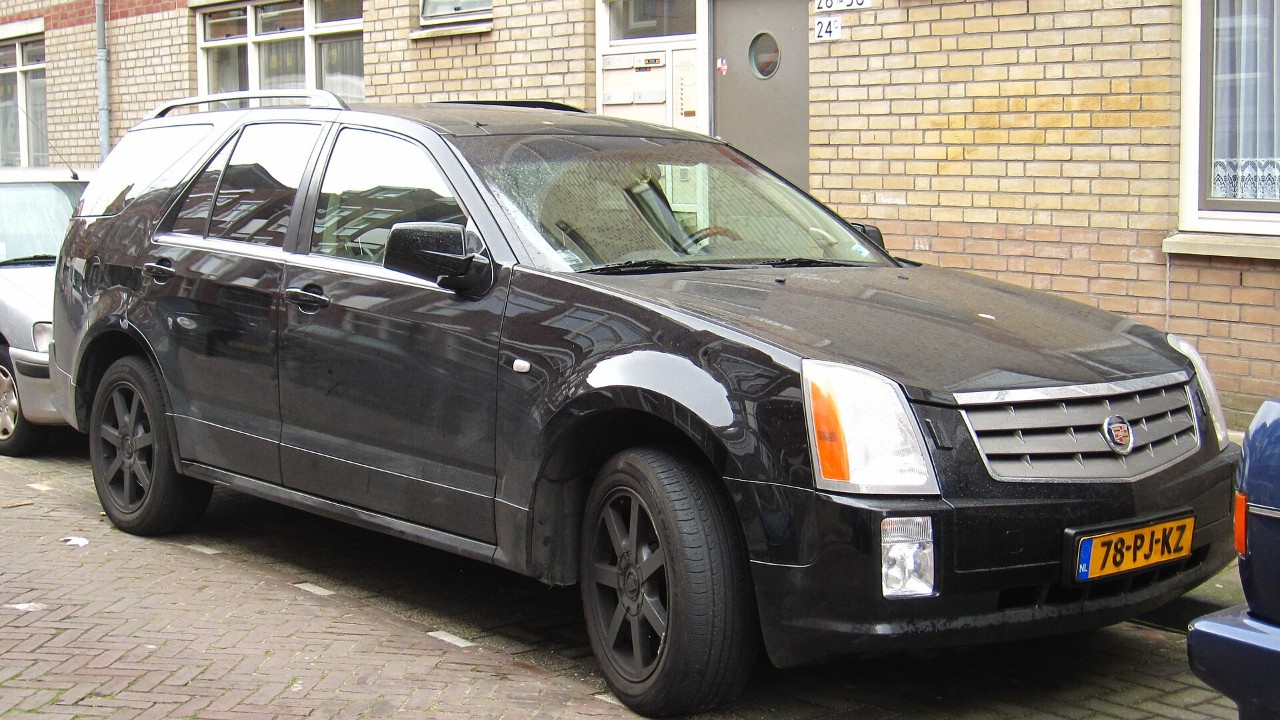
The first SRX is the crossover a driver could love. It started as the Vizon concept, shown at the 2001 Detroit auto show and designed by Mike Torpey as a “soft-road” luxury vehicle. Then, for 2004, Cadillac built the production version on the same Sigma platform as the CTS.
That platform made all the difference. Buyers could choose rear-wheel or all-wheel drive. Even better, they could order the 4.6-liter Northstar V8 with 320 horsepower, instead of the 255-horsepower V6. A power-folding third row was optional, too. Even the V6 matched the 255-horsepower rating of the CTS’s larger engine. In its first year, Cadillac sold 30,019 SRXs in the U.S., but sales slipped below that in every year that followed.
In our view, a V8 SRX is one of the most underrated family Cadillacs ever built. It drives more like a tall wagon than a truck, and few people remember it shared its bones with the CTS. However, the Northstar needs careful maintenance at this age. Get a pre-purchase inspection from a Cadillac specialist, and check for oil leaks before you sign.
7. 2016 Cadillac ATS-V Coupe
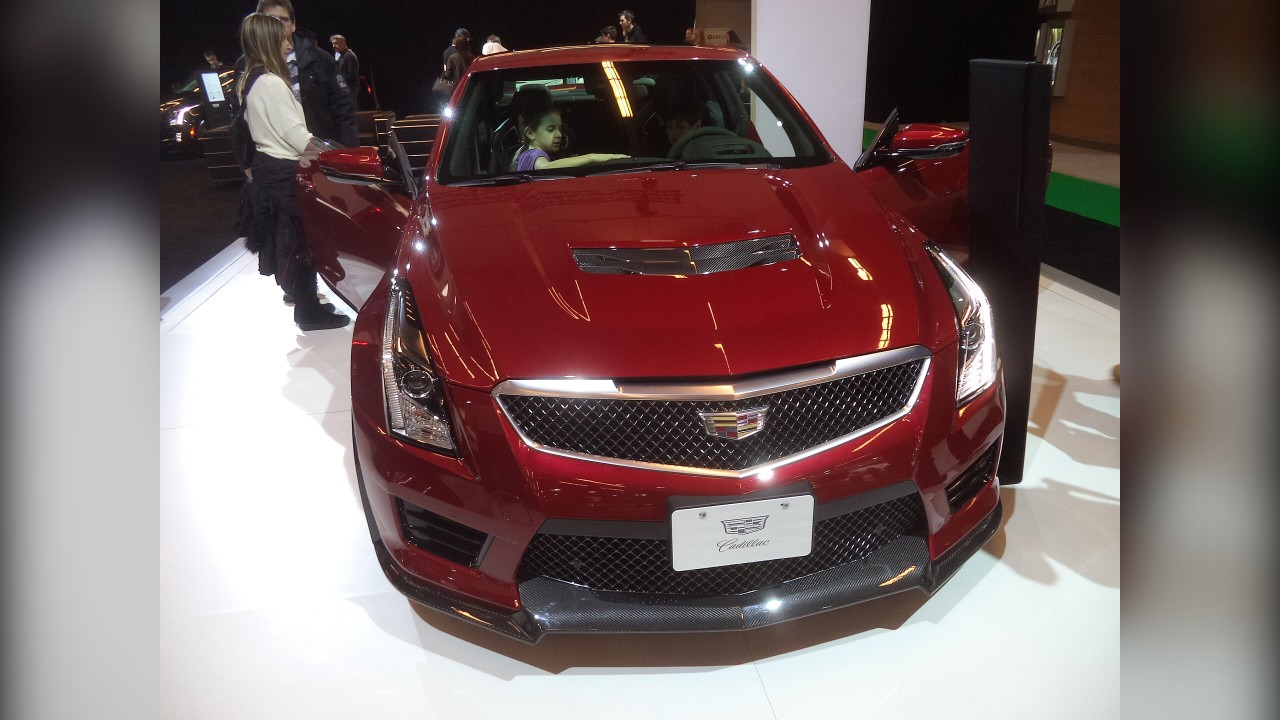
Cadillac revealed the ATS-V Coupe in November 2014, and the four-door followed just eight days later. Orders opened in February 2015, and production started that March. The recipe was serious. A 3.6-liter twin-turbo V6 produced 464 horsepower and 445 lb-ft of torque, and it drove the rear wheels only.
Better still, buyers could choose a Tremec six-speed manual with active rev-matching and launch control. An eight-speed automatic was the other option. Rev-matching blips the throttle on downshifts, which makes smooth downshifts easier on a back road. Cadillac also made the V’s structure 25 percent stiffer than a regular ATS and fitted Brembo brakes built for track days. Meanwhile, the ATS-V.R race car carried the name in the Pirelli World Challenge until Cadillac pulled out in September 2017.
Our take: a manual ATS-V Coupe may be the best-kept secret in modern Cadillac history. When the ATS-V sedan made way for the CT4-V, the coupe simply ended, with no replacement. That makes it a one-generation car. Shop for a stick-shift car with a clean track history, and budget for tires and brakes.
8. 2016 Cadillac ELR
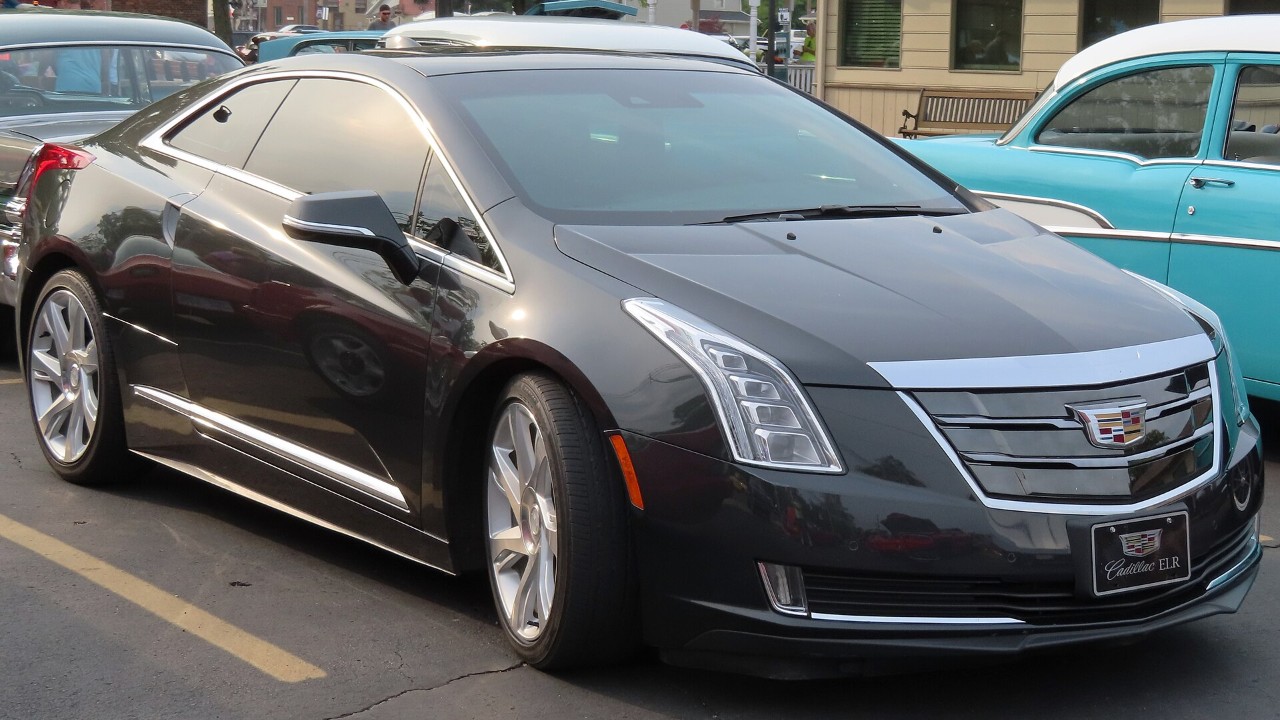
The ELR is the Cadillac almost nobody bought. Across its short life, U.S. sales totaled just 2,958 cars. It grew out of the Converj concept from the 2009 Detroit show, and it used a retuned version of the Chevrolet Volt’s Voltec plug-in hybrid drivetrain. Production ran only for the 2014 and 2016 model years, and the line stopped on February 18, 2016.
The 2016 car is the one to want. Cadillac raised total system output from 217 to 233 horsepower, and peak torque jumped from 295 to 373 lb-ft. As a result, its 0-to-60 time improved by 1.5 seconds. The battery also grew to 17.1 kWh, and EPA electric range rose to 39 miles. On top of that, the base price fell by $10,000, to $58,495 after the U.S. federal tax credit.
In our view, the 2016 ELR is a stylish coupe that drivers never gave a fair chance. It is quiet, distinctive and genuinely rare. However, hybrid parts and battery health matter most here. Have the battery and charging system checked by a specialist before you buy.
9. 2016 Cadillac CT6 Platinum
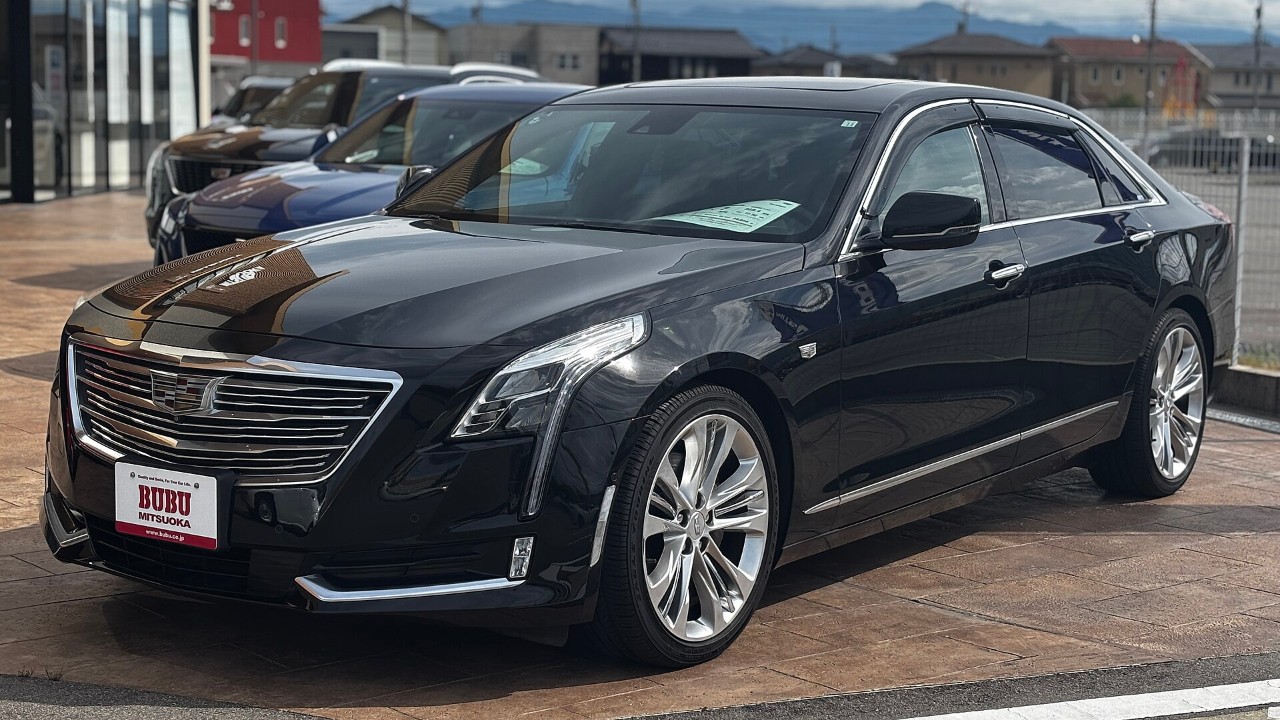
The CT6 made its debut at the 2015 New York show and went on sale in March 2016. Cadillac built it at the Detroit-Hamtramck plant, using a mix of steel and aluminum. That same plant also built the ELR on this list. That construction made the big sedan lighter than most cars of its size.
The top engine was a 3.0-liter twin-turbo V6 with 404 horsepower. Lower trims used a 2.0-liter turbo four or a 3.6-liter V6. Rear-wheel drive came standard, and all-wheel drive was optional. The Platinum sat at the top of the range, and it came with a 34-speaker Bose Panaray sound system. In other words, it was a full-size luxury car that still cared about how it drove. U.S. assembly ended in February 2020, when GM retooled the plant for electric vehicles.
Our take: the CT6 is a big, rear-drive Cadillac sedan built with drivers in mind, and it vanished with little fanfare. A twin-turbo Platinum is the one we’d hunt for. Because these cars are complex, insist on a full service history and a thorough electronics check.
More from Fast Lane Only