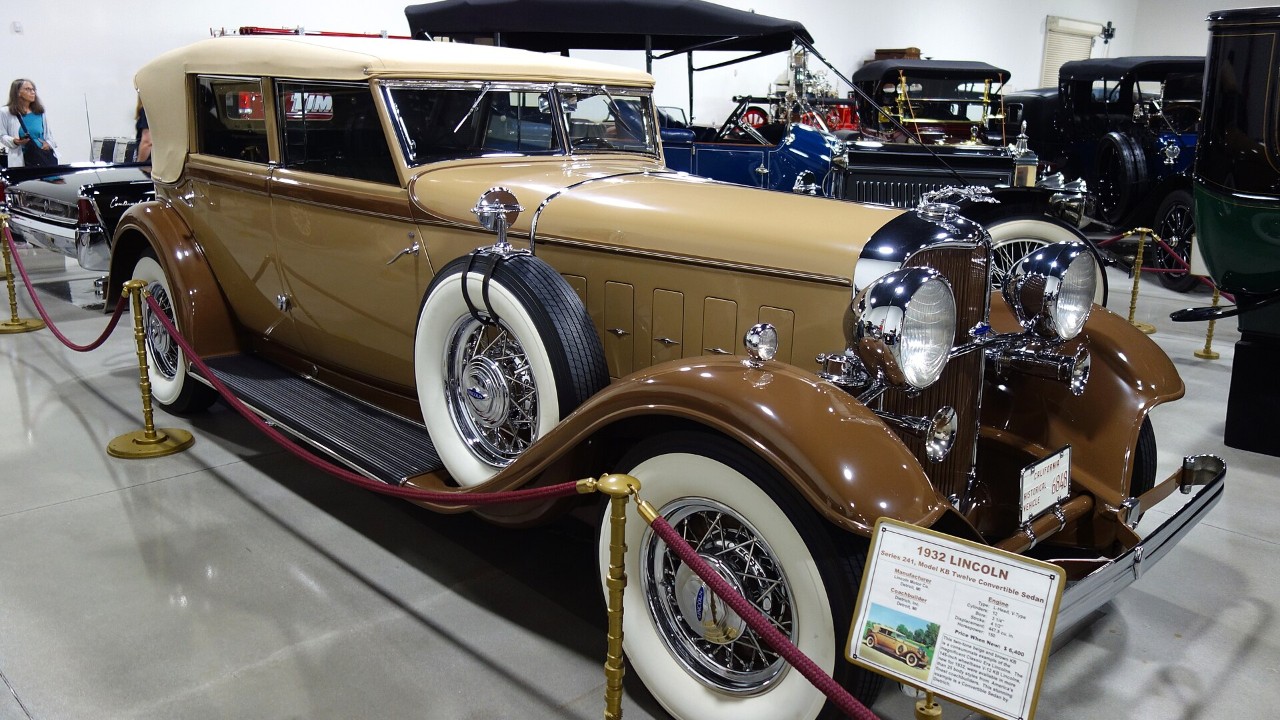
In 1932, the Lincoln Model KB arrived with a brand-new V12, and the company’s big K series split into two lines. The KB took the twelve, while the KA kept a V8. That move set the tone for a brand that has always liked to make an entrance, whether with cylinders, chrome or sheer length.
Not every Lincoln aged into a showstopper, of course. Some faded into the background, and others only look good to their owners. Yet a handful still turn heads at any cars-and-coffee meet, decades after they left the showroom.
These are our picks, seven Lincolns that still stop traffic. They span seven decades, from a coachbuilt prewar phaeton to a luxury pickup truck. Some are rare, some were sales hits, and one barely lasted three years in the United States. Each one earned its place by being impossible to ignore.
1. 1932 Lincoln Model KB Sport Phaeton
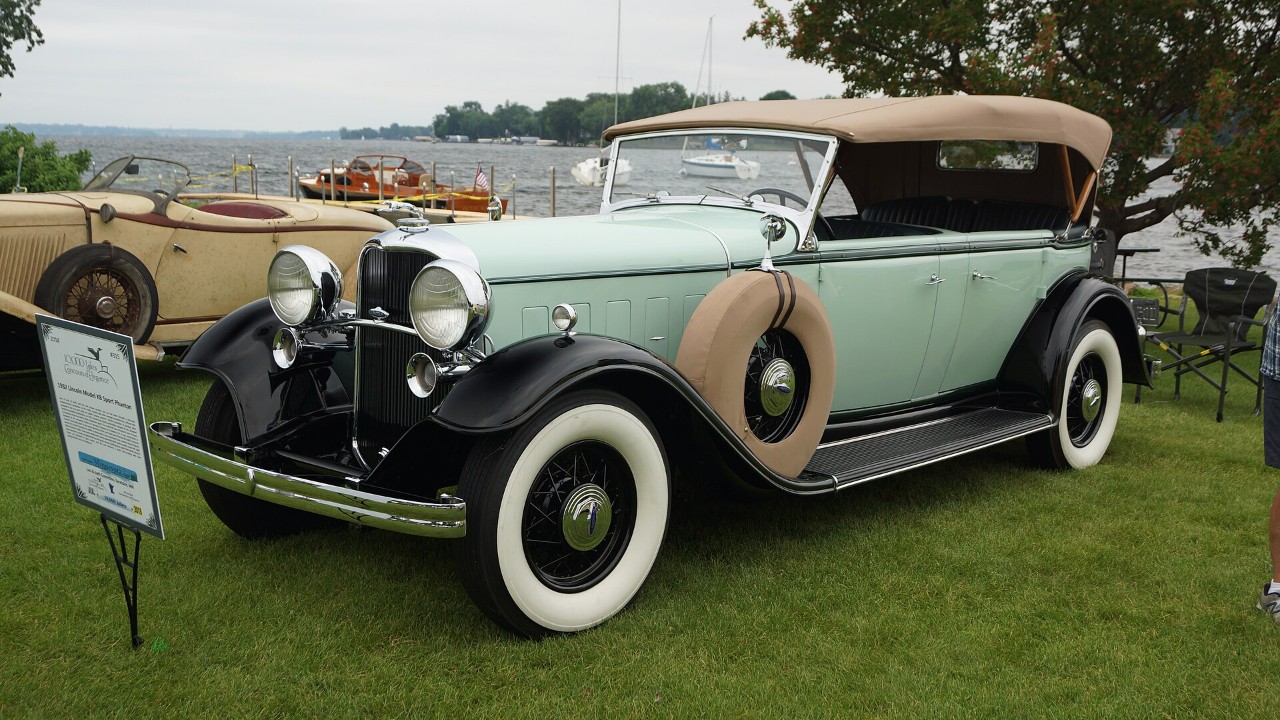
The KB was the V12 half of Lincoln’s 1932 lineup. Its new L-head V12 displaced 447.9 cubic inches and made 150 horsepower. The K series drew on coachbuilders such as Judkins, Willoughby, Brunn, LeBaron and Dietrich. In our view, the result was a car built to impress anyone standing on the curb.
The Sport Phaeton is a fine example of how rare these cars can be. When RM Sotheby’s sold a 1932 KB Sport Phaeton at Amelia Island in 2018, it described the car as one of only 13 built and the sole known survivor. The Walter M. Murphy Company in Pasadena designed the body, and Lincoln built it in-house. Remarkably, that car had reportedly powered a sawmill before a nine-year restoration. It sold for $103,600.
In our view, few American cars of the 1930s look as purposeful as an open KB. The long hood says V12 before anyone lifts it. Park one anywhere, and a crowd will form within minutes. To us, an open Lincoln Model KB remains one of the most dramatic American shapes of the prewar era.
2. 1938 Lincoln-Zephyr Coupe
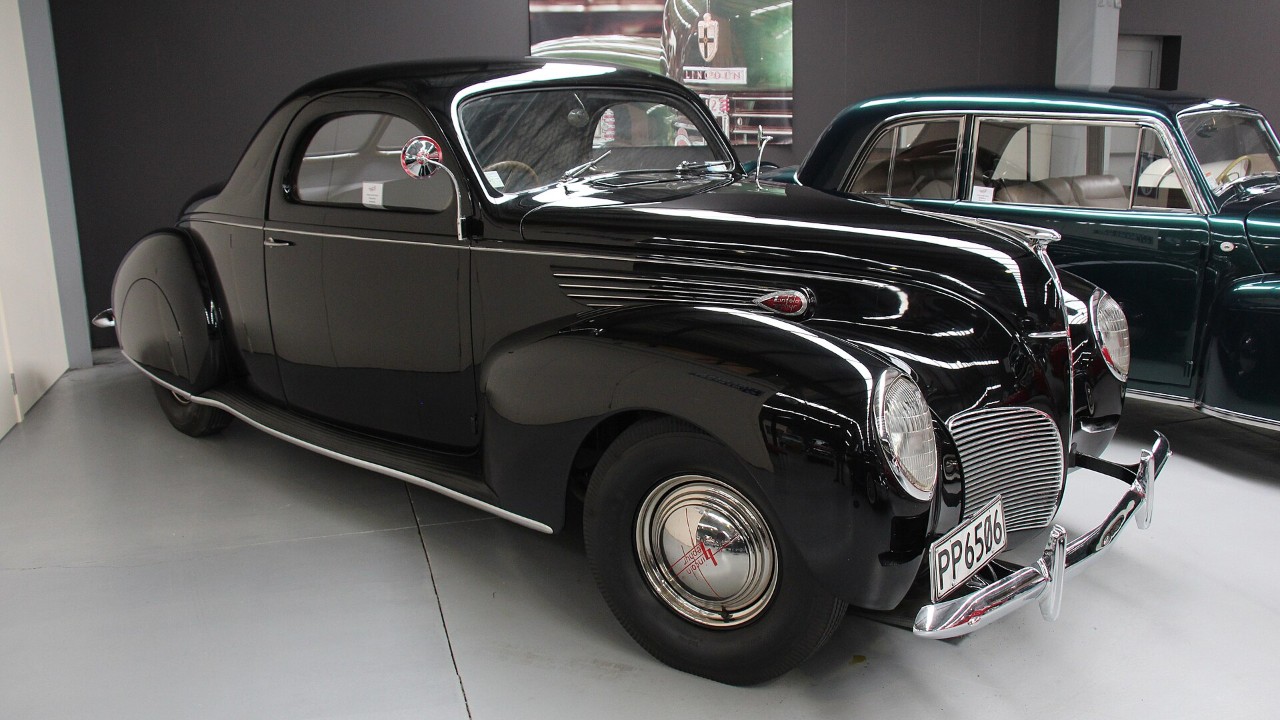
Lincoln introduced the Zephyr on November 2, 1935, as a 1936 model, and it changed the company almost overnight. In its first year, 15,000 found buyers, which accounted for 80% of Lincoln’s sales. The streamlined shape came from Dutch-born stylist John Tjaarda, and Edsel Ford’s designer Bob Gregorie refined it.
The engine was just as unusual. According to Silodrome, the first H-series V12 displaced 267 cubic inches and made 110 horsepower at 3,900 rpm. More importantly, it delivered at least 180 lb-ft of torque from only 400 rpm. Early engines did suffer from overheating and sludge, so engineers added hydraulic lifters and cooling changes. Lincoln also added a three-window coupe to the range for 1937. At launch, the two-door sedan had listed at just $1,275.
Our take: the Zephyr coupe is a Depression-era car that still looks modern from almost any angle. It also gave Lincoln the basis for the first Continental in 1940. That means every Continental since owes something to this car, and its swooping tail still draws a crowd.
3. 1956 Lincoln Capri Hardtop
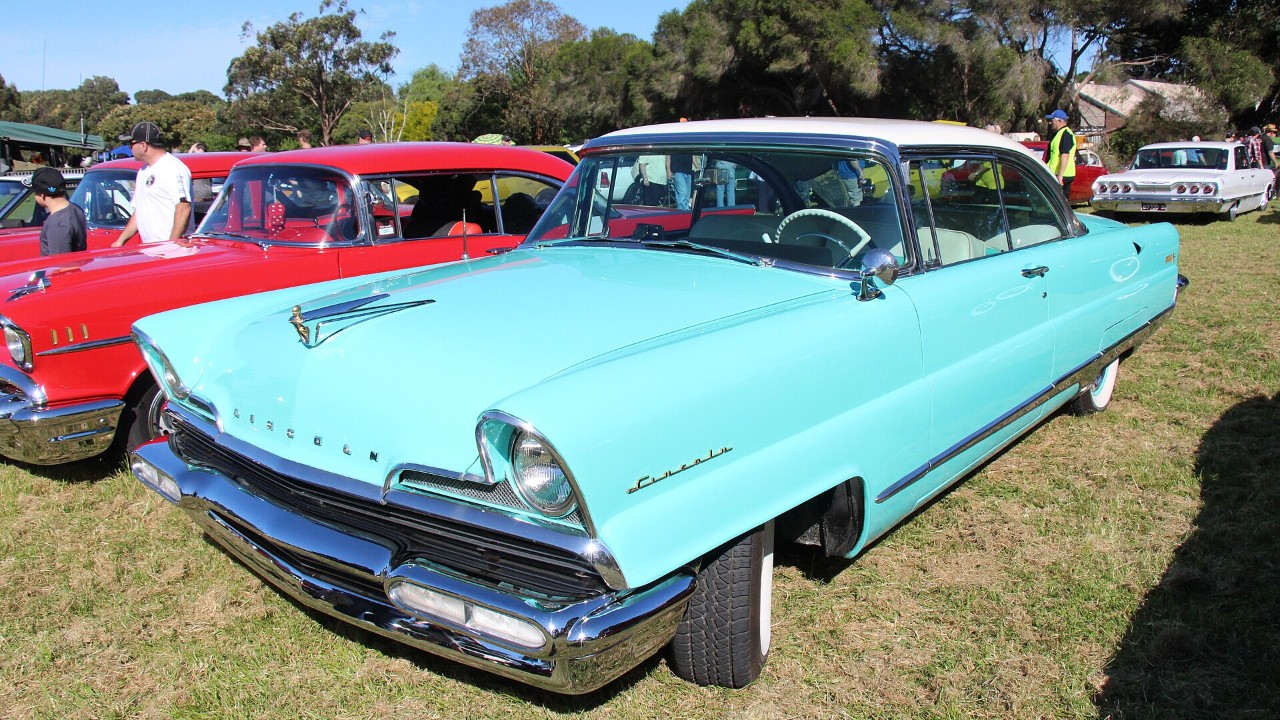
For 1956, Lincoln restyled its whole line, borrowing ideas from the Mercury XM-800 and Lincoln Futura show cars. The Capri got a new 368-cubic-inch V8 with 285 horsepower, a four-barrel carburetor and 9:1 compression. The convertible disappeared, so the Hardtop Sport Coupe became the sporty choice. It listed for $4,119, which bought a lot of chrome for the money.
However, 1956 also brought a twist. The new Premiere took over as Lincoln’s upper model, and the Capri moved down to entry level. Sales dropped sharply as a result, to only 8,791 Capris that year, out of 50,322 Capris and Premieres combined. Earlier Capris had also built a racing reputation in the Carrera Panamericana road race from 1952 to 1954.
We think the 1956 hardtop is the one to want. Its pillarless profile and long, clean flanks look fantastic with the windows down. Because so few were sold, you’re also unlikely to park next to another one at a show. Better still, the Capri name is far less famous than Continental, so this hardtop starts conversations.
4. 1960 Lincoln Premiere
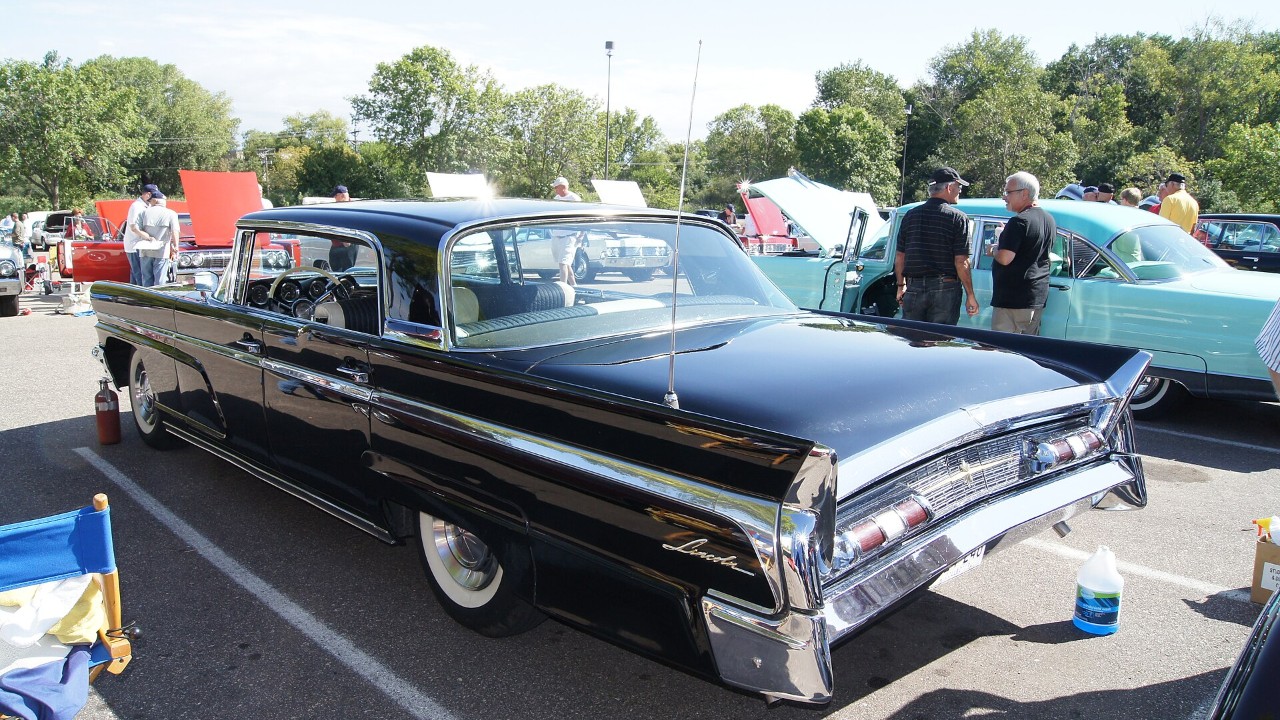
Lincoln sold the Premiere from 1956 through 1960, but the final years were the wildest. The 1958 to 1960 cars used unibody construction, an approach the Zephyr had used before them. They also came from Lincoln’s new Wixom plant. By 1960, the Premiere stretched 227.2 inches long and 80.3 inches wide. Buyers could order it as a two-door or a four-door.
That is nearly 19 feet of car, all of it without the big 5 mph bumpers of later years. Furthermore, the styling was anything but shy, with canted headlights and heavily scalloped fenders. Unlike the Continental, the Premiere kept a traditional roof instead of a reverse-angle power rear window. Designer Don Delarossa handled the 1960 update for both models.
In our opinion, the 1960 Premiere is pure theater on whitewall tires. Critics called the look excessive when it was new, and that is precisely why it stops people today. Seen from the side, its sheer length is almost comical, in the best possible way. If big Lincolns are your thing, browse our list of overbuilt Lincolns as well.
5. 1978 Lincoln Continental Mark V Bill Blass Edition
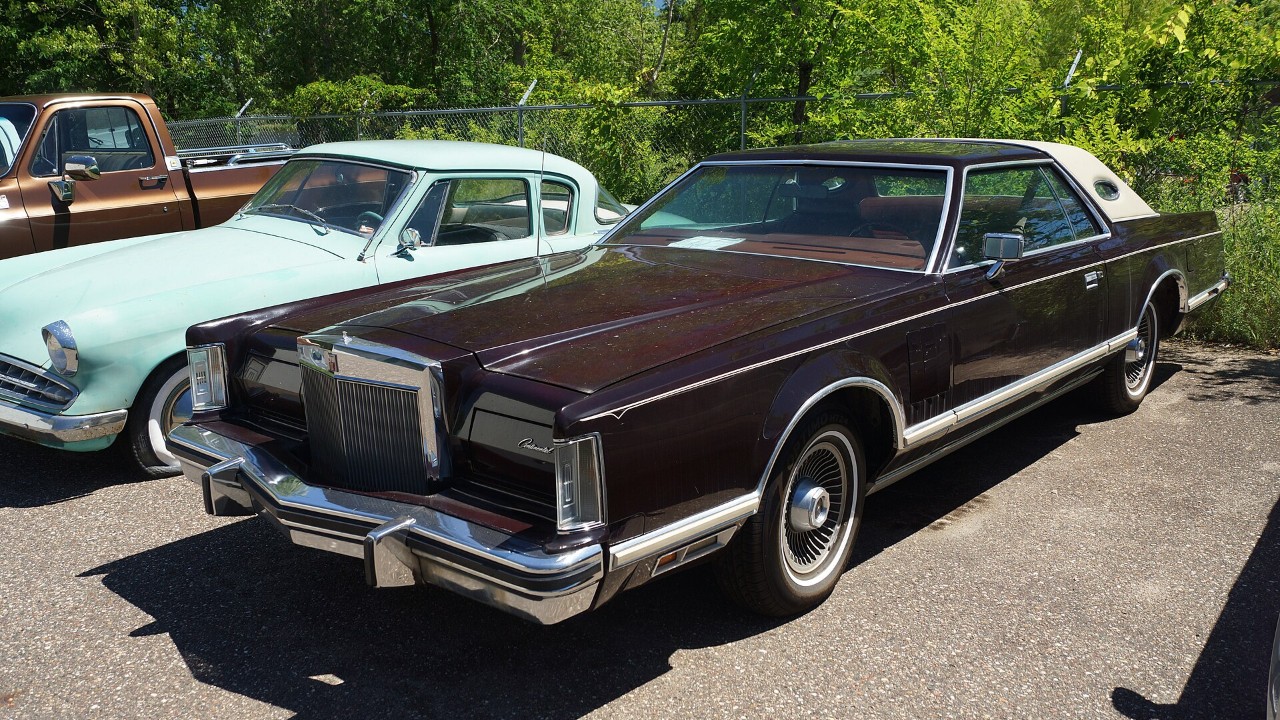
At 230.3 inches long, the Mark V gave buyers more than 19 feet of two-door coupe. Wixom built it from 1977 to 1979, and Lincoln sold more than 228,000 of them. Lincoln also kept its Designer Series going. According to Hagerty, the program began in 1976 with Cartier, Bill Blass, Emilio Pucci and Hubert de Givenchy, and each designer chose the colors.
For 1978, Bill Blass picked Midnight Cordovan paint. Inside, Cordovan cloth and leather wore light champagne straps and buttons. Lincoln built 3,975 Blass editions that year, out of 72,602 Mark Vs in total. That same year, a Diamond Jubilee Edition added $8,000 to the price, and Lincoln built 5,159 of those. Meanwhile, a 400-cubic-inch V8 had become the standard engine when the Mark V arrived for 1977.
Our take: no car says late-1970s luxury quite like a designer Mark V. The sharp creases, opera windows and endless hood are a time capsule on wheels. A deep Cordovan Blass car looks especially rich in person, so expect people to stop and ask about it.
6. 1998 Lincoln Mark VIII LSC
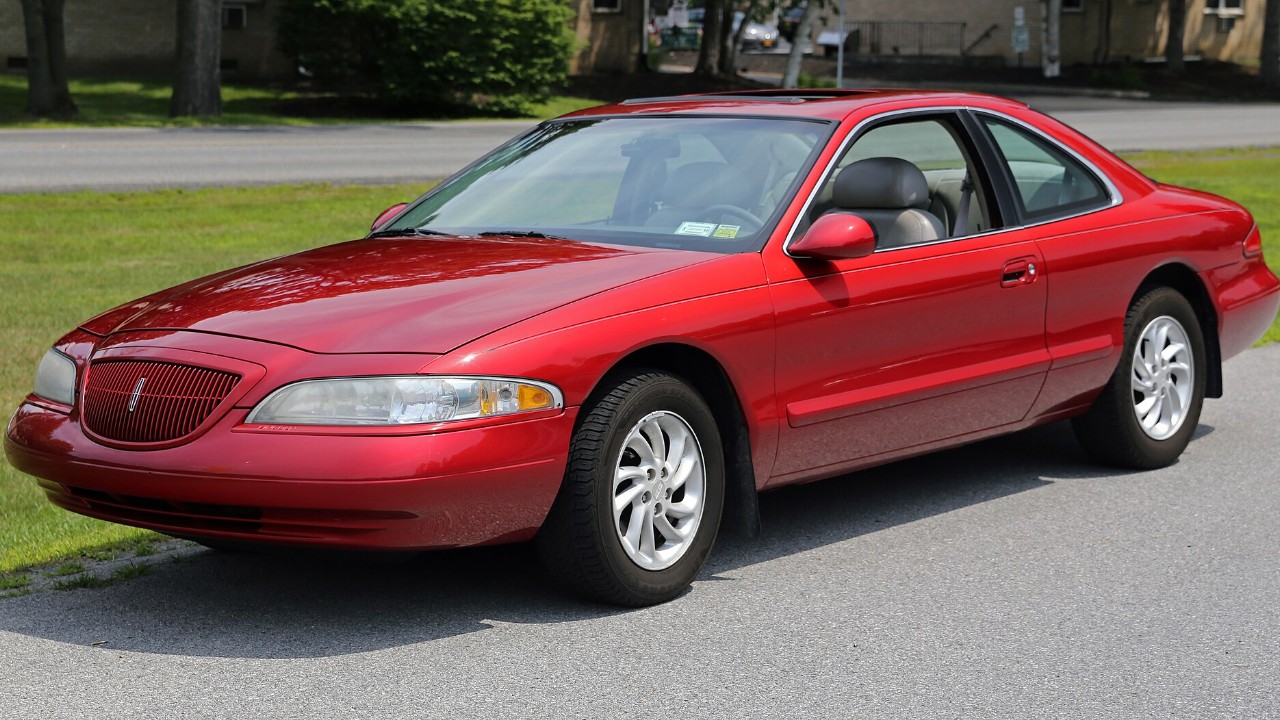
The Mark VIII ran from the 1993 to 1998 model years, and Lincoln built 122,060 in all. From 1995, its 4.6-liter DOHC V8 made 290 horsepower. The LSC added unique colors, perforated leather inserts and a 3.27:1 rear axle in place of the standard 3.08:1. In addition, the 1995 LSC brought HID headlights to the Mark VIII.
The 1997 facelift made the car even more distinctive. HID lamps became standard in larger housings, and the hood switched to aluminum. Best of all, a neon brake light stretched across the rear decklid. Underneath, standard air suspension lowered the car at speed for better aerodynamics. Lincoln built only 14,357 Mark VIIIs for 1998, down from a peak of 30,899 in 1993.
We think the last LSC is the sleeper of this list. That neon strip still catches eyes at night, and the low, smooth body has aged well. It’s also a reminder of how bold Lincoln could be, a theme we explored in our list of Lincolns that looked like the future.
7. 2006 Lincoln Mark LT
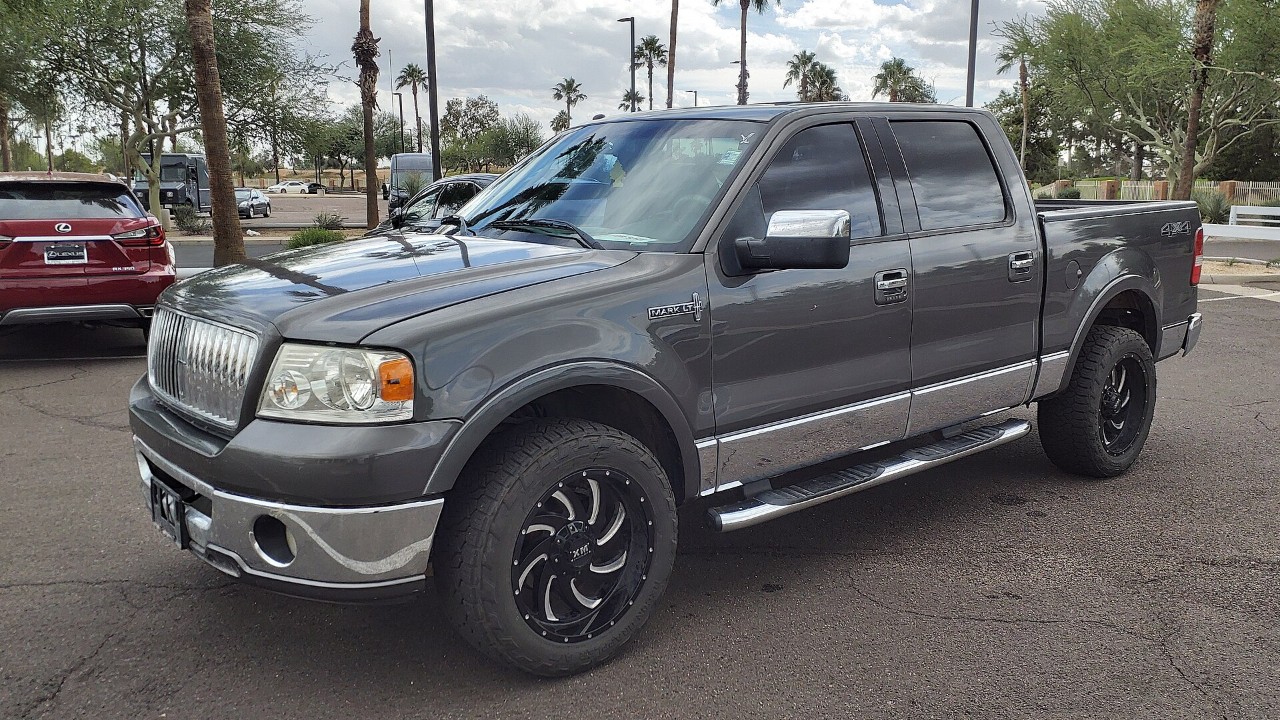
Lincoln’s second try at a luxury pickup arrived for 2006. The Mark LT was a dressed-up Ford F-150 with a big chrome grille and a plusher cabin. It used the same 5.4-liter Triton V8, rated at 300 horsepower. Above all, it gave Lincoln buyers a truck that could still tow and haul. For 2007, it gained a grille facelift and an optional DVD-based navigation system.
Sales started well, at 12,753 in the U.S. for 2006. Then they fell to 8,382 in 2007 and 4,631 in 2008. As a result, Ford dropped the Mark LT in the United States and Canada after one generation. It sold the upscale F-150 Platinum in its place for 2009. Mexico, however, kept the Mark LT through the 2014 model year.
Our view: the Mark LT is the most surprising Lincoln here. Plenty of trucks are fancy now, but few wear a Lincoln badge. Because so few found U.S. buyers, a clean one still makes people look twice in a parking lot.
More from Fast Lane Only