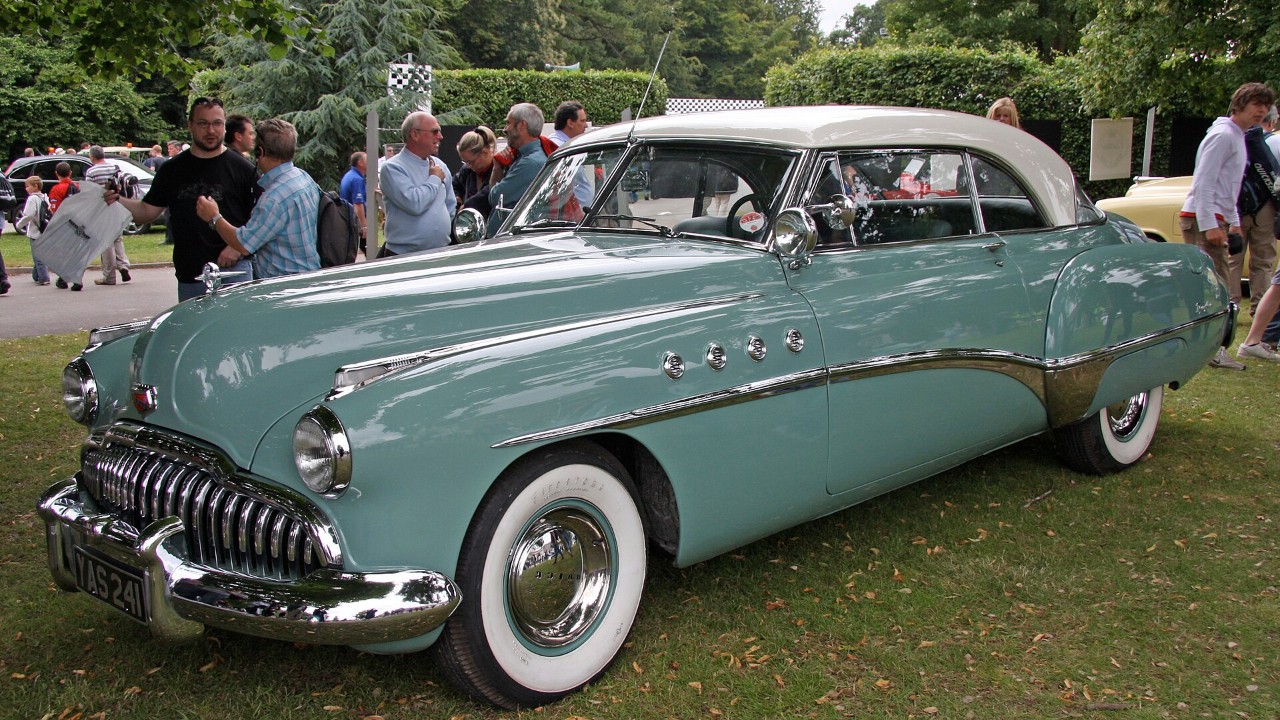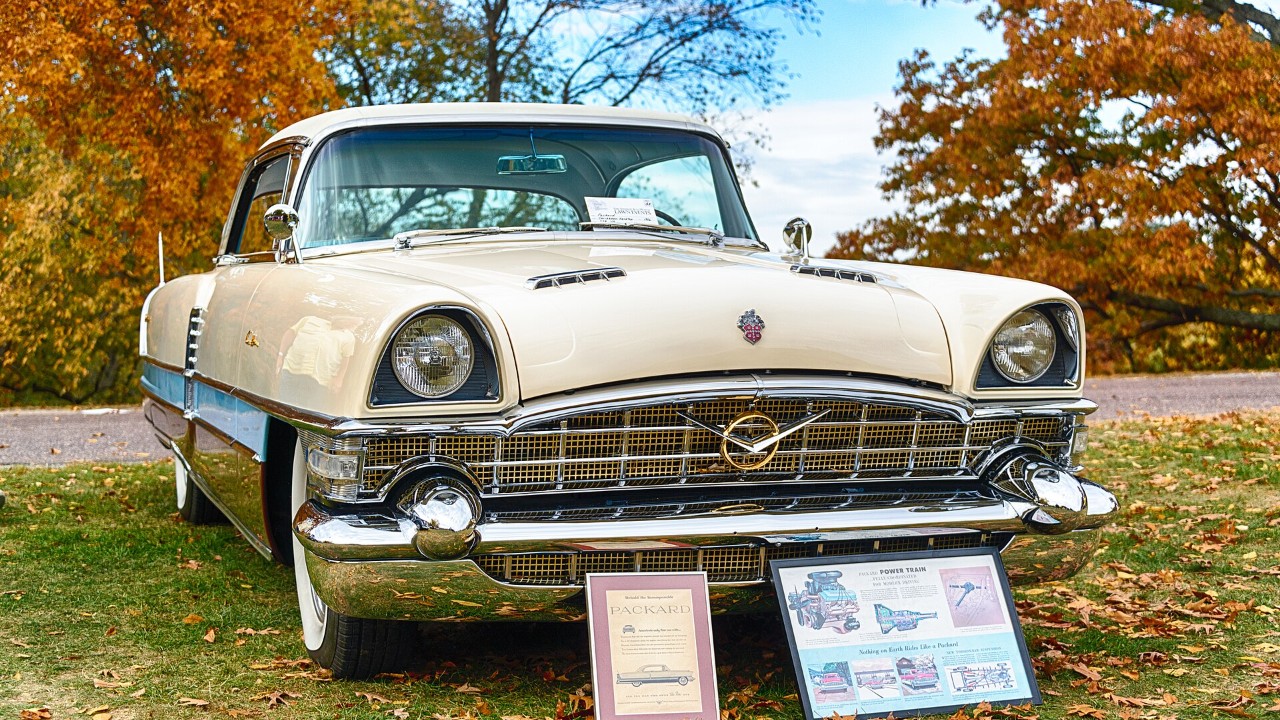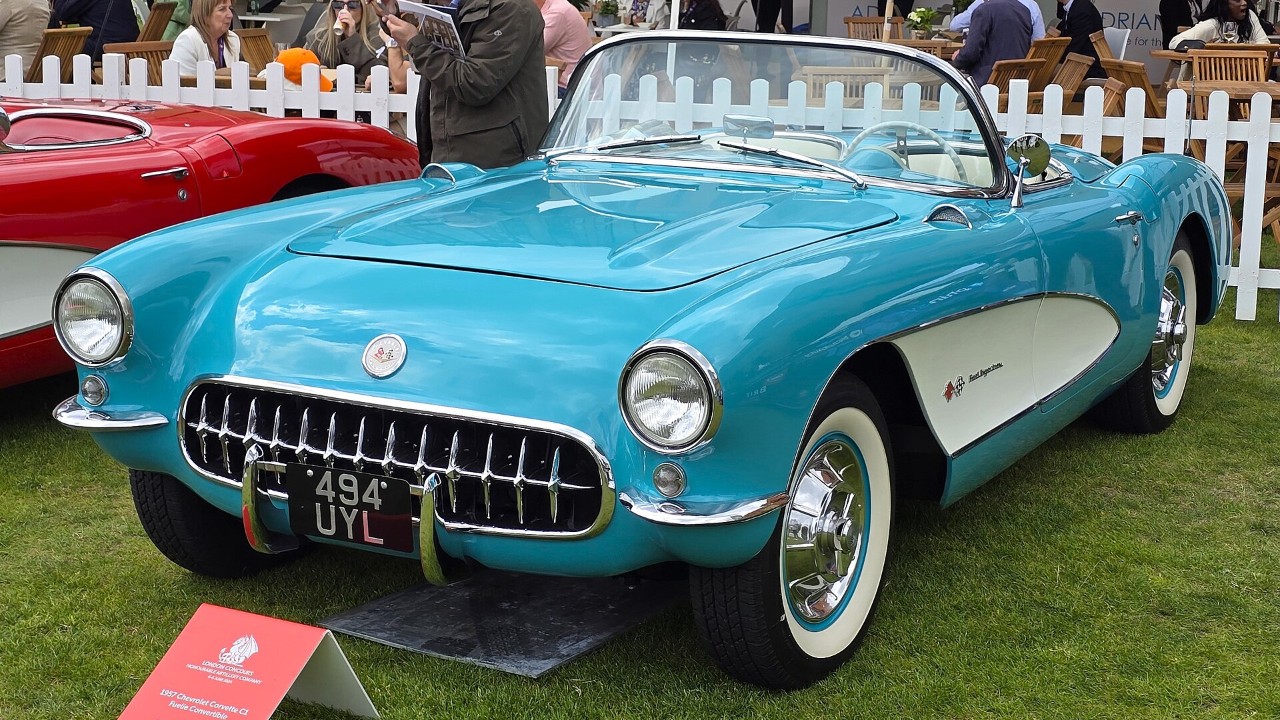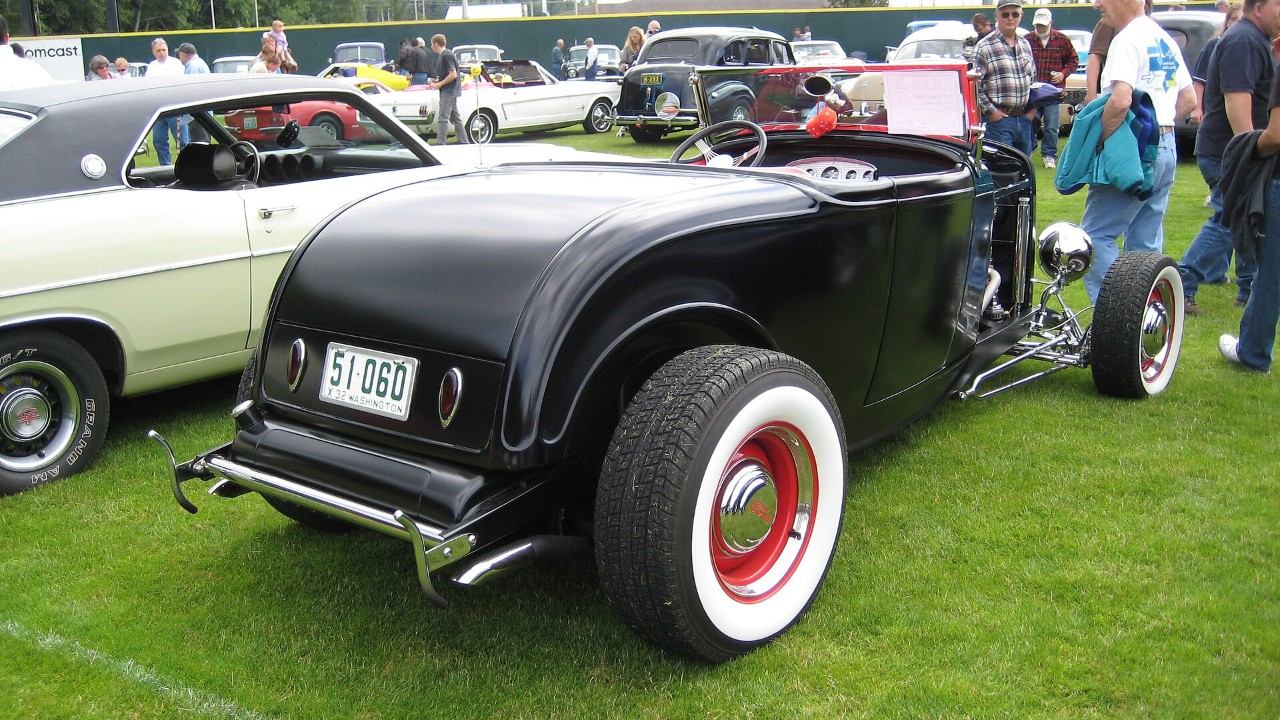
The Studebaker Avanti wore fiberglass body panels and front disc brakes when it went on sale in 1962. That kind of head start is what this list is about. Some two-door cars showed up with ideas the rest of the industry needed years, or decades, to adopt.
Being early rarely paid off, though. Buyers often found these cars too strange, too costly or too complicated, and several makers lost money proving a point. Today the same coupes sit in the shadow of the bigger names that copied them.
These 12 are our picks for forgotten coupes that were years ahead of the competition. The verdicts are our opinion. The specs, dates and production figures behind them come from maker archives, museum records and published model histories.
1. 1934 Chrysler Airflow coupe
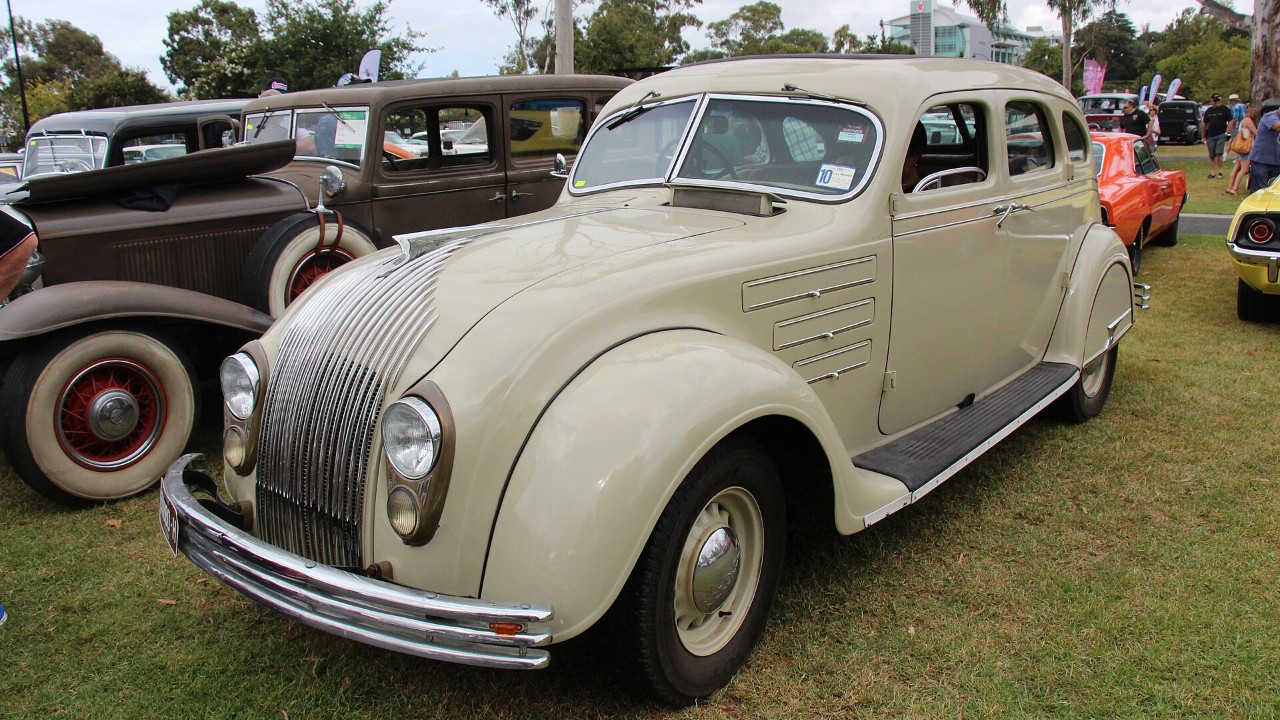
Chrysler engineers Carl Breer, Fred Zeder and Owen Skelton tested at least 50 scale models in a wind tunnel before the Airflow went on sale. Orville Wright cooperated with that work. The result reached showrooms for 1934 as a four-door sedan and a two-door coupe, and it looked like nothing else on the road.
The real advance sat under the skin. Chrysler moved the engine forward over the front wheels and pulled the rear seat inside the wheelbase, so passengers no longer bounced over the axle. The steel body also carried much of the car’s strength, an early step toward the unit construction most cars use now.
Buyers didn’t care for the look, however. In its first year, Chrysler’s conventional cars outsold the Airflow about 2.5 to one, and first-year Airflow sales reached 10,839. The line ended after 1937. In our view, that makes the Airflow coupe the purest case on this list of being right too soon. Modern cars seat their passengers the same way, yet the Airflow name rarely gets the credit.
2. 1948 Hudson Commodore club coupe
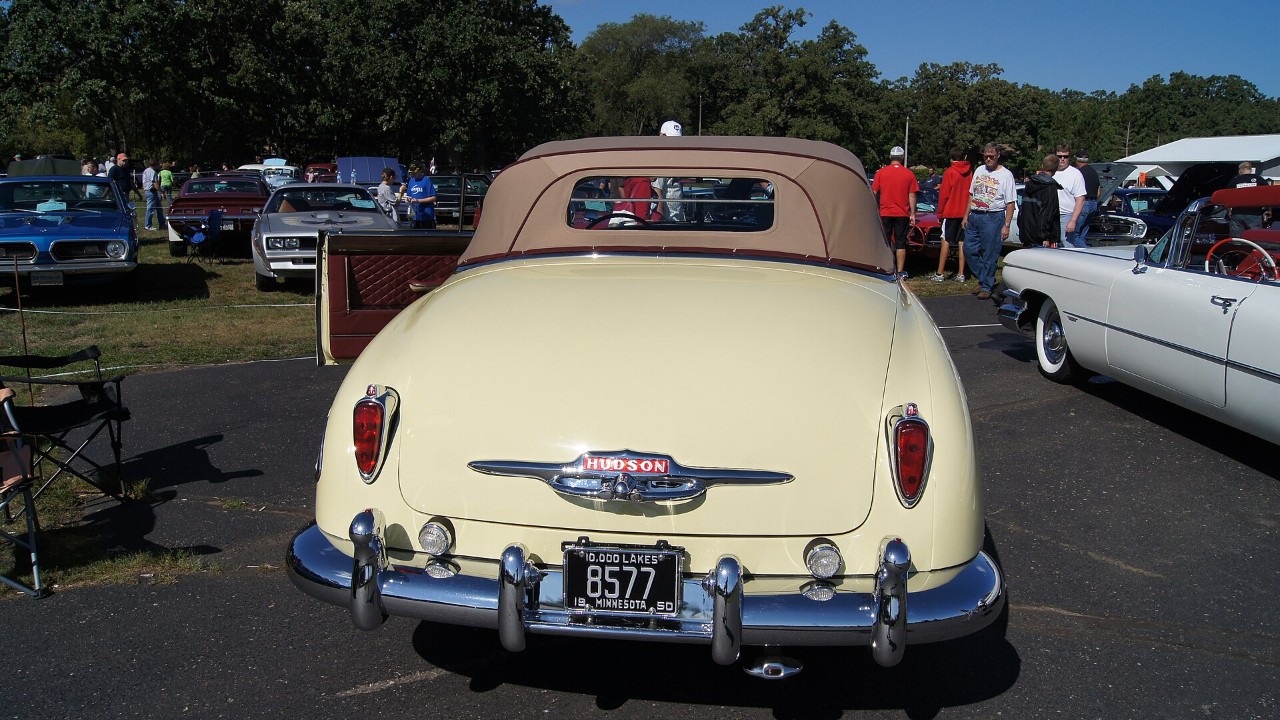
Hudson’s 1948 cars introduced what the company trademarked as “Monobuilt” construction, better known as the step-down design. A perimeter frame ran all the way around the body. As a result, passengers stepped down into the car instead of climbing up, and the floor and roofline sat far lower than rivals’.
The Audrain Automobile Museum credits the step-down body with a 50% jump in Hudson sales for 1948. Its own Commodore Eight lists a 254.5-cubic-inch inline-eight making 128 horsepower. Hagerty’s valuation guide lists the two-door Club Coupe among that year’s Commodore Eight models.
Here’s the catch. Hudson kept the basic design through 1952 while bigger rivals restyled every year and piled on fins and chrome. In our view, the low center of gravity made this coupe a better-handling car than most of its 1948 rivals. Hudson simply ran out of money before the market caught up to it. Instead of a full redesign, its president pushed the smaller Jet compact. If you want one now, the Club Coupe with the eight is the version we’d chase first.
3. 1953 Studebaker Commander Starliner

Robert Bourke drew the 1953 Studebaker coupes for Raymond Loewy Associates. The Starliner was the pillarless hardtop, while the Starlight kept a center pillar. The Commander version carried Studebaker’s 232-cubic-inch V8 and the long, low nose that made the car look European rather than Midwestern.
Studebaker gave the two-door coupes a 120-inch wheelbase, four inches longer than the sedans. That extra length gave the coupes a lower, longer profile than the sedans. Meanwhile, Studebaker’s leaders expected the sedans and the coming Conestoga wagon to outsell the coupes. So they put their money behind those cars instead.
That call aged badly. Low, pillarless coupes with minimal chrome became the American look of the late 1950s and 1960s. In our opinion, the Starliner showed that look early and got little reward for it. If you find one today, a Commander V8 car is the version we’d hunt, because it pairs the shape with the stronger engine. In fact, the same Loewy studio would go on to shape the Studebaker Avanti less than a decade later.
4. 1962 Oldsmobile F-85 Jetfire

Oldsmobile introduced the F-85 Jetfire in April 1962. Under the hood sat a 215-cubic-inch aluminum V8 with a Garrett AiResearch turbocharger. According to GM’s heritage collection, it made 215 horsepower, or one horsepower per cubic inch. GM calls the car one of the first uses of turbocharging on a production vehicle.
The engine needed help to live with all that boost. Because it was prone to spark knock, the fix was a 50/50 mix of methanol and distilled water. The car also cost nearly $300 more than a regular Cutlass hardtop. GM’s records show 9,607 Jetfires across the 1962 and 1963 model years before Oldsmobile dropped it.
Our take: the Jetfire was the right idea with the wrong support system. Small, boosted engines now power everything from family sedans to pickups. In 1962, though, buyers balked at the price and the reliability problems. A survivor with its original turbo setup is the one we’d seek. After all, the turbo is the whole reason this F-85 belongs on the list, and without it you simply have a nice compact hardtop.
5. 1963 Studebaker Avanti R3
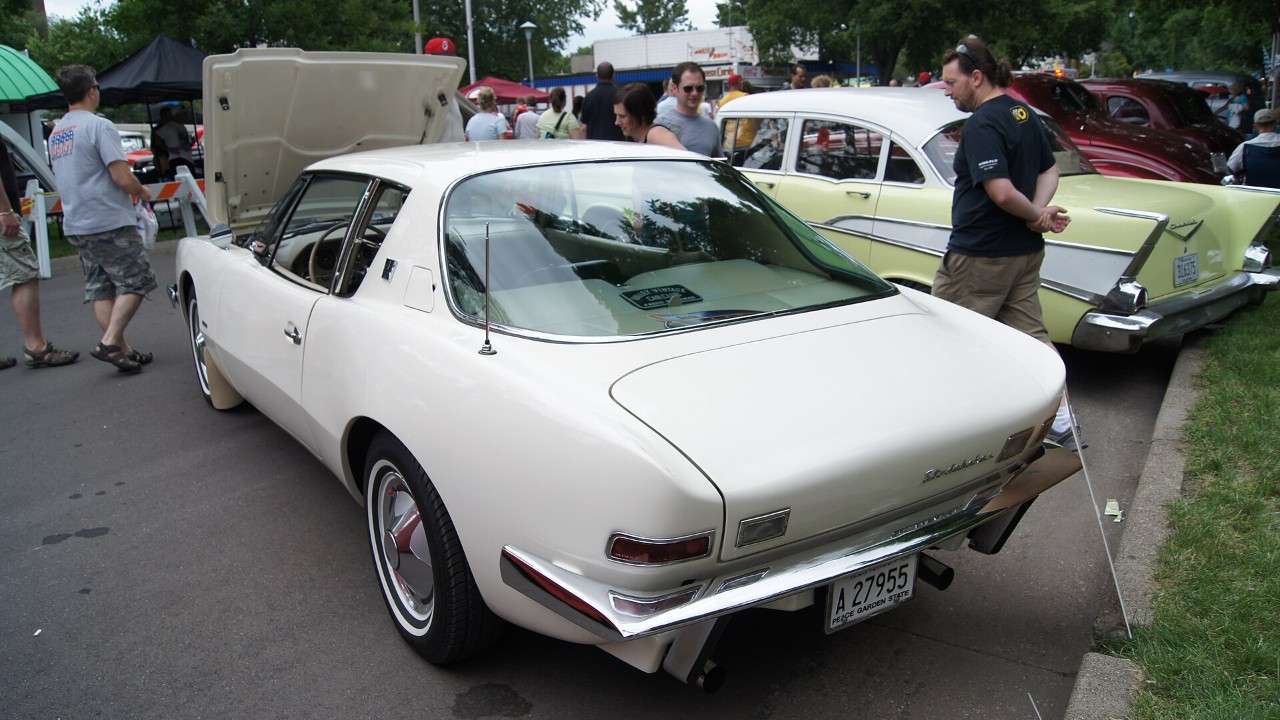
Raymond Loewy’s team finished the Avanti design in about five weeks, working from a rented house in Palm Springs. Studebaker revealed the car on April 26, 1962. Its body panels were glass-reinforced plastic made in Ashtabula, Ohio, and its front brakes were Dunlop-designed discs built under license by Bendix.
Hagerty’s Avanti history says the car can lay claim to being the first American-built production car fitted with disc brakes. The base R-1 engine was a 289-cubic-inch V8 with 240 horsepower, and the Paxton-supercharged R-2 made 289 horsepower. Beyond those, a modified Avanti with the supercharged R3 engine topped 170 mph and set 29 world speed records at the Bonneville Salt Flats.
Production in South Bend ended in December 1963 at chassis number 4,643. We covered how the Avanti got so far ahead in an earlier feature. Here, the R3 earns its spot for a simple reason. It showed what fiberglass, discs and boost could do together at a time when Detroit’s answer to speed was more displacement. In our view, no Studebaker Avanti better sums up how far ahead the company was thinking.
6. 1966 Oldsmobile Toronado 425

The Toronado carried a 425-cubic-inch Super Rocket V8 rated at 385 horsepower and 475 lb-ft of torque. Instead of turning a driveshaft to the rear, it fed a Turbo-Hydramatic mounted beside the engine through a chain drive. Oldsmobile called the whole assembly the Unitized Power Package.
According to Hagerty, the Toronado was the first front-wheel-drive car from a U.S. domestic automaker since the Cord. Work on the project had started in 1958. Motor Trend named it the 1966 Car of the Year, and Oldsmobile built 40,963 Toronados that first year. GM later used the layout in the Cadillac Eldorado and the GMC Motorhome.
We’ve written before about how front-wheel drive made the 1966 Toronado feel new. Our take: most of today’s cars put the driven wheels up front, and this big personal coupe proved the idea could handle serious power. Hagerty puts the median value of a 1966 car in Good condition at $18,000, which is modest money for a turning point. For that reason, it’s one of the easier cars on this list to own and enjoy.
7. 1968 Mazda Cosmo Sport L10B
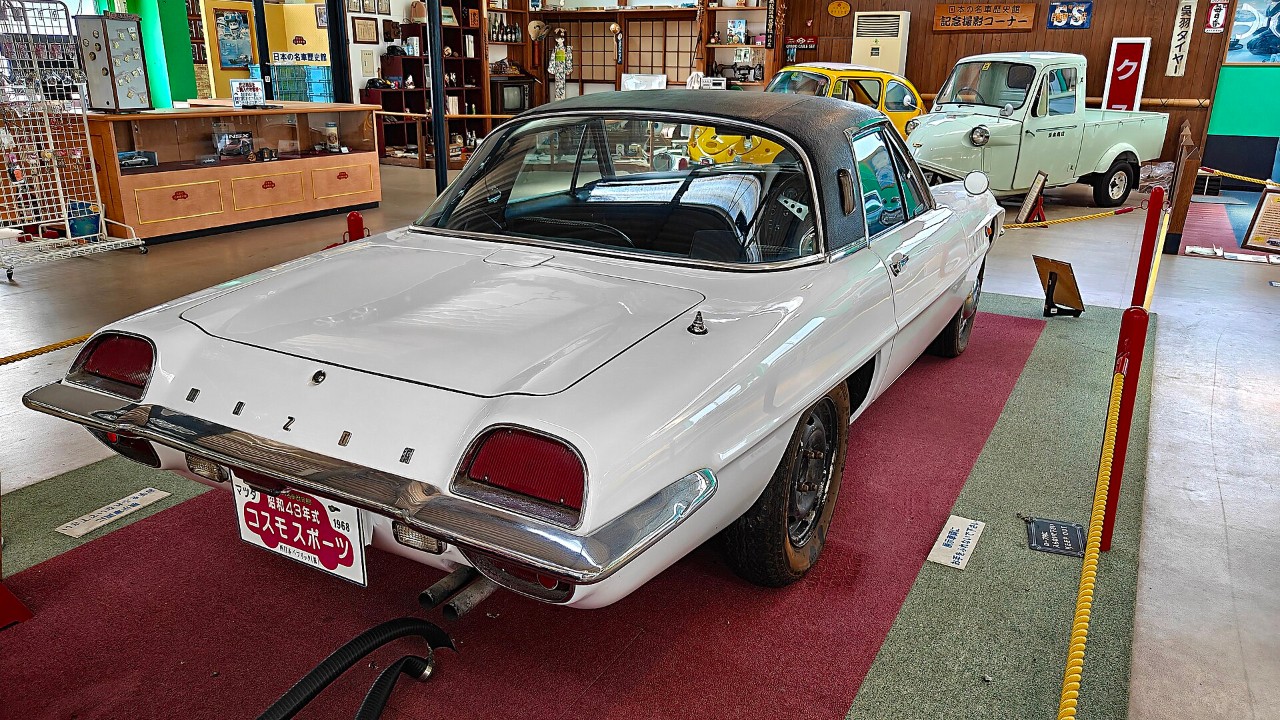
The Cosmo Sport carried Mazda’s 10A two-rotor engine, displacing just 982 cc. That rotary design had no pistons or valves in the usual sense, and Mazda bet its reputation on making it reliable. Series I cars arrived in May 1967, and Mazda built only 343 of them.
The Series II, or L10B, arrived in July 1968 with real upgrades. Output rose to 128 horsepower, and a five-speed manual replaced the four-speed. In addition, Mazda added 15 cm to the wheelbase, fitted 15-inch wheels and power brakes, and lifted top speed past 120 mph. Mazda built 833 Series II cars through 1972, for 1,176 Cosmo Sports in total.
In our view, the L10B is the version that proved the rotary could be a usable road car, not just a science project. Its high-revving, smooth engine set up the RX-7 and RX-8 that followed. For American enthusiasts, it remains the Mazda most people have never seen in person, and its tiny production numbers explain why. Even so, it showed the world that a small Japanese maker could build a sports coupe with real engineering ambition.
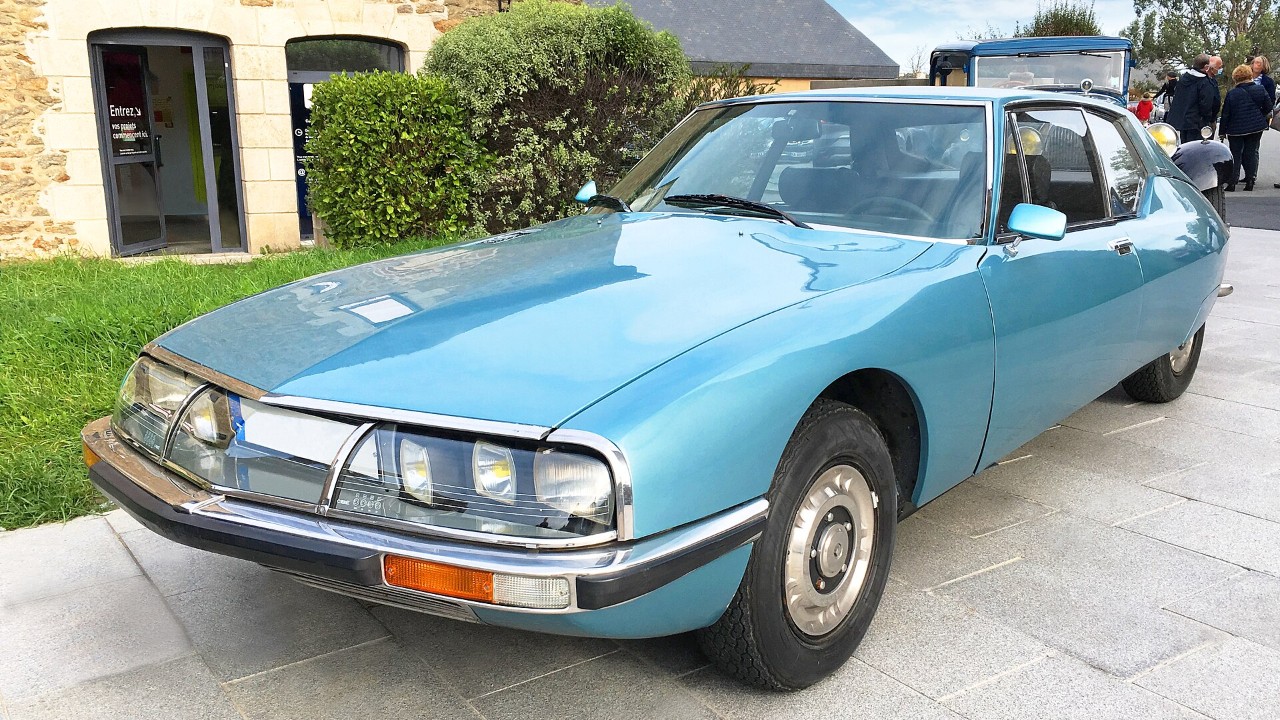
8. 1973 Citroën SM injection
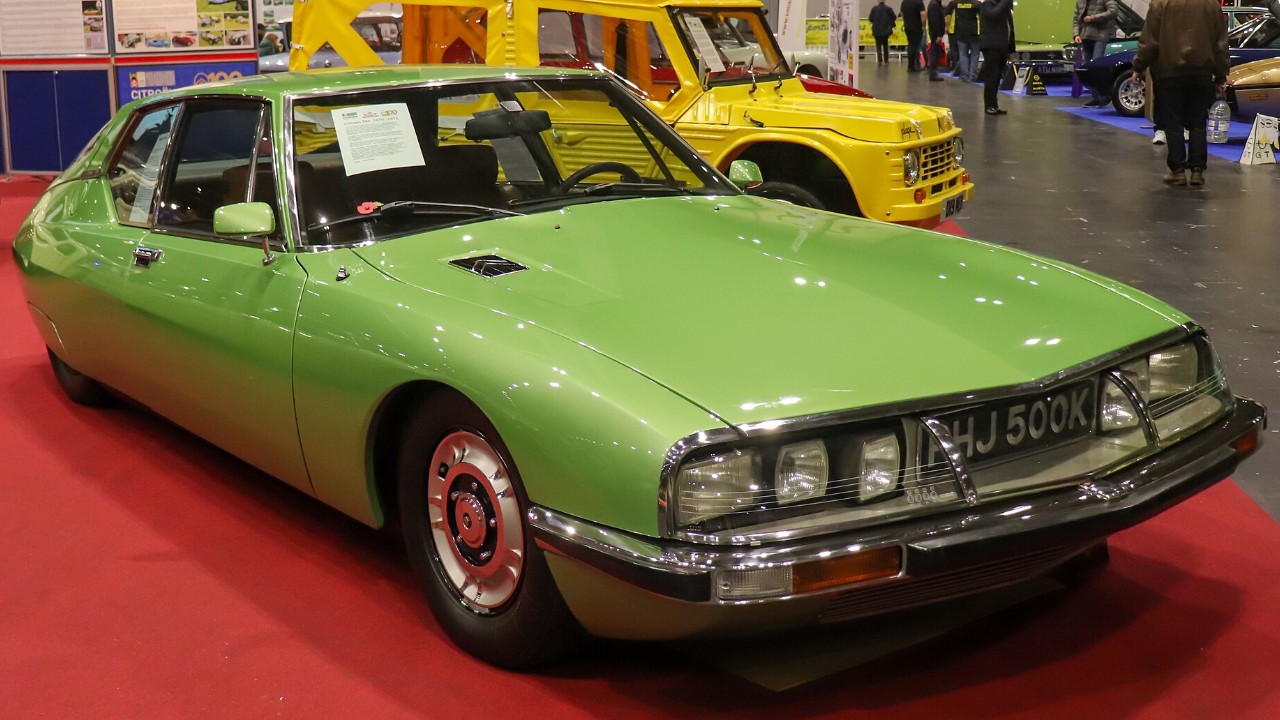
Citroën built the SM from 1970 to 1975 around a 2,670 cc Maserati V6. From 1972, the SM 2.7 Injection replaced triple Weber carburetors with Bosch D-Jetronic electronic fuel injection, raising output to 178 PS, or 176 horsepower. That put electronic injection on a grand touring coupe in the early 1970s.
The chassis was even further out. The SM rode on the self-leveling hydropneumatic suspension from the Citroën DS. Its DIRAVI steering was fully powered, self-centering and speed-sensitive, needing only two turns from lock to lock. Six headlamps included high beams that swiveled with the steering. Motor Trend made it the 1972 Car of the Year, though America’s sealed-beam rules kept the swiveling lights off U.S. cars.
Then the bottom fell out. Citroën went bankrupt in 1974, Peugeot took control, and production fell to 115 cars in the final year. Citroën built 12,920 SMs in all. Our earlier look at what SM ownership is like covers the upkeep. In our opinion, few coupes have packed more future into one body.
9. 1980 AMC Eagle coupe

AMC launched the Eagle in August 1979 for the 1980 model year. It took the compact Concord and added permanent four-wheel drive. A viscous coupling in the New Process 119 transfer case let the system run on dry pavement without binding, so drivers never had to think about it. The two-door, four-door and wagon all used the 258-cubic-inch inline-six.
The idea came from Roy Lunn, AMC Jeep’s chief design engineer, and AMC hired FF Developments to build a prototype in 1977. AMC built 45,379 Eagles for 1980, including 10,616 two-doors. Motoring journalist Marty Padgett later called it “the first crossover,” a word nobody used back then.
Our take: the raised, car-based, all-wheel-drive formula now fills entire showroom floors. The Eagle two-door looked odd in 1980, with its lifted stance on a compact car body. Today it reads like a blueprint. Because AMC had little money, it built the idea from parts it already had, which makes the result even more impressive. If you want one, pay extra for a rust-free car with a healthy four-wheel-drive system.
10. 1985 Subaru XT Turbo
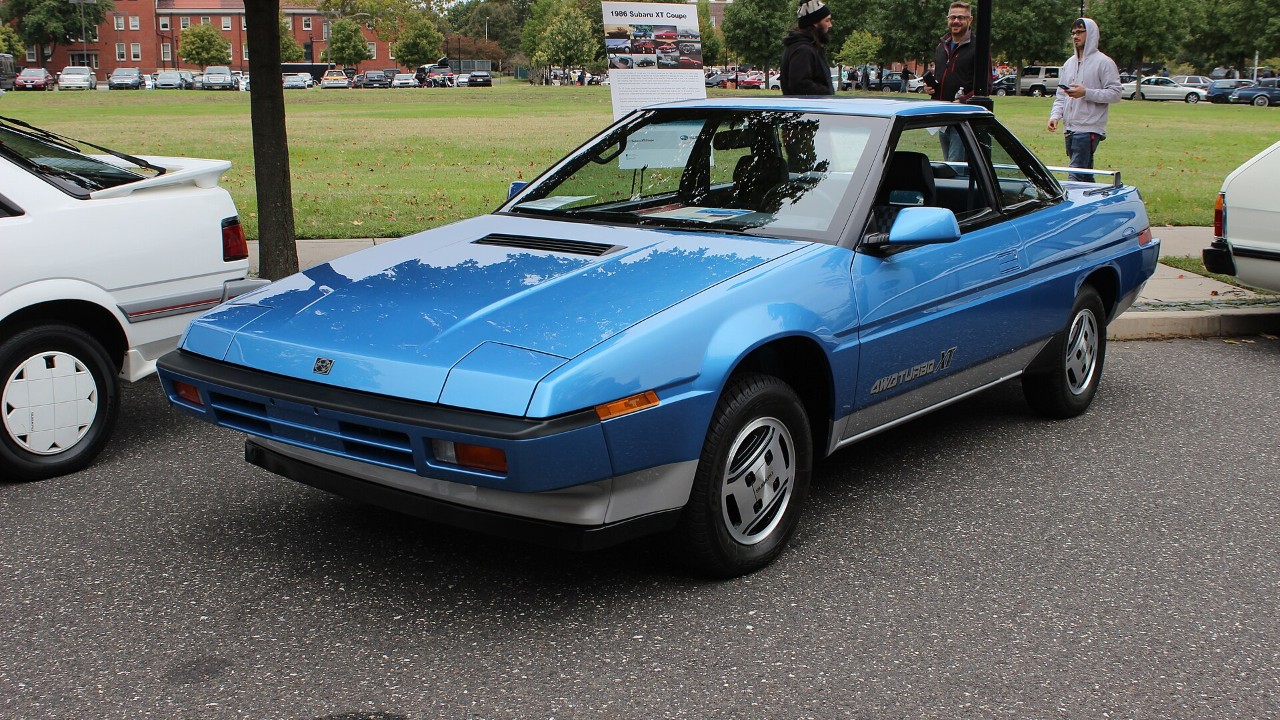
The XT arrived for 1985 with a drag coefficient of 0.29. That made it the most aerodynamic production car sold in America at its release. Even the single 22-inch windshield wiper tucked under the hood when not in use.
The Turbo model packed even more ideas. Its 1,781 cc turbocharged flat-four made 112 horsepower in U.S. form. A push button on top of the joystick-shaped shifter engaged on-demand four-wheel drive, which only turbo cars offered. The XT also had height-adjustable air suspension and an orange backlit digital dash showing boost, revs and fuel.
In our view, the XT Turbo predicted the all-weather sport coupe long before anyone asked for one. With age in mind, a buyer should check that the suspension holds its height and the digital cluster lights up fully. Find a good one, though, and you’ll own one of the strangest, smartest Subarus ever sold here. On top of that, few cars at any car show will draw more questions per dollar spent.
11. 1990 Eunos Cosmo
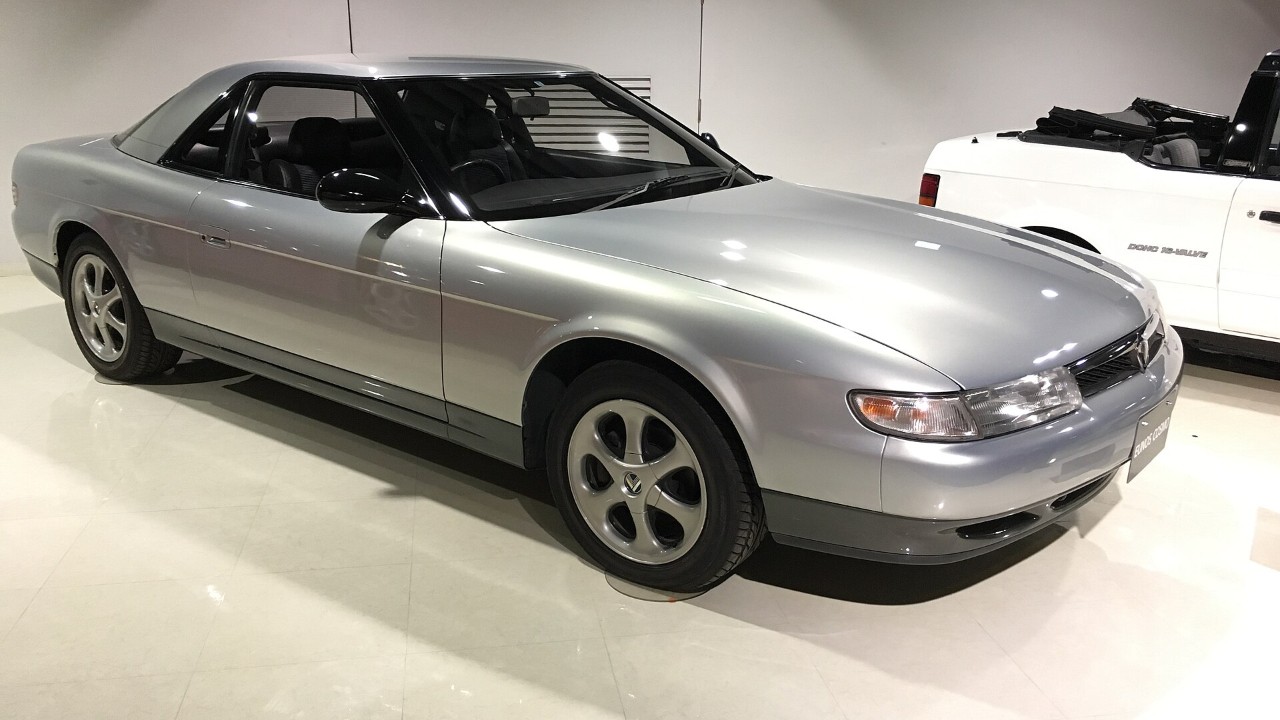
Mazda sold the Eunos Cosmo in Japan from February 1990 to September 1995. The top engine was the 20B-RE, a three-rotor displacing 1,962 cc. With two Hitachi turbochargers working in sequence, it made 280 PS, or 276 horsepower, and 297 lb-ft of torque. That smooth, turbine-like output fit a big luxury coupe perfectly.
The cabin was just as forward-looking. The top-spec Type-E CCS used a color CRT touch screen called the Car Communication System. That one screen ran climate control, phone, GPS navigation, TV, radio and CD playback. It did all of that in a coupe sold in 1990.
Mazda sold 8,875 Eunos Cosmos in total. Our take: this coupe put a touchscreen dashboard and built-in navigation in front of drivers a generation before those features became normal. That much complexity also makes a healthy example hard to find, so buy the best one you can afford. Also, keep in mind that Mazda built it for Japan, so most cars here arrive as imports with right-hand drive.
12. 1991 Dodge Stealth R/T Turbo
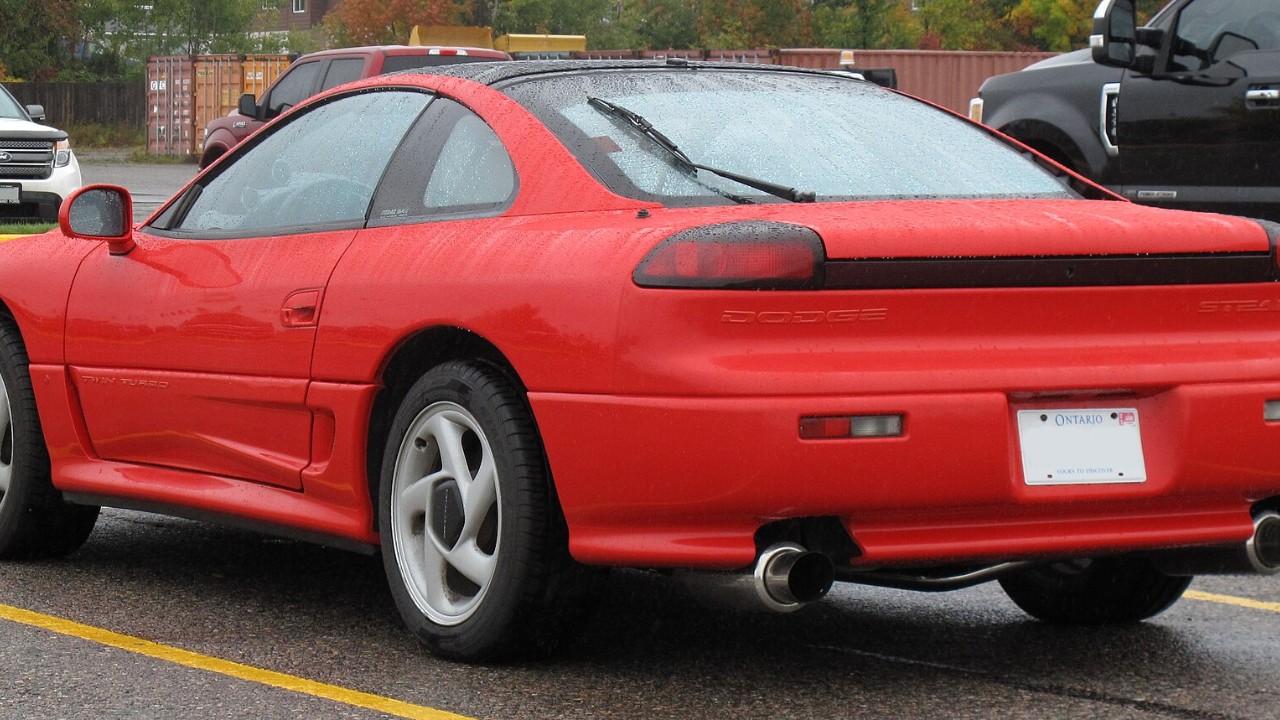
The Stealth R/T Turbo used a twin-turbocharged 3.0-liter V6 rated at 300 horsepower. It sent that power through permanent all-wheel drive. On top of that, it added four-wheel steering and an electronically controlled suspension. Mitsubishi built every Stealth on the same line in Nagoya, Japan, while Chrysler handled the exterior styling.
That Japanese origin caused a famous headache. Dodge first planned to pace the 1991 Indianapolis 500 with a Stealth. The United Auto Workers objected because the car came from Japan, so a Viper prototype took over. However, a Stealth stayed on as a backup pace car, and race winner Rick Mears received one.
In our opinion, the R/T Turbo brought a technology load to Dodge showrooms that supercars of the day would have envied. All-wheel drive and twin turbos are now common supercar equipment. As a result, the Stealth looks far smarter now than its reputation as a rebadged import suggests. Dodge sold the Stealth in North America from 1991 to 1996.
More from Fast Lane Only