Ask most people to name a fast Chevrolet Corvette and you’ll hear the same few answers: the L88, the Grand Sport, the modern Z06. Yet some of the quickest Corvettes ever sold hid behind three-digit option codes that only dealers and racers understood. You had to know which box to tick on the order form.
That’s why so many of them slipped out of the spotlight. They often looked like ordinary Corvettes from the curb. However, underneath sat cold-air boxes, aluminum heads, giant fuel tanks and twin turbochargers that left rivals behind on the street and the track.
These seven are our picks for the forgotten Corvettes that outpaced the competition in their day. The choices are our opinion. The engine ratings, prices and production counts come from Corvette histories, auction records and period sources we checked for this story.
1. 1957 Chevrolet Corvette RPO 579E airbox
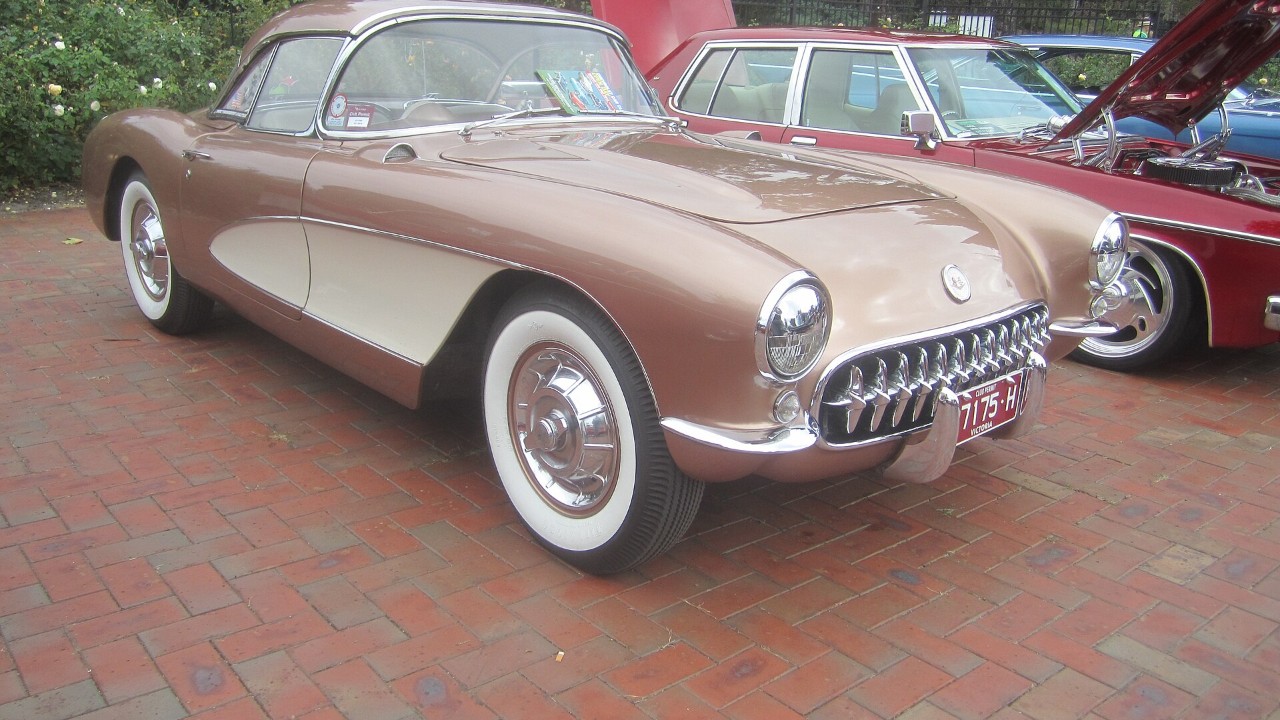
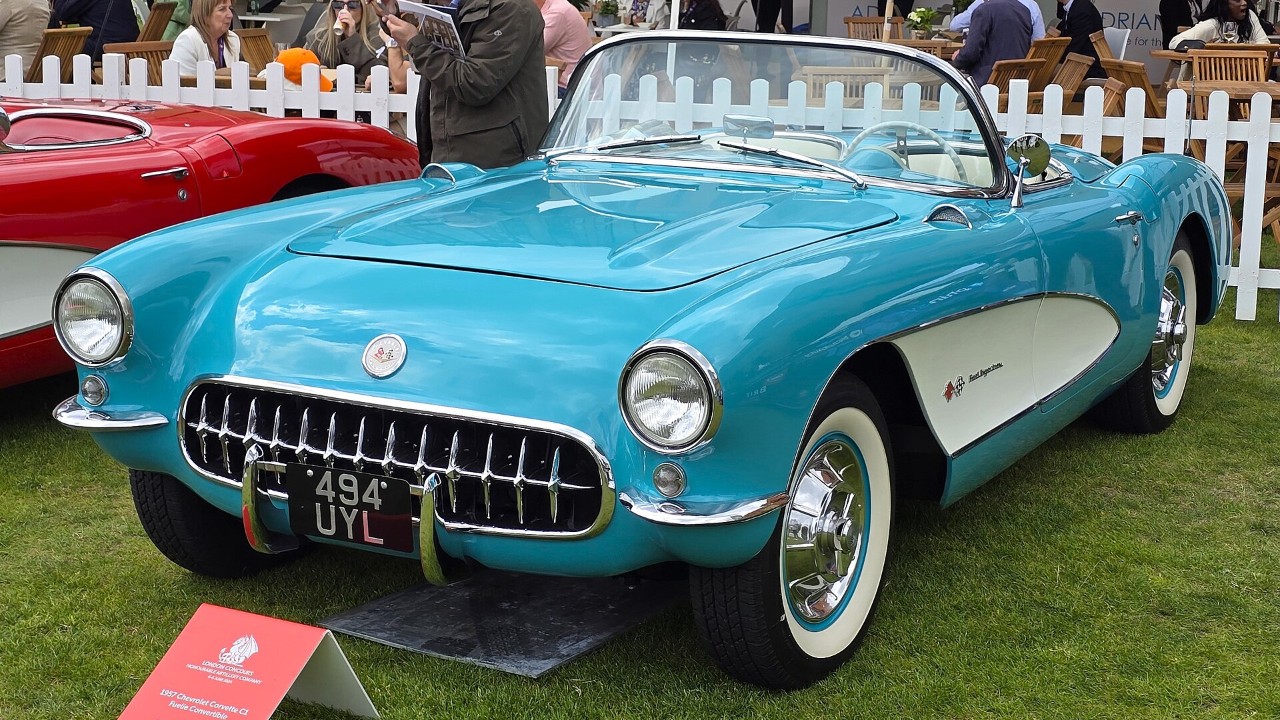
In 1957, Chevrolet bolted a cold-air box to its new Ramjet fuel injection and created a race car in street clothes. The option code was RPO 579E, and it came with a catch. According to Corvette Blogger, buyers also had to order RPO 684, the heavy-duty racing suspension. The engine was the fuel-injected 283, rated at 283 horsepower at 6,200 rpm.
Only 43 factory airbox cars were completed. Chevy Hardcore calls the setup the first factory cold-air intake on a Corvette, and it notes the tachometer moved to the steering column so the driver could see it. At the time, a base Corvette cost $3,176. Options like these pushed the price up by almost half.
Our take: this is the purest early Corvette performance car, and almost nobody outside the hobby knows the code. In 2010, RM Auctions sold an airbox car from the Milton Robson collection for $374,000, above its estimate. Fewer than half of the 43 are believed to survive, so you’re more likely to see one at a concours than at a cruise night.
2. 1963 Chevrolet Corvette Z06 “Big Tank”
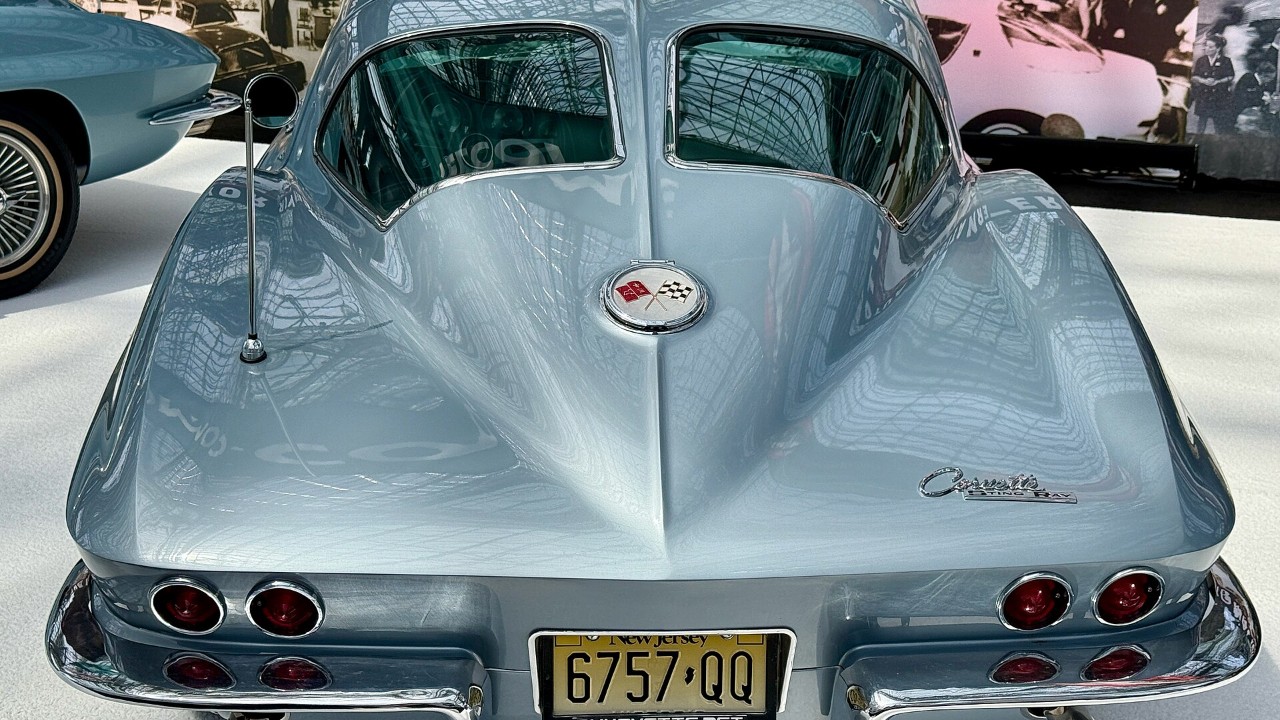
The new Sting Ray arrived for 1963, and Chevrolet quietly offered a version built for endurance racing. The Z06 package was meant for events like Sebring and Daytona. Its most famous piece was an optional 36.5-gallon fuel tank, replacing the standard 20-gallon tank, so a car could run longer between pit stops.
Power came from the fuel-injected L84 327, rated at 360 horsepower. Chevrolet built only 199 Z06 Corvettes in 1963. The package cost $1,818.45 on top of a $4,252 base coupe, which was serious money for brakes, suspension and a tank most owners would never fill on the street. The Z06 name later came back for a very different car, and we’ve covered the later Z06 427 and what it sells for today.
In our view, the 1963 car is the real origin story, and it gets overlooked because its modern namesakes are so loud. A Big Tank split-window coupe looks almost normal until you open the rear and see how much room the fuel cell takes. That understated look is exactly why we’d want one.
3. 1965 Chevrolet Corvette L78 396
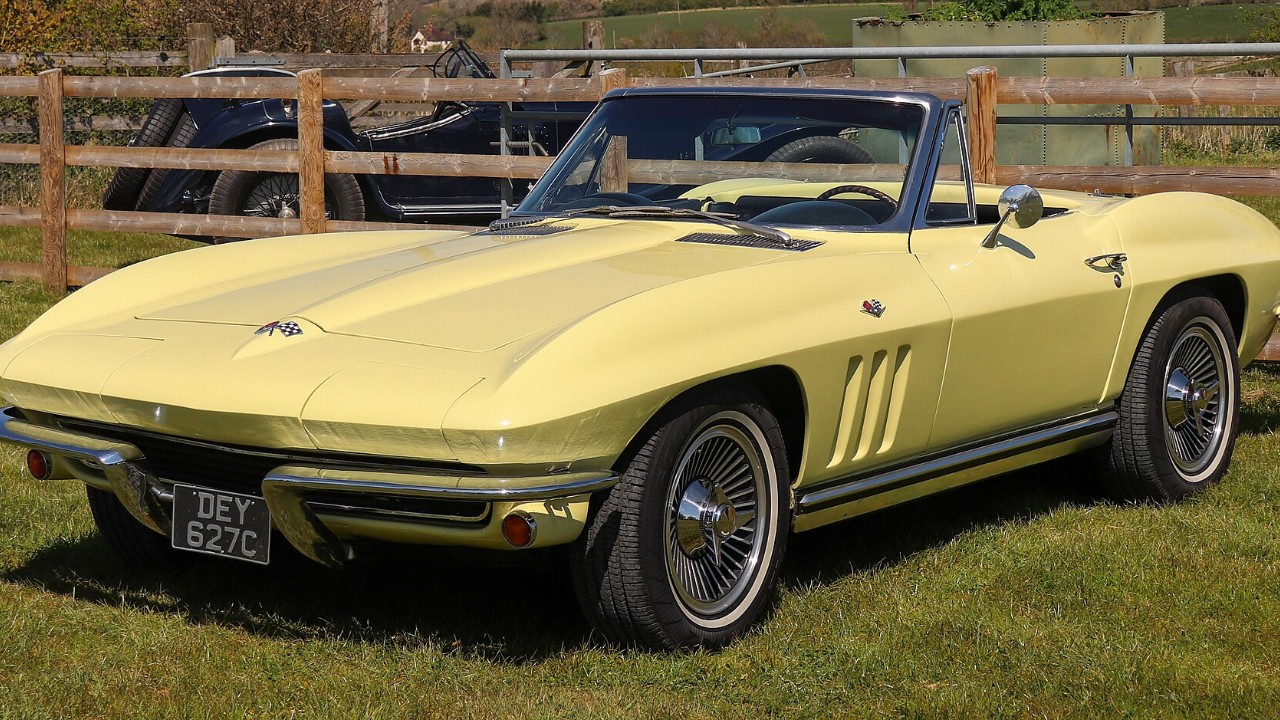
Midway through 1965, the Corvette got its first big-block V8. The L78 396 was rated at 425 horsepower and 415 lb-ft of torque. Corvette Report argues the real output was closer to 450 horsepower. A domed hood with vents cleared the larger air cleaner, and that bulge was the main outside clue.
The price made the choice easy. According to Corvette Report, the L78 cost $292. Meanwhile, the L84 fuel-injected 327 cost $538 and made 50 fewer horsepower. As a result, Chevrolet sold 2,157 of the 396 cars that year. Only 771 fuel-injected cars left the factory in 1965 before Chevrolet dropped the option.
We think the L78 deserves more credit than it gets. It was a one-year engine, quickly replaced by the 427, so it’s easy to skip over. Still, it changed the Corvette’s direction overnight. If you want a mid-year big-block, our earlier story on how the 1966 Corvette balanced big-block power and control picks up where this car left off.
4. 1968 Chevrolet Corvette L89
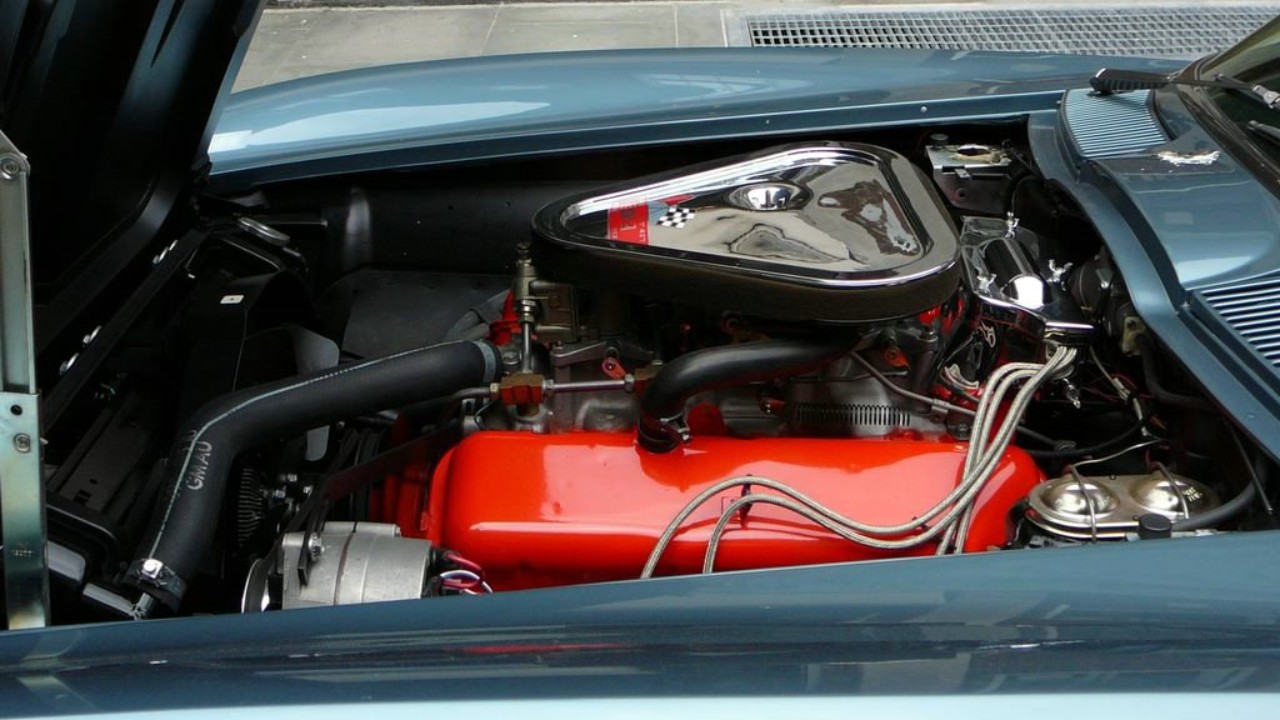
The first C3 Corvette offered plenty of 427 choices, but the L89 was the clever one. It took the L71 427, with its three two-barrel Holley carburetors and solid-lifter cam, and swapped the cast-iron cylinder heads for aluminum. The rating stayed at 435 horsepower. Instead, the gain came at the scales.
According to CorvSport, the aluminum heads saved about 75 pounds over the iron-head engine, and that helped the front end and handling. The heads also used larger exhaust valves, 1.84 inches against 1.72. Buyers chose the L89 just 624 times in 1968. It cost $832.05, a price that included the L71 engine.
Our take: the L89 is a driver’s option hiding inside a muscle car spec sheet. Less weight over the front wheels matters on a twisty road far more than a horsepower number. Because it shares its rating with the L71, though, it rarely gets its own spotlight. A documented L89 is the big-block C3 we’d hunt for first.
5. 1969 Chevrolet Corvette ZL1
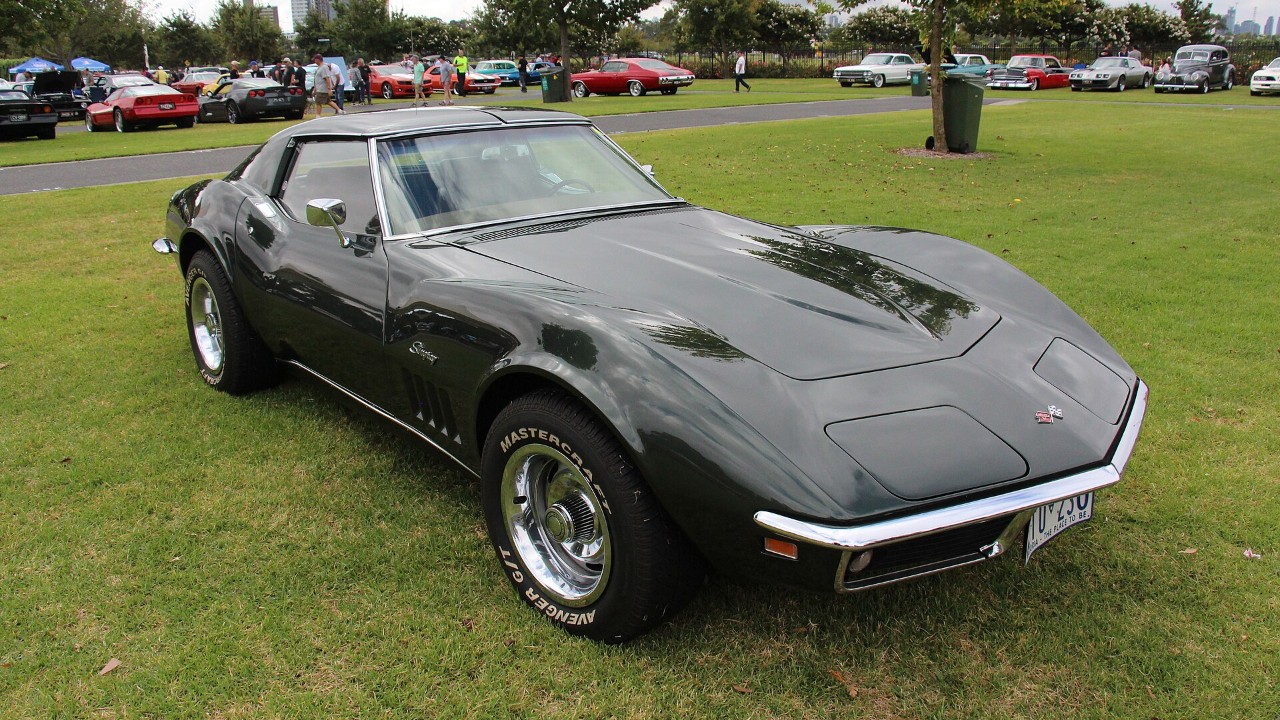
The ZL1 took the racing L88 427 and gave it an aluminum block. That cut weight from the nose, which improved balance and the power-to-weight ratio. The L88 was advertised at 430 horsepower, though Hagerty notes it was widely rumored to make closer to 500.
The cost was staggering. Hagerty reports the engine alone added more than $4,700, more than double the base Corvette’s price of just over $4,000. Not surprisingly, almost no one ordered it. Hagerty described the red convertible offered by RM Sotheby’s in January 2023 as one of two ZL1 Corvettes built, with an estimate of $2.6 million to $3.0 million. The other known car, a yellow coupe, sold in 1991 for $300,000.
We’d argue the ZL1 is famous among Corvette people and almost unknown everywhere else. It never had a big production run or a racing legend to sell it to the public. Instead, it’s a footnote that became a holy grail, and that makes it a perfect fit for this list.
6. 1971 Chevrolet Corvette LS6
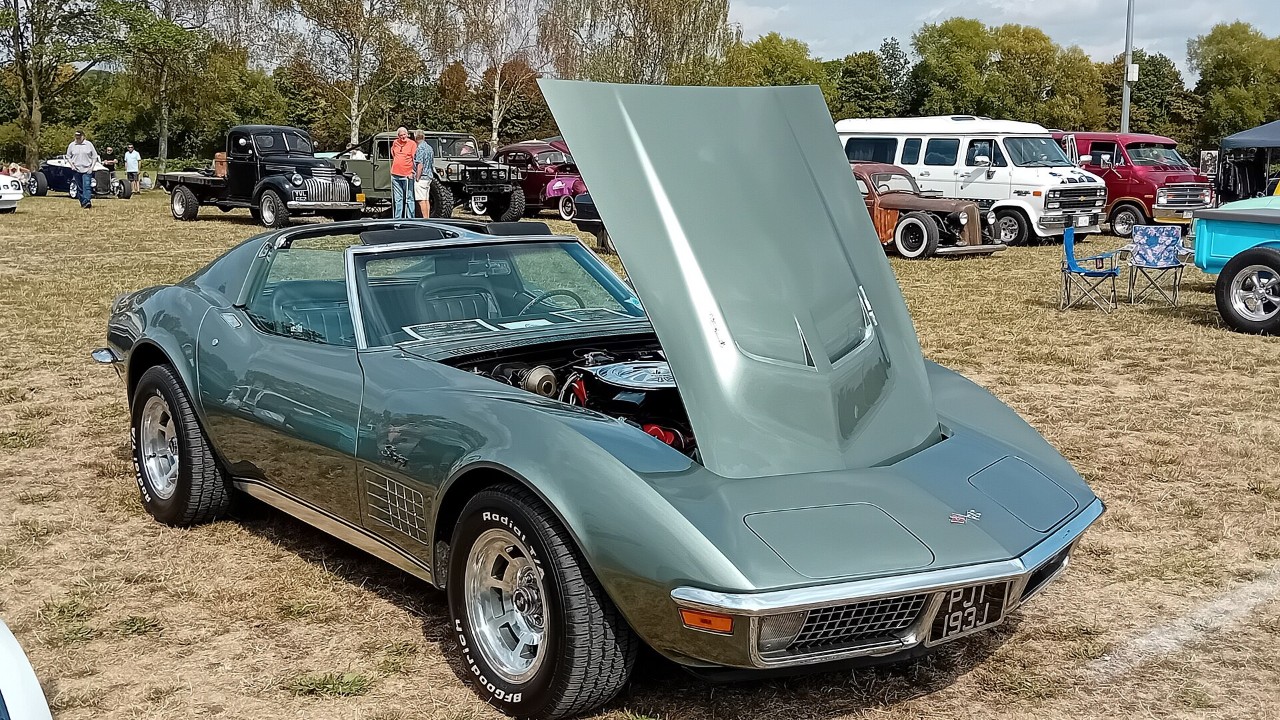
By 1971, emissions rules were squeezing American performance, yet Chevrolet slipped one more brute into the Corvette. The LS6 454 was rated at 425 horsepower at 5,600 rpm. It used aluminum cylinder heads and transistorized ignition. According to Corvette Action Center, the engine wasn’t detuned for unleaded fuel, so it needs premium leaded gas.
Only 188 Corvettes left the factory with the LS6 for 1971. The example Corvette Action Center lists also carries a Muncie M22 “Rock Crusher” four-speed and a 3.36 Positraction rear axle. That’s a serious drivetrain for a car many people dismiss as part of the soft, late-chrome era.
In our view, the LS6 is the last great big-block Corvette before the horsepower ratings collapsed. It gets lost among the better-known 1960s big-blocks. A real one, with its paperwork, is a rare find and well worth the search.
7. 1987 Chevrolet Corvette Callaway Twin Turbo
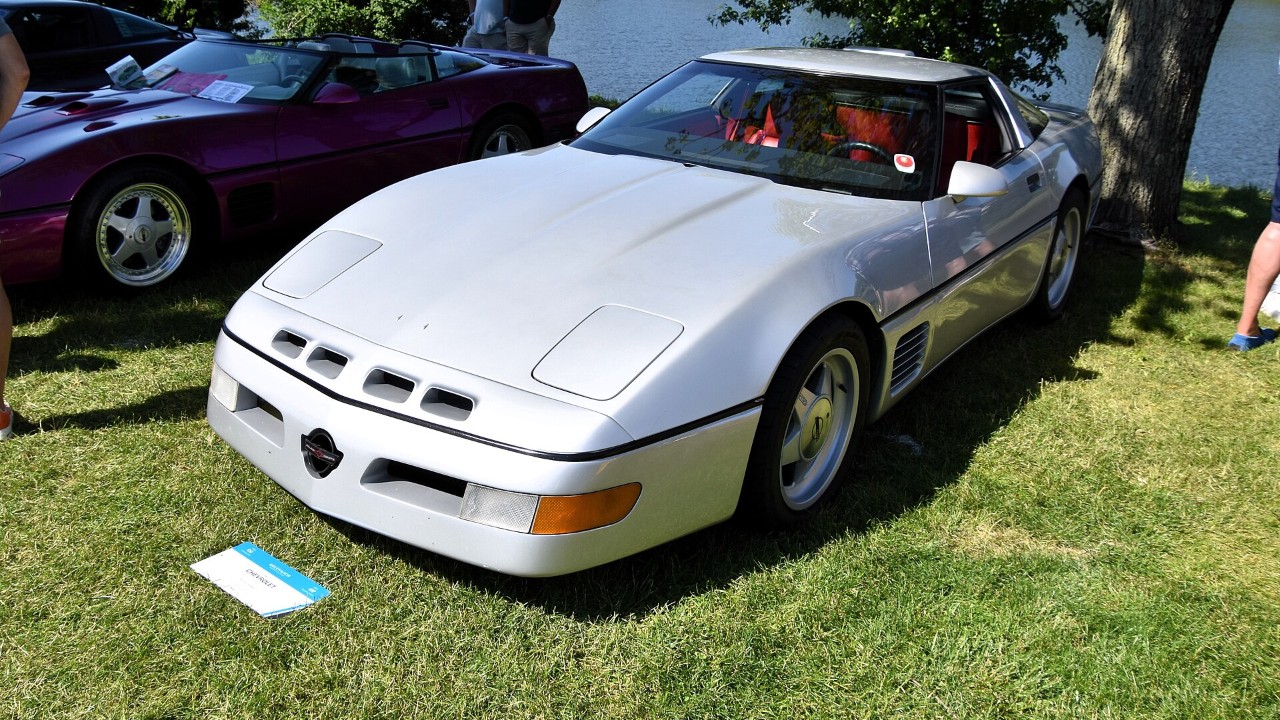
For 1987, you could walk into a Chevrolet dealer and order a twin-turbo Corvette with a factory option code. It was RPO B2K, and the turbos came from Callaway Engineering. Hagerty calls Callaway the first outside supplier to earn regular production option status from GM. The first cars made 345 horsepower and 465 lb-ft of torque.
The option cost $19,995 in 1987, about two-thirds the price of the car itself. By 1991, it had climbed to $33,000. Callaway built about 500 B2K cars in all. Later, its 880-horsepower Sledgehammer, a twin-turbo Corvette derivative, recorded 254.76 mph at Ohio’s Transportation Research Center in 1988.
We think the B2K is the most underrated Corvette of the 1980s, and the market seems to agree it’s forgotten. Hagerty reports a 1987 Twin Turbo with a claimed 25,800 miles sold at a Mecum auction in Portland, Oregon, for $15,400.
More from Fast Lane Only