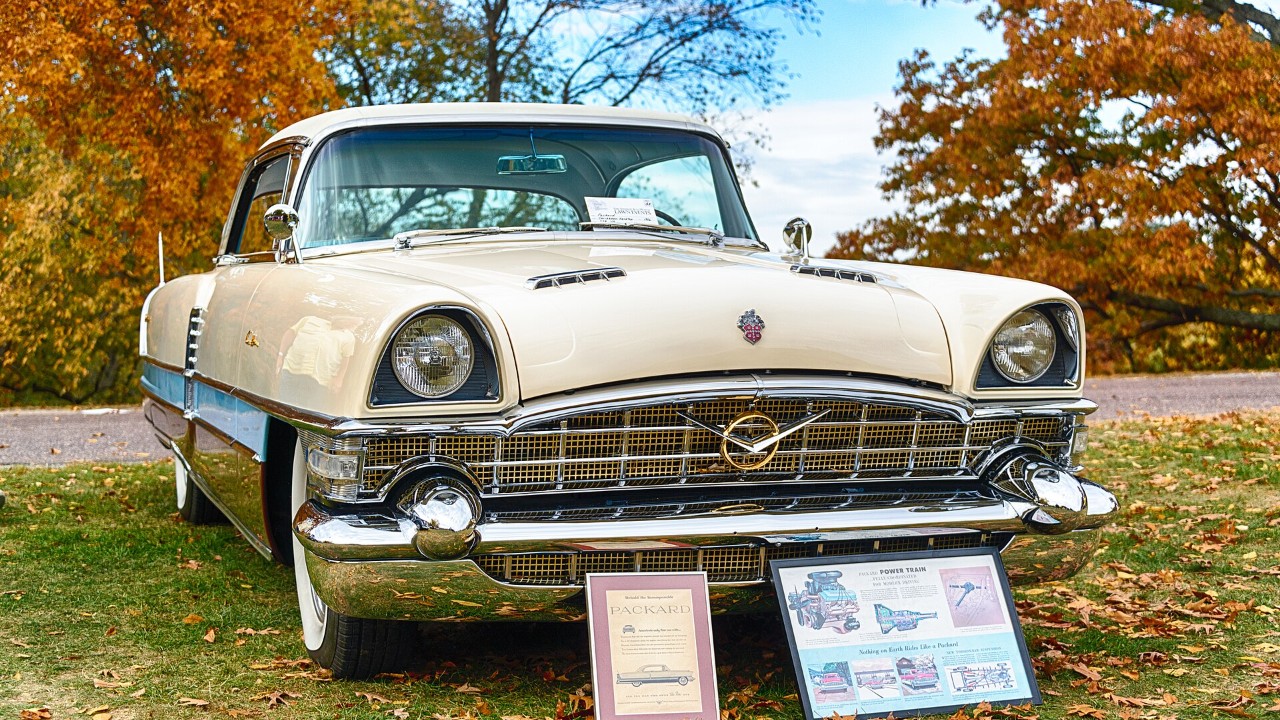
The pillarless hardtop arrived as a 1949 General Motors idea. Buick, Oldsmobile and Cadillac launched two-door hardtops that year, and every rival soon wanted the same open-window look. By 1956, Chrysler offered two- and four-door hardtops in every one of its brands.
Then the style faded. Convertibles and hardtops began to disappear in the mid-1970s, partly because makers worried that federal safety rules would be hard for pillarless cars to pass. In fact, the last American pillarless two- and four-door hardtops were the 1978 Chrysler Newport and New Yorker.
That left a lot of forgotten roofs behind. These 12 are our picks, the hardtops we think most people have never seen up close. The years, engines and production counts come from period fact sheets, museum records and auction catalogs, and the verdicts are our own.
1. 1949 Kaiser Virginian hardtop sedan
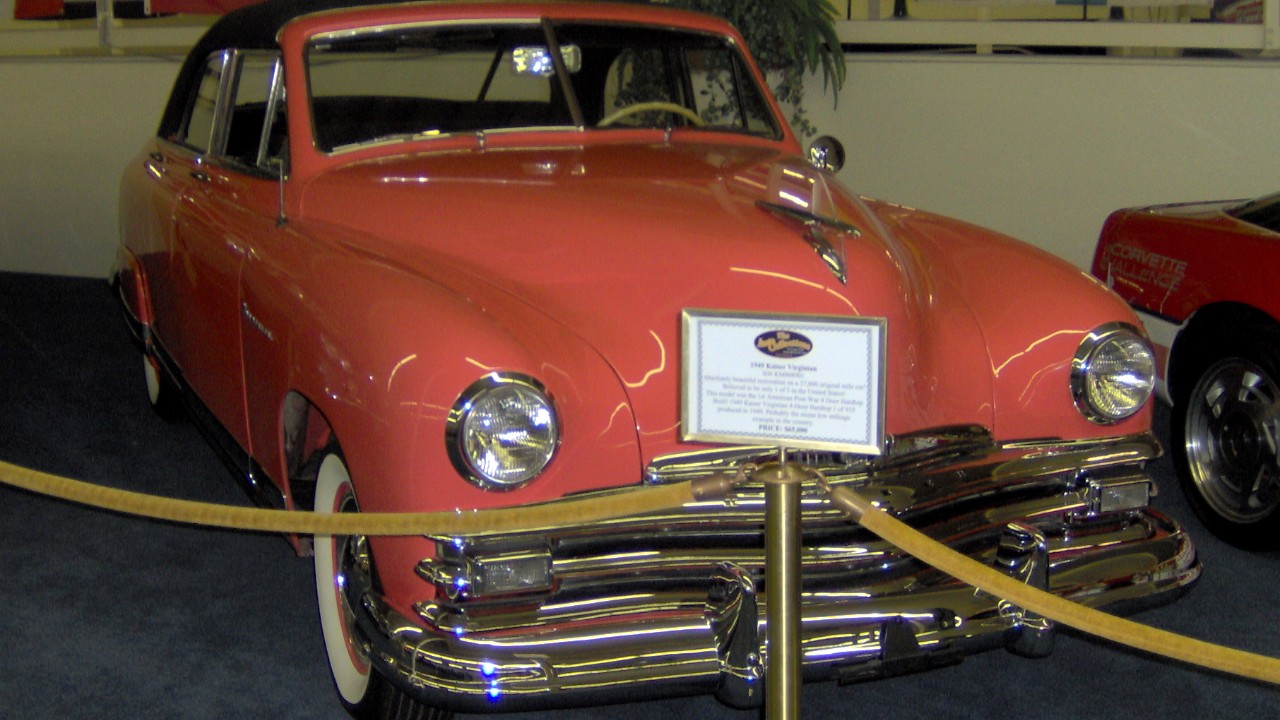
Kaiser-Frazer built one of the earliest four-door hardtops. The 1949 Virginian kept a “B” pillar, but the pillar was removable and held on by five screws. Kaiser also wrapped the roof in padded nylon or cotton, so the steel top looked like a convertible top from across the street.
Under the hood sat a 226-cubic-inch L-head six, according to an Old Cars Weekly profile of a surviving Custom Virginian. That same feature notes that very few were built. It adds that each car was hand built at a cost of more than $10,000 in 1949 money.
Our take: the Virginian is the strangest hardtop on this list, and that is why we love it. It is a family sedan dressed for a country club, with a roof trick most people would never notice. If you ever see one at a show, look for the screws on that center post. The Virginian got to the four-door hardtop idea early, years before most rivals made one their own.
2. 1950 Buick Roadmaster Riviera

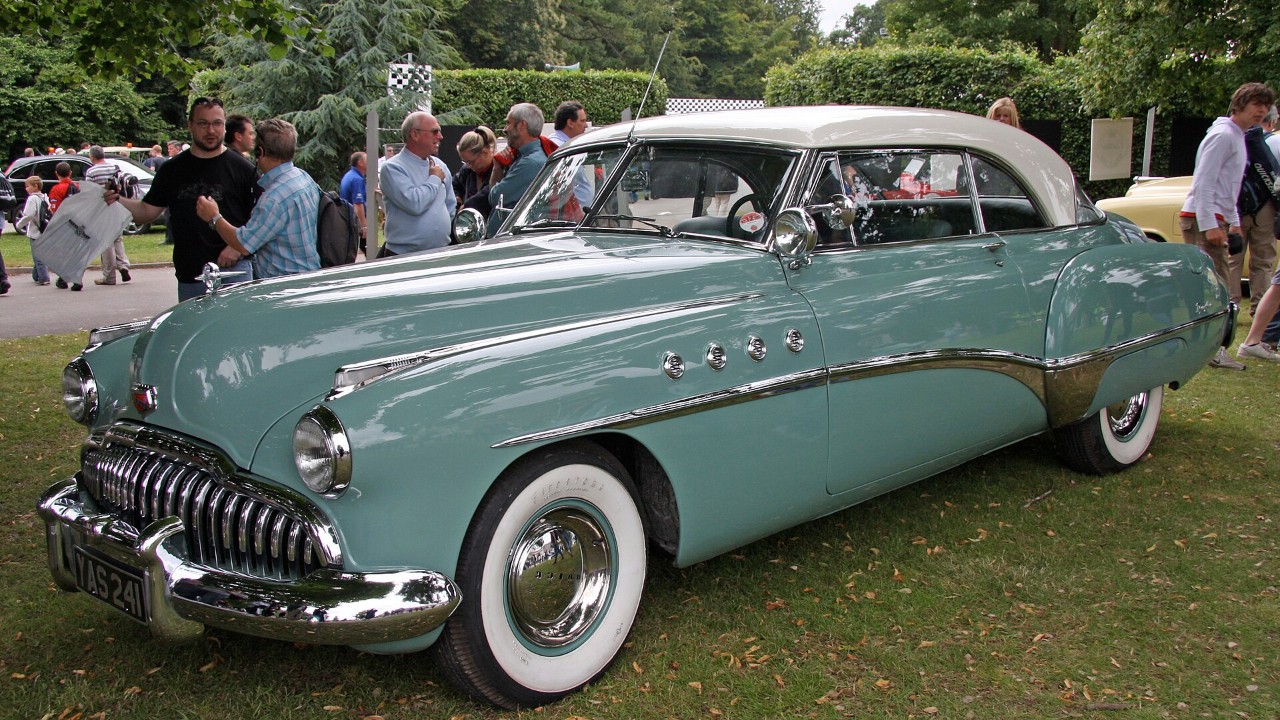
Buick’s Roadmaster Riviera was among GM’s first mass-produced pillarless hardtops. The popular legend gives the credit to Ed Ragsdale, Buick’s assistant chief engineer. His wife Sarah loved convertibles, but she always drove with the top up to protect her hair.
The real story is messier. According to Ate Up With Motor’s model history, designers Ned Nickles and Jules Andrade developed the pillarless roof about two years earlier in a special projects studio. The 1949 car carried a 320-cubic-inch straight-eight rated at 150 horsepower and a base price of $3,203. That was $53 more than a Roadmaster convertible. The hardtop also arrived later in the 1949 model year than the other senior Buicks, so early buyers had to wait for it.
For 1950, Buick split the car in two. The regular Riviera lost its power seat and windows to bring the price down. Meanwhile, the new Roadmaster Deluxe Riviera kept them, and it outsold the plain car by roughly four to one. We would hunt for a Deluxe, because those power goodies are part of the point.
3. 1951 Hudson Hornet Hollywood hardtop
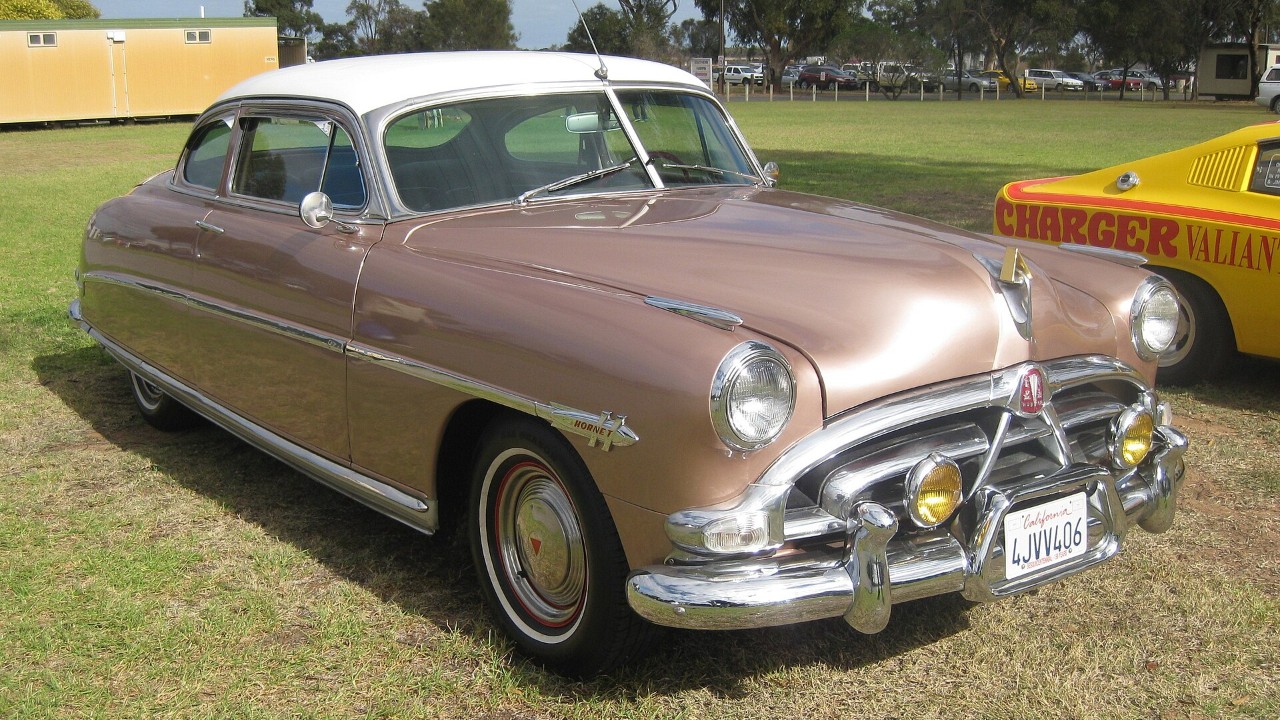
Hudson came late to the hardtop party. It introduced its first pillarless model in January 1951, deep into the model year, and offered it in the Super, Commodore and Hornet lines. Hudson called every one of them a Hollywood.
The delay had a reason. Hudson’s Monobilt unit body was advanced for its day, but it made annual facelifts hard. As a result, the roof and glass above the beltline were the easiest places for stylists to make changes, according to Mac’s Motor City Garage. That history also says Hollywood output usually ran only a thousand or two cars per trim level each year. Hudson kept the Hollywood name going through 1957, when it built just 749 across the Super and Custom trims.
Our take: a Hornet sedan already turns heads at any show. However, a Hornet Hollywood with its windows rolled down shows off the low step-down body better than any other Hudson. Because production was small, finding one with intact trim will take patience. If you want one, start with the clubs rather than the classifieds.
4. 1955 Nash Ambassador Custom Country Club

Nash used its own name for the pillarless style: Country Club. By 1955, the top Ambassador hardtop wore styling credited to Pinin Farina. It also had a “Scena-Ramic” wraparound windshield, an oval grille and headlamps tucked inboard next to the grille.
Those inboard lights give the car its face, and an Old Cars Weekly feature credits them for much of its appeal today. That feature lists two engines. The Ambassador Six was a 252.6-cubic-inch inline six with 130 horsepower. Above it, the optional V8 was a 320-cubic-inch Packard unit rated at 208 horsepower, and it came only with the Twin Ultramatic transmission.
Our take: this is the hardtop for someone who likes oddballs with good manners. The Packard V8 makes it a real cruiser, while the Italian-credited styling makes it look like nothing else from Detroit. We would pick the V8 car, though a clean six would make a fine weekend driver too. Keep in mind that Nash and Hudson together built 81,237 vehicles that year, a small total by Detroit standards, so parts take some hunting.
5. 1956 Packard Caribbean hardtop

The Caribbean began as a convertible, and Packard added a hardtop only for the model’s final year. That makes the 1956 hardtop a true short run. Packard built 263 of them, alongside 276 convertibles.
The engine matched the price. A 374-cubic-inch V8 with two four-barrel carburetors and 10:1 compression made 310 horsepower. Inside, the seats had reversible cushions with cloth on one side and leather on the other, so owners could flip them with the seasons. Packard also used the car to introduce a 12-volt electrical system and electric door locks, and it paired the V8 with its push-button Ultramatic. The convertible listed at $5,995, which made it the most expensive Packard that year. We covered the bigger story in our look at how the 1956 Caribbean tried to save a luxury empire.
Our take: with only 263 built, this hardtop has the lowest recorded production on our list. Even so, it is no garage queen in spirit. Packard gave it the best engine it had, plus tri-tone paint and a new limited-slip rear end. If you see one in person, count yourself lucky.
6. 1956 Studebaker Golden Hawk
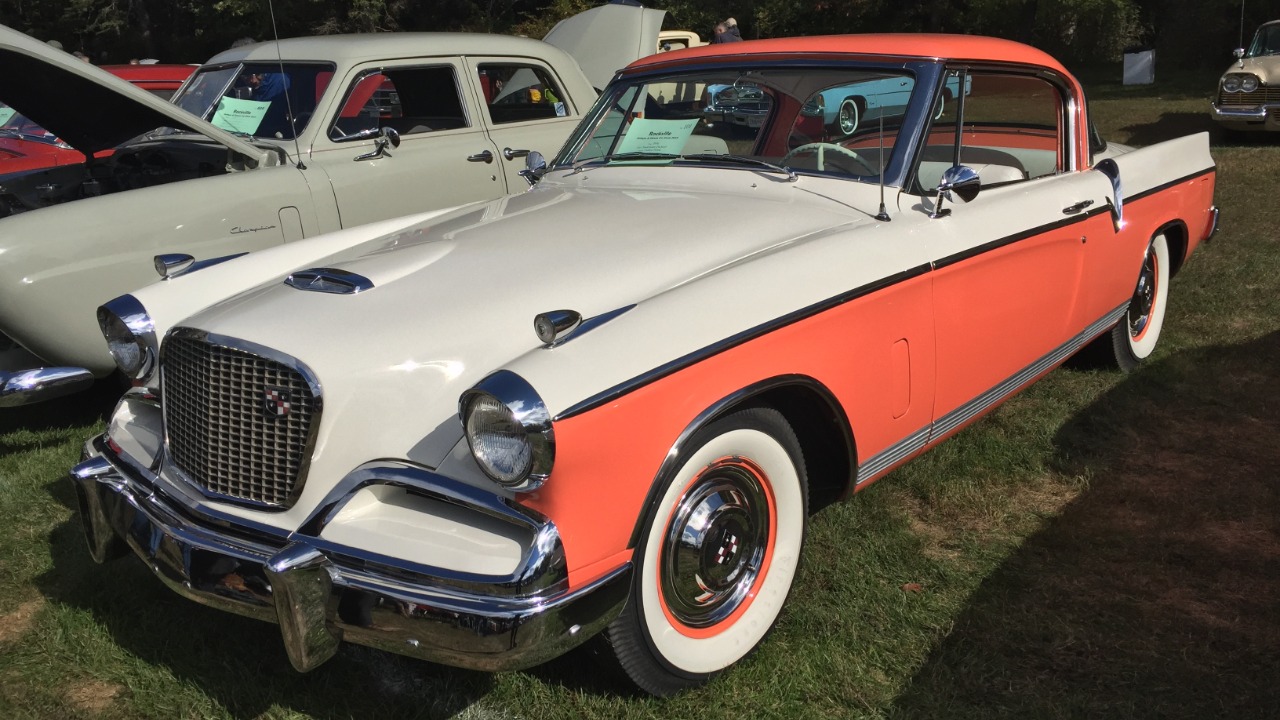
Studebaker built pillarless roofs too, and it called them Starliners. By 1956, the top of its new Hawk family was the Golden Hawk hardtop. It had small fiberglass tail fins, a Mercedes-inspired grille and a fully redone interior with complete instrumentation.
Its engine came from Packard. According to the Studebaker National Museum, the Golden Hawk used a 352-cubic-inch V8 rated at 275 horsepower. It listed at $3,065, and Studebaker built 4,071 of them. By comparison, the 289-powered Sky Hawk hardtop that year found 3,050 buyers. The Golden Hawk topped a four-car family that also included the Power Hawk and Flight Hawk. The cheapest Flight Hawk started at $1,986 with a 185-cubic-inch six.
Our take: the Golden Hawk shows up at more shows than most cars on this list. Still, a first-year 1956 car with the big Packard engine is the one we would look for. Check the fins for cracks, because fiberglass parts that old can be hard to replace.
7. 1957 Rambler Rebel
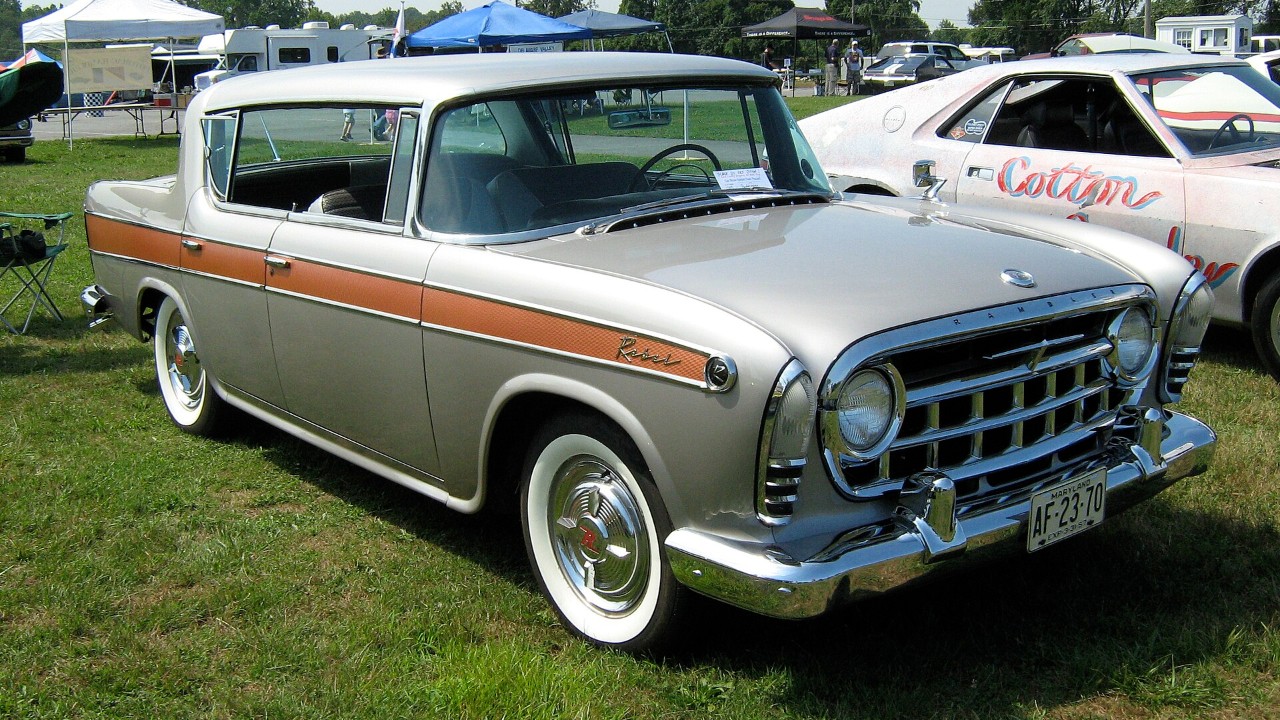
The 1957 Rebel looked like a sensible family car, and that was the joke. American Motors built it only as a four-door hardtop on a 108-inch wheelbase. Then it dropped in a 327-cubic-inch V8 rated at 255 horsepower.
The result could run from 0 to 60 mph in 7.5 seconds, a strong number for a 1957 sedan. The fuel-injected version carried a 288-horsepower rating, and the 255 figure for the carbureted car may well have been conservative. Every Rebel wore silver metallic paint with gold anodized aluminum side inserts. AMC also planned Bendix electronic fuel injection as a $395 option. However, supplier problems got in the way, so only pre-production cars had it and none reached the public. In the end, about 1,500 Rebels left the factory, each with a four-barrel carburetor and a $2,786 base price.
Our take: few cars hide speed better than a silver four-door Rambler. With roughly 1,500 built, you will rarely see one. We would pay extra for a car with its original gold trim intact.
8. 1957 Mercury Turnpike Cruiser hardtop
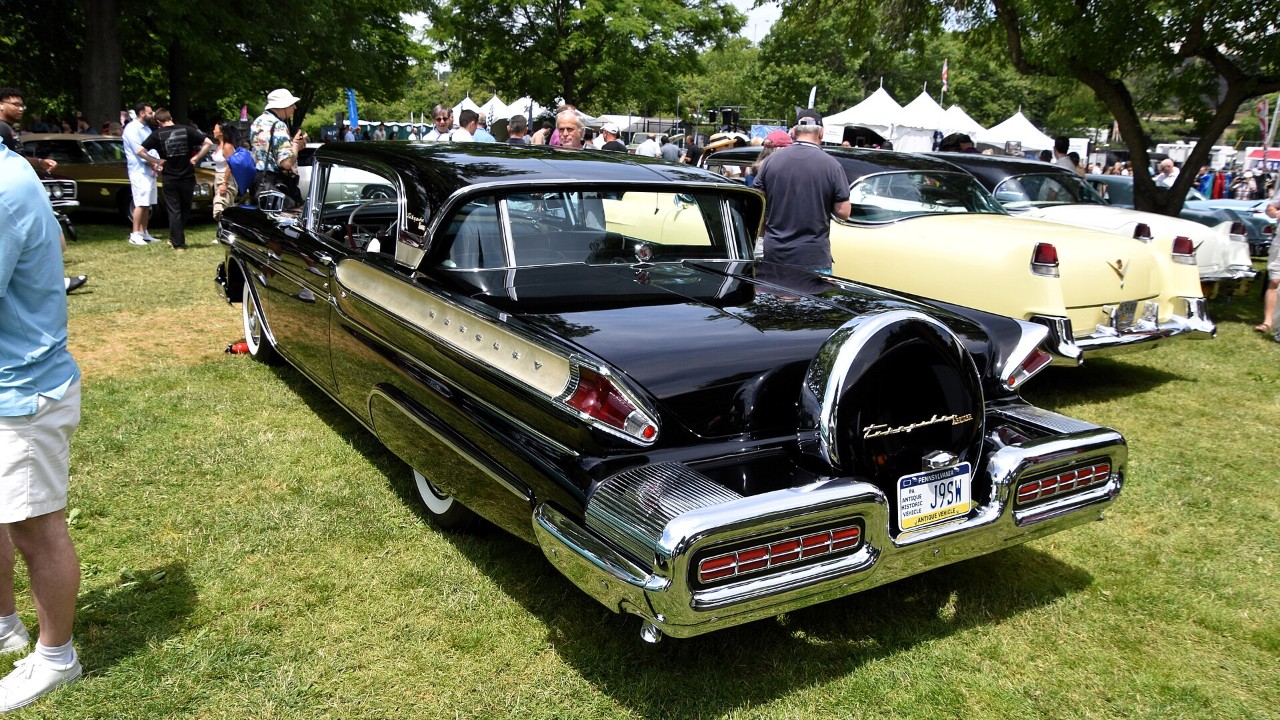
Mercury packed the Turnpike Cruiser with gadgets. It had push-button “Keyboard Control” for the automatic, a compound-curve windshield and a clock that doubled as a simple trip computer. Above all, it had the “Breezeway” rear window, which dropped down to let air through the cabin. Power brakes, steering, seat and windows were all standard, along with Quadri-Beam dual headlamps and a memory seat.
For 1957 only, the car also used a 368-cubic-inch V8 rated at 290 horsepower, the same engine Lincoln used. According to the Over-Drive 1957 Mercury fact sheet, Mercury built 7,291 two-door hardtops and 8,305 four-door hardtops. It also delivered 1,265 convertibles, and one paced the Indianapolis 500. You can read more about the gadget list in our feature on the 1957 Turnpike Cruiser.
Our take: the car proved a slow seller, and Mercury dropped it soon after. Today, the drop-down rear glass is the party trick that draws a crowd. If you find one, make sure the Breezeway window works before you buy.
9. 1957 Dodge Custom Royal Lancer D-500

Dodge’s Custom Royal Lancer was the brand’s dressiest hardtop for 1957, and the D-500 package turned it into a muscle car before the term existed. The package centered on a 325-cubic-inch V8. In its hottest Super D-500 form, it carried two four-barrel carburetors.
An RM Sotheby’s catalog for a Super D-500 coupe puts that engine at some 310 horsepower. The same car rode on torsion bar front suspension, with leaf springs out back. In other words, this was a big finned hardtop that could also handle a corner. By 1956, every Chrysler brand sold two- and four-door hardtops, so Dodge needed a way to stand out. The D-500 did it with engine, not chrome.
Our take: most people know the 1957 Chrysler 300C. Far fewer know that Dodge sold its own fast hardtop for less money. We think a real D-500 car deserves more attention than it gets. Ask for documentation, because the badges are easy to add.
10. 1958 Edsel Citation hardtop
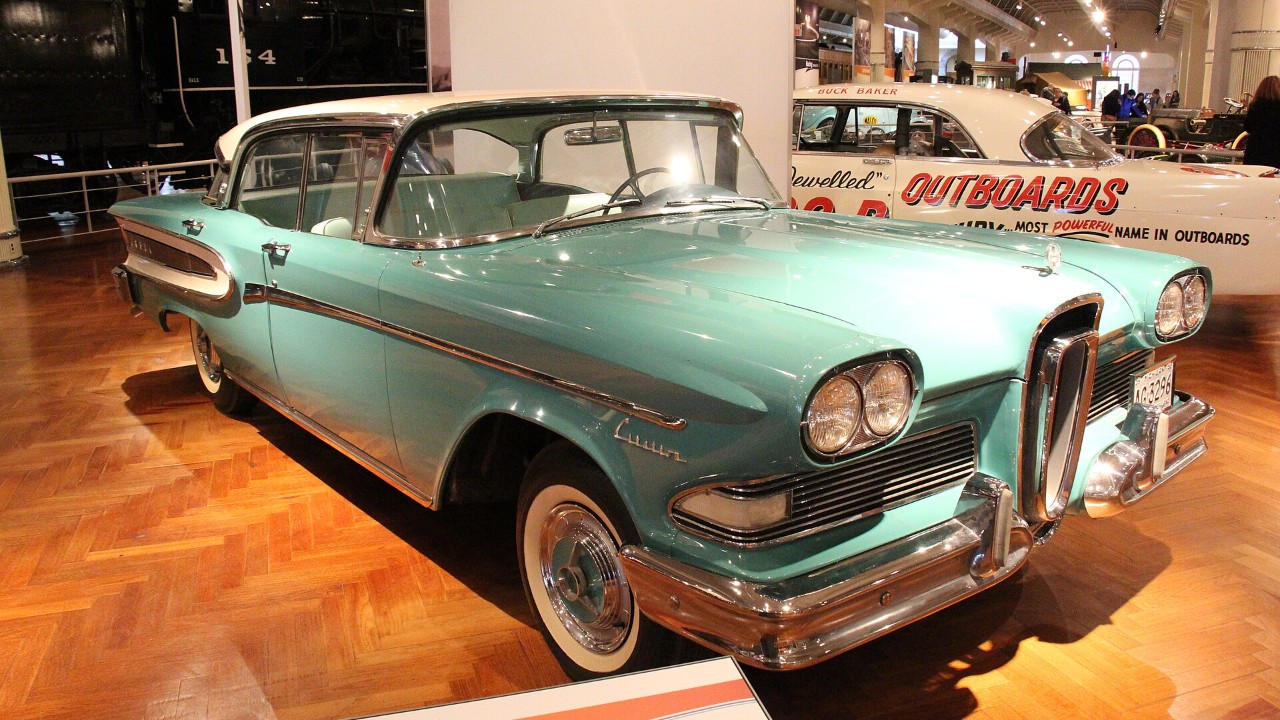
The Citation sat at the very top of the Edsel range. Ford offered it only as a two-door hardtop, a four-door hardtop or a convertible, with no pillared sedan at all. That makes it a hardtop car almost by definition.
Power came from the E-475, a 410-cubic-inch V8. It made 345 horsepower and 475 lb-ft, which explains the name. The Teletouch automatic was standard, with its shift buttons in the steering wheel hub. According to Mac’s Motor City Garage, only 9,299 Edsels that year were Citations. Prices ran from $3,600 to $3,766, close to a Mercury Montclair. Because the 410 was the largest Edsel V8 in the catalog, a Citation is the quickest way to arrive in an Edsel.
Our take: the Edsel story usually ends with a punch line. Nevertheless, a Citation hardtop is a well-built, powerful car with a horse-collar grille that people remember. We would choose the two-door for its cleaner roofline. Also, check the Teletouch buttons, since the system is complex to repair.
11. 1959 DeSoto Adventurer hardtop

DeSoto called its two-door Adventurer hardtop the Sportsman, and the 1959 version is a true rarity. The brand built 590 of them, along with 97 convertibles, for 687 Adventurers in all. DeSoto had only a short time left, and buyers had drifted away.
The car itself was anything but weak. According to the Conceptcarz model file, the 1959 Adventurer used a 383-cubic-inch V8 with two Carter AFB four-barrel carburetors. It made 350 horsepower at 5,000 rpm. Prices ran from $4,425 to $4,747, with the convertible at the top.
Our take: those 590 hardtops are fewer than most limited editions sold today. Because DeSoto disappeared soon after, many people have never heard of the Adventurer at all. We think a Sportsman is among the best-kept secrets of the fin era. For perspective, Cadillac built 975 Eldorado Sevilles that same year. That makes this DeSoto hardtop rarer than one of the most exclusive Cadillacs of its day.
12. 1959 Cadillac Eldorado Seville
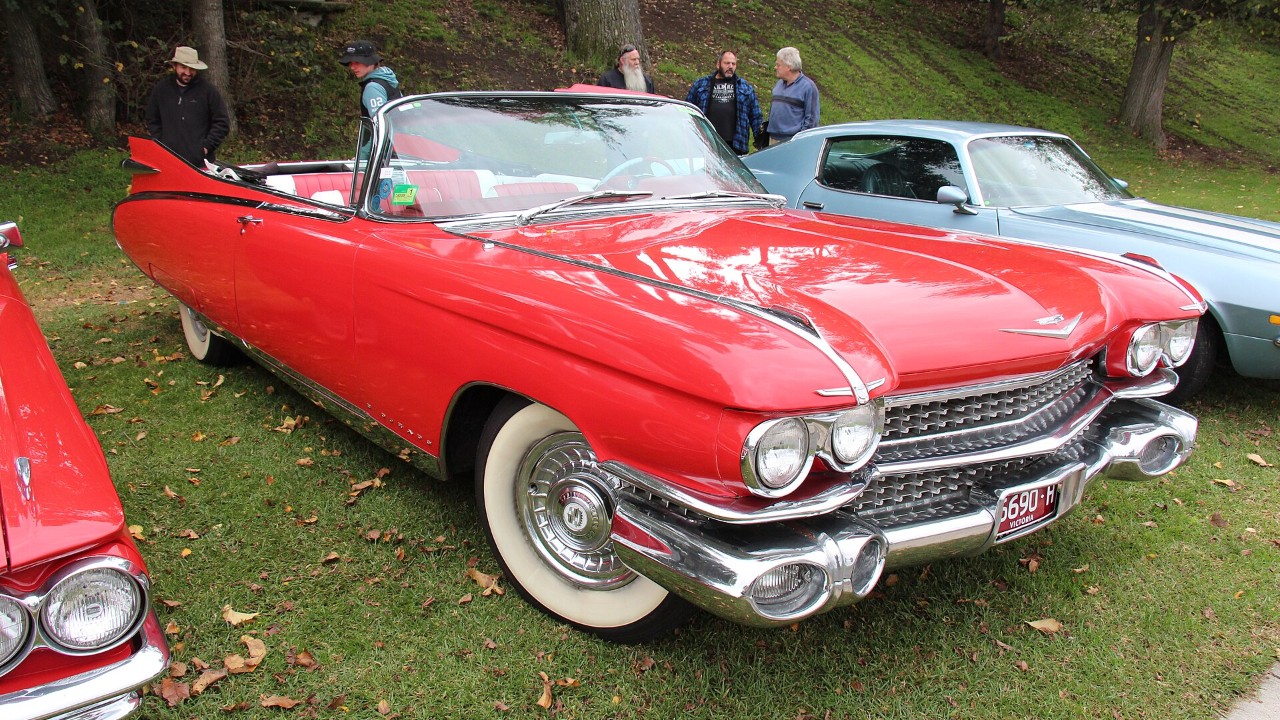
The 1959 Cadillac wore the tallest fins of the decade, and the Eldorado Seville was the hardtop version of the top Eldorado. Cadillac built only 975 of them. By comparison, the Biarritz convertible found 1,320 buyers.
The engine was a 390-cubic-inch V8 with three Rochester two-barrel carburetors, rated at 345 horsepower. The Seville weighed 4,855 pounds and came with fog lamps, a six-way power seat, power vent windows and power door locks. Many wore a vinyl roof covering, as Hagerty’s look at the car points out. Cadillac listed the car as model 59-64, body style 6437H, a code worth checking on any car sold as a Seville.
Our take: everybody knows the 1959 Cadillac, yet hardly anyone has seen this hardtop. We would take the Seville over the convertible for its crisp roof alone. When new, Cadillac priced it at $7,401, exactly the same as the Biarritz convertible.
More from Fast Lane Only