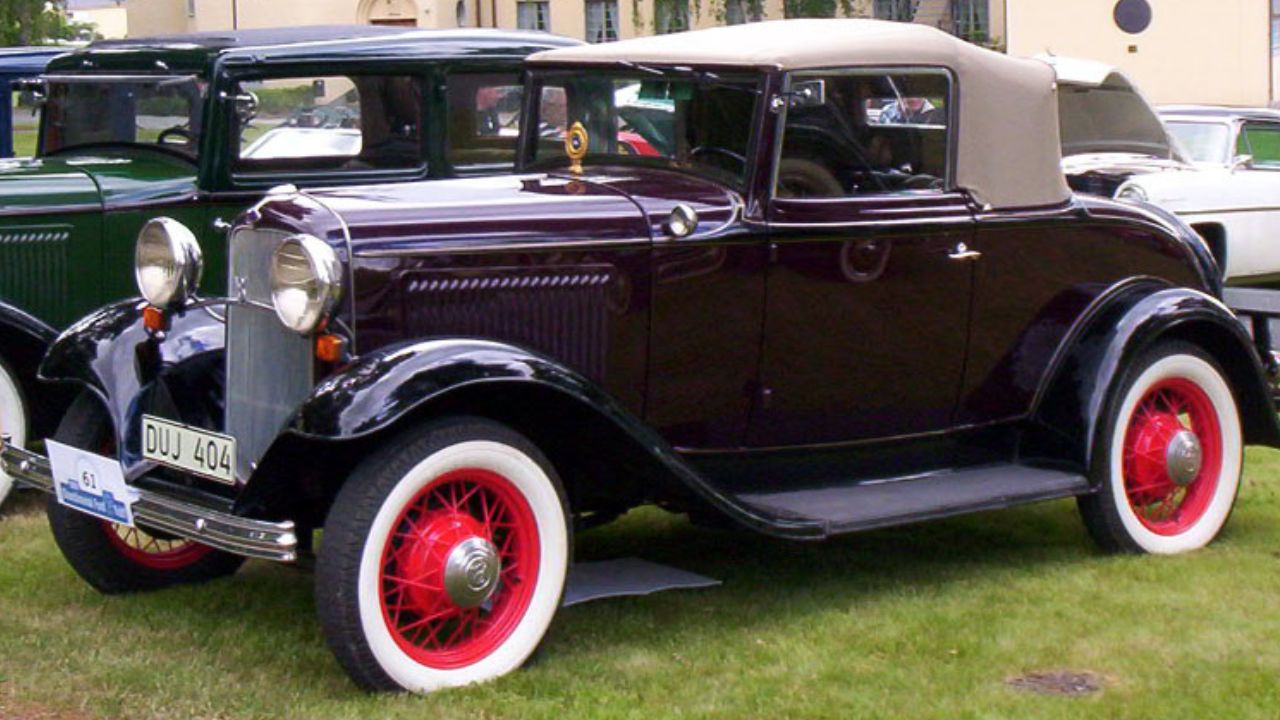
In 1932, a low-priced Ford came with a V8, and by 1937 a Cord 812 hid its headlights and drove its front wheels. That is how fast the American car changed during the 1930s. The Depression squeezed buyers hard, yet engineers kept adding speed, comfort and style.
The roads changed too, and the cars had to keep up with longer trips at higher speeds. Some makers answered with cheap eight-cylinder engines. Others bet on new suspension, new bodies or bold styling, and not every bet paid off.
These ten are our picks, the American cars we think best defined that shifting decade, from the humble Ford V-8 to the Cord 812. The choices and verdicts are our opinion. The engines, years and figures are facts, and we read them in the sources linked below.
1. 1932 Ford V-8 Model 18
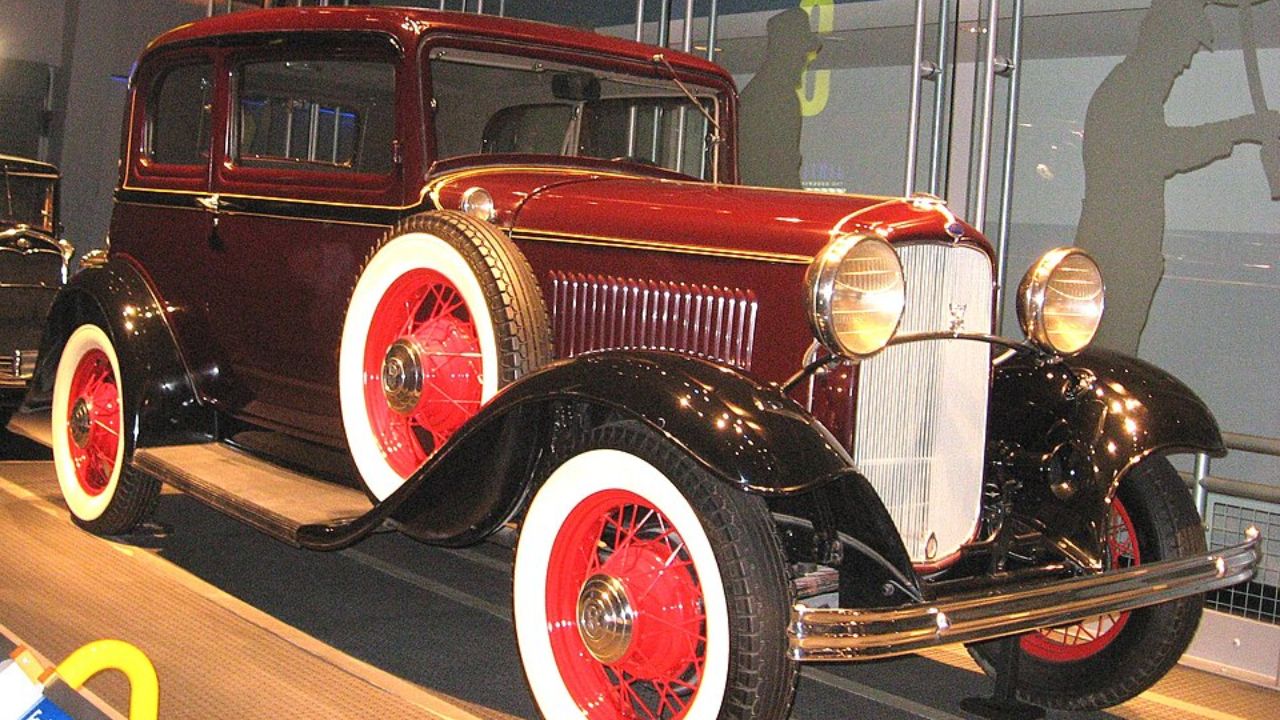
Ford’s 1932 Model 18 put a V8 within reach of ordinary buyers. Its 221-cubic-inch flathead made 65 horsepower at launch. Better still, the V8 cost only $10 more than the four-cylinder Model B, and a roadster listed at $495. Buyers did the math. Ford sold 298,647 V8 cars in 1932, against 133,539 four-cylinder Model Bs.
The engineering mattered as much as the price. Ford insisted on a one-piece block with integral cylinders, while most V8s of the day bolted separate banks to a crankcase. The Henry Ford museum calls it the first V8 light and cheap enough for a mass-produced car. Eventually, more than 25 million Ford cars and trucks carried that V8, the museum adds. We covered that engine’s story in our piece on the 1932 flathead.
In our view, no single car did more to reshape the decade. A V8 became something a farmer or a clerk could own. Later, young drivers turned cheap used Model 18 coupes into hot rods, and the “Deuce” name stuck for good. The Beach Boys even sang about one in 1963’s “Little Deuce Coupe.”
2. 1935 Pontiac Silver Streak Eight
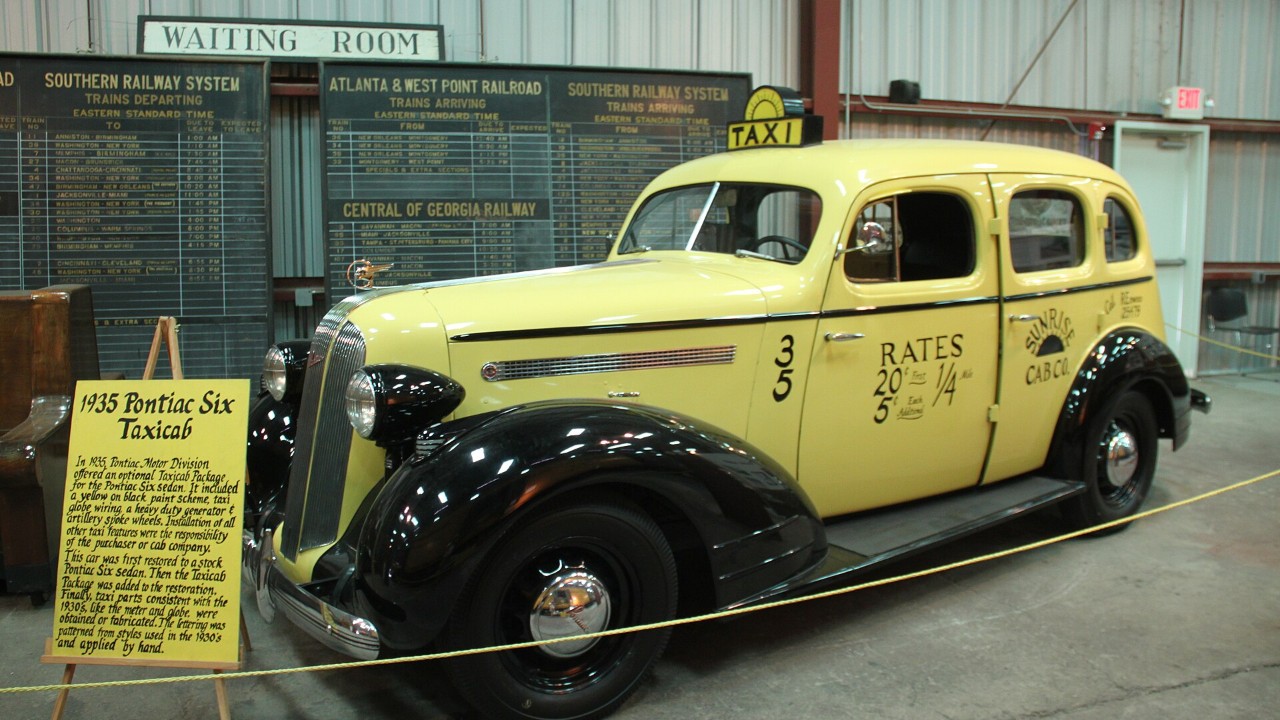
Pontiac answered Ford with a different idea. For 1933, it launched a flathead straight-eight that became the least expensive eight-cylinder engine from any American maker. That first version displaced 223.4 cubic inches and made 77 horsepower. By 1935, output had climbed to 84 horsepower. Later, Pontiac enlarged the engine to 232.3 cubic inches for 1936.
The year 1935 also brought the look that defined the brand. Pontiac ran a five-banded chrome strip down the middle of the hood and trunk, and called it the Silver Streak. The trim stayed on Pontiacs through 1956. Meanwhile, the side-valve eight with its chain-driven camshaft stayed in production from 1933 to 1954.
We think the Silver Streak Eight deserves more credit than it gets. It turned a smooth eight into a middle-class purchase, so the long highway trip suddenly felt less like work. The chrome streak also proves that a single styling idea can carry a brand for two decades. As a result, the car feels like a bridge between Depression thrift and postwar flash. If you shop for one, check the hood and trunk chrome first, because those bands are the car’s identity.
3. 1934 LaSalle 350
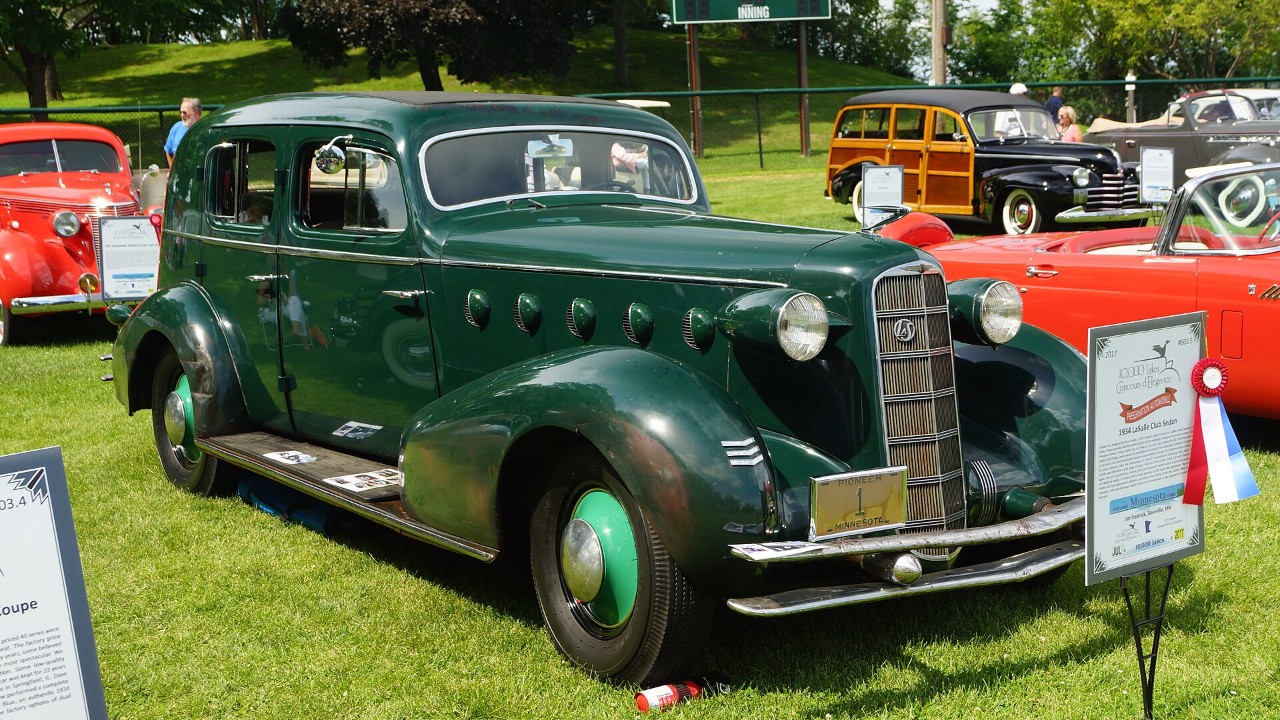
LaSalle was Cadillac’s junior brand, built from 1927 to 1940, and 1934 brought a fresh start. Harley Earl gave the Series 50 Model 350 a thin grille and portholes along the hood. Underneath sat an Oldsmobile-sourced flathead straight-eight in place of the old V8. Cadillac-trained teams assembled it at the LaSalle plant.
The chassis moved forward too. The LaSalle had independent front suspension and hydraulic brakes from Bendix, the first Cadillac product to use them. At $1,550, it also cost $1,000 less than the cheapest Cadillac. That price kept GM’s luxury feel within reach, so the formula made sense in a lean year. A 1934 LaSalle convertible coupe paced that year’s Indianapolis 500, according to RM Sotheby’s lot notes.
LaSalle sold 7,195 cars in 1934, which was modest even then. Even so, we see this car as a turning point. It showed that streamlined styling and modern brakes could sell a luxury name in hard times. RM Sotheby’s notes that LaSalle built only about 650 convertible coupes, and roughly 50 survive. That scarcity makes every one at a show worth a long look.
4. 1935 Chevrolet Master Deluxe
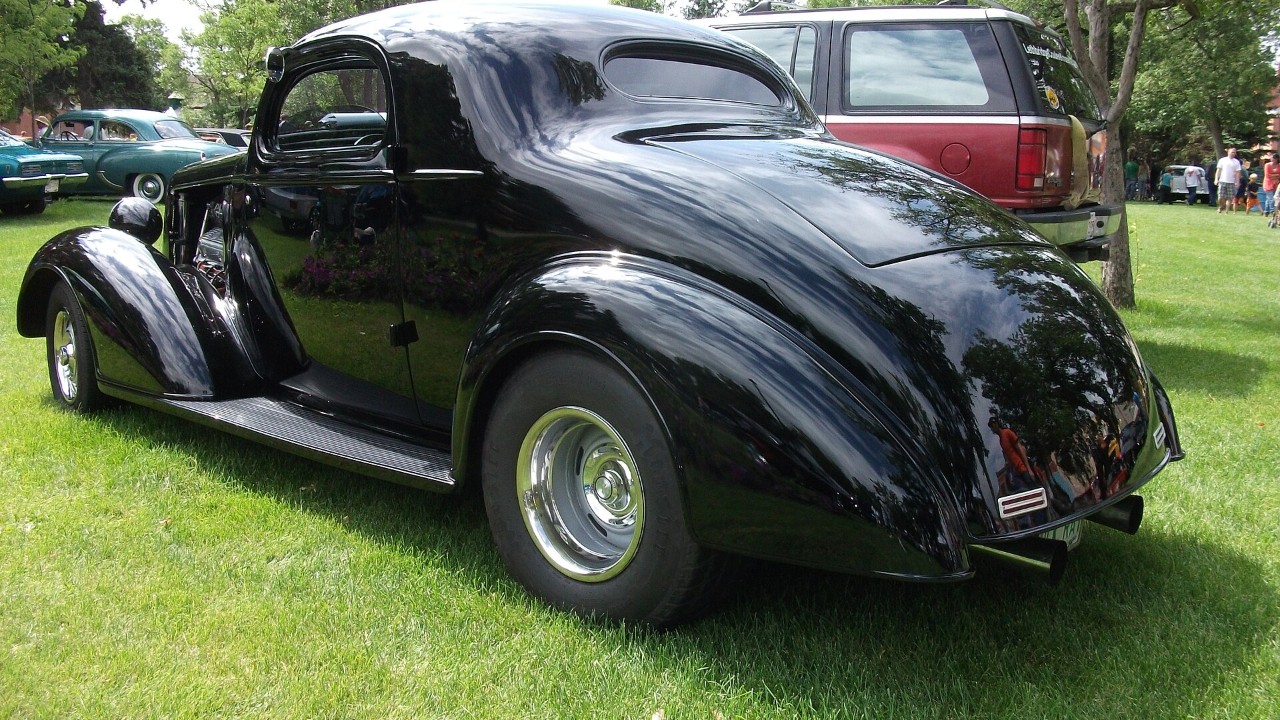
Chevrolet sold cars by the hundreds of thousands, so its choices shaped what most families drove. The Master Deluxe brought GM’s “Knee-Action” independent front suspension to that mass market. The system used trailing arms and coil springs instead of a solid front axle. On rough rural roads, that was a genuine comfort upgrade.
Body construction changed as well. GM’s “Turret Top” used steel throughout the body, including the roof. In 1935, the valve-in-head six made 79 horsepower, breathing through a single Carter downdraft carburetor. That overhead-valve layout set Chevy apart from the flathead engines on this list. By 1937, the Master Deluxe outsold the plain Master by 302,728 cars to 162,430. In other words, buyers clearly preferred the better-equipped car.
Our take is that the Master Deluxe made modern ride quality normal. Before it, a smooth front end belonged to expensive cars. Afterward, a buyer could get one at the Chevy dealer down the street. That shift explains why we rank it here over flashier machines. In our view, ordinary drivers felt this change more than any styling trend of the decade.
5. 1932 Essex-Terraplane

Hudson launched the Essex-Terraplane on July 21, 1932, with a big push from aviator Amelia Earhart. We told that launch story in our piece on Earhart and the Terraplane. The car rode a 106-inch wheelbase and used a 193-cubic-inch six.
It was small, light and quick for its price. Period road tests recorded 0 to 60 mph in 14.4 seconds. In top gear, it went from 10 to 60 mph in 18 seconds. Hill climbs became its specialty. Meanwhile, the 1933 Essex-Terraplane Eight added a 244-cubic-inch straight-eight for buyers who wanted more. In fact, a 1933 Terraplane 8 convertible coupe set a Mount Washington record that stood for more than twenty years.
We love the Terraplane because it sold performance to people who could not afford a big car. Hudson dropped the Essex name in 1934, and the car became simply the Terraplane until 1938. The name even entered American music when Robert Johnson recorded “Terraplane Blues” in 1936. Few budget cars of the decade earned that kind of cultural mark, and that is why it earns a place on this list.
6. 1937 Cord 812 Supercharged
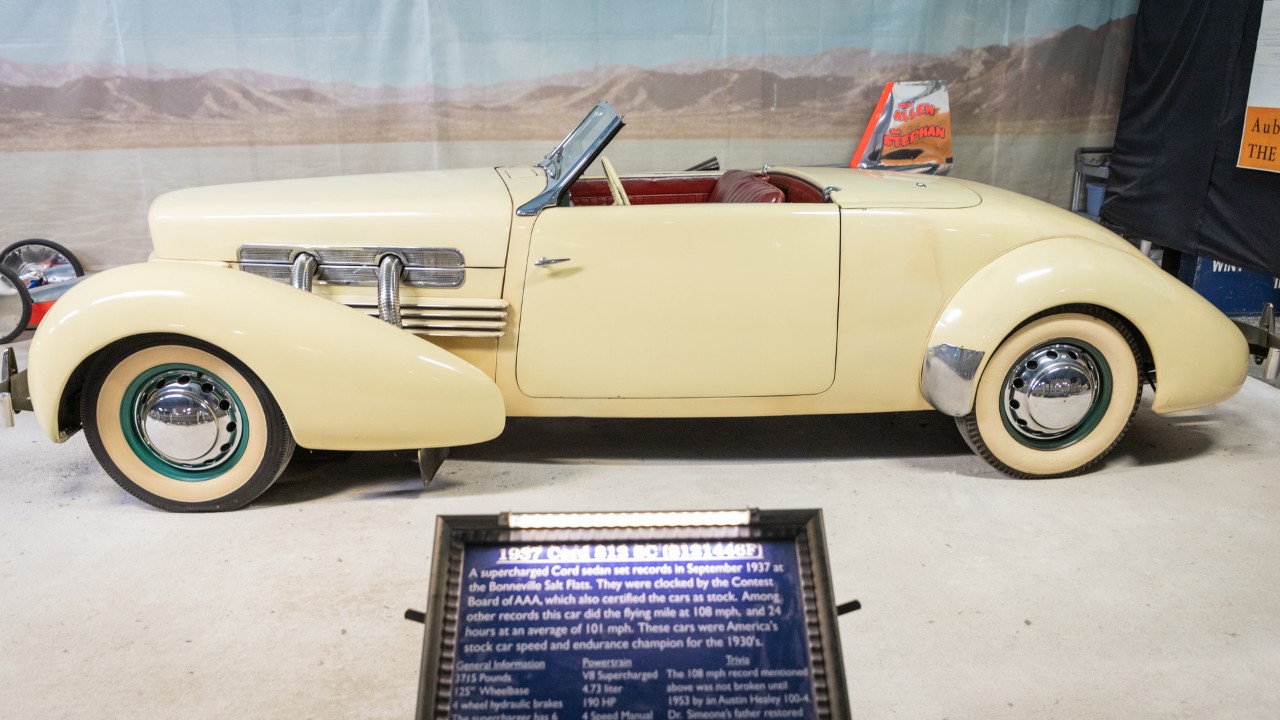
The Cord 812 looked like nothing else on the road. Gordon Buehrig led the design with help from Vince Gardner and Alex Tremulis, and the car debuted as the 810 at the New York Auto Show in November 1935. It combined front-wheel drive with independent front suspension. Its 289-cubic-inch Lycoming V8 made 125 horsepower, or 170 with the supercharger.
Then there were the headlights. According to Mac’s Motor City Garage, the Cord 810 had the first hidden headlamps on a volume-production car. Powered systems proved unreliable, so drivers turned two hand cranks on the dash to raise them. The 1937 Cord 812 kept the same setup.
Cord sold 1,174 of the 810 in its first model year. In all, it built just 2,972 cars across both years, including 205 convertibles. A 1937 base sedan cost $2,445, a large sum in the Depression. Production stopped that year. Even so, we think the Cord 812 predicted the next three decades of car design. Front drive, hidden lamps and a clean nose all became normal much later, which is why this car feels modern today.
7. 1937 Buick Special
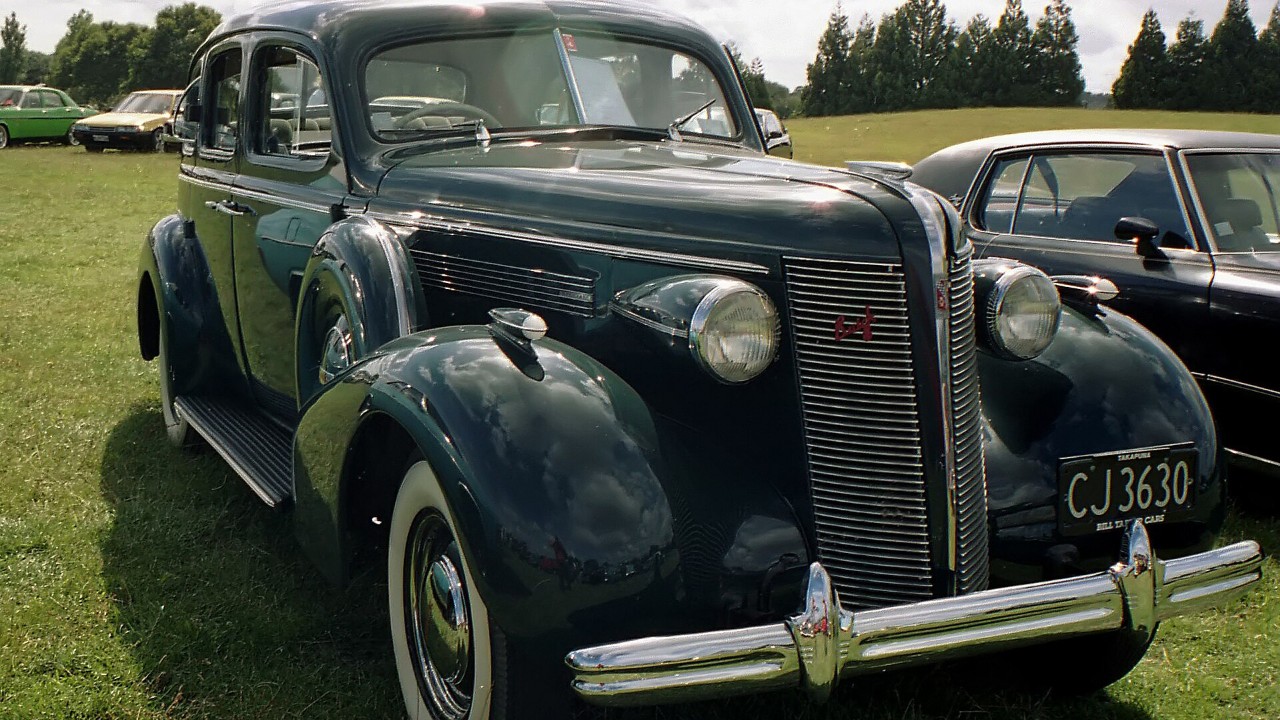
Buick’s entry-level car got its name in 1936, the first year the brand used names instead of series numbers. The Special replaced the old Series 40 label. Before the change, a 1935 Series 40 sedan had listed at $925. For 1937, it gained a bigger straight-eight that grew to 248 cubic inches from 233. Buick kept using that 248 in the years that followed.
The 233 it replaced had made 93 horsepower in 1935, so the new engine gave the junior Buick more pull. Because Buick put an eight even in its cheapest car, the Special felt upscale for the money. That mattered as roads got faster and families drove farther. In our view, a straight-eight’s smoothness also suited long highway days.
In our view, the 1937 Special shows how the decade shifted expectations. A buyer near the bottom of GM’s ladder now got eight cylinders, a real name and Buick’s solid feel. That formula kept the Special name alive well past the decade, and it explains why we include it. Unlike the exotic cars here, this one put the new standard of the 1930s in ordinary driveways.
8. 1939 Nash Ambassador Eight
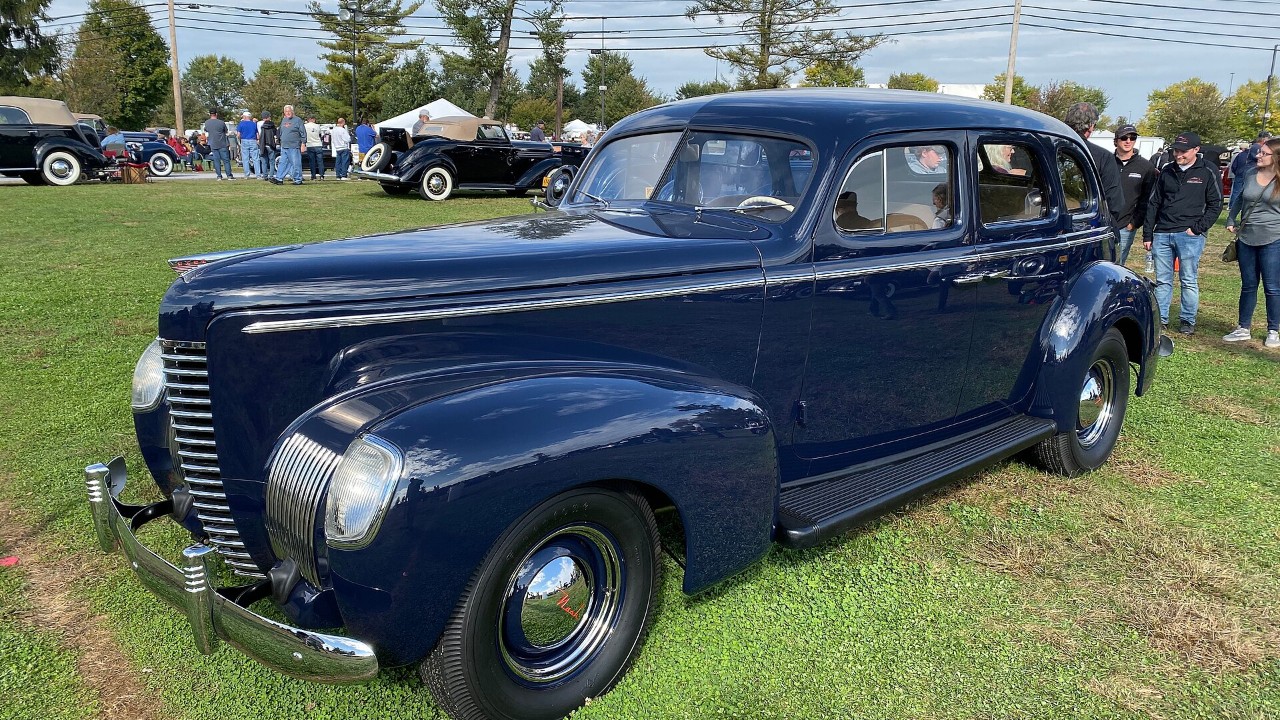
Nash made the Ambassador Eight its own model range in mid-1932, above the Advanced Six line. The 1932 car used a 322-cubic-inch straight-eight with overhead valves and twin ignition. It made 125 horsepower and rode on wheelbases of 133 or 142 inches. People called these cars the “Kenosha Duesenberg,” after their Wisconsin hometown. For 1937, coupes and convertibles also returned to the Ambassador lines.
By 1939, the Ambassador had a fresh new look, and Nash was advertising its Weather Eye. Automotive historian Kit Foster describes the system as thermostatically controlled, filtered heating and ventilation. It was not air conditioning, since it had no compressor. Even so, it gave drivers controlled heat and fresh air at a time when many cars offered little of either.
Our take: the 1939 Ambassador Eight shows where the decade was heading. Speed and size were no longer enough for buyers who drove all winter. They wanted a cabin that stayed comfortable in any weather. Nash saw that early, and in our view that makes the Ambassador one of the smartest cars of the late 1930s. That cabin focus became a Nash habit for years afterward.
9. 1937 Studebaker Dictator
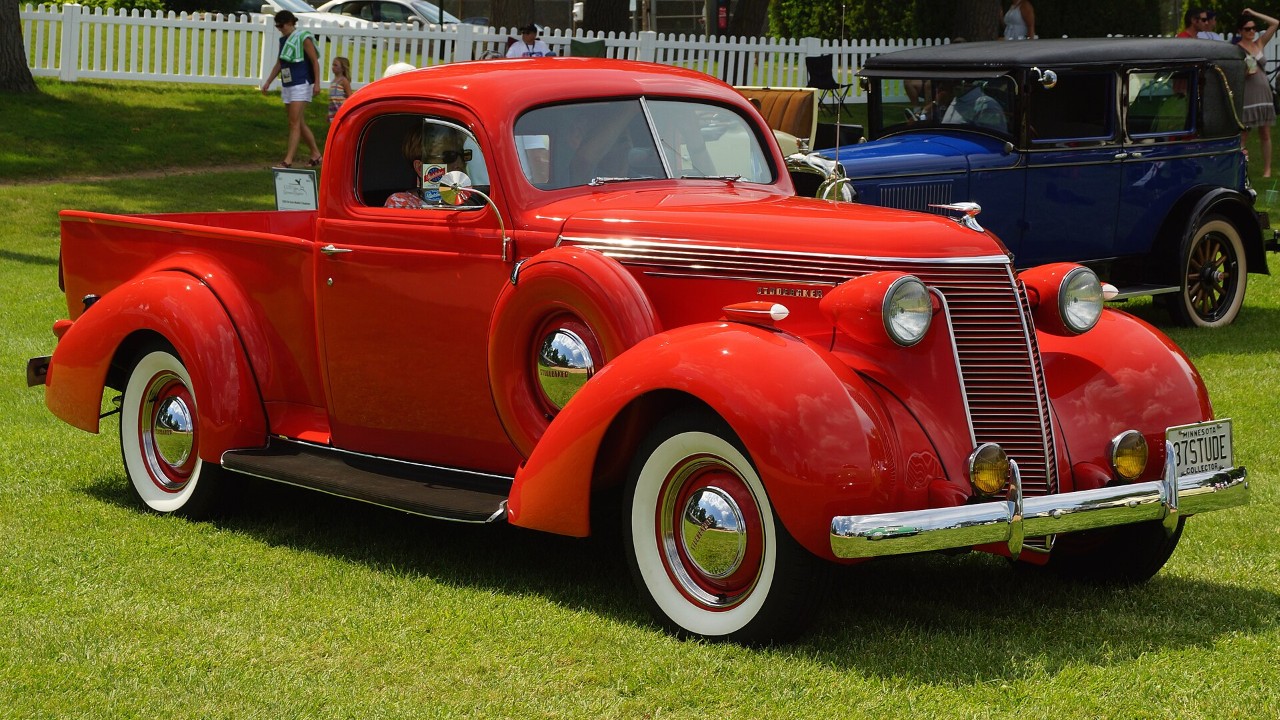
Studebaker sold the Dictator from 1927 through 1937 as its lowest-priced model, below the Commander and the President. In other words, it was the entry ticket to the brand, not its flagship. The name sounds jarring now, because by the late 1930s the word carried a darker meaning around the world.
Studebaker retired the Dictator name in 1937 and moved the car to the Commander badge it had last used in 1935. The company’s history does not pin the change on politics, though. Earlier, the line had offered an eight from June 1929, with 221 cubic inches and 70 horsepower. Meanwhile, Raymond Loewy and Helen Dryden were working on new body concepts for the brand at the time.
We include the 1937 Dictator because it marks the end of an era in a single word. The car itself was honest, mid-size transportation with front engine and rear drive. However, the name shows how quickly the world around the American road had changed. To us, a surviving 1937 Dictator is a rolling piece of that history, and it is worth seeing for that reason alone.
10. 1938 Graham Spirit of Motion

Graham’s 1938 design looked like it was leaning into the wind. Amos Northup of Murray Body drew the first shape but died before he could finish it, so Graham’s engineers likely completed it. Its cut-back grille later earned the “Sharknose” nickname, a label that appears to date from the 1950s.
The company had performance credentials, too. Graham introduced a crankshaft-driven supercharger for 1934, designed in-house by Floyd F. Kishline. Later, it moved the supercharger to the six when the eights went away. In fact, Graham built more supercharged cars than any other maker until Buick passed it in the 1990s. The 1938 cars used a 217-cubic-inch Graham-Paige six. The styling won the Concours d’Elegance in Paris and several other French design awards.
Sadly, American buyers stayed away, and sales flopped. Estimates put production across 1938 to 1940 at only 6,000 to 13,000 cars. Our view is that the Sharknose was a design ahead of its market, and that makes it worth celebrating today. Graham suspended manufacturing in September 1940, and the 1940 Model 107 was the last sharknosed Graham.
More from Fast Lane Only