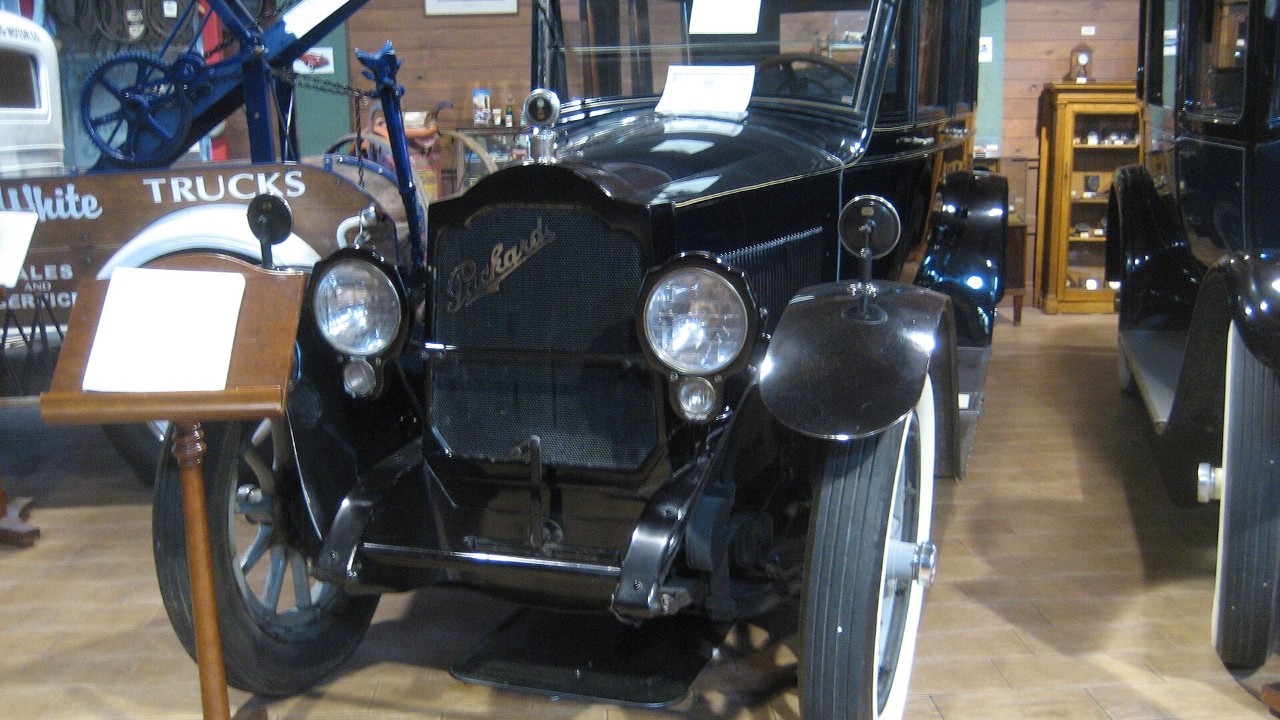
On March 4, 1921, Warren G. Harding rode to the Capitol in a Packard Twin Six, and the Harding inauguration car became a turning point. No president-elect before him had arrived at his swearing-in by automobile. Beside him sat the outgoing president, Woodrow Wilson.
That short ride broke with the horse-drawn carriage at the inaugural. Just eight years earlier, Wilson himself had gone to his first inauguration behind a team of horses.
Notably, the car came from the Republican National Committee, not from the White House garage. Its choice tells you how fast America had taken to the motor car by the early 1920s.
The Harding inauguration car and the end of the carriage
The Library of Congress put the record plainly in a 2014 post on presidential wheels: “that first President-elect to ride to his inauguration in an automobile was Warren G. Harding in 1921.” The same post says the Packard Twin Six that carried Harding and Wilson “was supplied by the Republican National Committee.”
By contrast, the 1913 ceremony looked very different. The Library of Congress notes that Taft and president-elect Wilson rode in an open barouche drawn by four horses. In other words, Wilson took office by carriage and left it by car.
Meanwhile, the Senate’s own inaugural chronology goes a step further. Its page on 1921 says Harding was the first president to ride both to and from his inauguration in an automobile.
In fact, some observers saw the change coming weeks ahead. The White House Historical Association quotes a Washington Post writer on January 1, 1921. “President-elect Harding’s action in choosing a more modern method of transportation probably sounds the death knell,” the writer predicted.
What the Packard Twin Six was
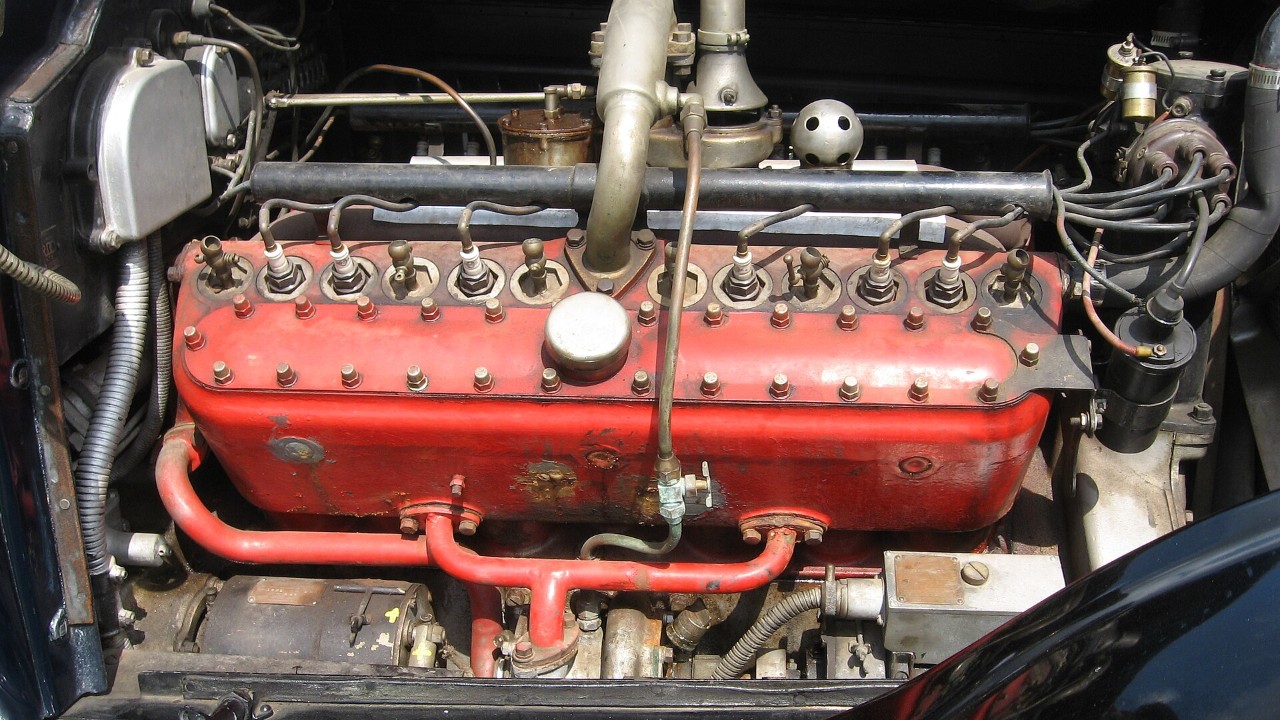
Packard built the Twin Six around a V12, which explains the name. According to Ate Up With Motor’s history of the model, Packard introduced it in May 1915 as a 1916 model. Chief engineer Jesse Vincent had pitched the V12 idea to the company’s board in early 1913.
The engine was big, too. It displaced 424 cubic inches, or 6,950 cc, the same history says. Initially, it made 85 horsepower at 3,000 rpm. Later, the Third Series of 1917 to 1923 carried a 90-horsepower rating.
It wasn’t cheap, either. List prices for the 1916 Twin Six ran from $2,750 to $4,800 with factory bodywork, according to Ate Up With Motor. Overall, Packard sold 35,102 of them, and production ran through June 1923.
So the RNC picked a big, smooth, expensive car for the day. That suited a ceremony meant to be watched from the curb.
Inside the ten-minute ride
A United Press dispatch from the day, now in UPI’s archive, describes the procession. First, Wilson and Harding rode in the lead automobile. Mrs. Wilson and Mrs. Harding followed in the second car. Then came Vice President Marshall and Calvin Coolidge in the third, with their wives in the fourth.
However, Wilson’s health shaped the scene. According to the dispatch, the departure paused while aides helped him into the car, and Secret Service agents lifted his feet onto its steps. During the 10-minute trip, he sat beside Harding with an unchanging expression.
At the Capitol, Wilson took a different entrance and an elevator to the president’s room. There he signed bills and finished his administration’s work, according to the same report. His doctors had advised him not to stay for the whole ceremony.
That day, the Senate chronology records a sunny day of about 38 degrees. Then Chief Justice Edward D. White gave the oath on the East Portico. Afterward, the Hardings rode back to the White House to take formal possession, the UPI dispatch says.
The White House Historical Association’s photo gallery shows the couple waving to crowds from the Packard that day. Once again, its caption credits the Republican National Committee for the car.
Harding’s own cars
Harding didn’t need convincing about automobiles. The White House Historical Association says he brought a 1921 Locomobile, which he had used as a senator, to the White House from Marion, Ohio.
He also went auto-camping. In 1921, he joined Henry Ford, Thomas Edison, Harvey Firestone and others on trips that used a 1921 Lincoln, according to the association’s gallery.
Later, in 1922, the White House added a Pierce-Arrow. The association says it wore the American Automobile Association emblem above the Presidential Coat of Arms. In addition, the number “100” was reserved for that car.
The Packard did its job in one morning, however. The Library of Congress record still names it as the car that carried the first president-elect to his inauguration, on March 4, 1921.
More from Fast Lane Only