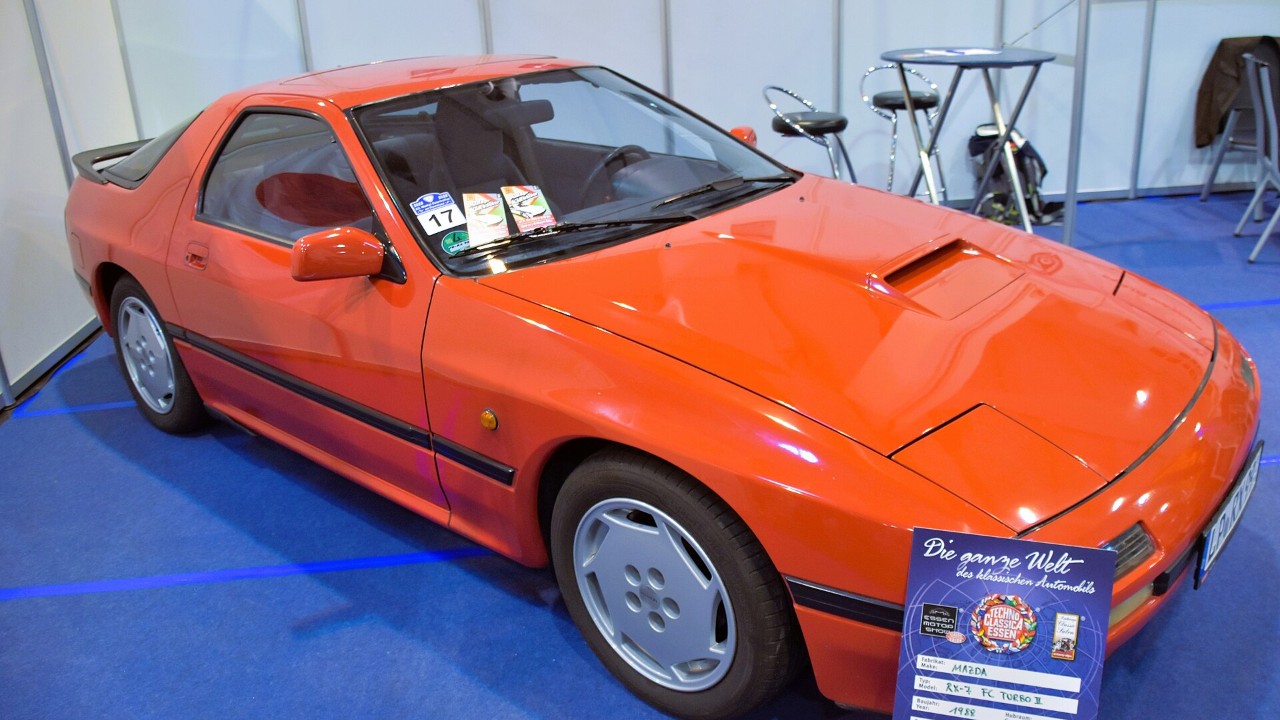
The Mazda RX-7 and its rivals gave regular buyers something that used to belong to the rich. Pop-up headlights, turbochargers and long, low hoods turned up in showrooms next to family sedans. Suddenly, a schoolteacher or an office worker could park a real sports car in the driveway.
However, these cars were not exotics. Most shared parts with ordinary sedans, and a few came from companies better known for economy cars. Still, each one made its owner feel as if they had arrived.
These are our picks: nine sports cars that, in our view, made ordinary people feel successful. Also, most of them come from the late 1970s and 1980s. Each item names the exact car in our photo, a few verified facts and our take on why it delivered that feeling.
1. 1987 Mazda RX-7 Turbo II
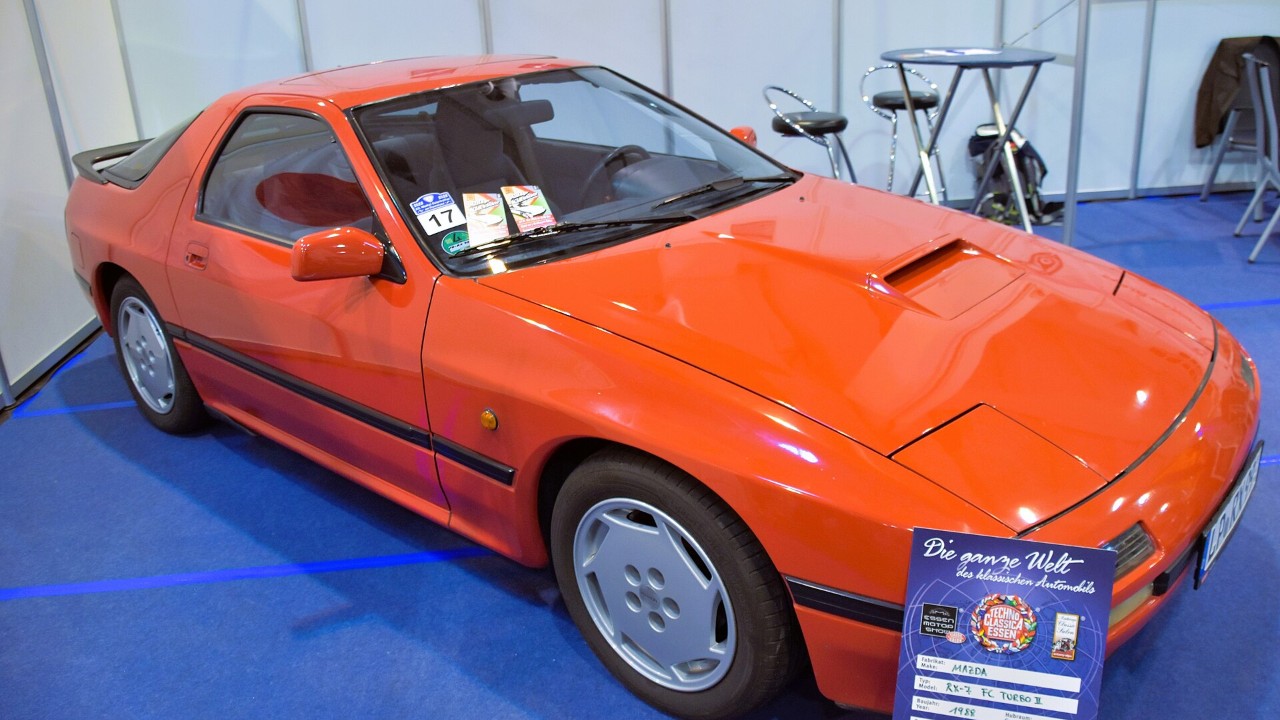
The second-generation Mazda RX-7 went into production in 1985, and Mazda added the Turbo II partway through 1986. According to Sports Car Market, it used a turbocharged 13B rotary with a twin-scroll turbo designed to cut lag. As a result, the engine made 182 hp and revved to a 7,000-rpm redline.
That rotary is the heart of the story. It is a small, smooth engine with no pistons going up and down, and it gave the RX-7 a sound and feel that set it apart. The magazine also adds that the Turbo II got a boost to 200 hp for the final two years, 1990 and 1991.
Our take: few cars made a young buyer feel more like a racing driver than a Mazda RX-7 Turbo II. After all, it looked like a much pricier car, and it rewarded a good driver on a back road. If you shop for one today, the magazine’s advice is sound. In short, turbo cars deserve extra scrutiny for abuse, and a pre-purchase inspection by a rotary specialist is a must. The 1987 car in our photo is an early Turbo II in clean condition.
2. 1978 Datsun 280Z Black Pearl Edition
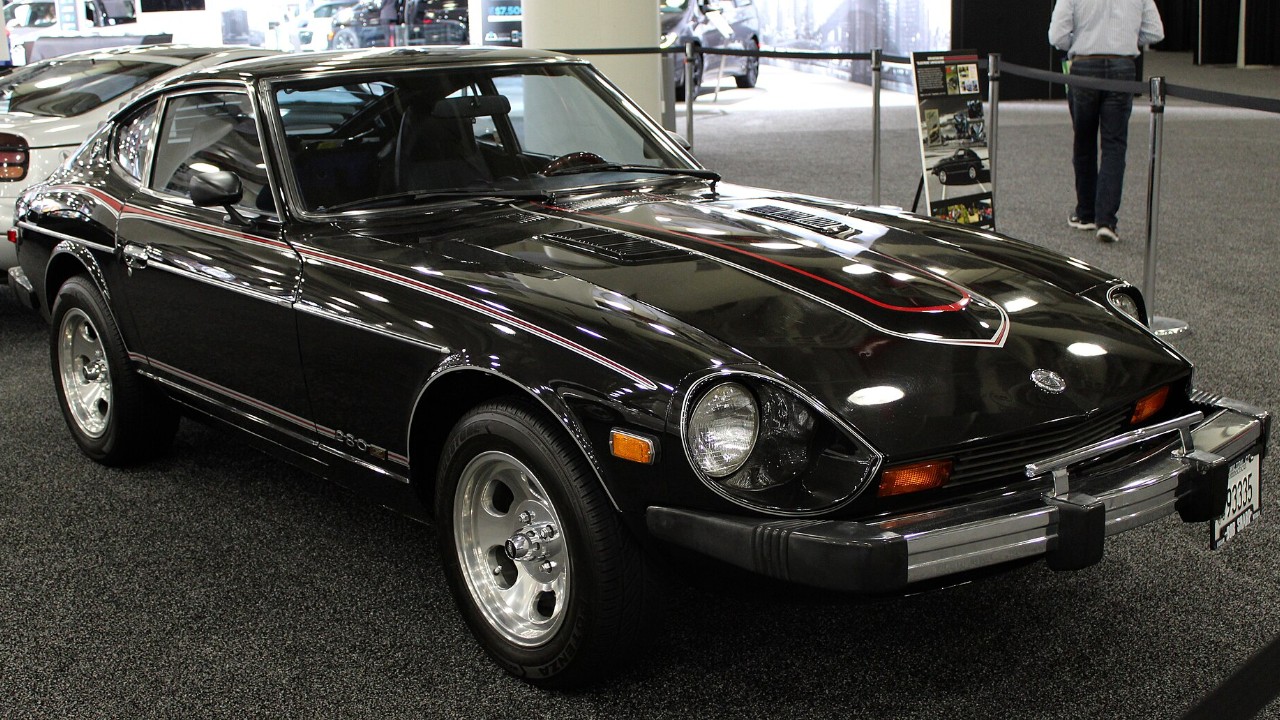
The Datsun Z was Nissan’s affordable sports car, a project championed by Yutaka Katayama. By 1978, however, the S30 Z was in its last year. So Datsun sent it off with a special edition called the Black Pearl.
According to Silodrome, the Black Pearl Metallic paint was the only factory black ever offered on a Z-series car of that era. In addition, the package added red and silver stripes, twin side mirrors and louvers over the rear glass. Under the hood sat a 2.8-liter straight-six with Bosch L-Jetronic fuel injection. Silodrome puts production at roughly 1,500, though it notes there are no hard figures.
The Z’s toughness is part of its legend, as we noted in our list of overbuilt Datsuns. Our take: a Black Pearl 280Z looked like a limited-edition exotic, yet it came from a Datsun dealer. That is why it made an ordinary buyer feel special. The 1978 car in our photo was on show at the 2019 New York auto show.
3. 1989 Nissan 240SX SE hatchback
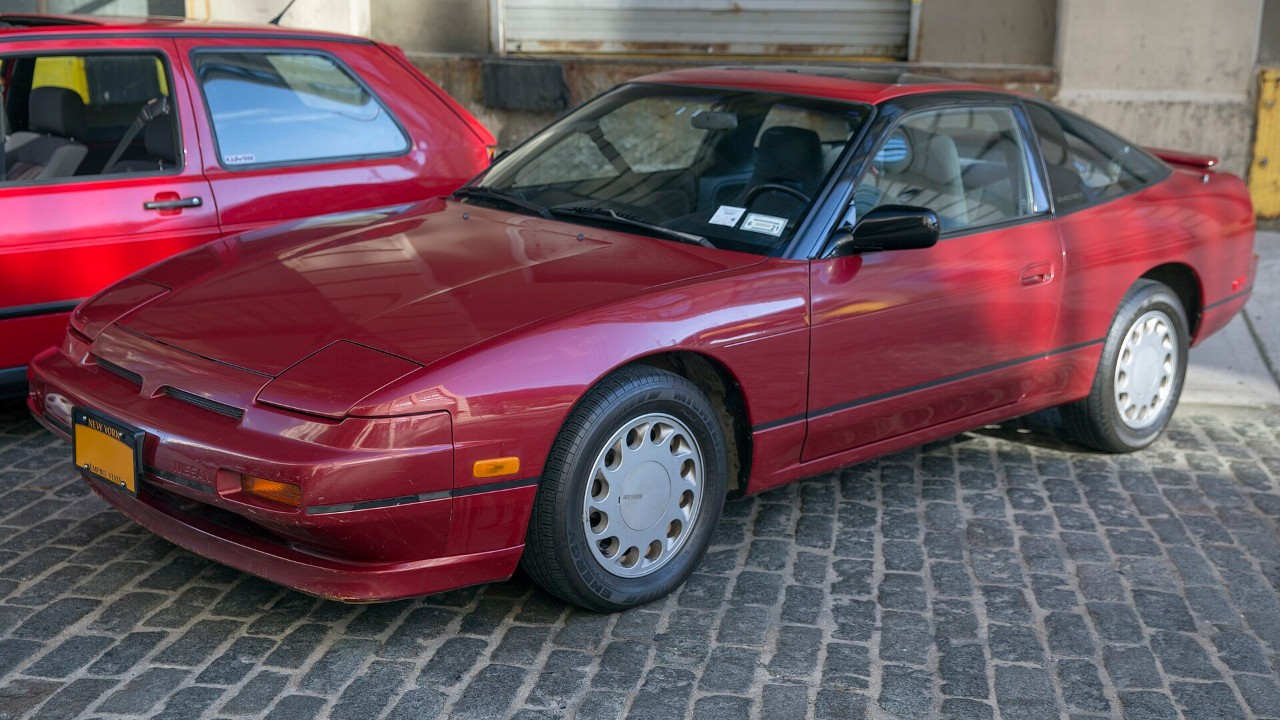
Nissan introduced the 240SX in North America in 1988 as a 1989 model. At the same time, it replaced the 200SX and brought a simple recipe: front engine, rear-wheel drive and a light body. The hatchback came in base, SE and LE trims, all with pop-up headlights.
Power came from a 2.4-liter SOHC four with three valves per cylinder. That engine made 140 hp in 1989 and 1990, so the car was lively rather than fast. In a Car and Driver test, the car reached 60 mph in 8.6 seconds. In addition, the SE added four-wheel disc brakes as standard, and anti-lock brakes were an option.
Later, the 240SX found a second life in drifting and tuner culture. By comparison with rivals like the Mazda RX-7, it was a conventional piston-engined car. Its Japanese cousins, the 180SX and Silvia, had a 55/45 weight balance that early drifters loved. As a result, demand has pushed prices up so much that enthusiasts call it the “drift tax.” Our take: in 1989, the 240SX gave young buyers a balanced rear-drive coupe at a sensible price. For that reason, it made them feel like real enthusiasts. The 1989 SE hatchback in our photo is a clean, stock example, which is getting hard to find.
4. 1989 Ford Probe GT Turbo
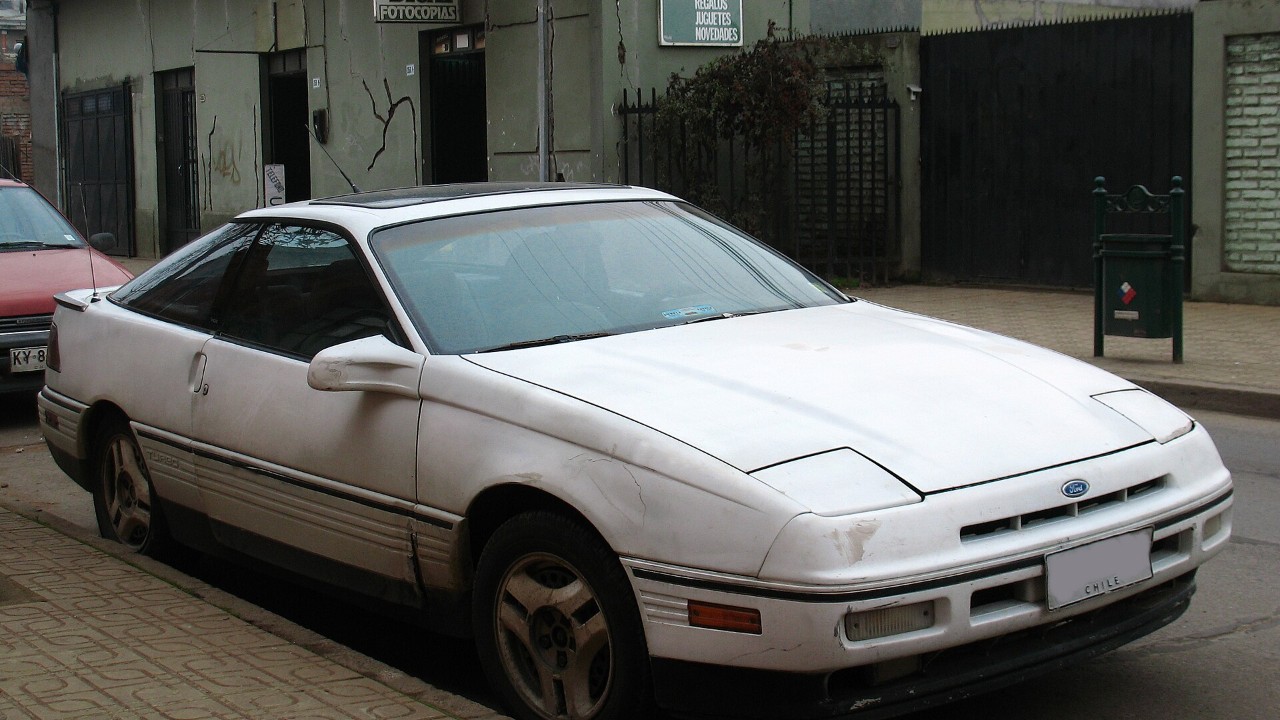
The Probe almost became the next Mustang. Hagerty explains that Ford nearly replaced the rear-drive Mustang with a front-drive car on a Mazda platform. Enthusiasts and Ford engineers pushed back, so Ford kept the Mustang. Instead, the front-drive project, codenamed SN-16, became the 1989 Probe.
Underneath, the Probe shared its platform and 2.2-liter four with the Mazda MX-6. Meanwhile, the turbocharged GT made 145 hp and 190 lb-ft of torque. With a five-speed manual, it ran from 0 to 62 mph in 7.6 seconds and covered the quarter mile in 15.3 seconds at 92 mph. The GT also offered “Ride Adjust” suspension with Soft, Normal and Sport modes.
Hagerty gives the Probe’s launch base price as $13,600, with fully loaded cars under $16,500. Our take: the Probe GT gave buyers pop-up headlights, a turbo and an adjustable chassis at a sensible price. In fact, it looked like the future in 1989, and it made its owner feel ahead of the crowd. The 1989 GT Turbo in our photo shows the sharp nose and flared mirrors that set it apart.
5. 1984 Toyota Celica Supra 2.8i
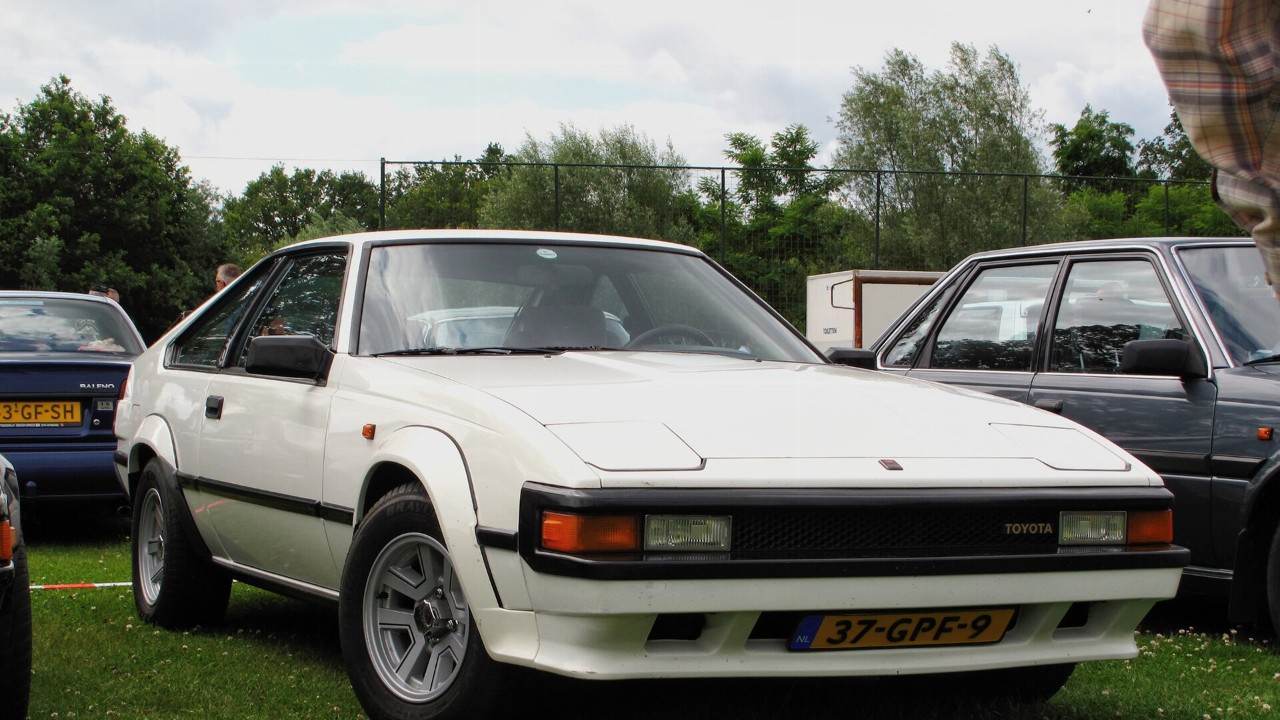
The second-generation Celica Supra took Toyota’s sporty coupe upmarket. It used a 2.8-liter DOHC inline-six, the 5M-GE, with 12 valves and electronic fuel injection. In North America, that six made 160 hp in 1984 with the five-speed manual.
Toyota also brought in outside help. Lotus tuned the four-wheel independent suspension, which gave the car a sharper feel than its luxury image suggested. As a result, the press loved it. Motor Trend named it Import Car of the Year, and Car and Driver put it on its Ten Best list for 1983 and 1984.
Meanwhile, in Europe, the car went by Celica Supra 2.8i. According to Zwischengas, Europeans first saw it at the Frankfurt show in September 1981, and it offered generous equipment at a low price for its class. Our take: the A60 Supra looked like a grand tourer and felt expensive inside. Yet it came from a Toyota dealer, which is exactly why it made ordinary owners feel successful. The 1984 2.8i in our photo wears the European badging.
6. 1984 Nissan 200SX Turbo (S12)
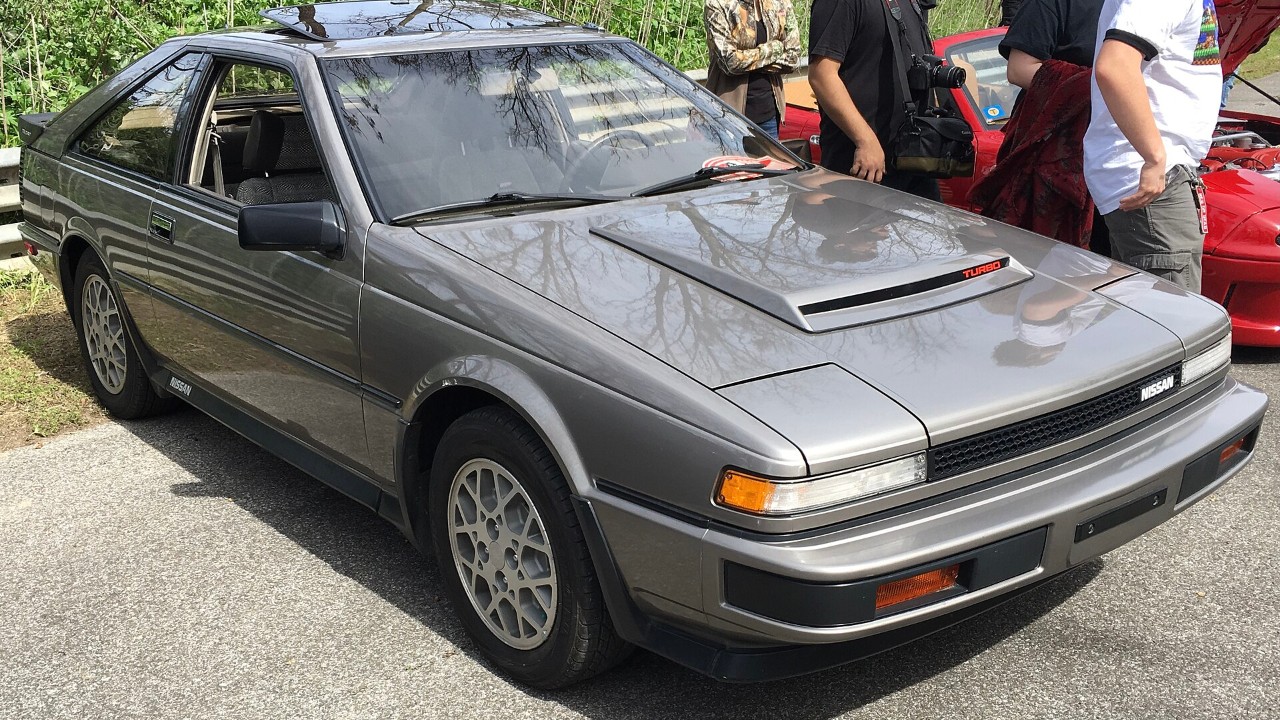
The S12 200SX reached North America in February 1984, a few months after the rest of Nissan’s 1984 range. It came as a notchback coupe or a three-door hatchback, and both used pop-up headlights. For us, though, the Turbo version was the one to have.
That car used a 1.8-liter turbo four rated at 120 hp. However, it had no intercooler, and Nissan offered it only on the hatchback. Meanwhile, the Turbo announced itself with a “TURBO” script on its hood bulge. Some 1984 and 1985 cars also wore a foam rubber deck spoiler, a very 1980s touch.
Later, for 1987, Nissan dropped the turbo and replaced it with the 160-hp SE V6. However, the early Turbo has its own appeal. Our take: the 200SX Turbo was a budget sports car with all the right badges. It gave buyers a turbocharged, rear-drive hatchback for everyday money. As a result, that combination made a commute feel like an event. The 1984 car in our photo shows the clean early styling and pop-up lights.
7. 1984 Volkswagen Scirocco GTX
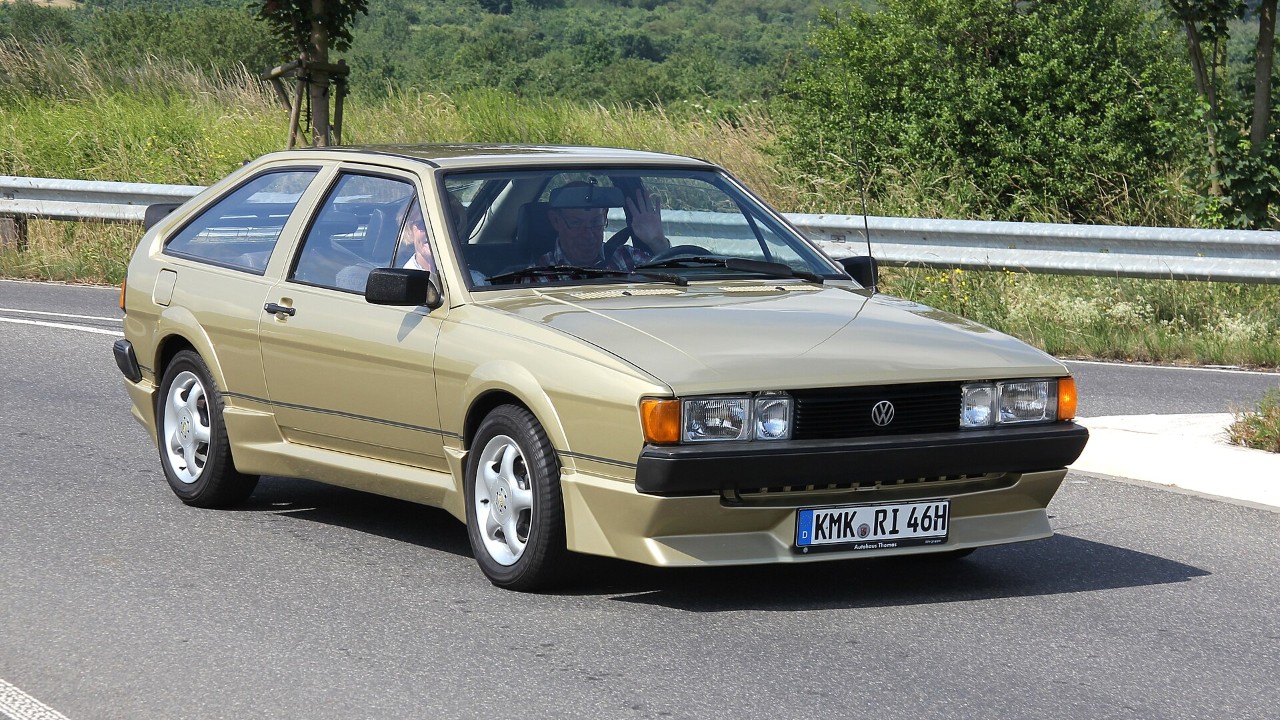
The second-generation Scirocco debuted at the March 1981 Geneva show. As before, Karmann built it in Osnabrück, the same factory as the first generation. Unlike the original, which Giorgetto Giugiaro styled, Volkswagen’s own designers drew the new car.
The GTX was the sporty version in Germany. According to the ADAC’s catalog data, the 1.8 GTX had a 1,781cc engine rated at 112 PS (82 kW). The ADAC also lists a top speed of 191 km/h (119 mph) and 0 to 100 km/h in 9.1 seconds. Curb weight was a light 920 kg, about 2,028 lb.
In total, Volkswagen built 291,497 second-generation Sciroccos. Our take: the Scirocco GTX turned an affordable Volkswagen coupe into something that felt far more exclusive. It was quick, light and handsome, and it parked next to a family hatchback without looking like one. Above all, that is a perfect recipe for an ordinary buyer who wanted to stand out. The 1984 GTX in our photo shows the mid-hatch rear spoiler that marks the second generation.
8. 1982 Porsche 924 Turbo
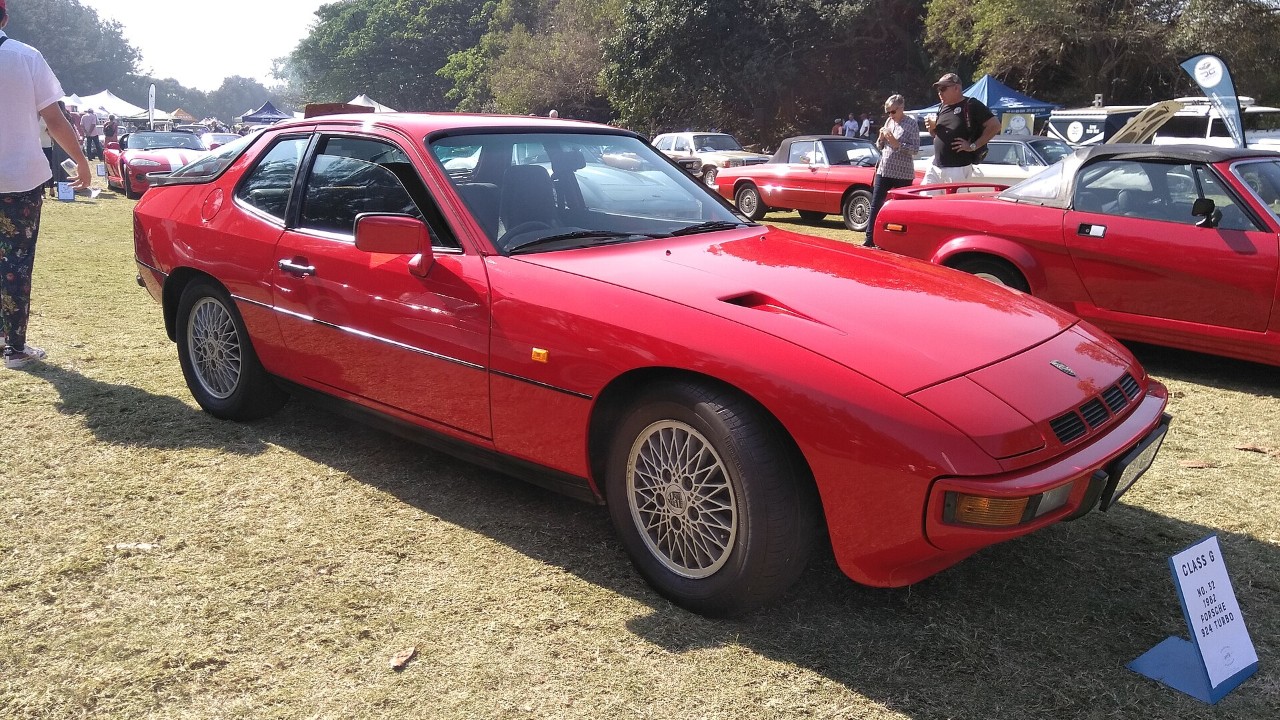
The Porsche 924 opened the brand to new buyers. Built from 1976 to 1988, it was Porsche’s first water-cooled, front-engine car and its entry-level model. In our view, it was the most attainable way into a new Porsche at the time.
Then the Turbo raised the stakes. Stuttcars dates the 924 Turbo to 1979 through 1984 and describes a turbocharged 2.0-liter four. The North American version made 143 hp in 1980 and 154 hp in 1981. Visually, the Turbo stood out with a NACA duct in the hood, air intakes in the nose, 15-inch alloy wheels and a rear spoiler.
The 924 family has had its doubters, as we noted in our list of sports cars that outlived their own hype. Our take: none of that mattered to the owner, because the badge said Porsche. A 924 Turbo put a Porsche crest on the hood and a turbo badge on the back, and that made people feel successful. The 1982 car in our photo wears the hood duct and nose vents that define the Turbo.
9. 1988 Mitsubishi Starion ESI-R
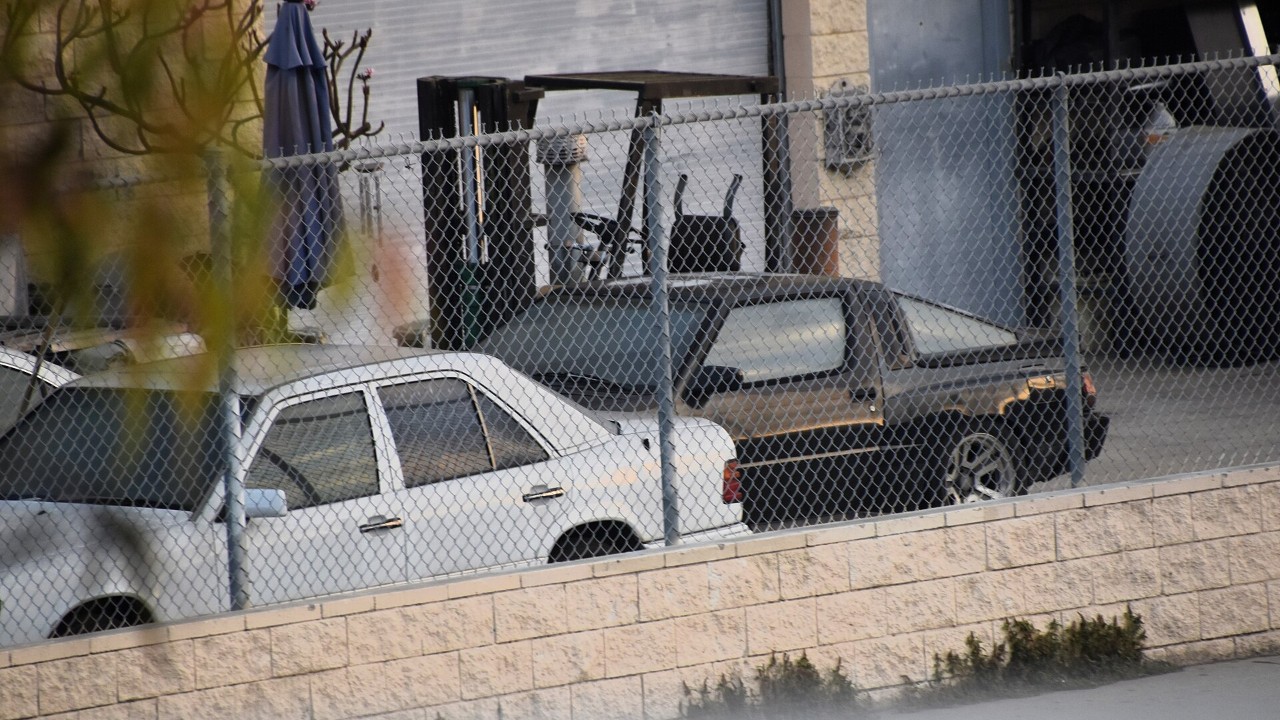
The Starion name blends “star” and “Arion,” a horse from Greek mythology. Mitsubishi sold it from 1983 to 1989, and Chrysler sold twins as the Conquest. According to Hagerty, the 1986 widebody cars, badged ESI-R and Conquest TSi, added an intercooler and made 178 hp.
Later, a 1988 update added about 10 hp more. Standard equipment included independent suspension, a limited-slip differential, staggered 16-inch wheels and four-wheel disc brakes. Hagerty also notes that a 1987 Starion ESI-R won the SCCA Escort Endurance Series championship. It also won the 24-hour race at Nelson Ledges.
Our take: the widebody Starion looked like a race car on the street. In particular, its flared fenders and boxy turbo nose gave owners serious presence for sensible money. For years, these cars stayed cheap. In fact, Hagerty says top examples once sold for about $5,000 to $7,000. That is changing, though. In 2019, Hagerty reported that a 40,000-mile 1988 Conquest TSi with the Sport Handling Package sold on Bring a Trailer for $27,000.
More from Fast Lane Only