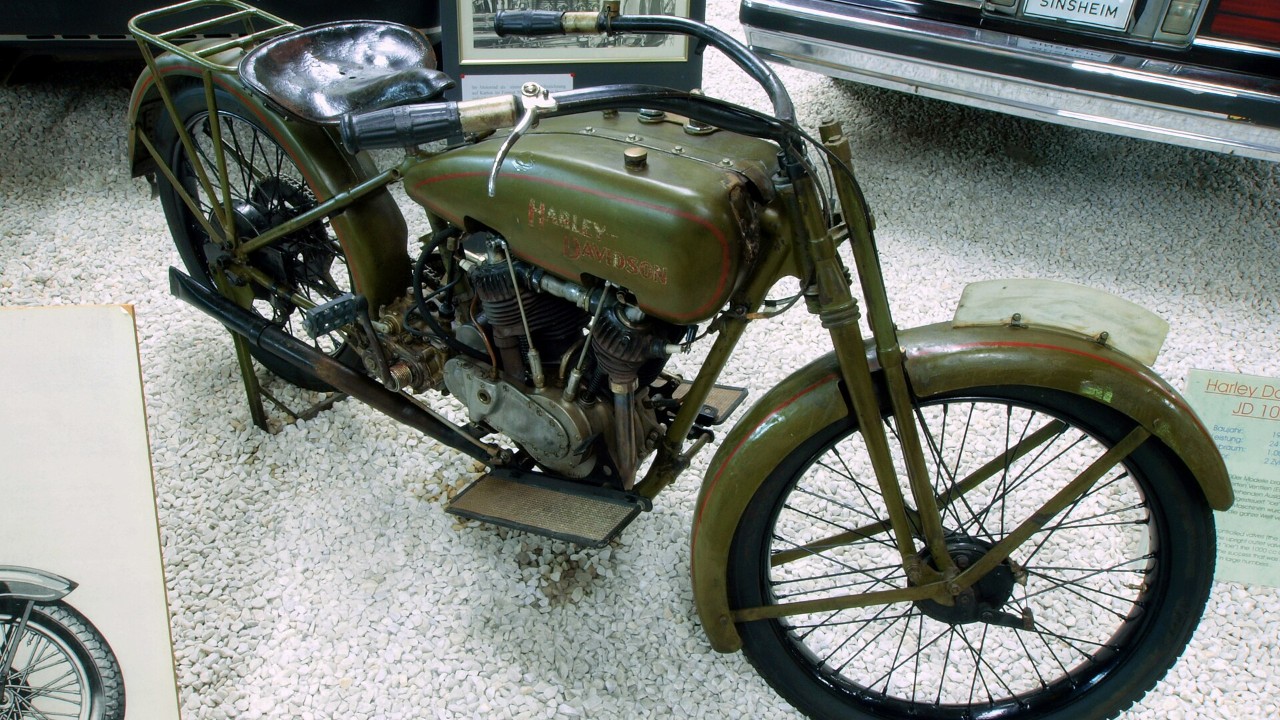
A 1925 Harley-Davidson JDCB stands on display at the company’s museum in Milwaukee, its F-head V-twin as plain as a farm tool. That feels right for a brand founded in 1903. Harley-Davidson was one of only two major American motorcycle makers to survive the Great Depression, and Indian was the other.
Survival became part of the brand’s character. Harley kept engine families in production for decades. It also sold bikes to police departments for more than a century, and it built machines that riders could fix at the side of the road. Not every model aged well, but many of them seem made to keep going.
These are our picks for 12 Harley-Davidsons that were built to outlast everything else. They run from a 1920s F-head to a 1990s touring bike. Every bike pictured here was photographed at the Harley-Davidson Museum. The verdicts are our opinion. However, the years, engines and figures come from period histories, model references and the company’s own history pages.
1. 1925 Harley-Davidson JDCB
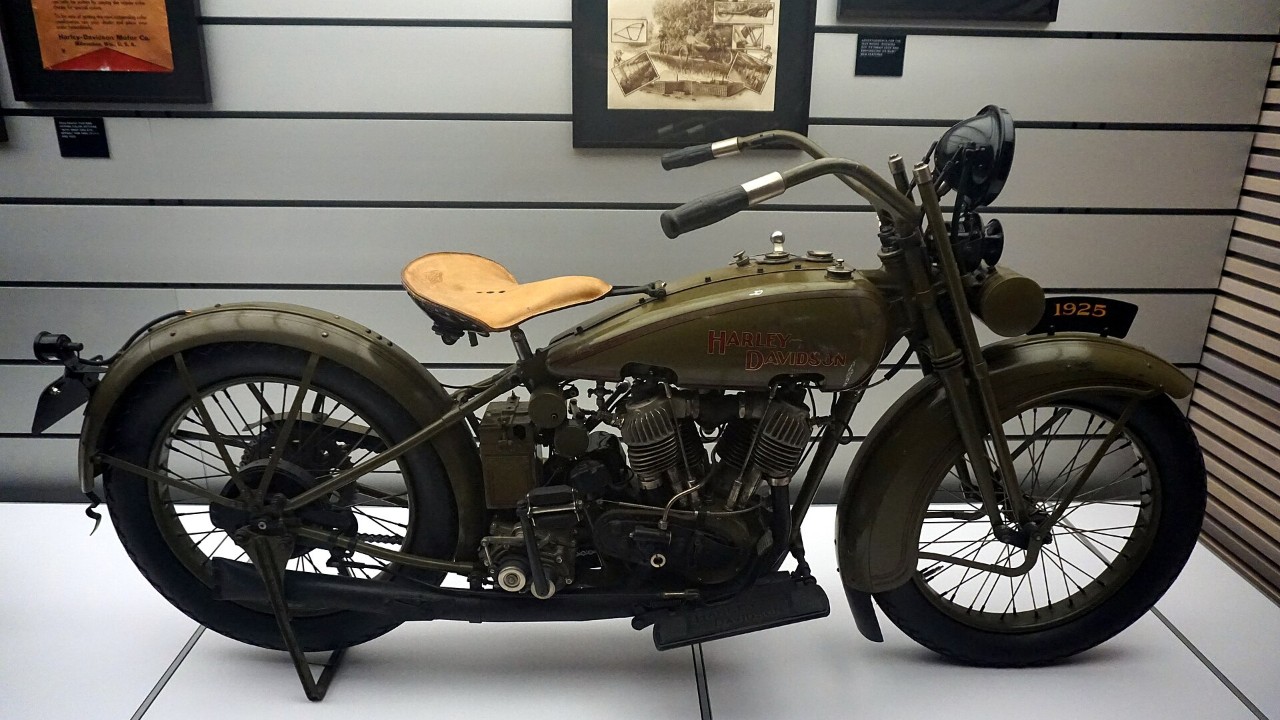
The J family was Harley’s big twin before the flatheads arrived. It used an F-head layout, with the intake valve above the exhaust valve. At first, it measured 61 cubic inches. From 1921, Harley added the 74-cubic-inch JD family alongside it.
According to the model reference at Riding Vintage, the Harley-Davidson JDCB appears as a 74-cubic-inch model from 1924 through 1926. The F-head twins carried on until 1929, the final year before the V-Series took over. That is a long run for an engine design born in the 1910s. Along the way, Harley also listed a JDCBS for 1924 and 1925. Later, a two-cam JDH topped the F-head range in 1928 and 1929.
Why does it belong here? Because the JDCB shows how early Harley settled on a design and stuck with it. In our view, the Harley-Davidson JDCB shows the basic Harley formula already in place by the 1920s. It was a big V-twin, simple enough to fix and strong enough to keep running for years.
2. 1929 Harley-Davidson DL
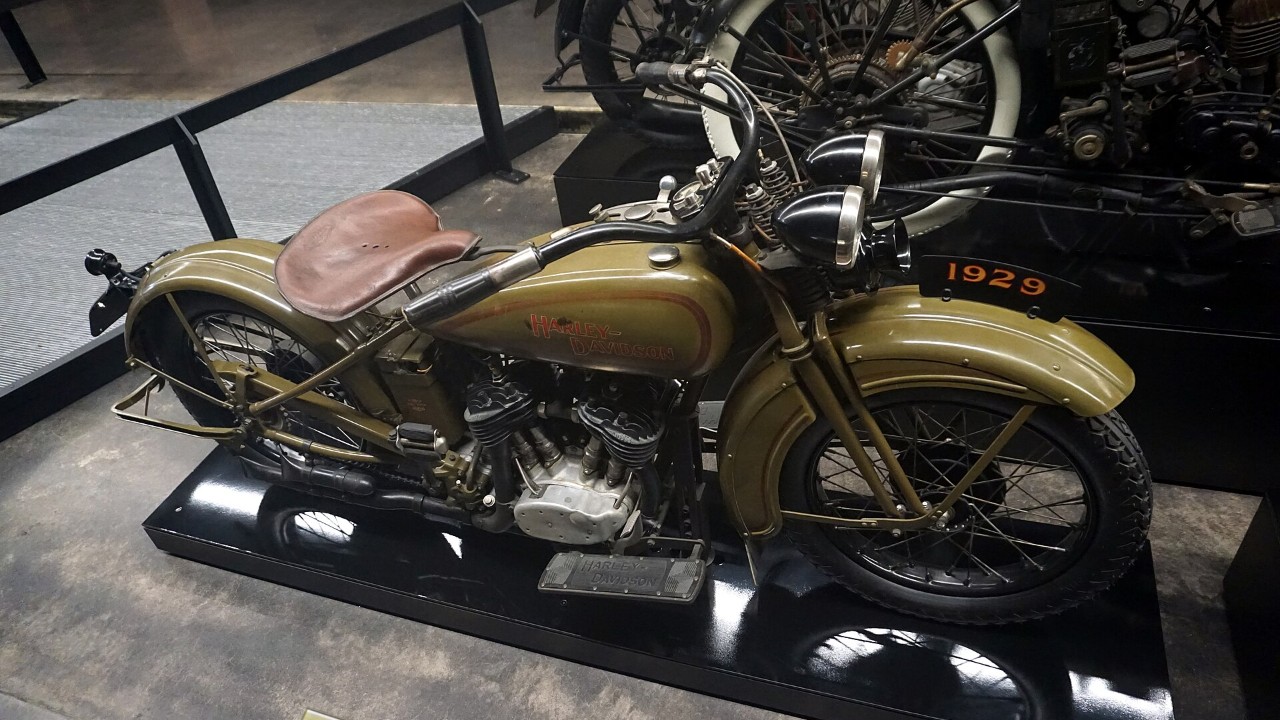
The DL was the start of something that lasted far longer than anyone at the factory could have guessed. For 1929, Harley introduced new 45-cubic-inch D and DL flathead V-twins. A flathead puts its valves beside the cylinder rather than above it, which keeps the engine simple and low. Harley listed both a D and a DL in that first year.
The D-series ran from 1929 through 1932 with a 45.1-cubic-inch, or 739 cc, flathead. Then the idea kept going. The same displacement returned in the W-series from 1937 to 1952. It also powered the Servi-Car three-wheeler until 1973.
In other words, Harley’s 45 flathead stayed in production in one form or another for more than four decades. Our take: few engine designs anywhere have a run like that. The DL is where it began, and that alone earns it a place on this list. If you want an early Harley with a long family tree, the 45 is a smart place to start.
3. 1933 Harley-Davidson VLD
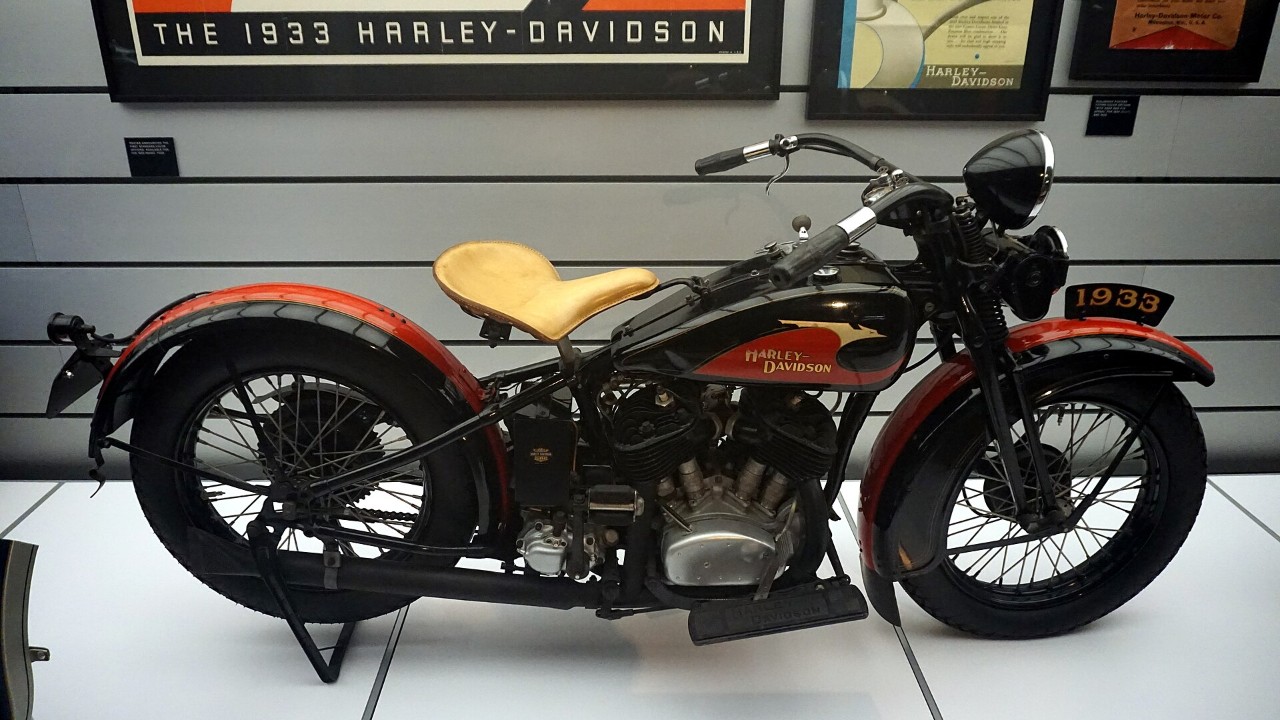
The VLD comes from Harley’s hardest year. According to Motorcycle Classics, the Great Depression forced the company to run its factory at about 20 percent in 1933. Engineers had little money for big changes, so they made small, cheap improvements instead.
The bike itself was a 74-cubic-inch big twin that made 29 horsepower and weighed 529 pounds. For 1933, buyers could order the Ride Control option and a Buddy Seat. Harley also offered a wider range of paint and graphics. Chrome-plated parts also joined the list.
That sounds modest, but it kept the doors open. Meanwhile, many rivals did not make it through the decade. In our view, the VLD is the bike that carried Harley through the Depression. It was heavy and slow by modern standards. Yet it was the kind of steady machine that kept the company alive while money was tight.
4. 1939 Harley-Davidson ULH
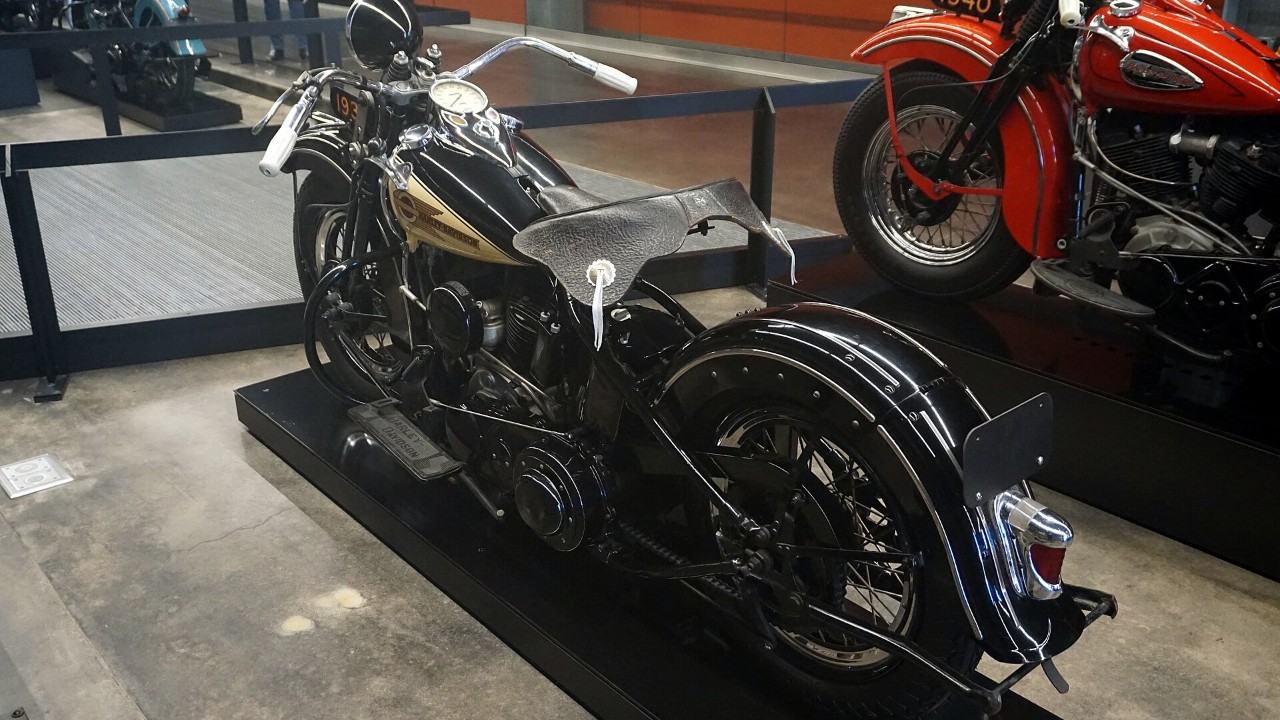
Harley introduced its overhead-valve Knucklehead in 1936, but it did not drop its big flatheads. Instead, the side-valve twins stayed in the lineup for riders who wanted proven hardware. The first Knuckleheads, the 61E and 61EL, sat in the same catalog as the big flatheads. The ULH used the larger of the two engines.
According to Consumer Guide, an 80-cubic-inch flathead joined the existing 74-inch engine late in the 1935 model year. Then, for 1937, both engines got the recirculating oiling system first seen on the Knucklehead. In our view, that was a real upgrade for anyone who covered long miles.
The result was a big, lazy flathead with modern lubrication. For a rider hauling a sidecar or covering long distances, that combination made a lot of sense. Our take: the ULH proves that Harley knew its buyers. Some wanted the newest engine. Others wanted the one they could trust, with as much displacement as possible.
5. 1938 Harley-Davidson WLD
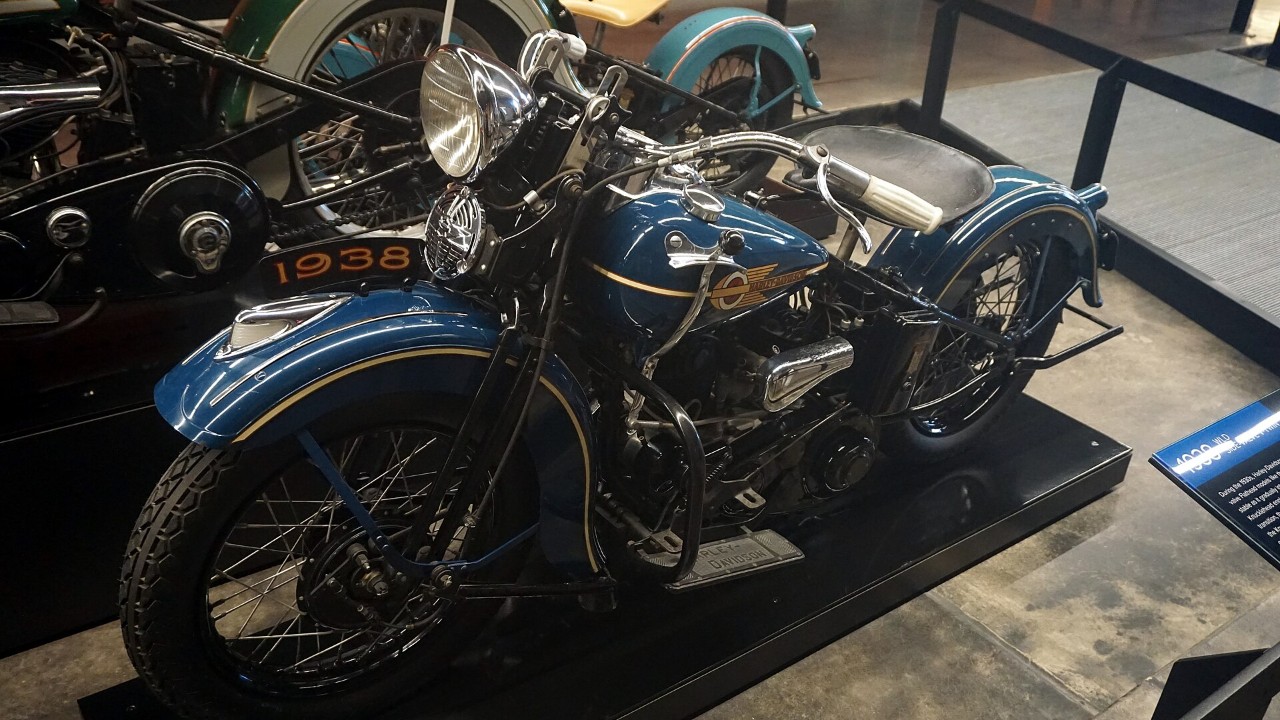
The WLD belongs to the W-series, the 45-cubic-inch flatheads Harley built from 1937 to 1952. The family included the W, WL, WLA, WLC, WLD and WR. In short, it covered everything from road bikes to racers and military machines.
That military role is the reason the W family became so widespread. During World War II, Harley produced some 90,000 military motorcycles, mostly WLAs and WLCs. The A in WLA stood for Army. As a result, the basic 45 flathead ended up on battlefields and in motor pools across the world.
In our view, the WLD is a fine example of why the 45 flathead lasted. After all, it was light enough to handle and simple enough to fix in a field. It was also tough enough to keep working after years of hard use. A prewar WLD like this one shows the civilian side of that story. If you want a prewar Harley you can ride often, a W-series bike is a sensible pick.
6. 1939 Harley-Davidson Model G Servi-Car
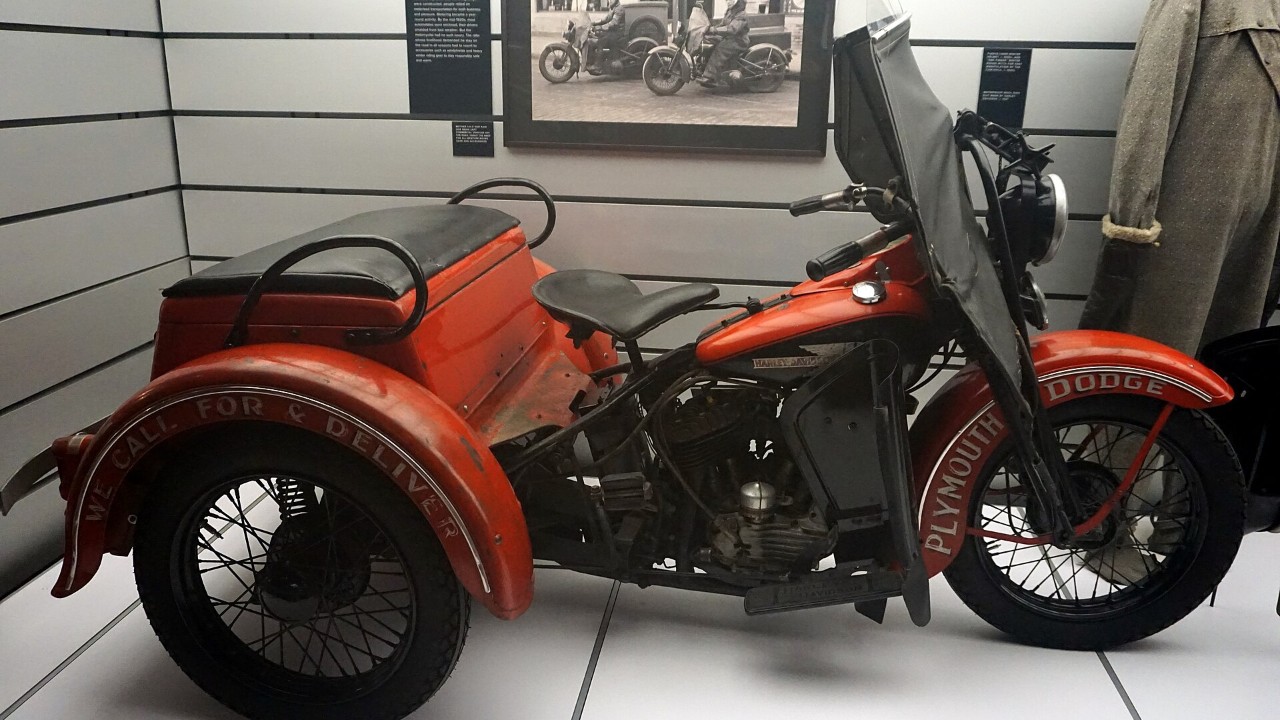
The Servi-Car might be the clearest case on this list. Harley built the three-wheeler from 1932 to 1973, a run of more than four decades. It used a 45-cubic-inch flathead V-twin the whole time. At first the engine came from the R model, and from 1937 it came from the W model.
Harley designed it for garages and roadside service. For example, a mechanic could ride it out to deliver a car. Then the Servi-Car hooked up to the car’s rear with a tow bar and rode back behind it. Small businesses and vendors used it, too. However, police departments became its best-known customers, and some kept using Servi-Cars into the 1990s.
The design stayed simple. A rigid rear axle with a differential carried the load, and the track measured 42 inches. Later, for 1964, the Servi-Car got an electric starter, which made it the first civilian Harley with one. Meanwhile, Hydra-Glide forks replaced the springer front end for 1958, and the final models had disc brakes on all three wheels. Our take: any machine that stays on duty for 40-plus years has earned its place on a list about durability.
7. 1949 Harley-Davidson FL Hydra-Glide
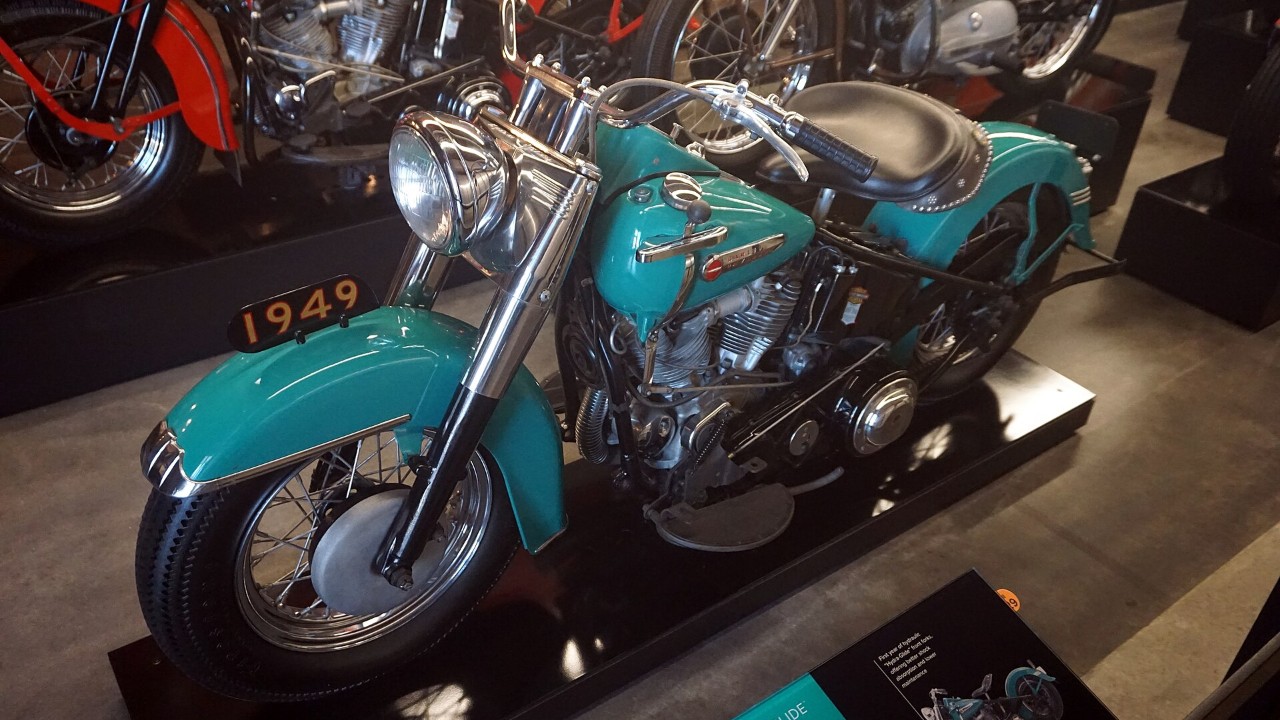
The FL had been Harley’s big twin since 1941. For 1948, it got the new Panhead engine. According to Silodrome, the Panhead added self-adjusting hydraulic lifters and aluminum cylinder heads, which cut weight and helped cooling. Harley offered it in the FL as a 74-cubic-inch engine. Later, the Panhead ran until 1965, in 61- and 74-cubic-inch versions.
Then, for 1949, came the change that gave this bike its name. Hydraulically damped telescopic forks replaced the old front suspension, and Harley called the result the Hydra-Glide. The rear stayed rigid at first, so riders felt every bump.
In our view, that fork set the template for big Harleys from then on. We also think the 1949 FL is where the modern Harley tourer took shape. A good one remains a usable motorcycle more than 75 years after it left Milwaukee.
8. 1968 Harley-Davidson FLHFB Electra Glide
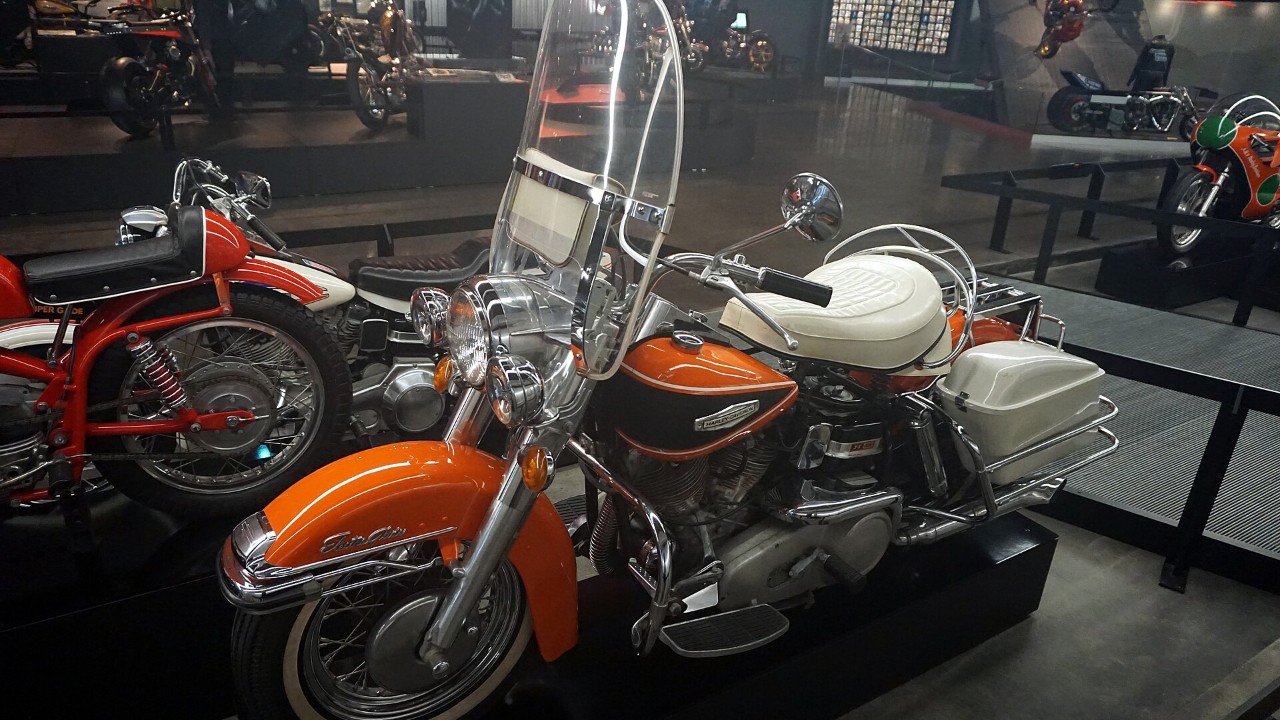
The Electra Glide name arrived for 1965 with one big addition. That first year, the FLH paired its Panhead engine with an electric starter. For riders used to kicking a big twin to life, that was a major step.
A year later, Harley replaced the Panhead with the Shovelhead, which it built from 1966 to 1984. So this 1968 FLHFB is an early Shovelhead Electra Glide. Harley kept the FLH Electra Glide in its catalog from 1965 to 1980. In our view, that long run made the Electra Glide the backbone of American touring for a generation.
For more on the big touring bikes, see our list of the best Harley-Davidson touring bikes ever made. Our take: the Electra Glide is the name most people picture when they think of a long-haul Harley. Early electric-start bikes like this one show where that reputation began.
9. 1976 Harley-Davidson FLH-1200 Liberty Edition
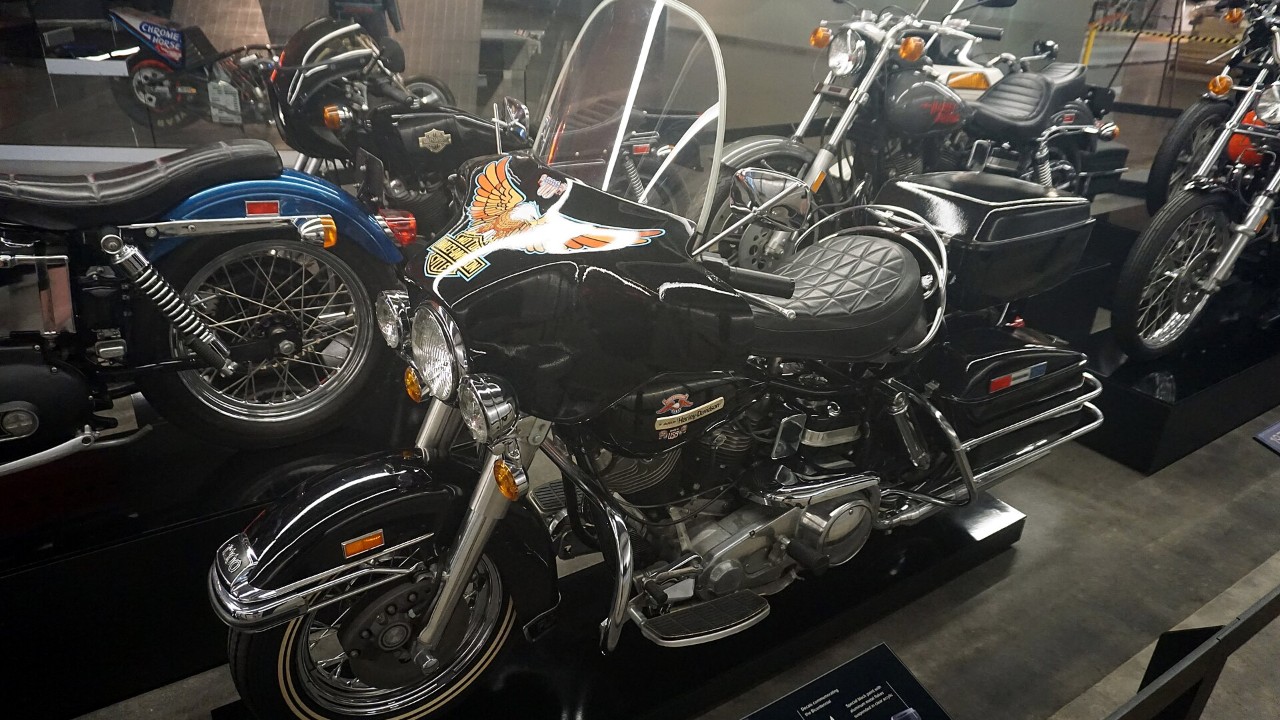
For the American Bicentennial, Harley dressed its bikes in special artwork. According to the company’s own history of the Liberty Edition, Willie G. Davidson worked with Milwaukee artist Paul Smith on the design. It showed an eagle holding the original Harley-Davidson trademark, along with the Number One.
The finish was special, too. Harley applied the graphics as vinyl decals and offered a Black Sequin paint only with the Liberty Edition artwork. That paint suspended aluminum chips in clear acrylic, and workers sprayed it at the York facility over wet black. In March 1976, the bikes went on display at the Daytona Hilton in an exhibition called “A Salute to American Motorcycling.”
Under the paint, this was the familiar FLH touring bike with a Shovelhead engine. That is the point. In our view, the Liberty Edition shows how a proven platform could carry a celebration without changing its mechanical core. Today, a 1976 Liberty Edition Electra Glide sits in the Harley-Davidson Museum next to Smith’s original painting. Smith’s 4-by-6-foot artwork also became a poster, which The Enthusiast said sold for $2.00.
10. 1984 Harley-Davidson FXRP Police
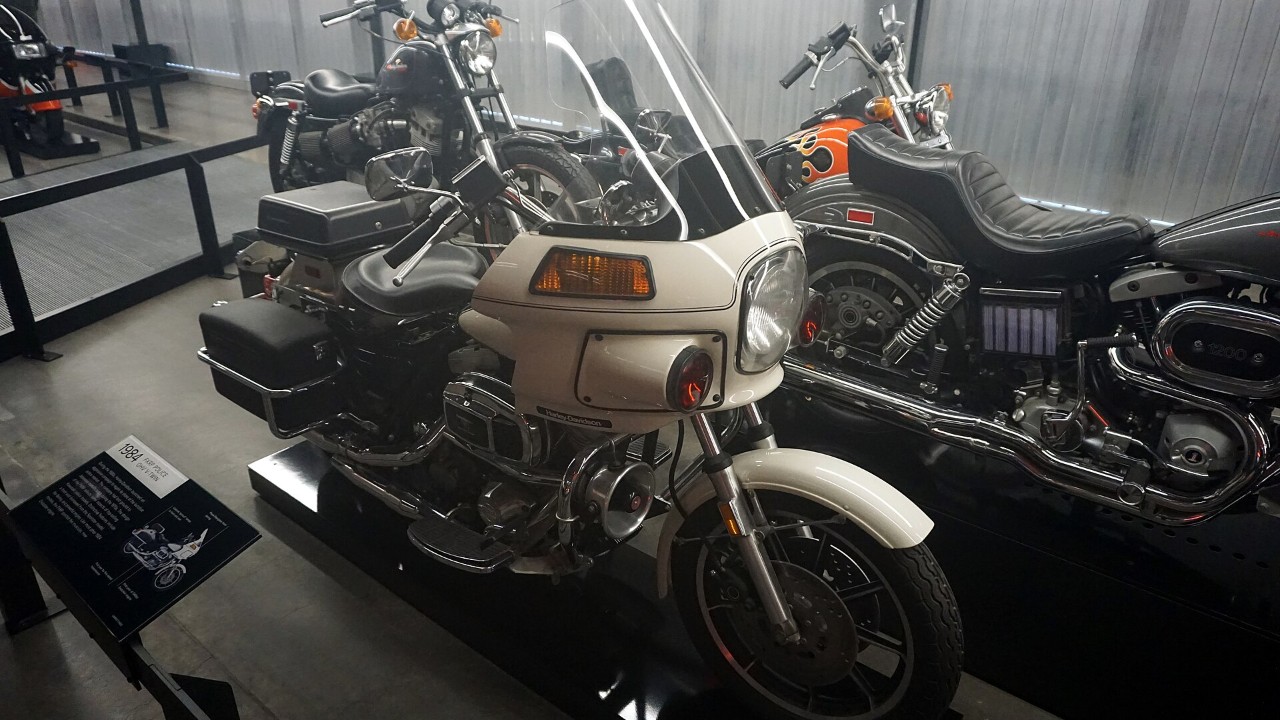
The FXR family changed how a Harley felt on a long ride. According to Rider, Harley rubber-mounted the Shovelhead engine in a new double-cradle frame, and the bad vibration largely disappeared. Engineer Erik Buell had a major hand in that work. Then, in 1984, the new Evolution engine arrived, again with a fully enclosed rear chain.
The FXR range started as the Super Glide II, an 82-cubic-inch bike sold from 1982 to 1985. Harley also built police versions, and the FXRP was one of them. Police work has mattered to the company for a long time, since Harley began selling to departments around 1907.
Police bikes live hard lives. They idle for hours, run in all weather and pile on miles quickly. So a police model is a good test of whether a design can take abuse. Our take: the FXRP passed that test. If you want a usable 1980s Harley, a well-kept FXR is worth a look.
11. 1993 Harley-Davidson FLSTN Heritage Softail Nostalgia
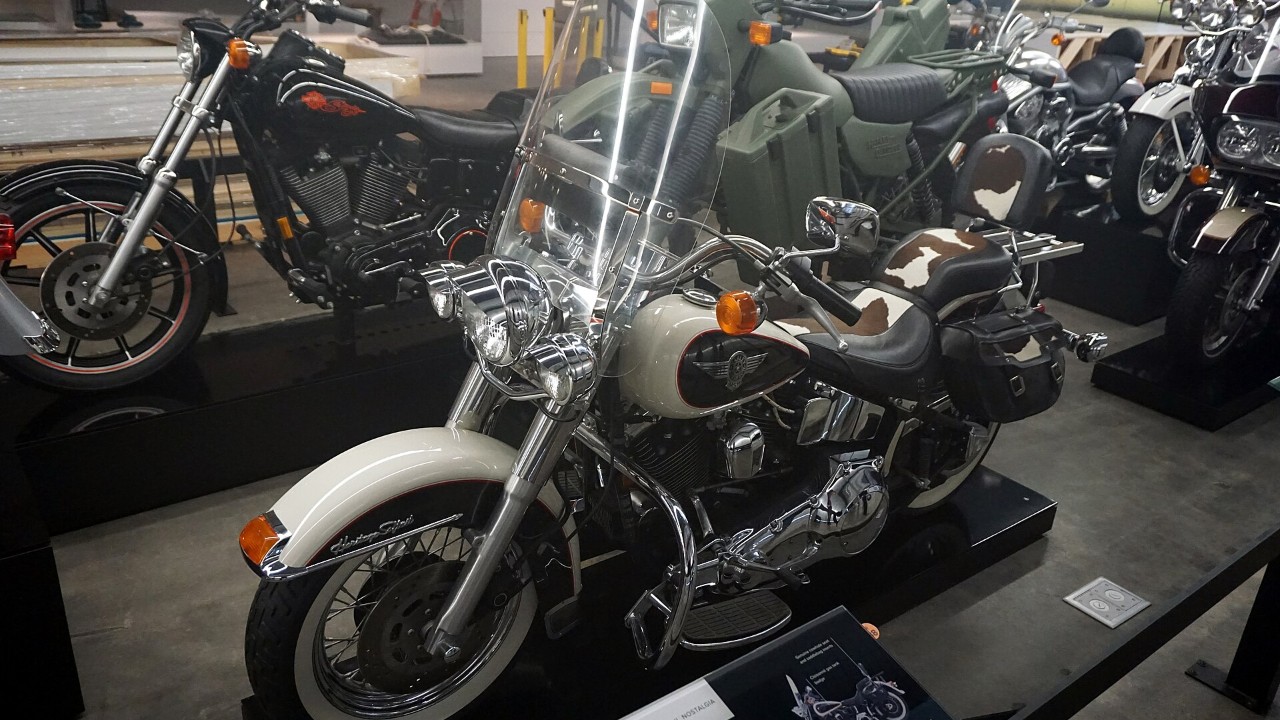
The FLSTN is the Harley most people know by its nickname. Riders called it the Cow Glide or the Moo Glide, because its seat and saddlebags wore cow-fur style accents. According to Bike-urious, Harley built 2,700 of them, finished in Raven Black and Birch White with red pinstripes.
The changes were cosmetic. Underneath, the Nostalgia used the 81.5-cubic-inch, or 1,337 cc, Evolution V-twin of the Heritage Softail. Harley built the Evo from 1984 to 1999.
That mix is why the Cow Glide makes this list. It looks like a novelty, but in our view it runs on one of Harley’s most dependable engines. Our take: this is a fun bike with serious hardware. Because Harley built only 2,700, check that any Cow Glide you look at still wears its original seat and bags. For more American bikes with a following, see our list of American motorcycles that were years ahead of their time.
12. 1998 Harley-Davidson FLTRI Road Glide
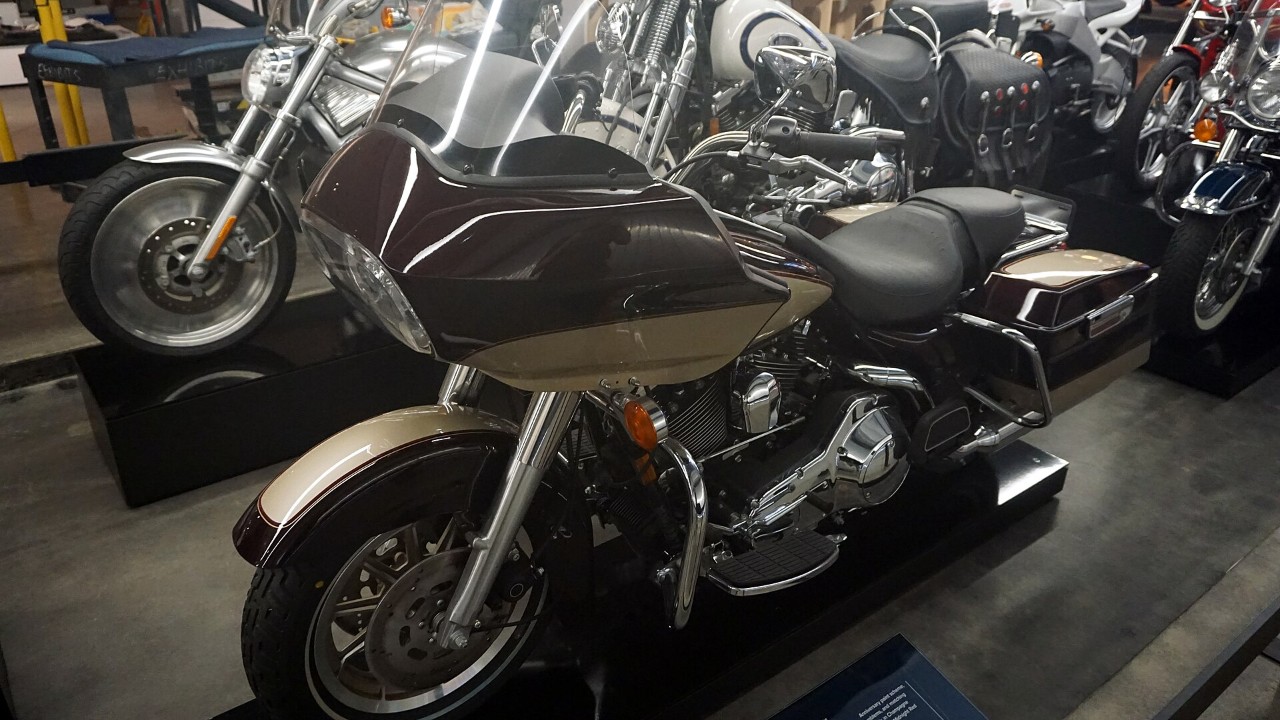
The Road Glide arrived for 1998 with a frame-mounted fairing. That set it apart from the Electra Glide, whose batwing fairing turned with the fork. The Road Glide also replaced the Tour Glide. That earlier bike debuted in 1979 as a 1980 model and left the touring lineup in 1996.
According to Motorcycle Cruiser, the bike’s powerplant was the rubber-mounted Evolution engine. For 1998, Harley listed it at 1,340 cc. In other words, the Road Glide kept the smooth rubber-mounted Evo and added a new kind of fairing. The Evo stayed in production until the Twin Cam 88 replaced it.
In our view, it belongs on this list because it took Harley’s long-distance formula into a new century. Harley kept the Road Glide in its lineup from 1998 through 2016.
More from Fast Lane Only