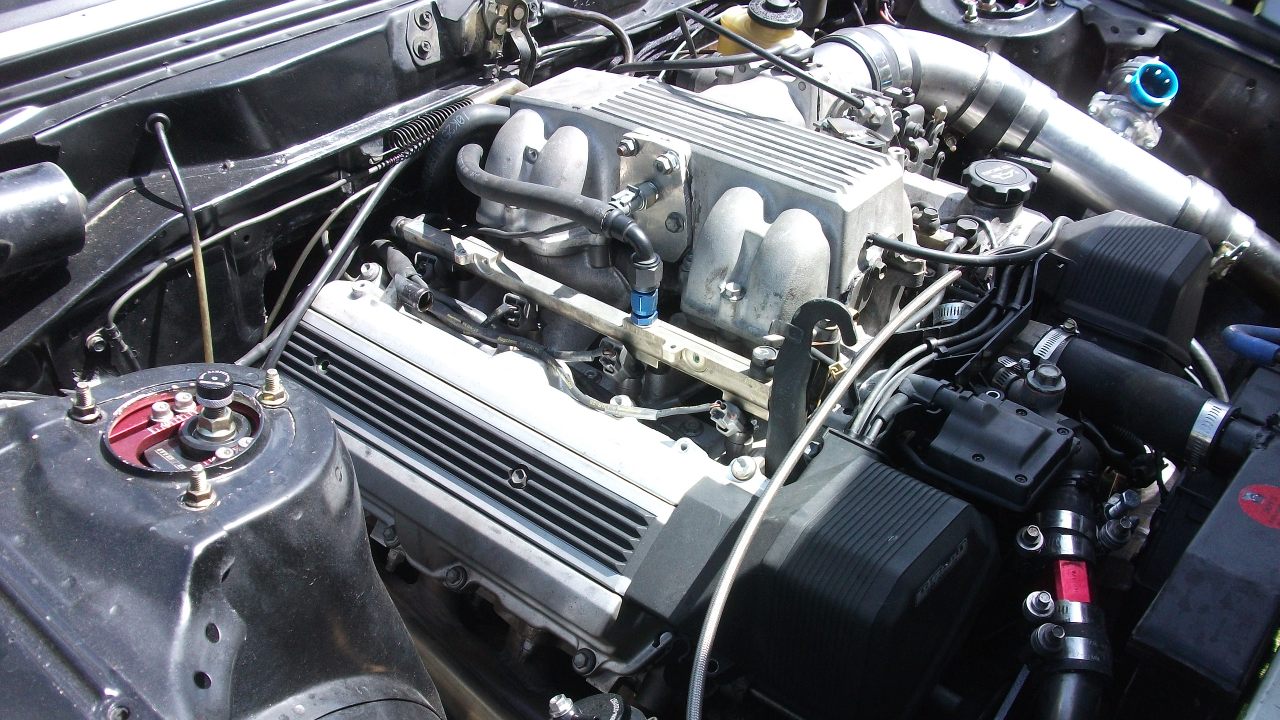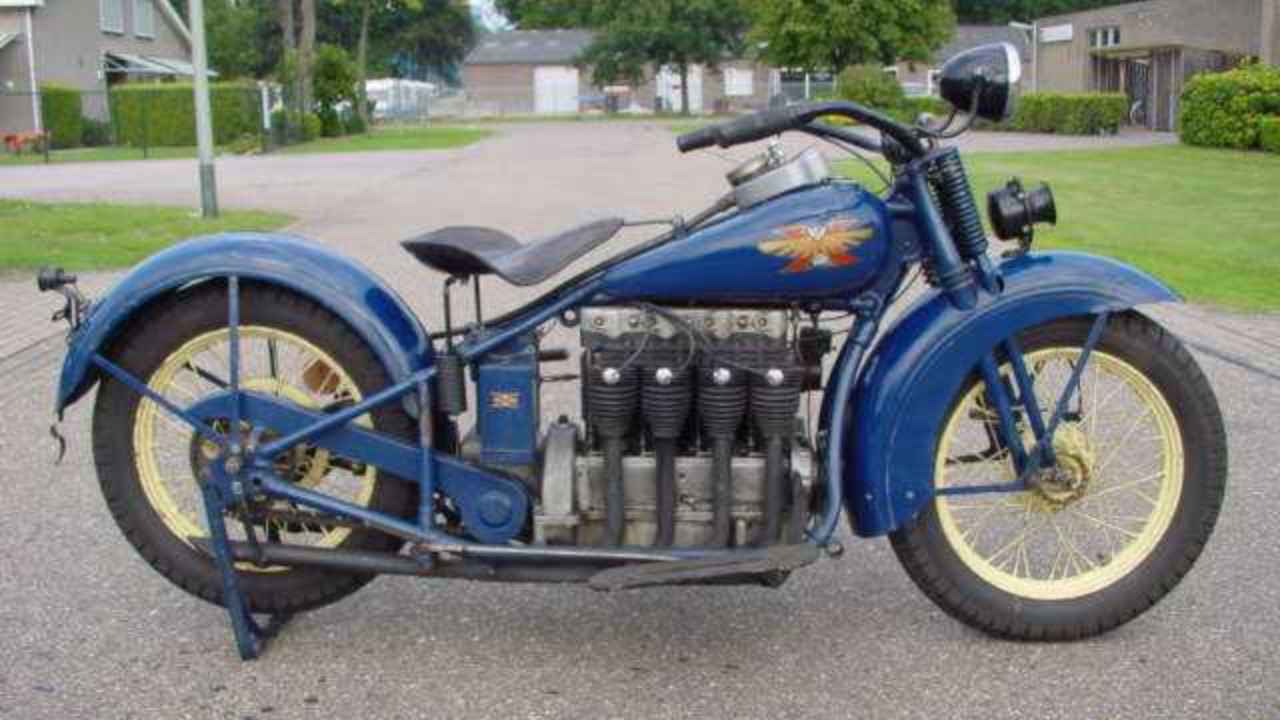
American motorcycle manufacturers have often been associated with large V-twin engines and traditional styling, but several machines broke away from that formula. Some introduced advanced suspension, unusual engines, racing technology, or modern performance ideas long before they became common. These motorcycles showed that American manufacturers could experiment with engineering and create machines that felt remarkably modern.
Indian Power Plus
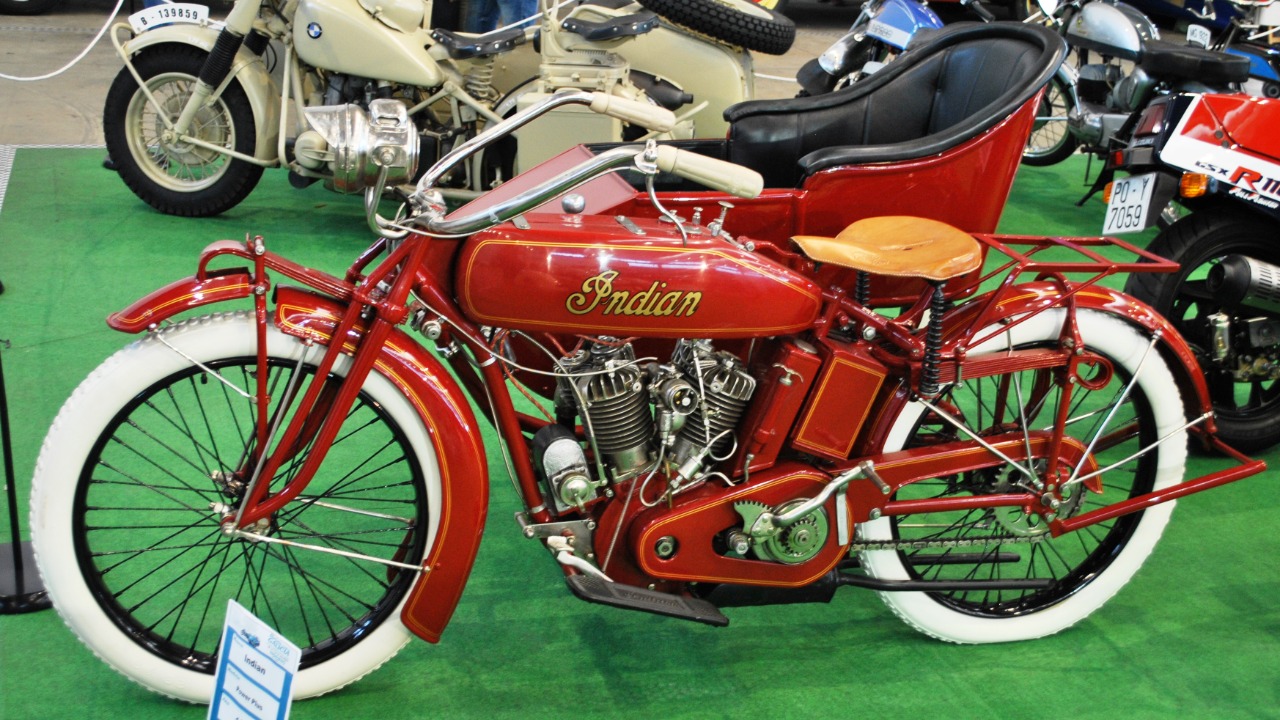
The Indian Power Plus was one of the company’s most important early motorcycles and introduced a refined V-twin design during the 1910s. Its side-valve engine provided strong torque and smooth operation for the period, while the motorcycle was designed for dependable everyday use. The Power Plus helped establish the large American V-twin formula that would influence motorcycle development for decades.
Indian Scout
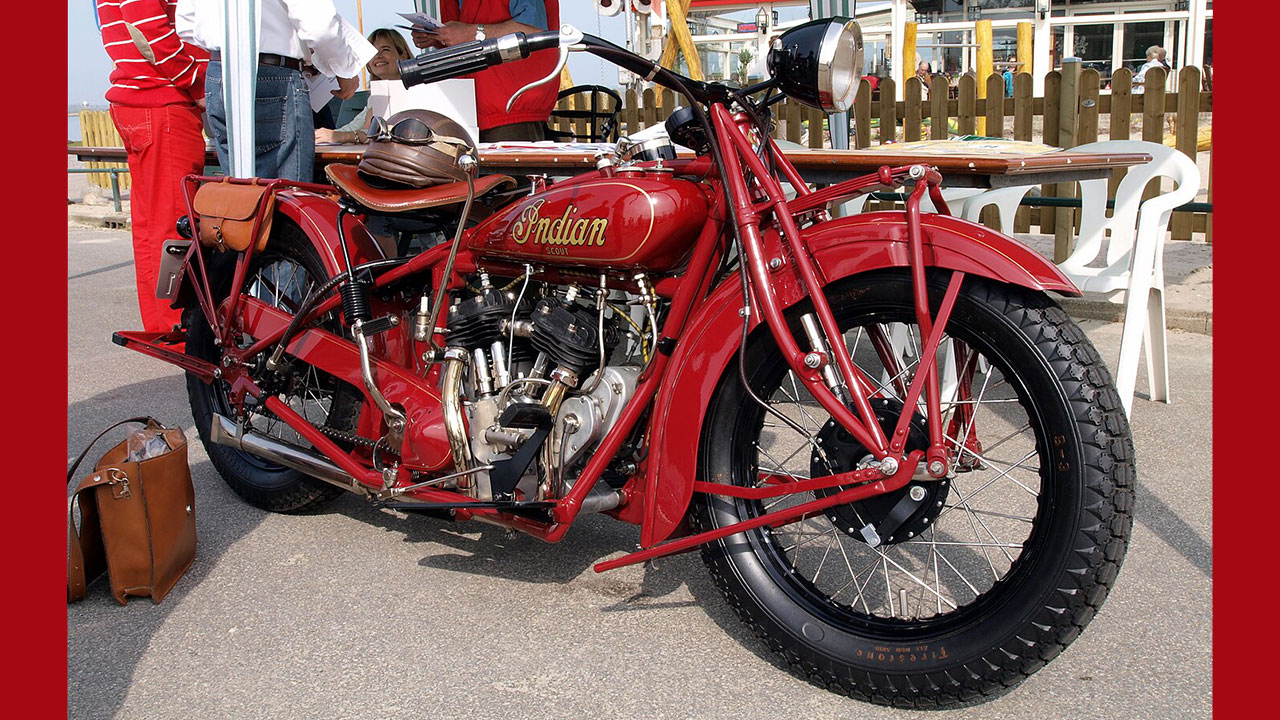
The Indian Scout became famous for its compact dimensions, balanced handling, and strong V-twin engine. Introduced in 1920, it was smaller and more manageable than many large motorcycles of the period. Its engine was also designed as a stressed structural component in early versions, helping reduce weight. The Scout’s combination of simplicity and handling made it unusually advanced for its era.
Indian Chief
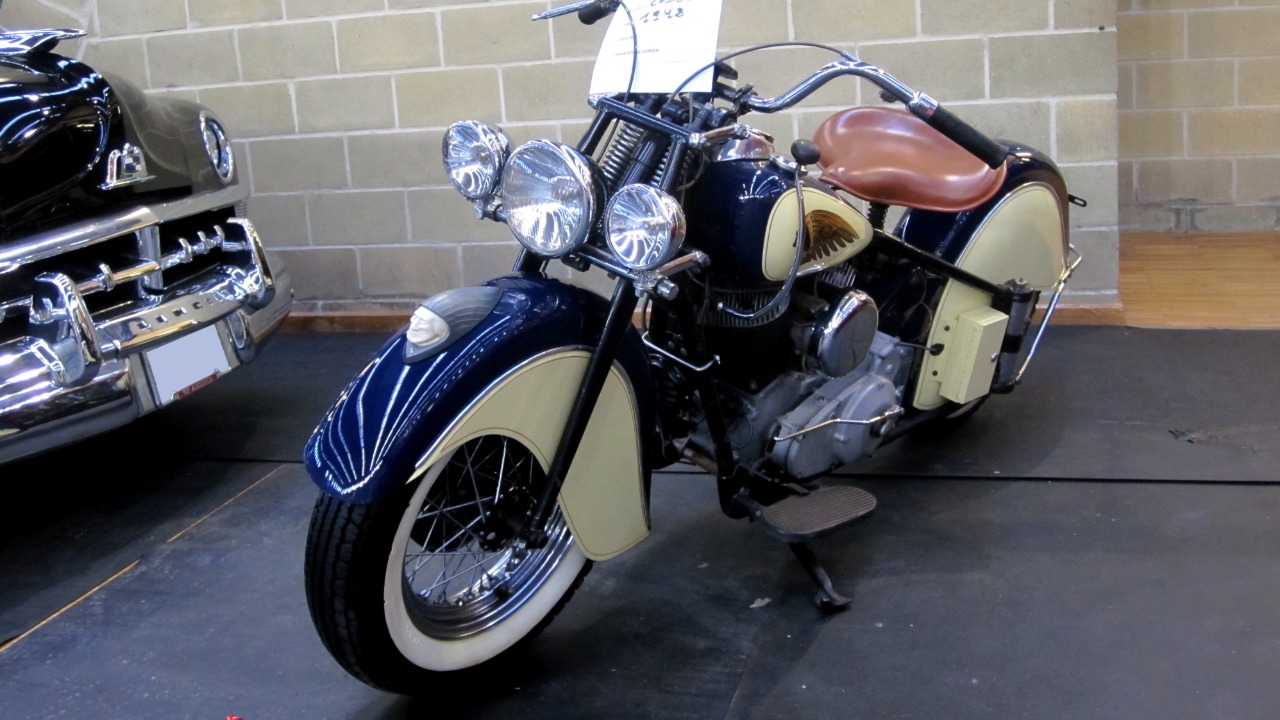
The Indian Chief combined a large V-twin engine with a relatively sophisticated chassis and comfortable riding position. Introduced in the 1920s, it became one of Indian’s defining motorcycles. Its long production history demonstrated the effectiveness of its basic engineering. The Chief helped establish the American touring motorcycle formula of strong low-speed torque, long-distance comfort, and durable construction.
Henderson KJ
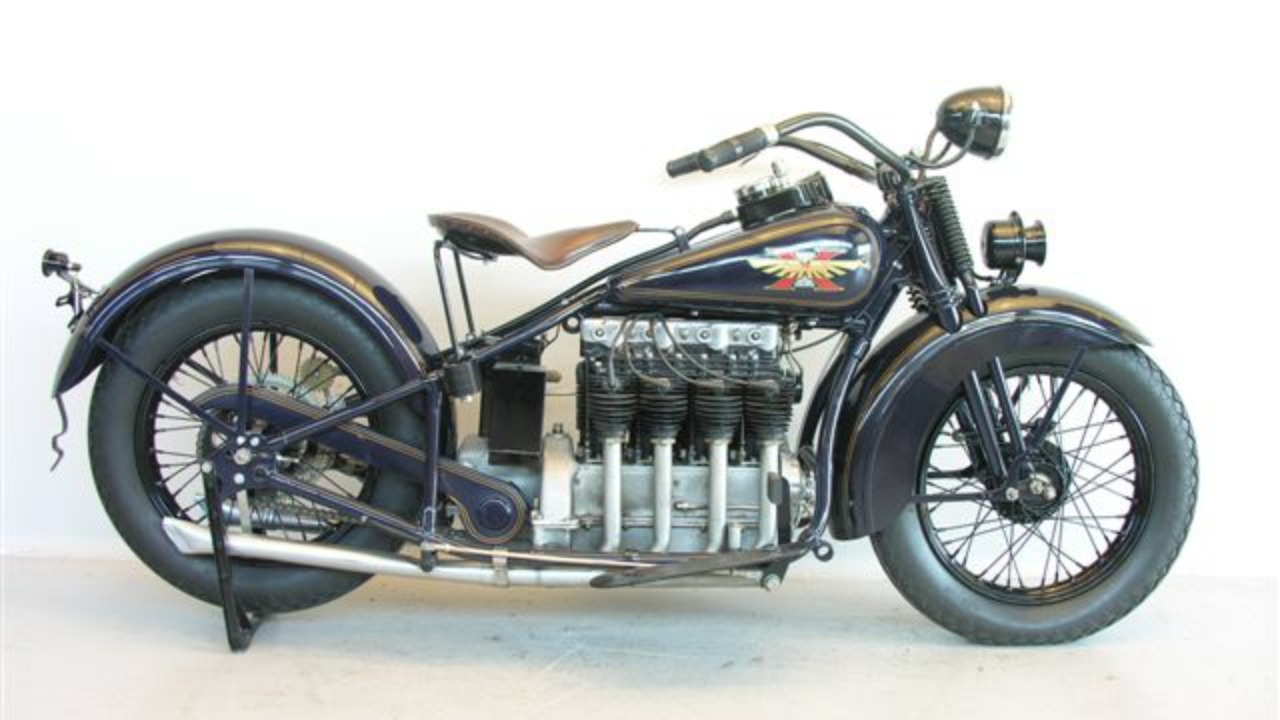
The Henderson KJ represented a very different approach to American motorcycle engineering. Instead of using the typical V-twin, Henderson employed a longitudinal inline-four engine that delivered remarkably smooth power. The KJ’s advanced engine design and high-speed capability made it one of the most sophisticated American motorcycles of the early 1930s. Its engineering was closer to an advanced touring machine than a conventional American motorcycle.
Excelsior Super X
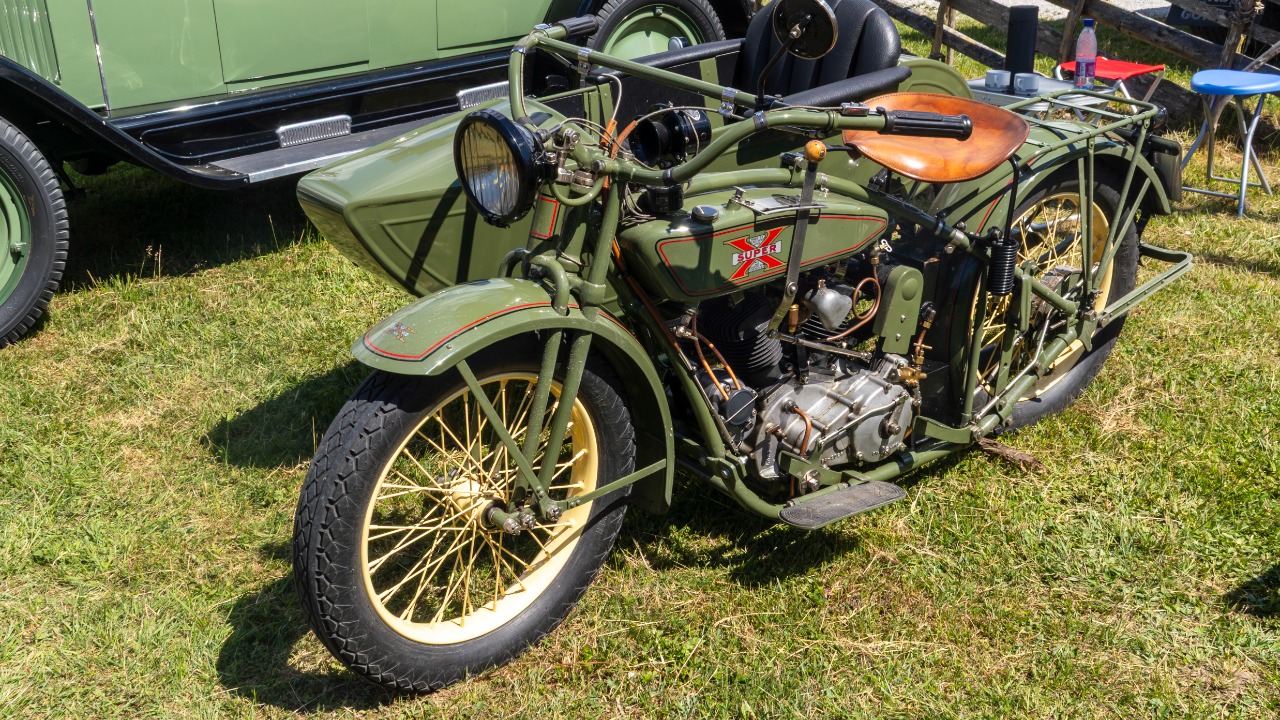
The Excelsior Super X challenged the dominance of the traditional 45-degree V-twin by using a 45-degree V-twin with a smaller displacement and a more compact layout. Introduced in the late 1920s, it offered strong performance and distinctive engineering. The Super X demonstrated that American manufacturers were experimenting with different engine sizes and configurations before economic difficulties forced Excelsior out of the motorcycle market.
Harley-Davidson Knucklehead
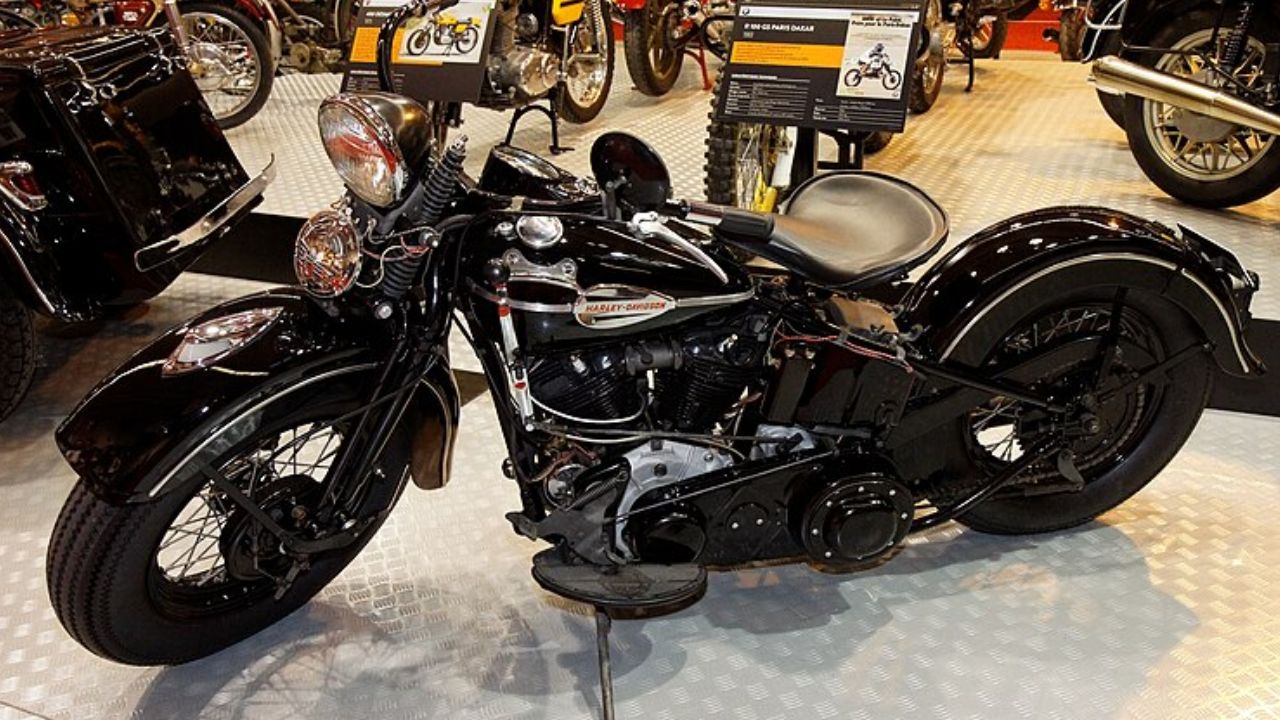
The Harley-Davidson Knucklehead introduced overhead-valve technology to Harley-Davidson’s large V-twin lineup in the 1930s. Its hemispherical-style combustion chambers and distinctive rocker-box covers gave it a more advanced engine design than earlier flathead models. The Knucklehead also established the basic overhead-valve architecture that would influence Harley-Davidson’s performance motorcycles for decades.
Harley-Davidson XA
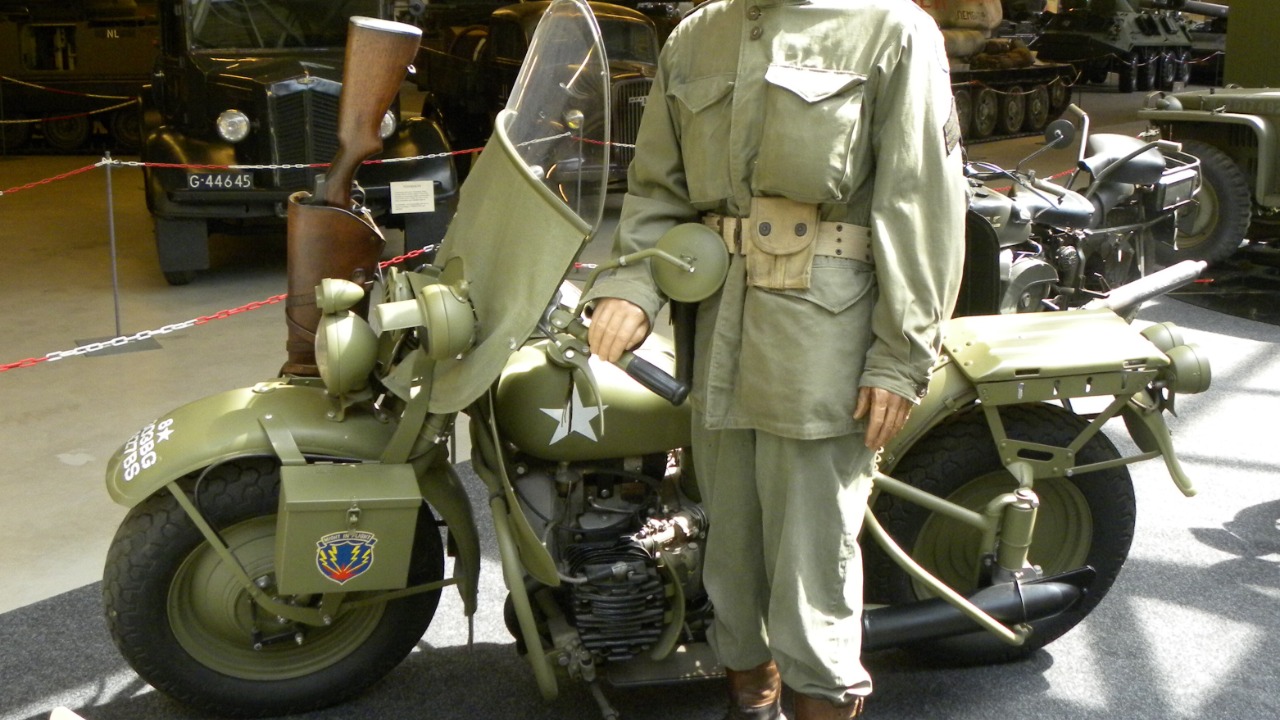
The Harley-Davidson XA was one of the company’s most unusual motorcycles. Developed during World War II, it used a horizontally opposed twin-cylinder engine with shaft drive instead of the traditional Harley-Davidson V-twin and chain drive. The layout was inspired by motorcycles used by the German military. Although the XA never entered large-scale production, its engineering demonstrated Harley-Davidson’s willingness to experiment when military requirements demanded it.
Harley-Davidson XR-750
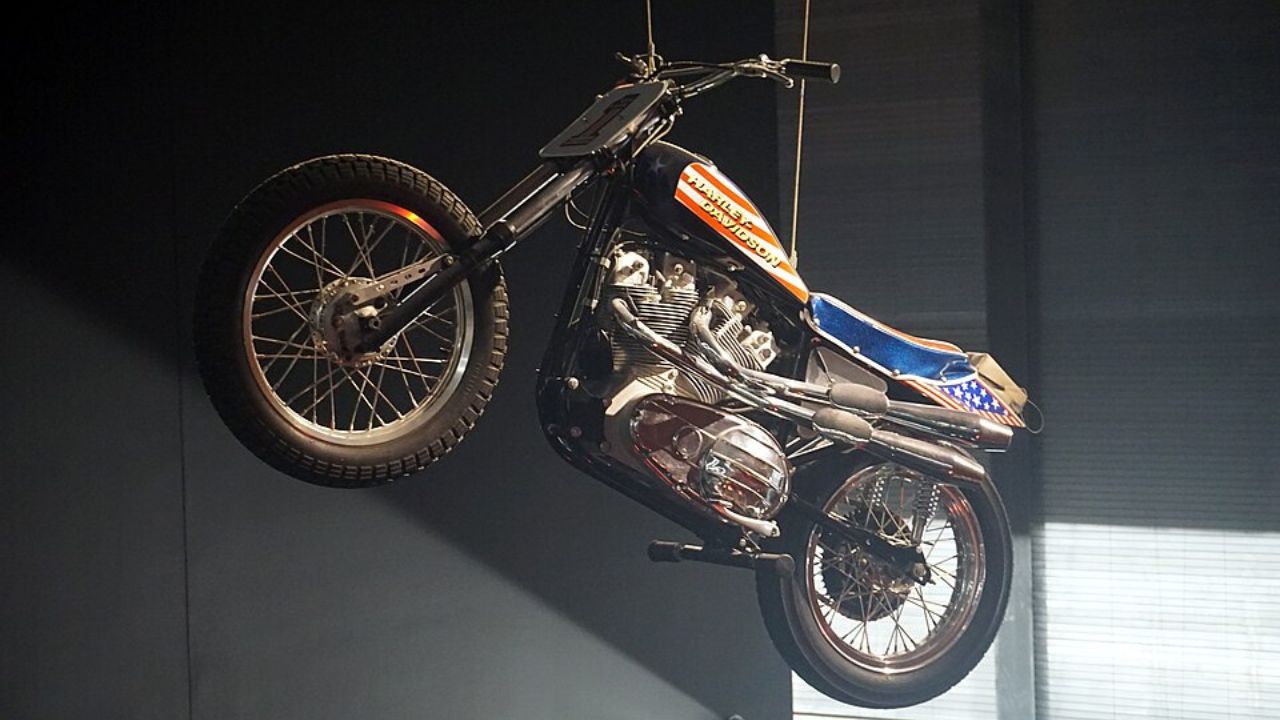
The Harley-Davidson XR-750 became one of America’s most successful racing motorcycles. Developed for flat-track competition, it used a lightweight chassis and a high-performance V-twin designed specifically for racing. The XR-750 became exceptionally successful in American flat-track racing and remained competitive for decades. Its racing-focused development showed how far Harley-Davidson could push the traditional V-twin configuration.
Harley-Davidson XR-1000
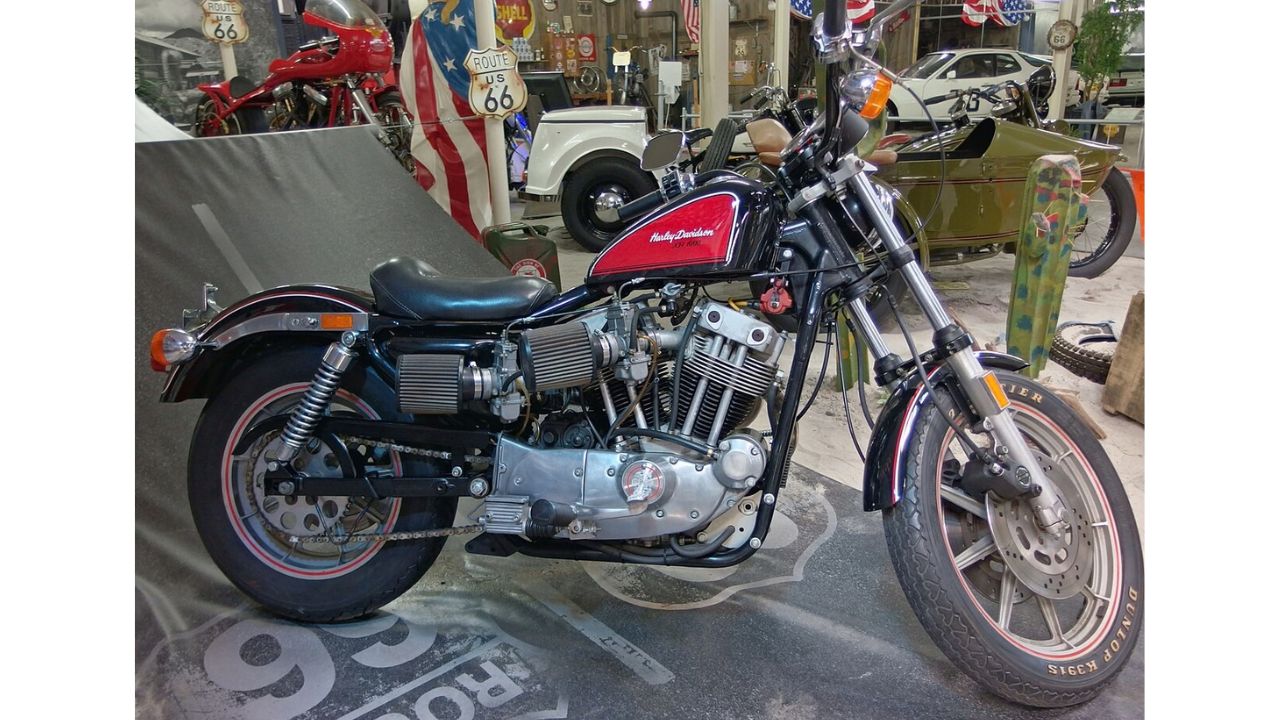
The Harley-Davidson XR-1000 transferred technology from the XR-750 racing program into a street motorcycle. Introduced in the 1980s, it used special cylinder heads and performance components inspired by Harley-Davidson’s successful racing engine. The motorcycle offered a level of factory performance that was unusual for the company at the time. Its limited production also made it an important performance-oriented Harley-Davidson.
Harley-Davidson XLCR
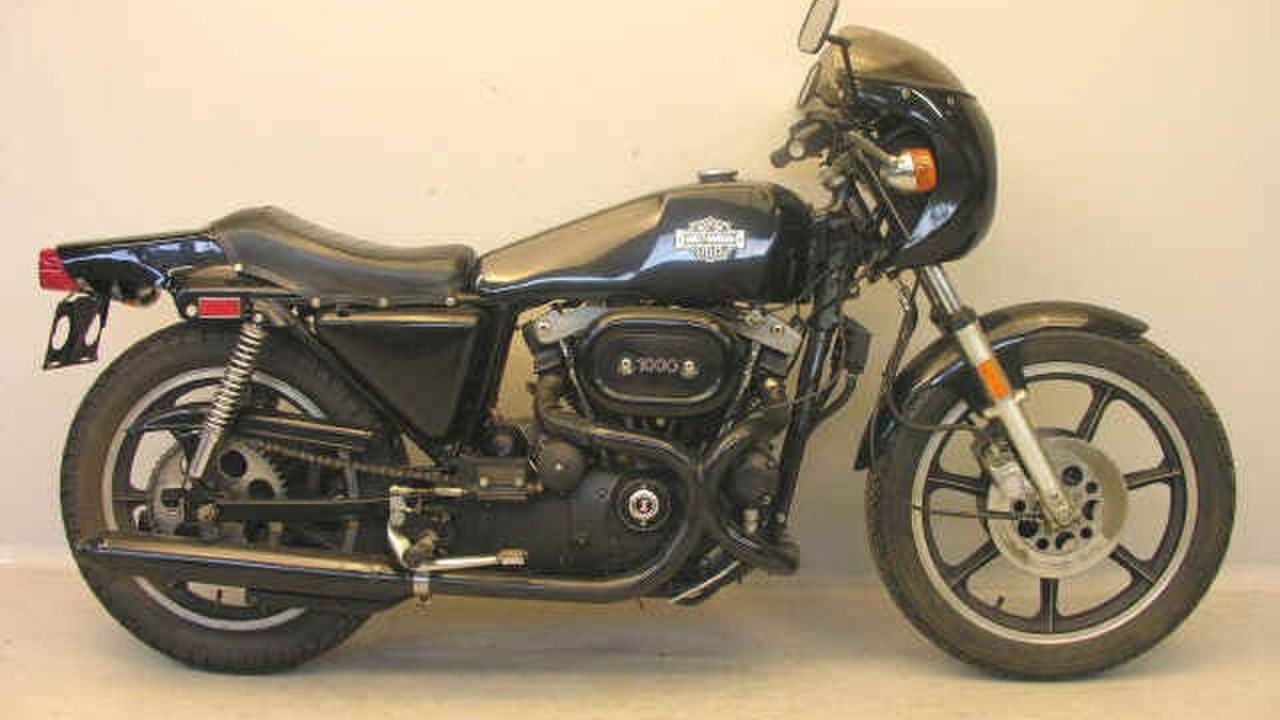
The Harley-Davidson XLCR was an unusual factory attempt to create a café-racer-inspired American motorcycle. Designed by Willie G. Davidson, it combined a Sportster-based engine with a solo seat, aggressive riding position, cast wheels, and distinctive black styling. The XLCR was very different from Harley-Davidson’s traditional touring machines. Although production was limited, it showed that the company was willing to experiment with a modern sporting motorcycle.
Buell S1 Lightning
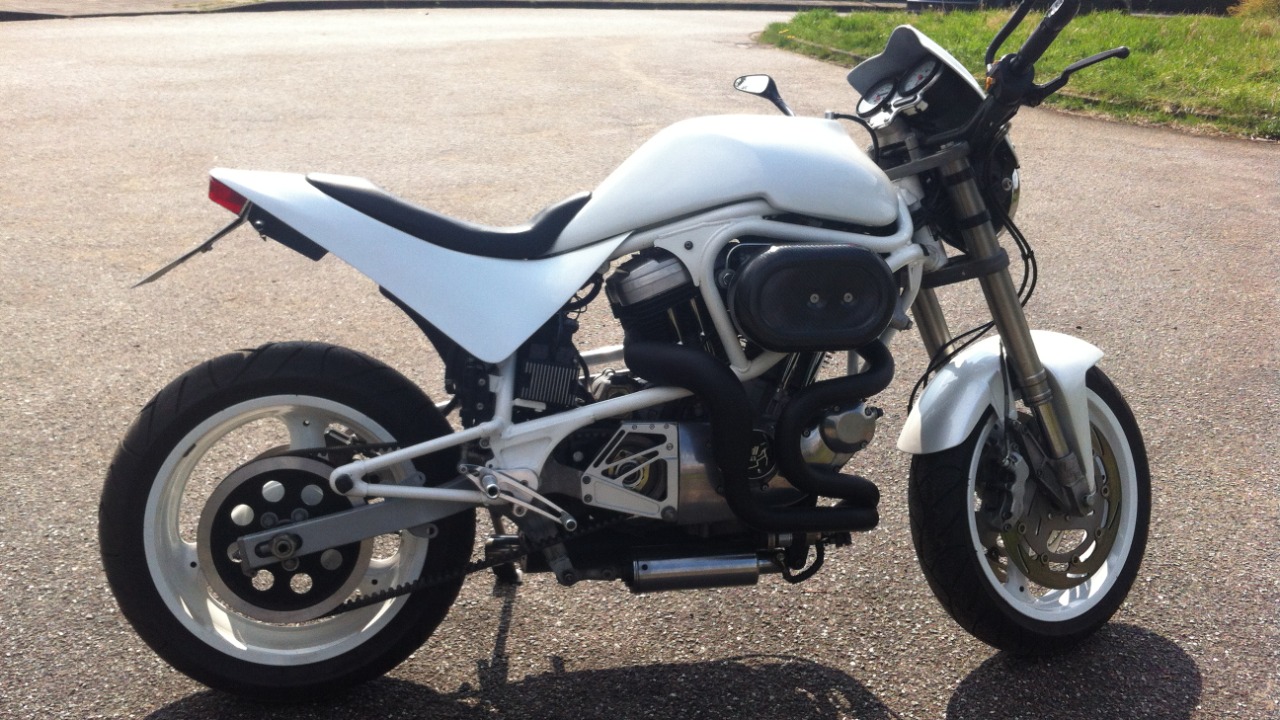
The Buell S1 Lightning combined a Harley-Davidson-derived V-twin with an extremely compact sportbike chassis. Its lightweight construction, perimeter-style braking arrangement, and distinctive suspension design gave it a very different character from traditional American motorcycles. Buell focused heavily on reducing weight and centralizing mass. The result was a motorcycle that emphasized handling and performance rather than the typical American cruiser formula.
Buell S2 Thunderbolt
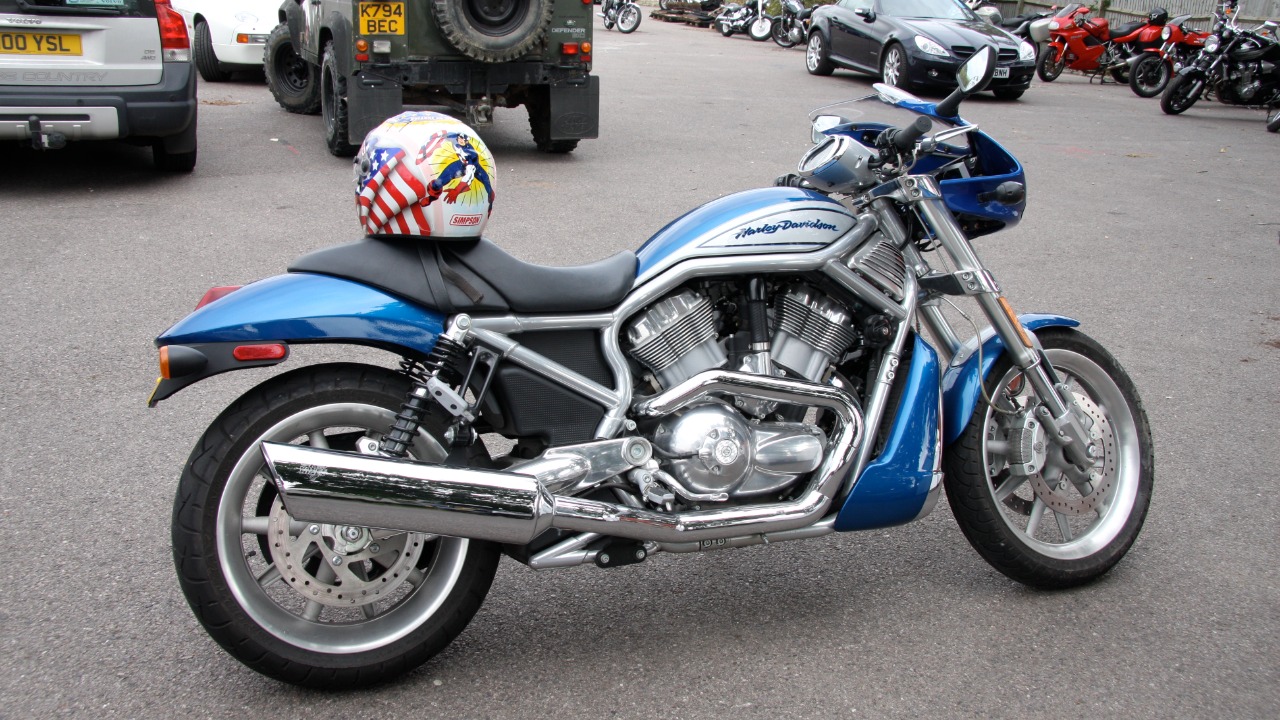
The Buell S2 Thunderbolt brought American V-twin performance into the sport-touring category. It combined a Harley-Davidson-based engine with a lightweight chassis, unusual suspension geometry, and a more aerodynamic body. The design emphasized handling and long-distance performance while retaining the character of a large American V-twin. It was an unusual alternative to both traditional cruisers and European sport-tourers.
Buell S3 Thunderbolt
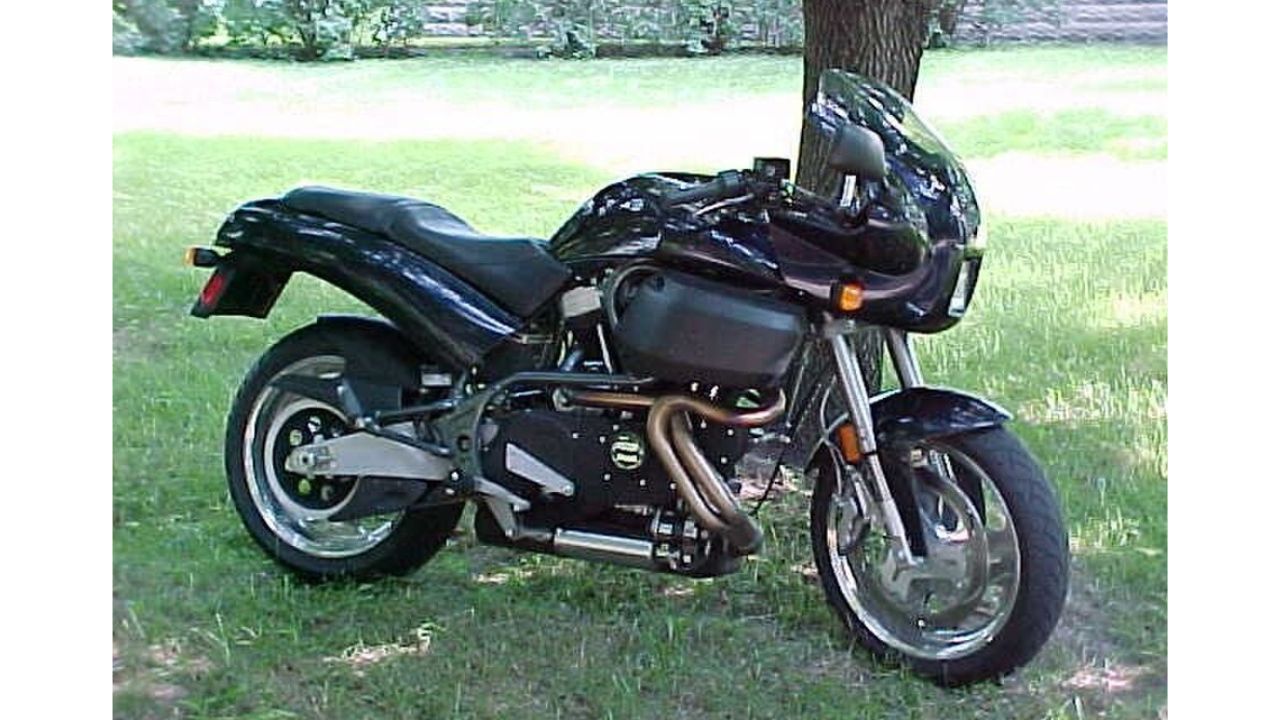
The Buell S3 Thunderbolt continued Buell’s effort to create high-performance American motorcycles with modern chassis engineering. Its perimeter brake, advanced suspension, lightweight construction, and Harley-Davidson-derived V-twin gave it a distinctive technical package. The motorcycle demonstrated that American engineering could combine traditional engine character with modern handling technology.
Buell M2 Cyclone
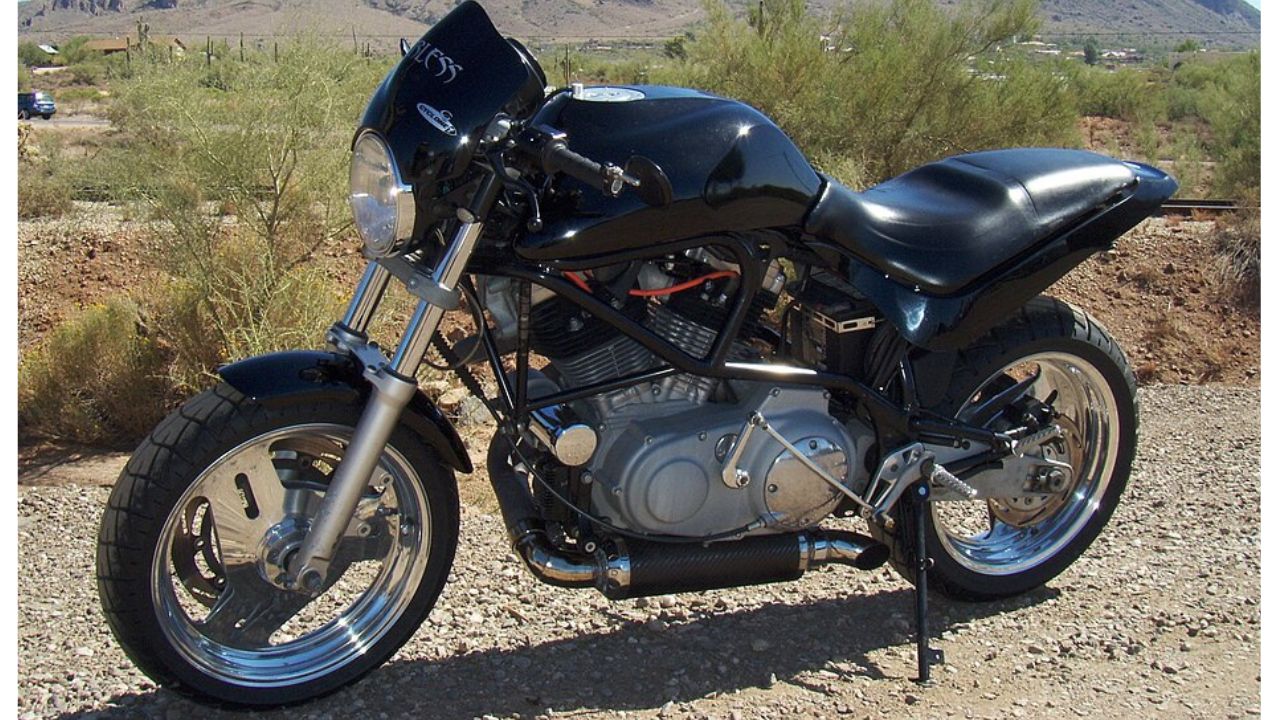
The Buell M2 Cyclone focused on simplicity and lightweight performance. Instead of following the heavy cruiser formula common among American motorcycles, Buell gave the M2 a compact chassis and sporty riding position. Its Harley-Davidson Sportster-based V-twin provided strong torque while the chassis emphasized agility. The M2 showed that an American motorcycle could be entertaining through handling rather than engine size alone.
Buell XB9R Firebolt
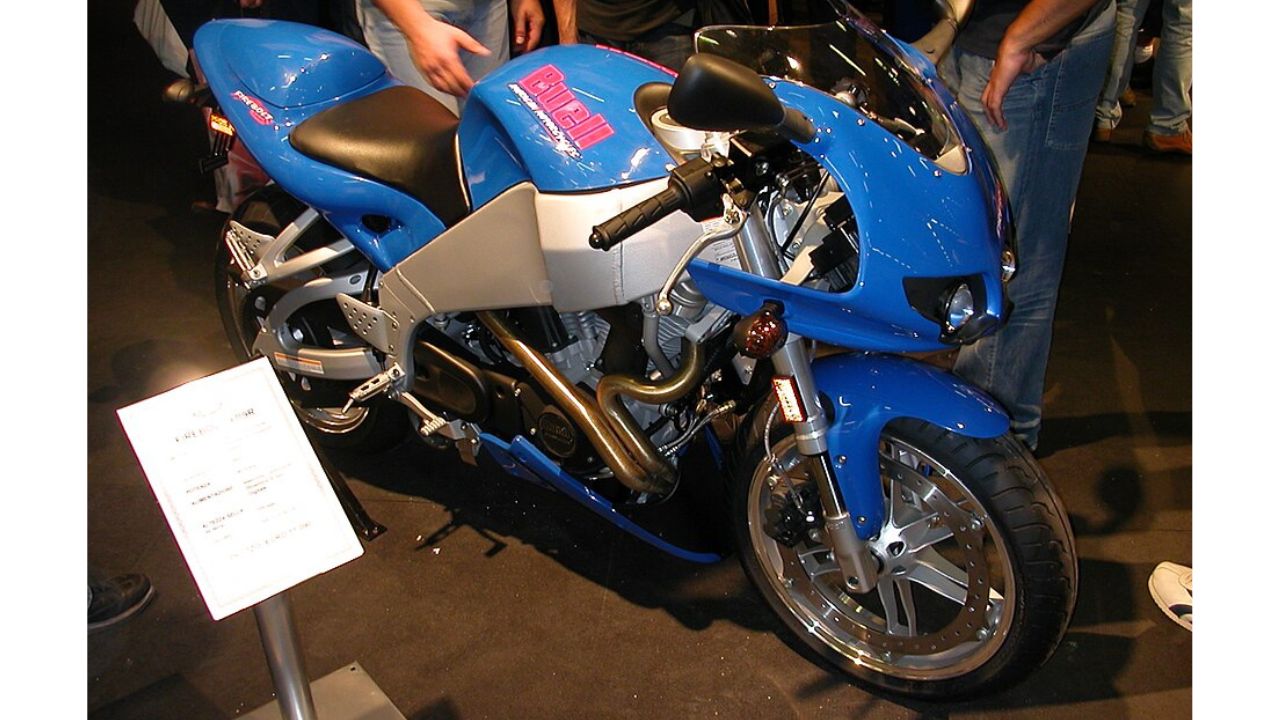
The Buell XB9R Firebolt introduced several innovative ideas into American sportbike design. Its fuel stored inside the frame, engine oil stored in the swingarm, and perimeter front brake were unusual solutions that reduced clutter and helped centralize mass. The compact V-twin engine also gave the motorcycle a distinctive power delivery. The Firebolt demonstrated how unconventional packaging could create a highly focused sportbike.
Buell XB12S Lightning
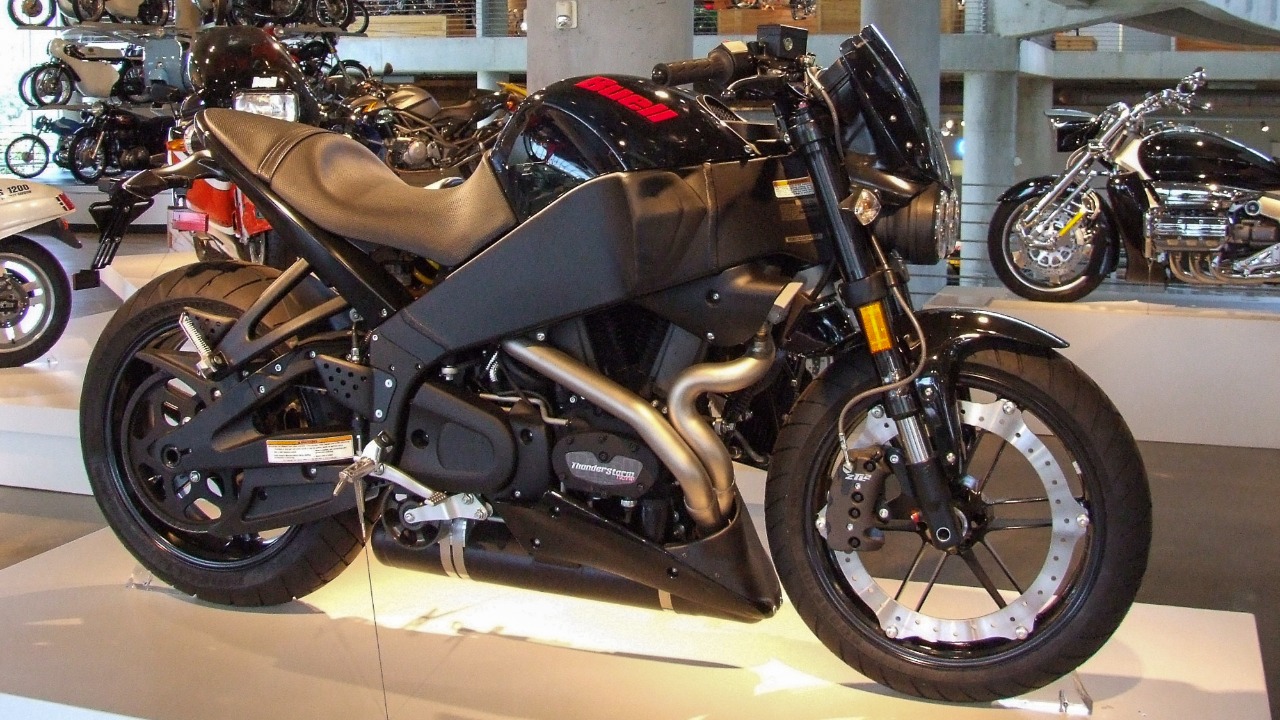
The Buell XB12S Lightning pushed the company’s minimalist performance philosophy further. Its short wheelbase, low weight, compact dimensions, and large V-twin created a distinctive combination of torque and agility. The motorcycle’s frame and swingarm served unconventional functions for fluid storage, while the perimeter brake reduced unsprung mass. Its engineering approach was radically different from conventional American motorcycles.
Confederate Wraith
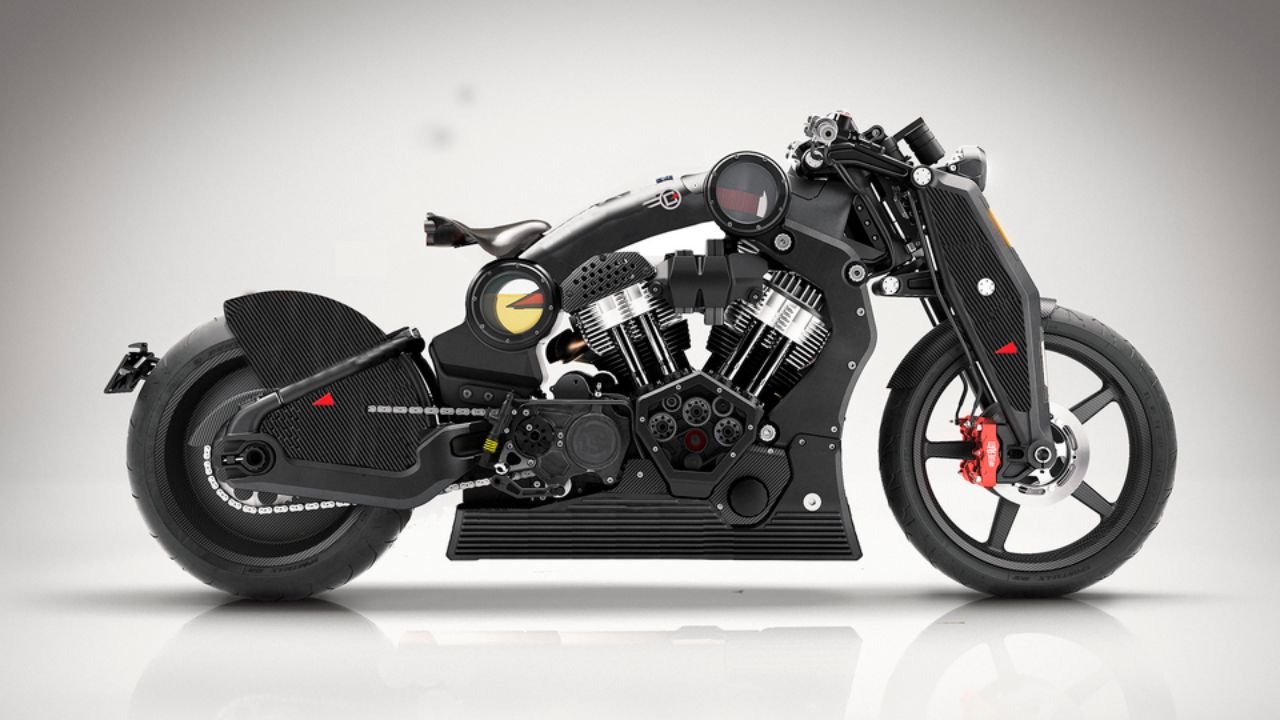
The Confederate Wraith used exposed mechanical components and unconventional construction to create a motorcycle that looked more like mechanical artwork than a traditional cruiser. Its lightweight carbon-fiber structure and large V-twin engine gave it an unusual combination of performance and visual simplicity. The Wraith demonstrated an early interest in combining exotic materials with American motorcycle design.
Buell XB12X Ulysses
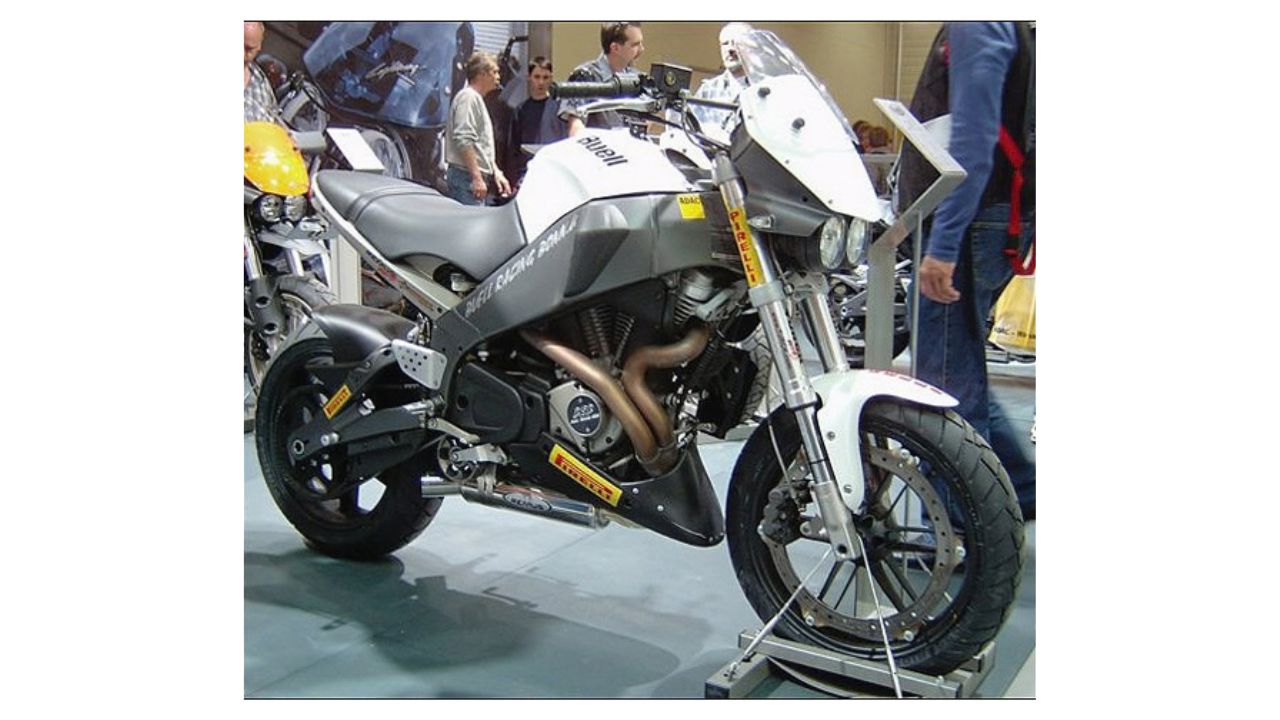
The Buell XB12X Ulysses took the American V-twin into the adventure-touring category. It combined a long-travel suspension, upright riding position, large fuel capacity, and the compact Buell chassis concept with a Harley-Davidson-derived engine. Its unusual design made it difficult to classify as either a conventional sportbike or cruiser. The Ulysses demonstrated that American motorcycle engineering could explore categories far outside traditional touring and cruising.
More from Fast Lane Only
- Unboxing the WWII Jeep in a Crate
- 15 rare Chevys collectors are quietly buying
- 10 underrated V8s still worth hunting down
- Police notice this before you even roll window down
*Research for this article included AI assistance, with all final content reviewed by human editors.