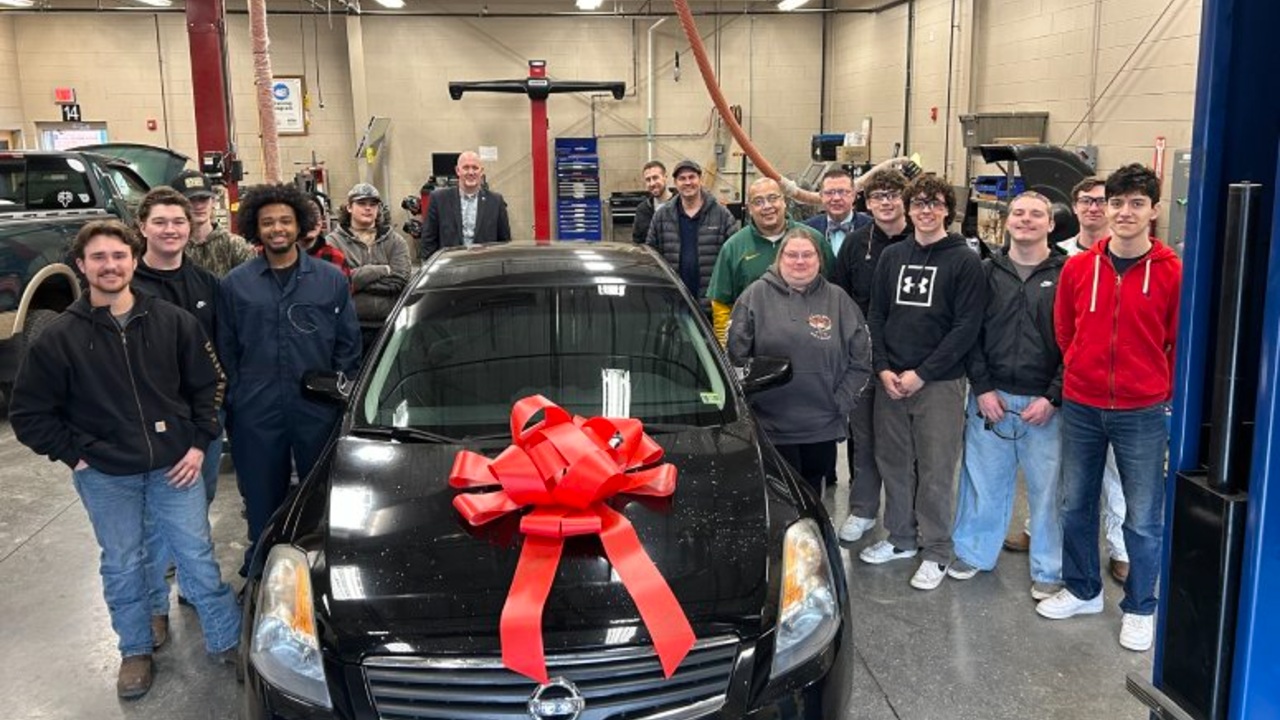
In central Virginia, a group of teenagers is quietly reshaping what a high school auto shop can mean for a community. Instead of just learning to change oil or swap brake pads, students are rebuilding donated cars and handing the keys to single mothers who have been living one breakdown away from crisis. The result is a rare combination of technical training and social support that turns old sedans into lifelines.
The program has grown from a classroom experiment into a coordinated effort that links schools, a local nonprofit, and donors across the region. For the students, each project car is a rolling final exam. For the women who drive away in those refurbished vehicles, it is often the first time in years that daily life feels predictable.
From Classroom Project to Community Lifeline
The heart of the effort sits in Virginia high school auto bays, where students spend months transforming donated vehicles into safe, dependable transportation for single mothers. At Louisa County High School in Mineral, Virginia, students in the automotive program have taken on full rebuilds, stripping down aging cars, diagnosing chronic issues, and methodically bringing them back to reliable condition before presenting them to families in need. Similar work is underway at Staunton High School in Virginia, where automotive students, under their teacher’s guidance, are using their skills to support local parents who have struggled to keep older vehicles on the road.
These projects are not quick cosmetic touchups. Students at Louisa County High School and at Staunton High School commit to several months of work on each car, learning to troubleshoot electrical problems, repair engines, and address safety issues that would otherwise sideline a vehicle. In Virginia, high school students are described as repairing donated cars and giving them free of charge to families who have no realistic way to afford a major repair bill or a replacement vehicle. The cars are then gifted outright, with no payments attached, turning what might have been scrap metal into a crucial tool for stability.
How Giving Words Connects Donors, Classrooms, and Single Moms
The link between the school garages and the families who receive the cars is a local nonprofit called Giving Words. Founded to support single mothers, Giving Words focuses heavily on transportation, recognizing that a working car often determines whether a parent can hold a job, reach child care, or attend medical appointments. The organization partners with high school automotive programs in Virginia, including the one at Louisa County High School, to match donated vehicles with mothers who have been carefully vetted for need and readiness to maintain a car.
Giving Words coordinates a steady flow of donated vehicles from individuals and automotive businesses, then works with teachers and students to decide which cars can be feasibly restored. The nonprofit also helps cover parts and specialized repairs that go beyond what students can handle in class, ensuring that each finished car is not only functional but safe. In coverage of the program, Giving Words is described as the central partner that makes the giveaway possible, connecting donors, school auto shops, and single mothers into a single pipeline of support. Founder Giving Words Eddie Brown has appeared alongside recipients such as Jessica Radar to explain how a simple transfer of keys can ripple through a family’s finances and emotional well-being.
Inside the Auto Shop: Real-World Skills With Real Stakes
For the students, the program turns an elective into a high-stakes, real-world lab. At Louisa County High School, students are not just practicing on training engines or classroom mockups. They are diagnosing real problems on donated vehicles, from worn-out suspensions to failing transmissions, and then deciding which repairs are essential to make the car safe for a parent and children. At Staunton High School, automotive students are similarly immersed in full vehicle refurbishments, guided by an instructor who treats each project as a professional job rather than a school assignment.
Reports from Virginia describe teenagers spending months repairing and refurbishing cars far beyond the typical curriculum, learning to coordinate parts orders, manage time, and communicate as a shop team. They gain experience with modern diagnostic tools, learn to interpret service manuals, and see how a misstep in the bay could affect a family’s ability to get to work the next morning. In Virginia, students are said to be learning “real skills” as they fix old cars and then give them away, a phrase that captures both the technical depth and the moral weight of the work. The classroom becomes a place where torque specs and alignment angles sit alongside conversations about responsibility and trust.
What a Reliable Car Means for Single Mothers
The impact on recipients is immediate and often emotional. In one widely shared moment, single mother Jessica Rader wiped tears from her eyes as she received a refurbished car from high school students, a scene that underscored how precarious life can be without reliable transportation. For parents like Rader, a dependable vehicle is not a luxury but the difference between keeping a job and losing it, between making a medical appointment and canceling it, between saying yes to a child’s activity and apologizing yet again for not having a ride.
Single mothers supported by Giving Words often arrive at the program after years of juggling failing cars, costly short-term fixes, and rides cobbled together from friends or public options that do not match their work schedules. In Virginia, accounts of the program describe the cars as providing families “greater freedom and opportunity,” language that reflects how a working vehicle can expand the radius of possible jobs, schools, and services. When a mother receives a car that has been carefully inspected and repaired by students and their instructors, she gains not only transportation but also a measure of dignity and control over her daily life.
A Model Spreading Across Virginia’s Schools
What began as a local partnership has started to look like a template for other communities. In Virginia, high school students at Louisa County High School and Staunton High School are both highlighted for repairing donated cars and giving them free of charge to single mothers, suggesting that the concept is no longer confined to a single campus. Social media posts and local coverage describe multiple schools where teens are “making a difference in their community” by turning their passion for cars into a lifeline for parents who have been left out of traditional safety nets.
The program’s growth reflects a broader shift in how career and technical education is viewed. Instead of being seen as a track apart from academic success, automotive classes in Virginia are being recognized as engines of community service and character development. In Virginia, descriptions of students at Staunton High School and Louisa County High School emphasize that they are not only learning a trade but also rebuilding lives, a phrase that captures the dual benefit of the work. As more schools and donors take notice, the sight of teenagers handing keys to single mothers in a high school parking lot may become a familiar, and quietly transformative, part of public education in the state.
More from Fast Lane Only