High-Occupancy Vehicle (HOV) lanes, also known as carpool lanes, are designed to reduce traffic congestion and promote the use of shared transportation. However, understanding who qualifies to use these lanes can be confusing due to varying rules and exceptions. This article aims to clarify the general guidelines and specific criteria that determine eligibility for HOV lane usage.
Understanding HOV Lane Basics
HOV lanes are designated traffic lanes reserved for vehicles with a minimum number of occupants. Typically marked with a diamond symbol, these lanes are intended to encourage carpooling by offering a faster travel option for vehicles with multiple passengers. The primary goal is to reduce the number of single-occupancy vehicles on the road, thereby decreasing overall traffic congestion and lowering vehicle emissions.
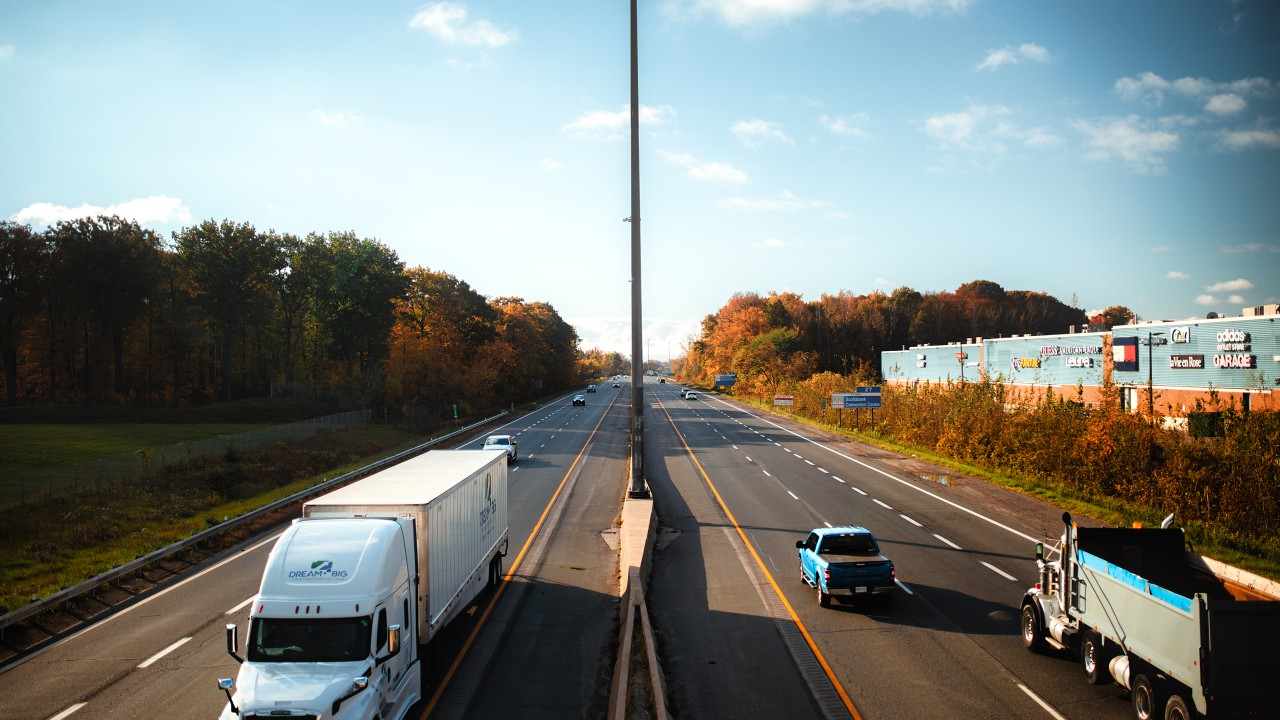
The benefits of HOV lanes extend beyond just reducing traffic. For commuters, using an HOV lane can lead to shorter travel times and potentially lower fuel costs, as carpooling reduces the number of vehicles on the road. Environmentally, fewer cars mean reduced pollution levels, contributing positively to air quality. HOV lanes are commonly found on highways in metropolitan areas and are often located on the leftmost lane of the roadway.
Standard Qualification Criteria
The minimum occupancy requirement for HOV lanes typically ranges from two to three occupants per vehicle, depending on the region and specific lane regulations. This means that cars with at least two people, including the driver, can legally use these lanes. In some areas, the occupancy requirement may be higher during peak traffic hours to maximize lane efficiency.
In addition to carpools, certain types of vehicles are generally permitted to use HOV lanes regardless of the number of occupants. These include buses, which naturally carry more passengers, and vanpools, which are organized groups of commuters sharing a ride in a single vehicle. Time restrictions can also play a role in lane eligibility; for example, some HOV lanes are only in effect during morning and evening rush hours, while others may operate 24/7.
Special Exceptions and Permits
One special exception to standard HOV lane rules involves Clean Air Vehicle (CAV) decals. These decals are issued to qualifying low-emission vehicles, such as electric cars or hybrid models, allowing them to use HOV lanes even with a single occupant. The eligibility criteria for CAV decals vary by state, with some requiring specific vehicle models or adherence to stringent emission standards.
Motorcycles are another exception, as they are often allowed in HOV lanes regardless of the number of passengers. This is due to their small size and minimal impact on traffic flow. Additionally, during specific conditions such as major roadwork or large events, temporary permits might be issued to solo drivers, enabling them to utilize HOV lanes to alleviate congestion.

State-by-State Variations
HOV lane rules can vary significantly across different states or regions, making it crucial for drivers to be familiar with local regulations. For instance, in California, single-occupant vehicles displaying a valid CAV decal can use HOV lanes, while in New York, different rules apply depending on the specific highway or bridge. These differences often reflect local priorities and traffic conditions, as well as environmental goals.
Local legislation plays a critical role in determining HOV lane enforcement and compliance. States may have varying penalties for violations, different criteria for CAV decals, and unique approaches to monitoring lane usage. To stay informed, drivers can access resources such as state transportation department websites or local government portals, which provide up-to-date information on HOV lane regulations in specific areas.
Enforcement and Penalties
Authorities use several methods to monitor and enforce HOV lane compliance. These can include manual observation by traffic officers, as well as the use of cameras and electronic sensors to detect violations. Some areas may employ advanced technology like infrared sensors or license plate recognition systems to ensure that only eligible vehicles use HOV lanes.
Penalties for unauthorized HOV lane usage can be substantial, often involving fines that increase with repeat offenses. In some states, fines can start at $100 for a first-time violation and escalate from there. To avoid these penalties, drivers should be aware of the specific rules governing HOV lane usage in their area and ensure their vehicle meets the necessary qualifications. Resources such as local DMV websites or mobile apps like Waze can provide real-time information and alerts about HOV lane restrictions, helping drivers to stay compliant and avoid costly mistakes.