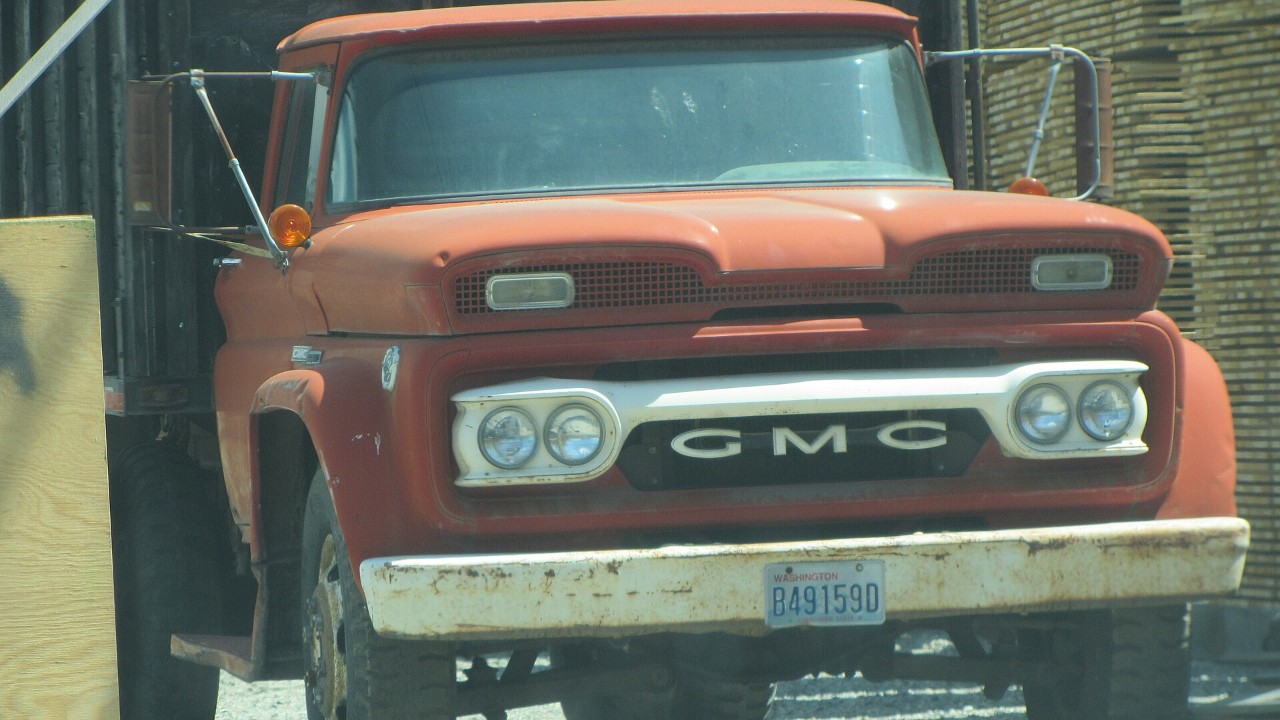
Many drivers are surprised to discover that towing and trailer regulations can vary significantly from one region to another, often resulting in unexpected fines or complications. Understanding these laws is crucial for ensuring safe and legal towing practices. This exploration delves into some of the most surprising towing and trailer laws that can catch drivers off guard.
Understanding Weight Limits and Towing Capacities
One of the most crucial aspects of towing is understanding your vehicle’s specific towing capacity. Many drivers are unaware that towing capacities are not universal and can vary significantly even among similar vehicle models. For instance, the 2023 Ford F-150 has a towing capacity that ranges from 8,200 to 14,000 pounds, depending on the configuration and engine type. Ignoring these specifications can lead to illegal towing practices and potential safety hazards. Exceeding the towing capacity can strain the vehicle’s engine and transmission, leading to mechanical failures and accidents.
The Gross Vehicle Weight Rating (GVWR) is another critical factor that many overlook. The GVWR includes the weight of the vehicle itself, passengers, cargo, and the towed trailer. Exceeding this rating is illegal and can result in hefty fines and increased safety risks. For example, if a vehicle’s GVWR is 10,000 pounds and the combined weight of the vehicle and trailer exceeds this limit, the driver could face penalties. Moreover, towing beyond the GVWR can cause instability, making the vehicle harder to control and increasing the likelihood of a rollover.
Additionally, proper trailer weight distribution is vital for maintaining legal compliance and ensuring safe towing practices. A poorly balanced trailer can lead to sway, which affects vehicle control and increases the risk of accidents. Regulations often require that a certain percentage of the trailer’s weight be placed over the trailer tongue, typically around 10 to 15 percent, to minimize sway and maintain stability. Drivers should regularly check and adjust the load to adhere to these guidelines, ensuring both safety and compliance with the law.
Licensing and Permit Requirements
Licensing requirements for towing can vary significantly depending on the region. In the United States, for instance, some states require drivers to hold a Commercial Driver’s License (CDL) if they tow a trailer that exceeds a certain weight. California mandates a CDL for towing trailers over 10,000 pounds, while Florida may require an additional endorsement for similar loads. Such variations can catch drivers by surprise, especially those crossing state lines without realizing the different regulations.
Special permits might also be necessary for towing oversized or overweight loads. These permits ensure that the vehicle and trailer meet specific safety standards and can travel on designated routes. In some states, permits are required for trailers exceeding a certain width, often 8.5 feet, or height, typically 13.5 feet. Failure to obtain these permits can result in significant fines and even the impounding of the vehicle and trailer. Drivers should familiarize themselves with the permit requirements of any state or country they plan to travel through to avoid these issues.
The purpose of your towing activities—whether commercial or personal—affects the licensing and regulations you must follow. Commercial towing often involves more stringent regulations than personal use. For example, a landscaping company towing equipment for business purposes may need to comply with additional regulations, such as maintaining logbooks and adhering to hours-of-service rules. Understanding these distinctions is crucial for legal compliance and avoiding potential penalties.
Safety Equipment and Inspection Regulations
Equipping your trailer with the mandatory safety equipment is not only a legal requirement but also a critical safety measure. Trailers must be outfitted with functioning brake systems, lights, and mirrors. In some regions, trailers over a specific weight—often 3,000 pounds—must have independent braking systems. Additionally, all lights, including brake lights, turn signals, and tail lights, must be operational to ensure visibility to other drivers. Surprisingly, these requirements are frequently overlooked, leading to unsafe towing conditions and potential fines.
Regular inspections of trailers are mandated in several jurisdictions to ensure ongoing compliance with safety standards. These inspections typically cover aspects such as the condition of tires, brakes, and lighting systems. In states like Pennsylvania, trailers over 3,000 pounds must undergo annual safety inspections. Failing to comply with inspection requirements can result in fines and render the trailer unfit for road use. Periodic inspections help identify and rectify potential safety issues before they lead to accidents or legal problems.
Breakaway systems and safety chains also play a significant role in towing safety and compliance. A breakaway system is designed to automatically apply the trailer brakes if it becomes detached from the towing vehicle, preventing runaway trailers. Safety chains are required in many regions as an additional safeguard to keep the trailer connected to the towing vehicle. Understanding and adhering to these requirements is vital for safe towing practices and avoiding legal repercussions.

Insurance and Liability Concerns
When it comes to towing, insurance coverage can be a complex and often misunderstood area. Many drivers assume their standard auto insurance covers all aspects of towing, but this may not always be the case. There can be significant gaps in coverage, particularly when it comes to liability for the towed vehicle or trailer. For example, some policies might not cover damage to the trailer or its contents, leaving drivers financially vulnerable in the event of an accident or theft.
Liability issues in accidents involving trailers can be intricate, with fault and responsibility sometimes challenging to determine. An accident caused by a trailer detaching from the towing vehicle could result in the driver being held liable for any resulting damages or injuries. Understanding how your insurance policy addresses trailer-related incidents is critical to ensuring adequate protection and avoiding unexpected financial burdens.
To mitigate these risks, it is essential to thoroughly review your insurance policy and consider additional coverage options for towing activities. Some insurers offer specific endorsements or standalone policies for trailers, providing comprehensive coverage for both the trailer and its contents. Ensuring that your policy adequately addresses your towing needs can prevent costly surprises and provide peace of mind when towing.
Regional Variations and Their Implications
Towing laws can differ dramatically between neighboring states or countries, creating a complex legal landscape for drivers. For instance, while European Union countries generally adhere to standardized regulations, specific rules can vary by country. In the United States, towing regulations can differ between states like Texas and Oklahoma, affecting weight limits, equipment requirements, and licensing. Drivers must be aware of these differences when planning trips that cross borders to ensure compliance with local laws.
Some regions impose seasonal or temporary laws that affect towing practices. For example, during certain times of the year, such as holiday seasons or during events like state fairs, additional restrictions or permits may be required for towing. These temporary regulations are often implemented to manage traffic flow and ensure safety during times of increased road usage. Drivers should stay informed about any seasonal laws that may impact their travel plans to avoid penalties and ensure safe towing practices.
The interplay between federal and local regulations adds another layer of complexity to towing laws. In the United States, federal regulations might set baseline standards for commercial towing, but local ordinances can impose additional requirements. Understanding how these different sets of regulations interact is essential for compliance. Staying informed about both federal and local laws ensures that drivers can navigate the legal landscape effectively, avoiding fines and legal issues while ensuring safe towing practices.