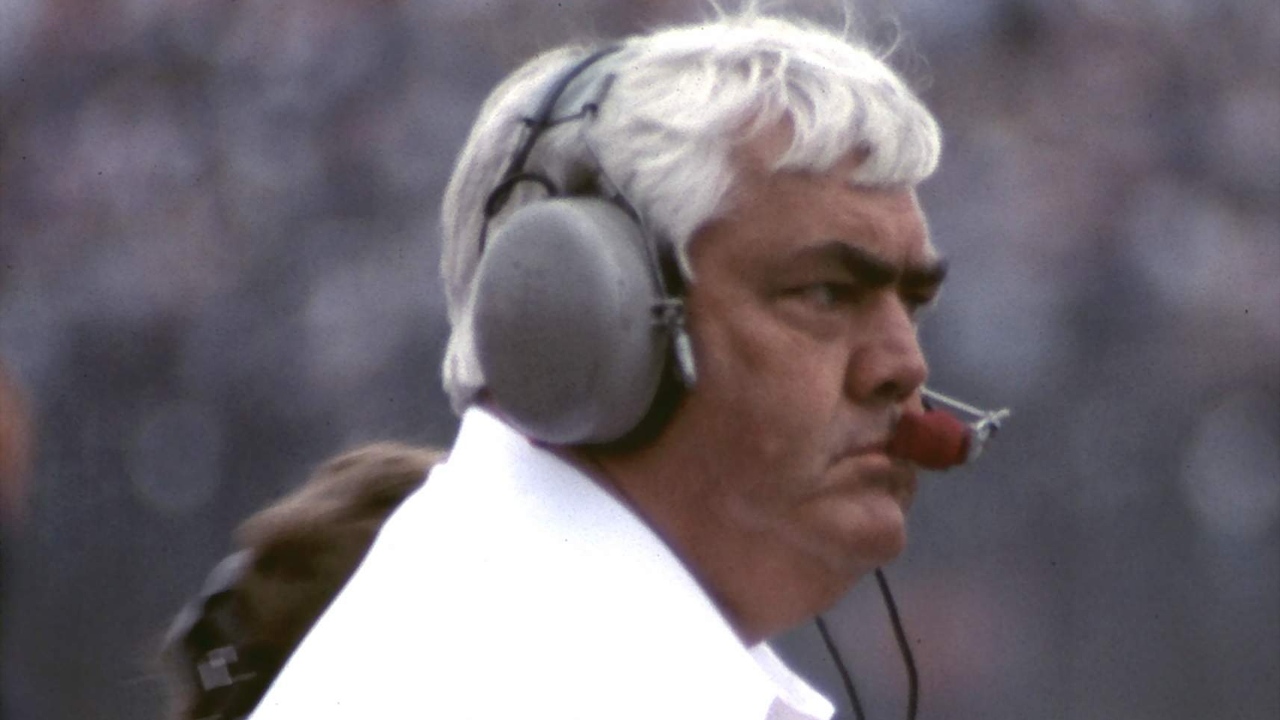
NASCAR has a long memory, and few stories capture its tangled roots in rural crime and national politics like the saga of Hall of Famer Junior Johnson. Johnson did his time first, then, decades later, received a symbolic act of forgiveness from the White House that cleared his record but did not open a prison door. His journey from convicted moonshiner to pardoned legend shows how a sport born in the shadows ended up embraced by the American establishment.
To understand why that distinction matters, I need to trace how Johnson’s early life in the North Carolina foothills led to a federal conviction, how his racing career turned him into a national figure, and why United States President Ronald Reagan eventually stepped in. The pardon did not spring him from a cell, but it did rewrite the official story of a man whose reputation had already been transformed on the track.
From barbed wire and back roads to a federal conviction
Long before he was a NASCAR champion, Junior grew up in a world where running illegal liquor was part of the local economy and culture. As a young man, he was directly involved in operating his family’s still, a risky business that mixed routine labor with the constant threat of federal raids. During one of those crackdowns, Junior was caught while firing up his father’s still and, in the chaos of trying to escape, became entangled in a barbed wire fence, a vivid detail that underlines how physical and dangerous that life was. That failed flight did not just leave scars, it helped set up the federal case that would follow.
The government eventually secured a conviction that sent him to prison on charges tied to that moonshine operation. He served his sentence and was released, carrying a federal felony on his record that would shadow him for years even as his public image changed. The key point, often blurred in retellings, is that his incarceration ended long before any presidential intervention. The later pardon did not shorten his time behind bars or trigger his release, it came roughly three decades after his conviction and was aimed at clearing the legal stain that followed him into middle age.
How a moonshiner became a NASCAR icon
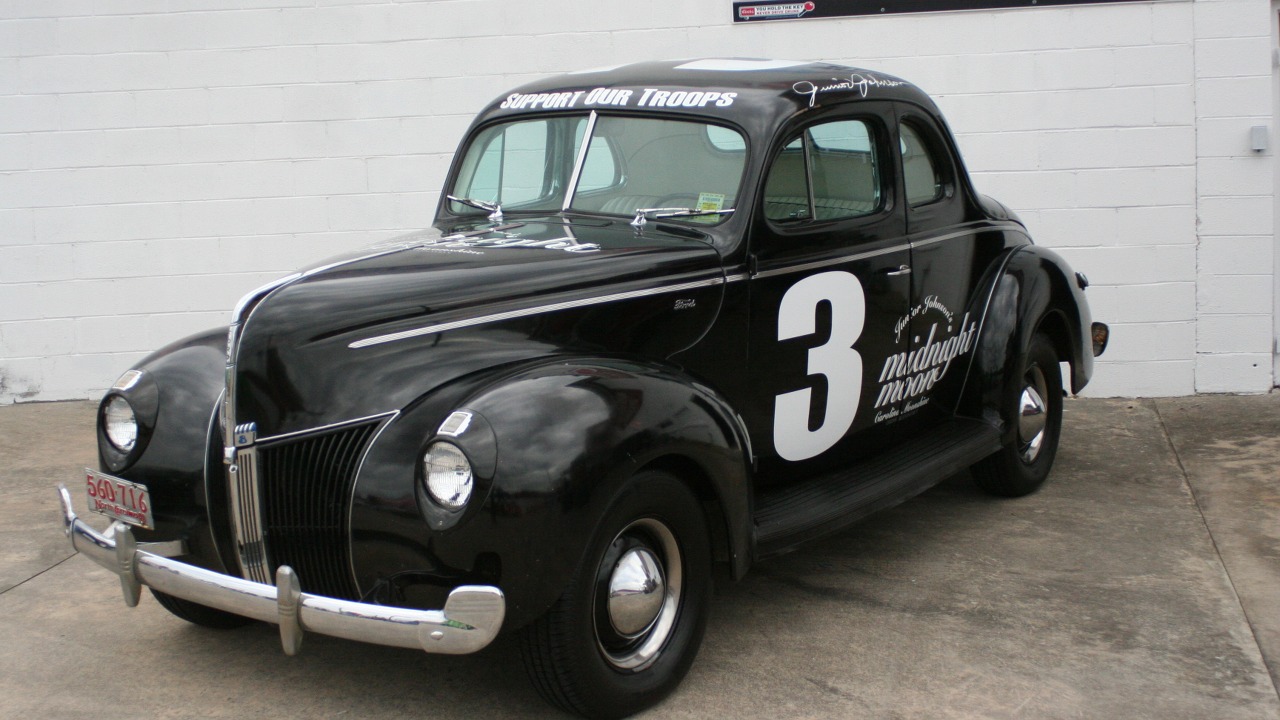
By the time the federal system finished with him, Johnson was already on his way to becoming one of the defining figures of stock car racing. He turned the skills he had honed on twisting mountain roads into a professional career, piloting heavy stock cars at speeds that made his old liquor runs look almost tame. His NASCAR career spanned years of intense competition, and he built a reputation as both a fearless driver and a sharp mechanical mind, eventually earning a place as a team owner as well as a racer. That dual role helped cement his status as a central architect of modern NASCAR.
Johnson’s background in moonshine hauling was not just a colorful footnote; it shaped how he approached racing and how fans saw him. He openly acknowledged that hauling illegal liquor could pay roughly twice what he could make running NASCAR in the early days, a reminder that the sport’s pioneers were not chasing corporate sponsorships so much as trying to make a living with the skills they had. Over time, his success on the track and in the garage overshadowed his criminal record, culminating in his induction into the NASCAR Hall of Fame in 2010.
What Reagan’s pardon actually did
Years after Johnson had left prison and long after he had become a household name in racing circles, his case drew the attention of the Oval Office. United States President Ronald Reagan eventually granted him a presidential pardon, an act that formally forgave his federal conviction and restored certain civil rights that a felony can limit. Crucially, this decision came about three decades after the original conviction, at a time when Johnson was already a retired driver and respected team owner. The pardon did not unlock a cell door or commute an active sentence, it functioned as a legal eraser on a record that had been clean of new offenses for years, as detailed in coverage of United States President Ronald Reagan and Johnson.
In practical terms, the pardon meant that the federal government no longer treated Johnson as a convicted felon, which could affect everything from his ability to serve on certain boards to how he was viewed in official histories. Symbolically, it was even more powerful. A president associated with a tough-on-crime image was publicly recognizing that a man once jailed for moonshining had become a model citizen and cultural figure. That gesture reframed his story from one of simple lawbreaking to one of redemption, but it did so on paper and in public perception, not by changing the fact that he had already served his time. Historical notes on Junior underscore that the pardon followed, rather than preceded, his release.
The myth of the prison gate pardon
Stories about Johnson often compress his life into a neat arc, from outlaw to champion to man redeemed by a president, and that shorthand can easily slide into the misleading idea that Reagan’s signature literally opened the prison gate. The record shows something more nuanced. Johnson’s release from custody came first, the product of a completed sentence for his role in operating a still. Only after he had built a second life in racing, and after his reputation as a Hall of Famer was secure, did the White House step in to clear his name. Reporting that the pardon arrived roughly three decades after his conviction makes it clear that the two events were separated by years of work and achievement, as documented in accounts of Hall of Famer Junior Johnson.
That timeline matters because it changes how we understand both Johnson and the power of a presidential pardon. Instead of a last-minute rescue, the pardon reads as an official acknowledgment that a man who once tangled with barbed wire while fleeing a raid had long since paid his debt and contributed something lasting to American culture. It also highlights how the law can lag behind lived reality, with a criminal record persisting on paper even as a person’s public life moves on. By separating the myth of a prison-door pardon from the documented sequence of conviction, release, racing success, and eventual clemency, I see a story that is less about instant absolution and more about the slow, complicated process of redemption.
More from Fast Lane Only: