Pickup trucks have long been a staple of the American automotive landscape, valued for their power, durability, and versatility. As the market evolves, more consumers face the choice between traditional gas-powered models and newer hybrid versions. Exploring the reliability differences between these two types of pickup trucks can help potential buyers make informed decisions.
Understanding the Basics of Gas and Hybrid Pickup Trucks
The traditional gas-powered pickup truck has been the backbone of the industry for decades, characterized by its robust internal combustion engine (ICE). This type of engine operates by burning fuel within the engine itself, which then powers the vehicle. Models like the 2022 Ford F-150 are perfect examples of trucks that have maintained a reputation for reliability due to their straightforward mechanical design. These trucks are typically equipped with components such as pistons, crankshafts, and spark plugs, which are relatively easy to maintain and repair.
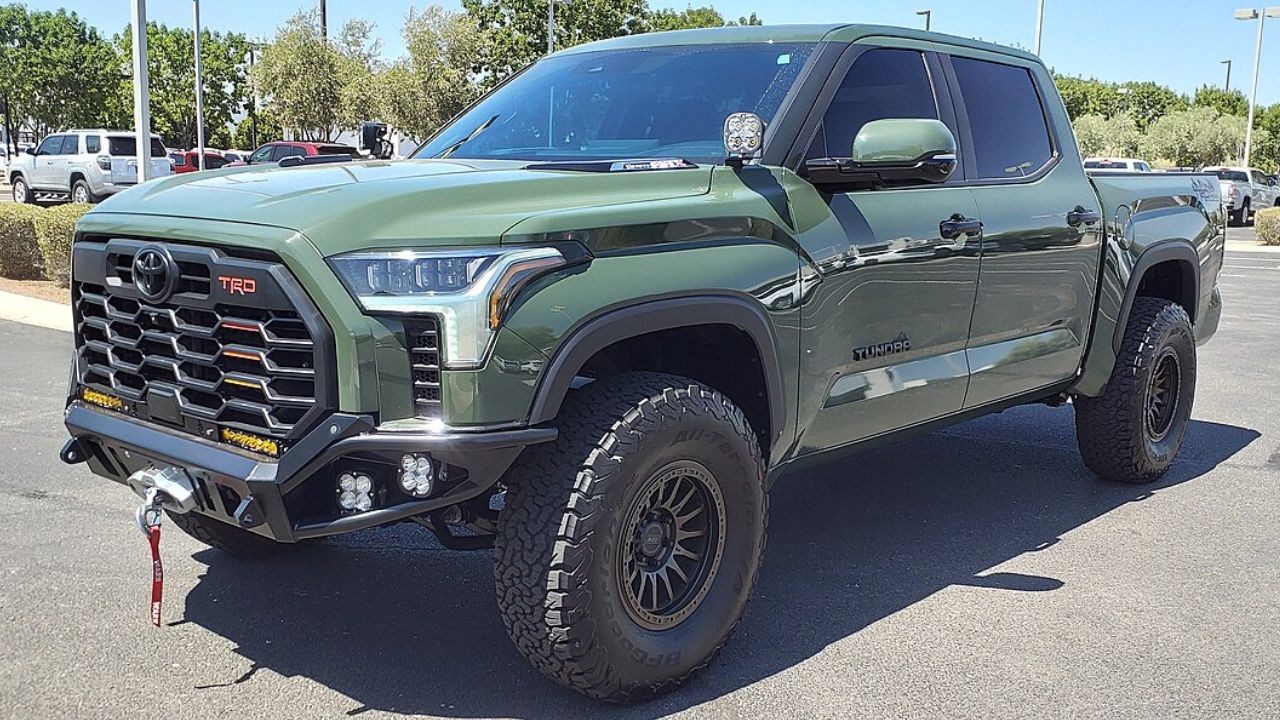
In contrast, hybrid pickup trucks integrate both an electric motor and a traditional gas engine, striving to offer better fuel efficiency without compromising on power. The 2023 Toyota Tundra Hybrid exemplifies this approach, combining the efficiency of electric power with the proven reliability of a gas engine. However, the presence of an electric motor, battery pack, and complex electronics introduces new variables in terms of reliability, often requiring specialized knowledge for maintenance and repair.
Market trends show a growing interest in hybrid trucks, driven by increasing fuel costs and environmental concerns. Consumers are weighing the benefits of reduced fuel consumption against the potential complexity and maintenance challenges of hybrid systems. As hybrid technology continues to evolve, buyer preferences are starting to shift, with many seeking a balance between traditional reliability and modern efficiency.
Reliability Factors in Gas Pickup Trucks
Engine performance and longevity remain strong selling points for gas-powered trucks. The 2021 Chevrolet Silverado, for instance, is known for its durable V8 engines capable of enduring high mileage with regular maintenance. Traditional gas engines typically offer a straightforward design that translates to fewer moving parts and a lower likelihood of mechanical failure. Regular oil changes and timely maintenance contribute significantly to their longevity.
A key advantage of gas trucks is their mechanical simplicity, which often results in easier and more cost-effective repairs. The absence of complex electronic systems means that many issues can be diagnosed and resolved without specialized equipment. For example, the 2020 Ram 1500 is often praised for being relatively easy to work on, encouraging a sense of reliability among owners due to the lower likelihood of unexpected breakdowns.
However, the reliability of gas-powered trucks can be influenced by factors such as fuel quality and usage patterns. Inconsistent fuel quality can lead to engine knocking or reduced efficiency, while heavy towing or off-road driving can accelerate wear and tear. Nonetheless, for those using high-quality fuel and adhering to a regular maintenance schedule, gas trucks generally offer a dependable driving experience.
Reliability Factors in Hybrid Pickup Trucks
The increased complexity of hybrid systems presents both opportunities and challenges when it comes to reliability. Vehicles like the 2024 Ford Maverick Hybrid incorporate advanced powertrain technology that can be more prone to issues if not properly maintained. The integration of electric motors and battery systems into the traditional drivetrain introduces new components that require specialized knowledge and equipment to repair.
One of the primary concerns for hybrid truck owners is battery life and replacement costs. Hybrid batteries are designed to last several years but can be costly to replace once their lifespan ends. While most manufacturers offer warranties covering the battery for a certain period, the prospect of replacement can still be daunting for many buyers, potentially impacting the perceived reliability of hybrid models.

Advancements in technology are continually shaping the landscape of hybrid trucks, with updates and improvements aiming to enhance reliability. The 2026 GMC Sierra EV, for example, showcases cutting-edge battery management systems designed to extend battery life and improve overall efficiency. As technology progresses, the reliability of hybrid trucks is expected to improve, offering consumers more confidence in their long-term value.
Comparative Analysis of Reliability
When evaluating the long-term durability and resale value of gas versus hybrid pickup trucks, it’s essential to consider various factors influencing reliability. Gas models like the 2020 Ford Ranger, with a history of proven engine performance, often maintain a higher resale value due to their established reputation for reliability. In contrast, the resale value of hybrid models can be more volatile, affected by advancements in technology and consumer perceptions of battery longevity.
Manufacturer warranties and support play a crucial role in shaping consumer confidence in both gas and hybrid trucks. Many automakers, such as Toyota with their 2024 Tacoma Hybrid, offer extensive warranties covering key components, including hybrid batteries. These warranties can provide peace of mind to consumers, potentially making hybrid models more appealing despite their complexity.
Consumer reviews and reliability ratings serve as valuable resources for potential buyers, offering insights into real-world experiences with different truck models. For instance, user feedback on car review websites can reveal trends in reliability perceptions, highlighting common issues or praise for specific models. These reviews often reflect the balance between traditional reliability and the allure of hybrid technology.
Making an Informed Decision
Conducting a thorough cost-benefit analysis is crucial when deciding between gas and hybrid pickup trucks. While the initial investment for hybrid models like the 2025 Toyota Tacoma Hybrid may be higher, potential savings on fuel and maintenance can offset the cost over time. On the other hand, gas trucks may offer a lower upfront cost but could incur higher fuel expenses, especially for heavy use.
Environmental and practical considerations also play a significant role in the decision-making process. Hybrid trucks appeal to environmentally conscious consumers aiming to reduce their carbon footprint without sacrificing utility. However, practical factors such as towing capacity and off-road capability might still favor traditional gas models, depending on individual needs and usage scenarios.
Looking to the future, technological developments promise to further impact the reliability of both gas and hybrid pickup trucks. As manufacturers continue to innovate, the gap in reliability between these models is expected to narrow. Staying informed about these advancements will be key for consumers seeking to make the best choice for their lifestyle and driving habits.