The advent of connected apps has revolutionized the automotive experience, transforming the way we interact with our vehicles. These apps offer unprecedented convenience, control, and insights, fundamentally altering traditional car usage. As technology continues to evolve, connected apps are becoming an integral part of the automotive landscape, providing features that enhance safety, efficiency, and overall user experience.
Enhancing Convenience and Control
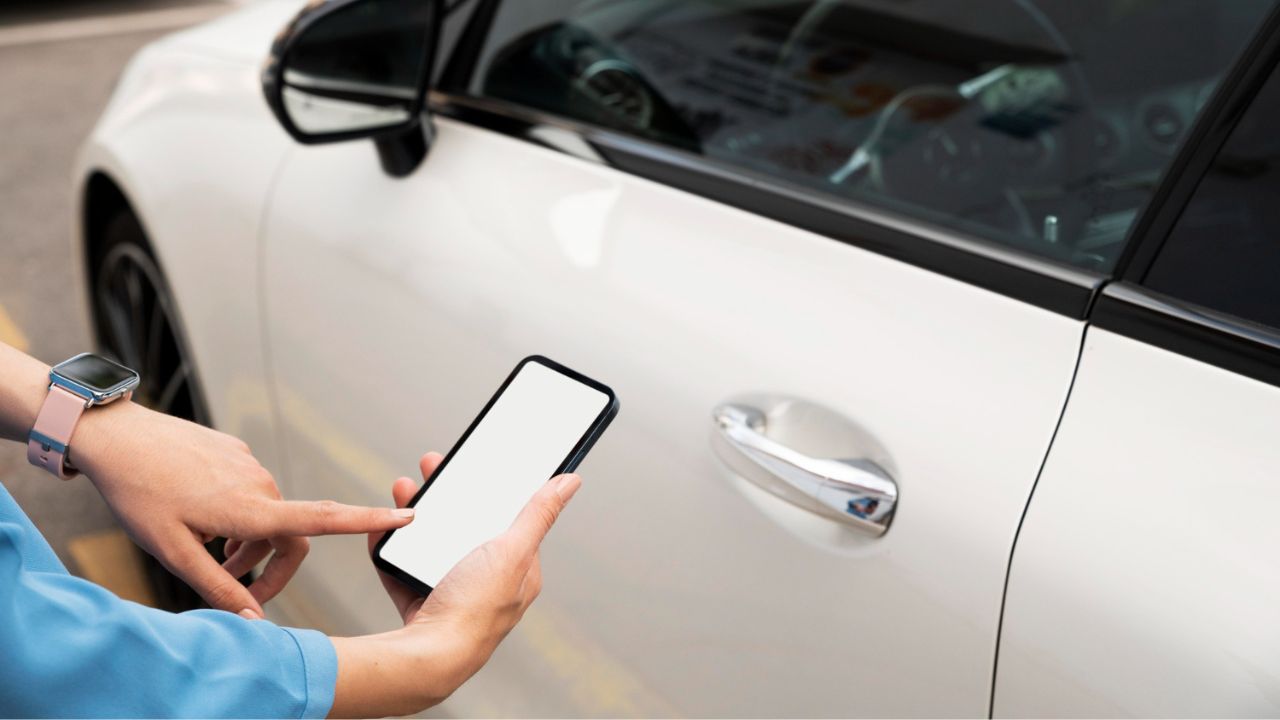
One of the most significant advantages of connected apps is the ability to access and control your car remotely. Apps like the Tesla mobile app allow users to unlock and start their vehicles without needing a key fob. This feature is especially useful in situations where you might have forgotten your keys or need to start your car from a distance to warm it up on a cold morning. Additionally, these apps often provide the capability to adjust climate controls or check fuel levels, ensuring your car is ready when you are.
Scheduling and notifications have also seen a transformation with connected apps. Many manufacturers, such as BMW with their ConnectedDrive app, offer features that let you set reminders for regular maintenance and receive alerts for servicing needs. These apps can notify you about traffic conditions, helping you plan your journey accordingly and suggesting optimal departure times to avoid congestion. This level of planning and foresight can make everyday commutes and long-distance travel more efficient and less stressful.
Improving Safety and Security
Safety and security have always been top priorities for car owners, and connected apps significantly enhance these aspects. Real-time monitoring features allow you to track your vehicle’s location and receive alerts if it moves without authorization. Apps like FordPass provide this functionality, giving you peace of mind when leaving your car parked in unfamiliar areas. Furthermore, these apps can monitor driving habits, offering feedback to promote safer driving practices, potentially reducing the risk of accidents.
In emergencies, connected apps can be lifesavers. Many, including OnStar for GM vehicles, offer instant connection with roadside assistance or emergency services in the event of an accident. These apps can automate emergency calls, providing your location details to first responders, which can be crucial when every second counts. Such features not only enhance personal safety but also bring comfort to family members knowing that help is just a button press away.
Optimizing Performance and Efficiency
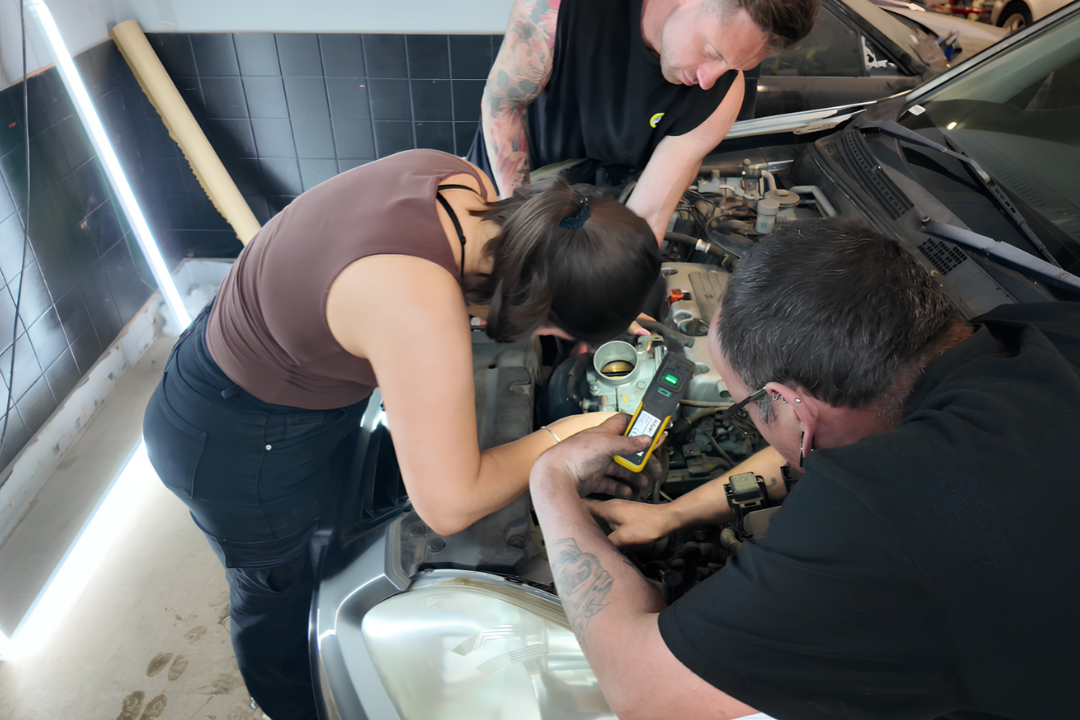
Connected apps play a crucial role in optimizing vehicle performance and efficiency. Diagnostic tools available through apps like myChevrolet offer comprehensive vehicle health reports and diagnostics. By identifying potential issues before they escalate, these apps help prevent costly repairs and ensure your car runs smoothly. This proactive approach to vehicle maintenance is invaluable for prolonging the lifespan of your car.
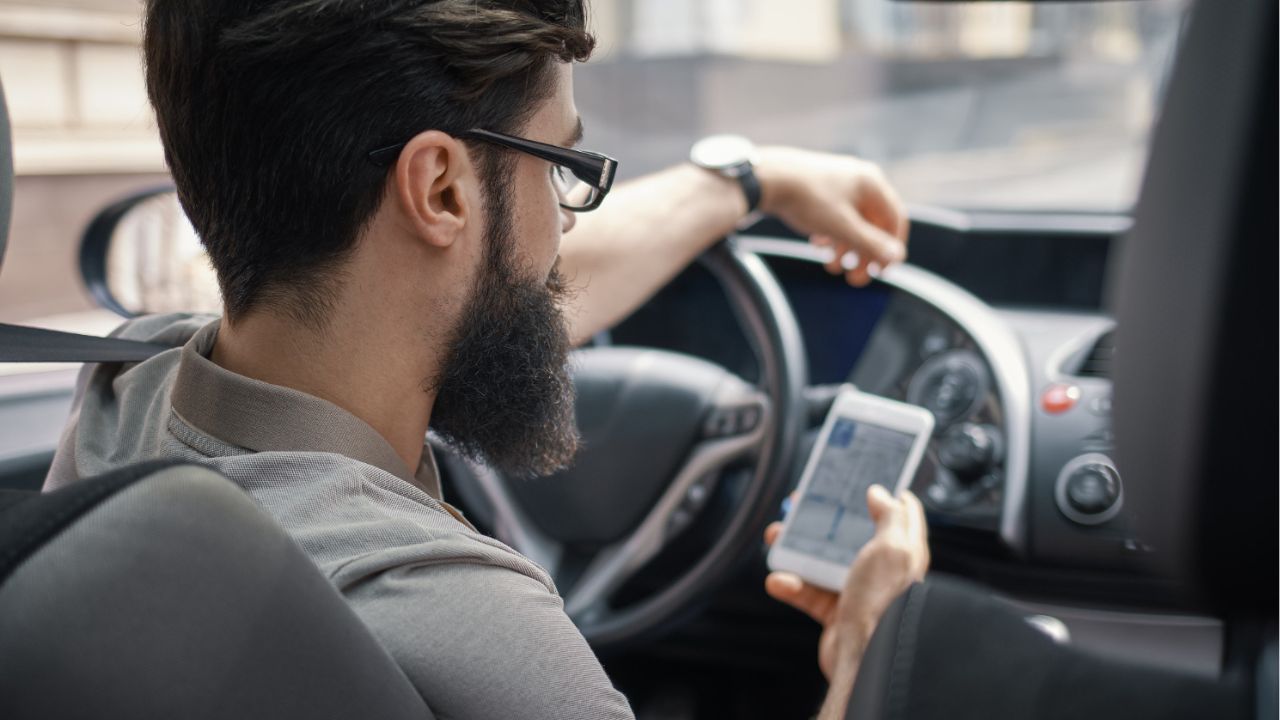
Fuel and energy management have also seen significant improvements with the advent of connected apps. By analyzing fuel consumption patterns, apps can provide insights into how to drive more efficiently, reducing overall fuel costs. For electric vehicle owners, apps such as the NissanConnect EV app allow users to optimize charging schedules to take advantage of lower energy rates, ultimately saving money and reducing environmental impact. This technological advancement offers a smarter way to manage resources, aligning with the growing trend of eco-conscious driving.
Enhancing User Experience and Personalization
The user experience inside a vehicle has been transformed by the personalization options offered by connected apps. Infotainment systems can now be tailored to individual preferences, with apps allowing users to customize dashboard settings, select favorite music playlists, or set preferred navigation routes. For instance, the Mercedes me app permits such personalization, creating a more enjoyable and tailored driving experience.
Furthermore, connected apps facilitate seamless integration with smart home devices. Apps like Hyundai’s Blue Link allow drivers to control home devices directly from their car, such as adjusting the thermostat or opening garage doors. This integration creates a cohesive lifestyle, where your car becomes an extension of your smart home, providing convenience and control at your fingertips.
Connecting to the Broader Ecosystem
Connected apps are not just about individual vehicles; they are part of a broader ecosystem that enhances mobility services and connectivity. For example, apps like Uber and Lyft have revolutionized ride-sharing by offering convenient and efficient alternatives to traditional transportation. Car-sharing services, such as Zipcar, utilize connected apps to allow users to locate and reserve vehicles, making urban mobility more flexible and cost-effective.
Connectivity extends to vehicle-to-vehicle (V2V) communication, which is becoming increasingly important for traffic management and safety. Apps and systems that facilitate V2V communication can share data on road conditions and hazards, enabling cars to anticipate and react to potential issues more effectively. This level of connectivity could significantly reduce traffic congestion and improve road safety, representing a significant step forward in the evolution of smart cities.