In today’s automotive world, infotainment systems play a crucial role in enhancing the driving experience. With a focus on user-friendly interfaces, seamless connectivity, and intuitive design, these systems contribute significantly to driver satisfaction and safety. Some of the standout systems on the market exemplify these qualities, offering both innovation and practicality.
The Importance of User-Friendly Infotainment Systems
A user-friendly infotainment system is vital for enhancing driver focus and safety. Intuitive systems minimize driver distraction by allowing users to access necessary functions with minimal effort. For instance, a well-designed system allows drivers to adjust navigation or change music without taking their eyes off the road for too long. This can significantly reduce the risk of accidents, providing a safer driving environment for everyone on the road.
Moreover, these systems increase overall satisfaction and convenience. A streamlined interface can make routine tasks, such as connecting a smartphone or finding a favorite radio station, quick and hassle-free. This ease of use contributes to a more enjoyable driving experience, which can enhance a driver’s overall satisfaction with their vehicle. Over the years, infotainment technology has evolved significantly, with modern systems offering features such as real-time traffic updates, voice control, and personalized settings, all designed to meet the demands of today’s tech-savvy drivers.
Top Infotainment Systems in the Market
The BMW iDrive System stands out for its user-friendly features and customization options. Known for its rotary controller, iDrive provides an easy way to navigate through menus without the need for touch input, which can be particularly useful while driving. The system is highly customizable, allowing users to personalize the interface to fit their preferences, such as setting shortcuts for frequently used functions. Additionally, the iDrive system integrates seamlessly with smartphones, offering features like Apple CarPlay and Android Auto.
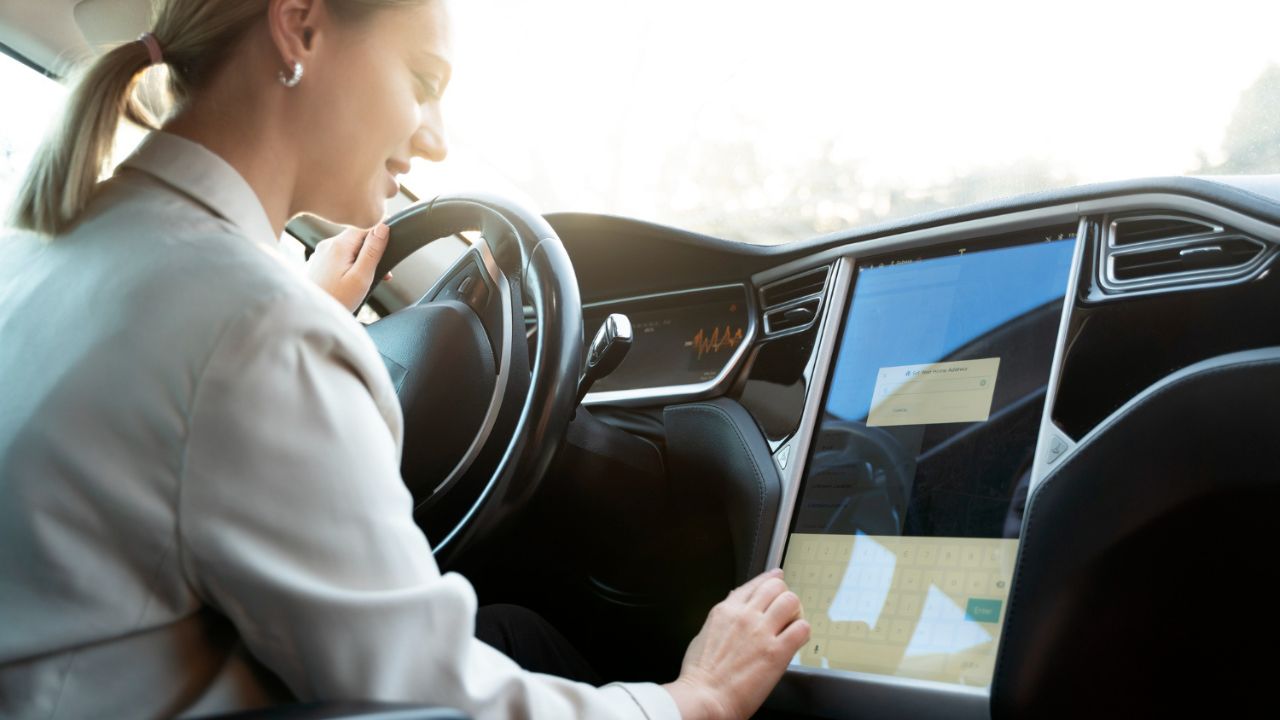
Tesla’s touchscreen interface is celebrated for its simplicity and advanced capabilities. The minimalist design features a large central screen that controls nearly all of the vehicle’s functions, from navigation to climate control. Tesla’s approach reduces the number of physical buttons, which can simplify the user experience. The system is also regularly updated over-the-air, ensuring that users always have access to the latest features and improvements. This capability not only keeps the system fresh but also enhances its long-term usability.
Ford’s SYNC 4 system is another excellent example of ease of use, thanks to its advanced voice recognition and connectivity features. SYNC 4 allows drivers to control various aspects of the vehicle using natural language commands, reducing the need to navigate complex menus. The system also supports wireless Apple CarPlay and Android Auto, ensuring seamless smartphone integration. Additionally, SYNC 4 offers real-time updates for navigation and other services, helping drivers stay informed and connected.
Key Features to Look for in an Infotainment System
When evaluating infotainment systems, intuitive navigation and menu layout are crucial. Systems that provide easy-to-navigate menus and clear display screens can greatly enhance usability. For example, systems with straightforward navigation options and large, legible fonts reduce the cognitive load on drivers, allowing them to focus more on the road.
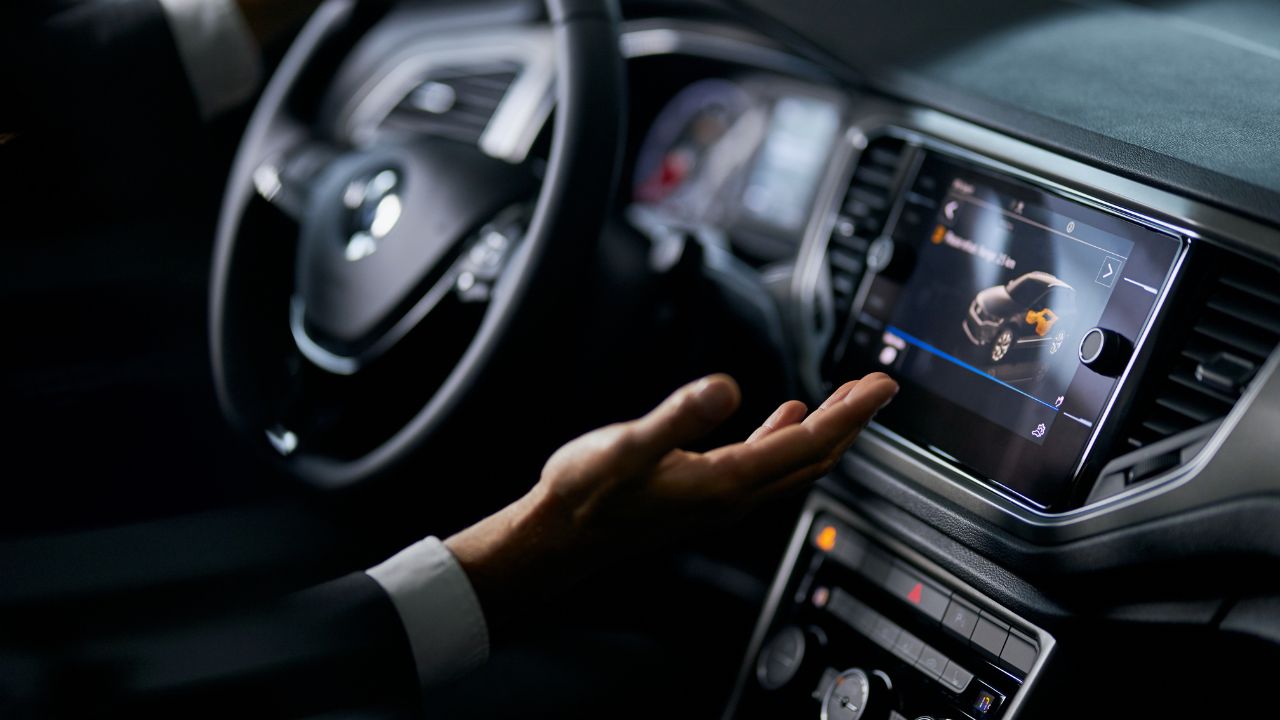
Voice command functionalities are another essential feature to consider. Advanced voice control systems, like those found in SYNC 4 and BMW’s iDrive, allow users to perform tasks without taking their hands off the wheel or eyes off the road. This hands-free operation can include making phone calls, adjusting the climate control, or selecting music, all through simple voice commands.
Connectivity and integration are also vital for a modern infotainment system. Seamless smartphone integration, such as wireless Apple CarPlay or Android Auto, allows users to access their favorite apps and services directly through the car’s interface. This connectivity ensures that drivers can stay connected without compromising safety. Moreover, real-time updates for navigation and traffic can provide added convenience, keeping drivers informed about current road conditions and helping them make timely decisions.
Challenges and Considerations
While modern infotainment systems offer numerous advantages, they also present some challenges, particularly for new users. There can be a learning curve associated with advanced systems, especially those with numerous features and options. New users may need time to become familiar with the system’s interface and capabilities, which can initially detract from the user experience.
Balancing complexity and simplicity is another consideration. While it’s essential for systems to offer advanced features, it’s equally important that they don’t overwhelm users. Striking the right balance ensures that users can take advantage of the system’s full capabilities without becoming frustrated or confused. For instance, systems that offer customization options, like BMW’s iDrive, allow users to tailor the interface to their preferences, helping to mitigate complexity.
Keeping up with technological advancements is also a challenge for both manufacturers and consumers. As technology continues to evolve rapidly, infotainment systems must adapt to incorporate new features without compromising ease of use. This can be particularly challenging for car owners, as they may need to update their systems regularly to keep pace with the latest advancements.
Future Trends in Infotainment Systems
Looking ahead, the integration of AI and machine learning in infotainment systems is poised to enhance the user experience further. AI technology can enable systems to learn from user behavior and preferences, offering more personalized and context-aware suggestions. This could include recommending routes based on historical traffic patterns or automatically adjusting settings for different drivers.
Augmented reality (AR) displays are another exciting trend on the horizon. AR technology has the potential to create more intuitive and interactive infotainment systems by overlaying information on the windshield or other parts of the vehicle. This could include navigation instructions, speed limits, or hazard warnings, all displayed in a way that integrates seamlessly with the driver’s view of the road.
Increased personalization will continue to be a significant trend in infotainment systems. Manufacturers are exploring ways to offer more customized experiences tailored to individual user preferences. This could involve deeper integration with personal devices, such as smartphones and smart home systems, allowing for a more cohesive and personalized driving experience. As infotainment technology evolves, these trends will likely shape the future of in-car entertainment and connectivity, providing even greater value to drivers and passengers alike.