The Chrysler Slant Six did not roar its way into legend with headline horsepower figures or race trophies. Instead, it earned a reputation as one of the toughest engines ever built by starting every morning, surviving abuse that would kill lesser designs, and quietly outliving the muscle car era that surrounded it. From compact sedans to work trucks, this tilted inline six became a benchmark for durability that enthusiasts still cite as virtually indestructible.
Its toughness was not an accident. Engineers at Chrysler Motors created the Chrysler Slant Six as a clean sheet design, tilting the block 30 degrees to solve packaging problems while also unlocking a series of structural and lubrication advantages. Over decades of production, incremental refinements and a conservative approach to power output turned that unconventional layout into a long running workhorse that still inspires loyalty stories today.
From odd idea to everyday workhorse
When Chrysler set out to power its new compact Valiant line, the company did not simply shrink an existing engine. It commissioned a new inline six that would fit under a lower hood line and still deliver the smoothness buyers expected from a six cylinder. The result was the Chrysler Slant Six, an overhead valve engine produced by Chrysler Motors between 1959 and 199, with its cylinders leaned over to one side to shorten overall height and length. Internally known as the G engine and Introduced for 1960 models, it was conceived from the start as a robust, long lived powerplant rather than a short term experiment.
The 30 degree tilt that gave the engine its name also gave it character. Period marketing and later enthusiasts embraced nicknames such as Leaning Tower of Power to describe the diagonally mounted layout that looked almost wrong at first glance but proved remarkably right in service. Within Chrysler, the Slant Six quickly became the default choice for compact and mid size cars like the Valiant and for light trucks, where its smooth torque and unfussy manners mattered more than outright speed. That broad deployment across everyday vehicles set the stage for the engine’s reputation, because it was asked to do hard work in unglamorous roles and rarely failed.
Engineering for longevity, not headlines
The G engine’s toughness began with fundamentals. The basic design was rigid and sturdy, with a deep skirt block and generous bearing surfaces that resisted flexing and wear even under sustained load. Engineers took advantage of the slanted layout to package a long intake manifold and optimize coolant passages, which helped keep temperatures stable and reduced hot spots that can shorten engine life. Over time, Significant production changes, including revised combustion chamber shapes to promote more complete combustion, further improved efficiency and reduced stress on internal components.
Rather than chase the prestige of a Hemi or big block style output, Chrysler kept the Slant Six’s power modest and its operating stresses low. Commentators have noted that the 225 Slant Six was not built to impress with horsepower, it was built to never die, a philosophy that shows in its conservative compression ratios and relaxed redline. The engine’s reputation for reliability and durability grew from this combination of overbuilt structure and under stressed tuning, a contrast to more highly strung performance engines that delivered thrills but often demanded frequent rebuilds.
The tilted layout that changed everything
The defining feature of the Chrysler Slant Six was right in its name. Its distinctive name came from the 30 degree slant of its inline six cylinder block, a design choice that allowed for a lower hood line and more aerodynamic styling at a time when compact cars were becoming central to Detroit’s strategy. By leaning the cylinders, Chrysler could shorten the engine’s overall height and length, which freed designers to create sleeker front ends and improved crash packaging without sacrificing the inherent smoothness of an inline six.
The tilt also delivered practical benefits under the skin. With the engine slanted, there was more room for a long, gently curved intake manifold that improved mixture distribution between cylinders, which in turn supported smoother running and more even combustion. Enthusiasts and former mechanics have pointed out that the Slant layout also left generous space on one side of the bay, making routine service easier and encouraging owners to keep these engines maintained rather than neglected. The Chrysler Slant Six offered a tilted take on the inline six cylinder motor that, at the time, only Mercedes Benz had mastered at a similar angle, underscoring how unusual and forward thinking the configuration was in an American context.
Displacements that favored torque and staying power
Part of the Slant Six legend comes from how many different roles it could fill with only modest changes in displacement. Built in several displacements, 170, 198, and the most famous 225 cubic inches, the Slant Six could be tuned for economy in compact sedans or for pulling power in trucks and vans. The smaller 170 cubic inch version suited early Valiant models and other light duty applications, while the 198 offered a middle ground for drivers who wanted a bit more mid range strength without a major fuel penalty.
The 225 variant, often simply called the 225, became the best known because it struck a near perfect balance between torque and durability. Described by admirers as an engine that was not built to impress with horsepower but to never die, the 225 Slant Six delivered strong low end pull that made everyday driving easy and towing feasible in light trucks. Owners and commentators still describe the 225ci Slant Six as one of the most famous and durable inline six engines ever, a unit that could pull heavy loads and rack up enormous mileages with only basic maintenance. That flexibility across 170, 198, and 225 cubic inches helped cement the engine’s status as a go anywhere, do anything workhorse rather than a niche specialty motor.
A reputation forged in real world abuse
Durability claims mean little without real world proof, and the Slant Six accumulated that proof in abundance. Mechanics, test drivers, and everyday owners have long described the old Mopar slant six as virtually indestructible, with anecdotes of engines that ran smoothly despite neglect, hard use, or both. In enthusiast discussions, it is common to see the Slant Six held up as a benchmark when people debate the greatest gas engines for reliability, often accompanied by stories of cars that outlasted the bodies wrapped around them.
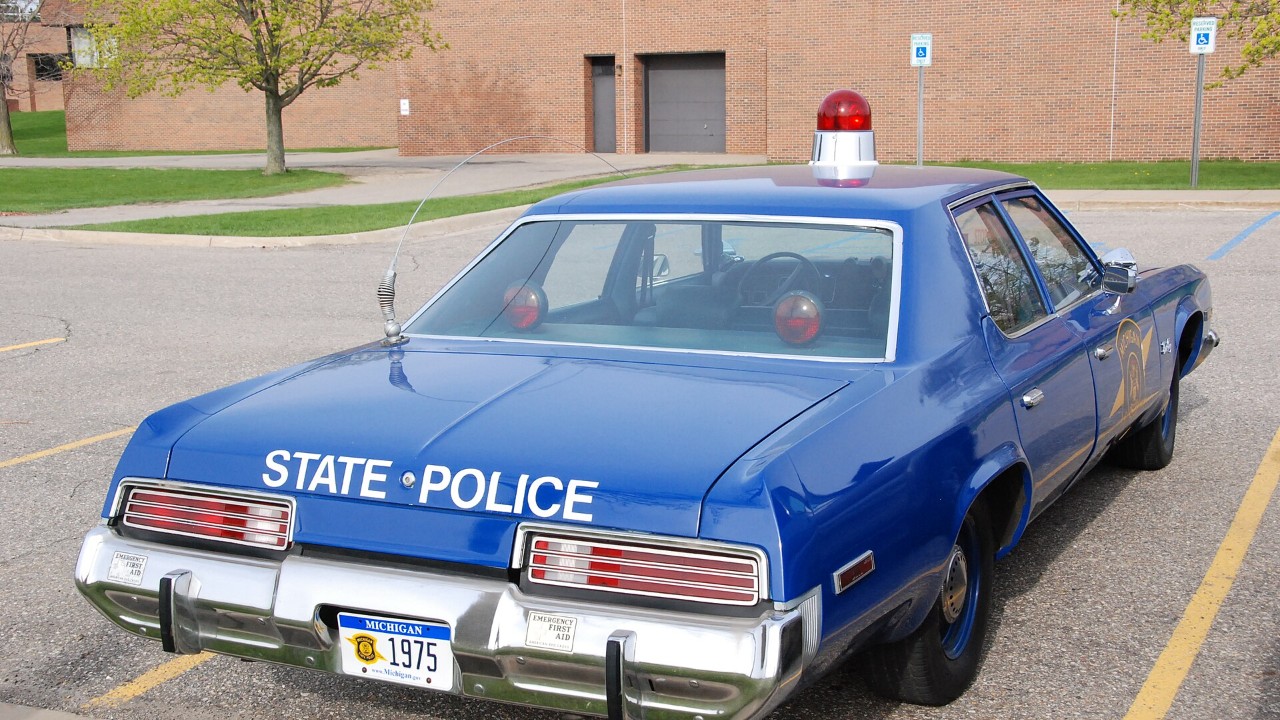
That folklore is backed by the engine’s long service life in production and in the field. The original 170 cubic inch version appeared in compact cars and then continued in various forms in trucks well into the 1980s, with some sources noting use in certain trucks until 1987. The Slant Six powered everything from early Valiant models to 1970s Dodge sedans and work oriented pickups, and it did so across decades when emissions rules, fuel crises, and changing buyer tastes killed off many contemporaries. Enthusiast groups still refer to the Slant Six as proof that thoughtful engineering and durability can create an engine legacy just as strong as raw horsepower, a sentiment that explains why so many people, even now, have a story about a Slant powered car that simply refused to quit.
More from Fast Lane Only