The 1966 Peugeot 404 is often remembered for durability and straightforward French engineering rather than excitement. Built during an era when many midsize sedans prioritized comfort and longevity over driving engagement, it quietly developed a reputation that extended far beyond its original market intentions. What surprises many modern enthusiasts is how composed, balanced, and confidence-inspiring it feels on the road even decades later.
While it was never designed as a performance car, the 404’s driving dynamics consistently stood out against its contemporaries. The combination of carefully tuned suspension geometry, light yet communicative steering, and stable rear-wheel-drive layout created a driving experience that felt more refined than expected for a mid-1960s family sedan. It was not fast in a straight line, nor was it meant to be, but it delivered a level of road manners that gave drivers unexpected confidence at higher speeds and on imperfect surfaces.
In hindsight, the 404 represents a different philosophy of automotive engineering—one where predictability, balance, and comfort were just as important as acceleration. That philosophy is exactly what makes it interesting today.
What Happened
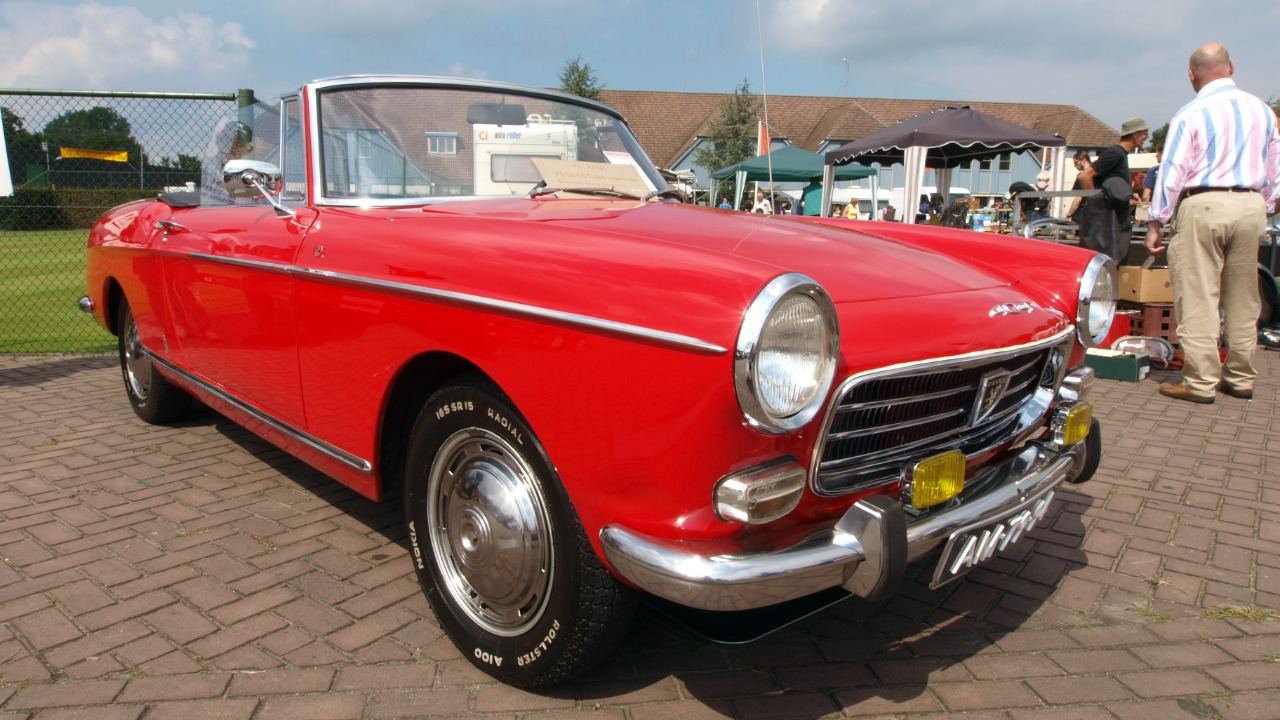
When the Peugeot 404 entered production in the early 1960s and continued through 1966 and beyond, it was positioned as a practical, durable midsize sedan for global markets. Styled by Pininfarina, its clean, upright body design emphasized interior space and ease of use rather than aerodynamic flair. However, beneath that simple exterior lay a chassis that benefited from thoughtful engineering decisions.
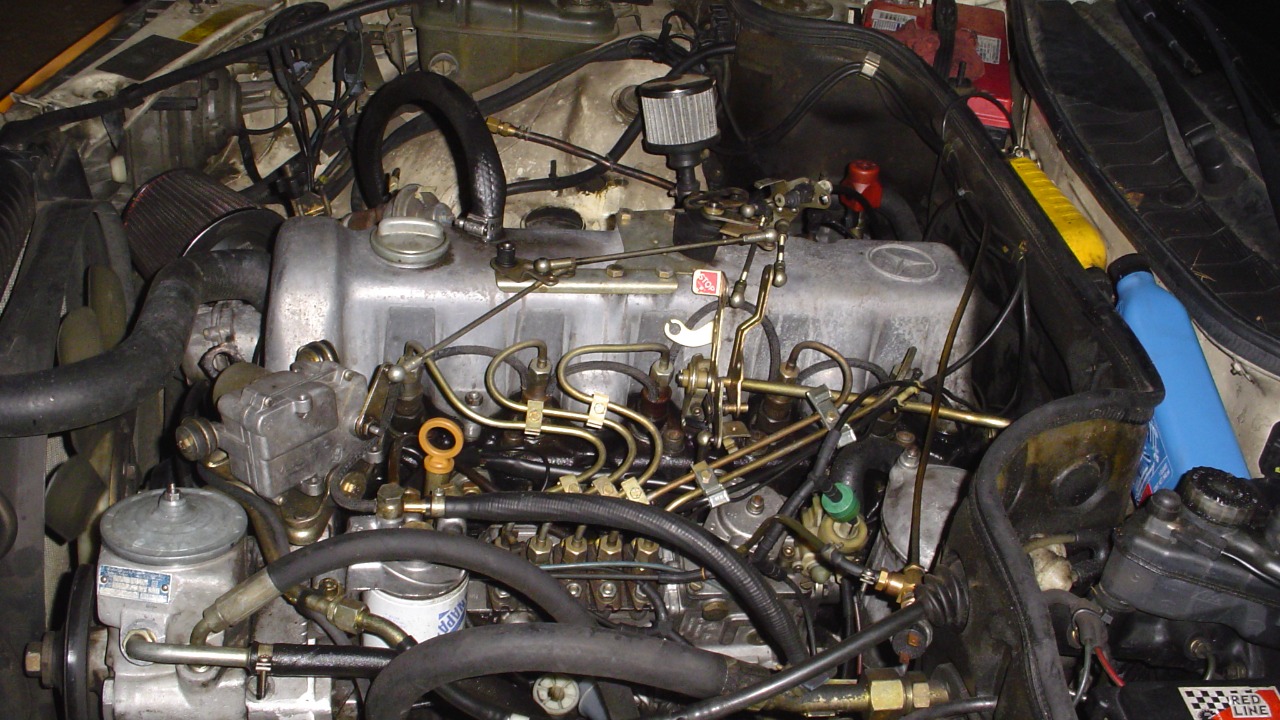
The 404 used a rear-wheel-drive layout with a longitudinal engine placement, a configuration that was already well established but executed with particular attention to balance. Most versions were powered by a 1.6-liter gasoline engine or, in many export markets, the famously durable Indenor diesel engine. While output figures were modest, the engines delivered smooth torque delivery that matched the car’s relaxed character.
What truly defined the driving experience was the suspension setup. Up front, independent suspension with coil springs and hydraulic dampers allowed each wheel to react individually to road imperfections. At the rear, a robust live axle with carefully tuned spring rates provided stability under load. This combination created a car that absorbed rough roads without feeling disconnected from the surface.
Steering was another key element. The 404 used a recirculating ball steering system, which was common for the era, but Peugeot tuned it to be relatively light at low speeds while still offering a surprising degree of precision at highway pace. It was not sharp in the modern sense, but it was predictable, and that predictability gave drivers confidence in corners and during lane changes.
Braking performance, while not exceptional by today’s standards, was consistent and easy to modulate. Drum brakes on earlier models were eventually supplemented or replaced by front disc brakes in later configurations, improving fade resistance and control during longer drives.
Taken as a whole, the engineering package of the 404 was not about individual standout components. Instead, it was about how everything worked together. That cohesion is what gives the car its reputation for unexpectedly strong driving dynamics.
Why It Matters
The significance of the Peugeot 404 lies in how it challenges modern assumptions about what makes a car enjoyable to drive. In the mid-1960s, many manufacturers were focused on either raw performance or basic transportation. The 404 occupied a middle ground that prioritized balance, predictability, and long-distance comfort.
Unlike American sedans of the same period, which often emphasized size, torque, and straight-line cruising ability, the 404 was designed for varied road conditions across Europe, Africa, and South America. That global mission forced Peugeot to engineer a chassis that could handle uneven pavement, high temperatures, and long distances without mechanical strain.
This requirement shaped its driving dynamics in a way that feels surprisingly modern. The suspension tuning, for example, did not simply aim for softness. Instead, it controlled body movement in a way that prevented excessive float while still isolating passengers from harsh impacts. As a result, the car could maintain composure on winding roads without becoming tiring on highways.
The lightweight nature of the car also contributed to its behavior. With less mass to manage, the suspension did not need to rely on stiffness to maintain control. This allowed the 404 to feel more fluid over broken surfaces, especially compared to heavier contemporaries that could feel sluggish or unsettled in similar conditions.
Another important factor was build philosophy. Peugeot engineered the 404 for longevity, and that durability mindset influenced chassis stiffness and component longevity. A well-maintained example today often feels tighter than expected, even after decades of use. That structural integrity enhances the driving experience and reinforces its reputation as a “quietly capable” sedan.
From a modern perspective, the 404 highlights an important idea: engaging driving dynamics do not always come from horsepower or aggressive tuning. Sometimes they come from consistency, predictability, and a chassis that communicates honestly with the driver.
A Design That Supports the Drive
The exterior and interior design of the 404 also played a subtle role in shaping its driving impression. The upright seating position, large glass area, and thin pillars created excellent visibility, which made the car feel smaller and easier to place on the road. This visibility contributes significantly to driver confidence, especially in urban environments or narrow rural roads.
Inside, the cabin was simple but functional. Controls were logically arranged, and the driving position prioritized comfort over sportiness. While there were no performance-oriented design cues like bucket seats or aggressive dashboards, the ergonomics made long journeys easier, reducing fatigue and allowing drivers to focus more on road feedback.
This simplicity extended to the driving experience itself. Without excessive insulation or artificial weighting, the car allowed drivers to feel road texture and chassis movement in a controlled way. That level of feedback is part of why modern enthusiasts often describe the 404 as more engaging than its specifications would suggest.
Why Enthusiasts Are Reassessing It Today
In the modern classic car landscape, attention often goes to performance icons or visually dramatic models. However, vehicles like the Peugeot 404 are gaining renewed appreciation for a different reason: usability.
Unlike many vintage performance cars that demand constant attention, the 404 remains approachable. Its mechanical simplicity, strong parts availability in many regions, and reputation for reliability make it a practical entry point into classic ownership. But beyond practicality, it offers a driving experience that feels cohesive rather than compromised.
Collectors and enthusiasts are beginning to recognize that “slow car fast” enjoyment is not just a modern concept. The 404 embodies it naturally. Its modest power encourages momentum driving, its suspension rewards smooth inputs, and its steering rewards anticipation rather than aggression.
As values for more famous classics continue to rise, cars like the 404 are increasingly viewed as honest alternatives—vehicles that deliver character without intimidation or excessive cost.
What to Watch Next
The future of the Peugeot 404 in the collector market will likely be shaped by three key trends: preservation, restoration quality, and global interest in understated classics.
First, originality is becoming more important. Well-preserved examples with intact interiors, correct trim, and original drivetrains are gaining attention because they best represent the car’s intended driving experience. Modified versions still have appeal, but purists are increasingly seeking factory-correct examples.
Second, restoration culture is growing. Because the 404 was sold in large numbers across multiple continents, parts networks and enthusiast communities remain active. This makes it possible to restore examples to a high standard, further increasing their appeal in the collector space.
Third, global appreciation for vintage European sedans is expanding. As enthusiasts look beyond traditional performance icons, cars like the 404 benefit from renewed curiosity. Its combination of durability, comfort, and unexpectedly refined road manners positions it well in this evolving market.
In the long term, the 404 is unlikely to become a high-priced collector car in the same way as rare sports models. Instead, its value lies in accessibility and authenticity. It represents an era when engineering priorities were broader and when even modest family sedans were designed with genuine care for how they behaved on the road.
More From Fast Lane Only: