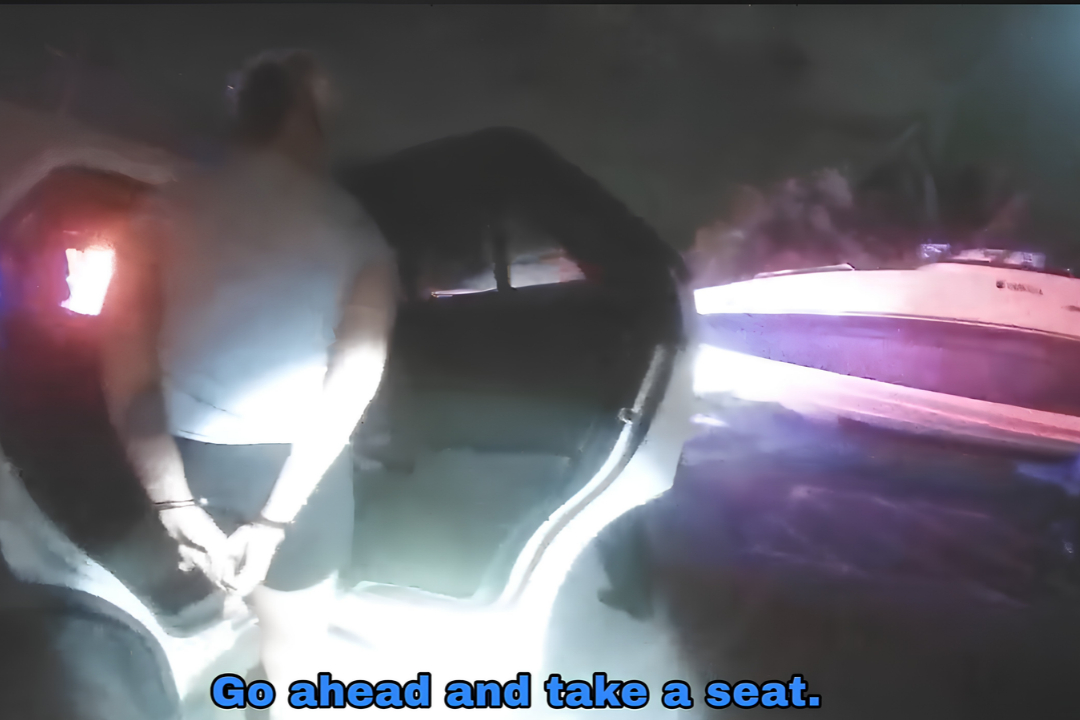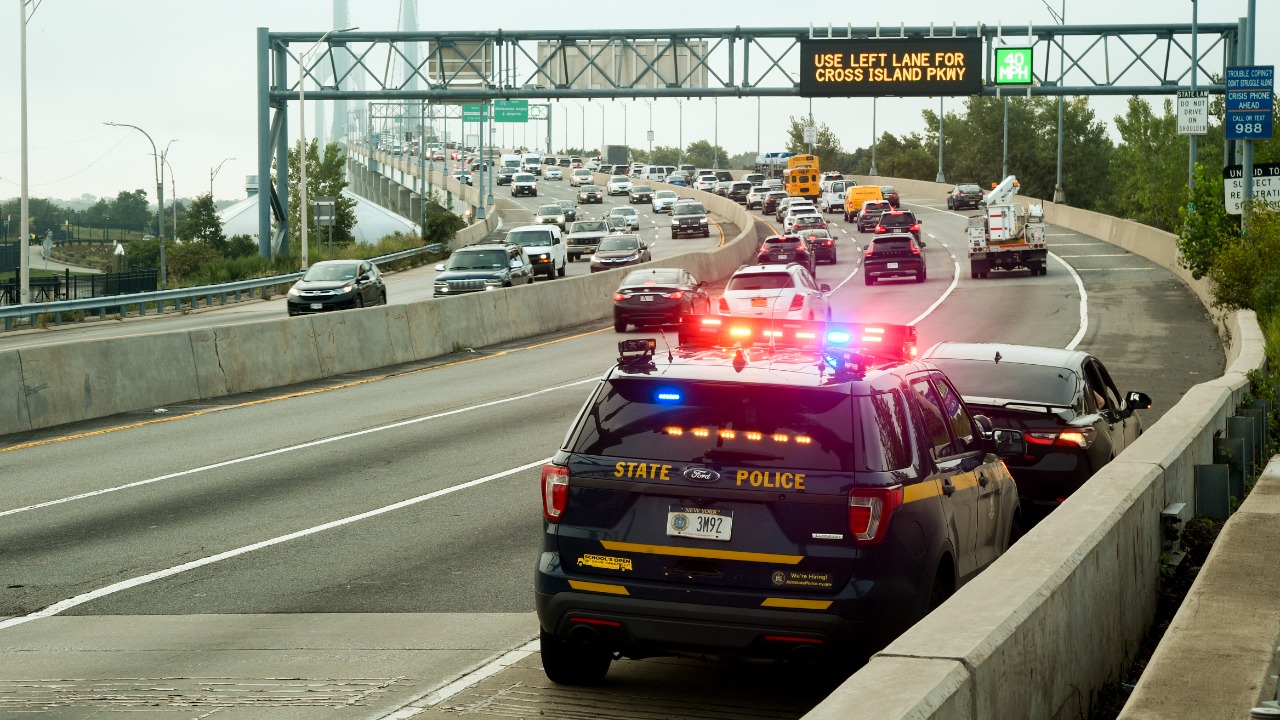
Every time you pull up to a red light, your safety depends less on how many people police stop and more on which drivers they choose to focus on. Across the country, departments that shift enforcement away from minor technical violations and toward real safety threats are changing who gets stopped, how those encounters unfold, and whether you actually get home in one piece. Look closely at the data and you see that enforcement priorities quietly shape everything from crash rates to racial disparities to the odds that a traffic stop turns violent.
How “low level” stops became the default
For years, many agencies treated any minor infraction as a green light to pull you over. A broken taillight, an air freshener on your mirror, or a late registration sticker could all justify a stop that quickly turned into an open-ended search. These low-level encounters rarely had much to do with whether you were endangering anyone on the road, yet they became one of the most common ways you could be drawn into the justice system.
Researchers who examined this pattern describe how Law enforcement traffic evolved into a conventional tool for broad crime control, not just crash prevention. That approach encouraged officers to treat every cracked windshield as a potential gateway to guns or drugs. Drivers felt that in the form of more stops, more questions, and more chances for a simple drive to spin into something far more serious.
The problem is that this scattershot strategy does not line up well with what actually causes deadly crashes. Speeding, impairment, distraction, and failure to yield are far more likely to hurt you than a burned-out license plate bulb. When departments pour time into the latter, they leave less bandwidth for the violations that truly put your life at risk.
What happens when cities change course
Some communities have started to flip that script, and the results show up in the numbers. In one closely studied city, Fayetteville shifted its officers away from equipment and paperwork violations and toward hazardous driving behaviors. The peer-reviewed evaluation of that change found that Re prioritizing traffic cut both total crashes and injurious crashes, while racial disparities in who got stopped also narrowed.
Another analysis of the same intervention reported that Following the Fayetteville policy change, traffic fatalities dropped and the department still maintained its focus on serious offenses. You feel that difference not as an abstract statistic but as fewer wrecks on your commute and fewer roadside encounters that begin with something trivial.
Denver has moved in a similar direction. The Denver Police Department began limiting low-level traffic stops in order to prioritize bigger threats to public safety, a change that immediately altered who was being pulled over and why. Coverage of the shift describes a steep drop in overall stops, especially for equipment issues, while officers redirected attention to behavior that could actually cause a crash.
Portland’s consent search reset
Portland offers another window into how enforcement priorities change outcomes once you are already at the roadside. City leaders, including Mayor Ted Wheeler and the Police Chief, announced that the Portland Police Bureau would overhaul both traffic enforcement and consent search rules. The official announcement explained that Mayor and Police in order to address racial disparities and rebuild trust.
Under the new approach, officers are expected to be more selective about who they stop and to tighten up when and how they ask for permission to search your car. The shift was significant enough that it rippled through other city channels, including job postings for officers on Discovered Mayor and and public-facing updates on Discovered Mayor and, Discovered Mayor and, and Discovered Mayor and. For you as a driver, that means fewer stops that begin with a minor violation and fewer open-ended fishing expeditions once you are pulled over.
Portland’s policy change also reflects a wider recognition that how officers handle consent searches can either cool down or inflame a stop. When you are told clearly that you can say no, and when searches are tied to real safety concerns rather than hunches, the encounter feels less arbitrary and less threatening.
Evidence that fewer stops can mean safer streets
If you grew up hearing that aggressive traffic enforcement is the only way to keep you safe, the idea of fewer stops might sound risky. Research from Ramsey County in Minnesota points in a different direction. When local leaders there decided to cut back on minor, non public safety traffic stops, analysts tracked what happened to crashes and crime. The Alternatively scenario some people feared, in which fewer equipment stops would lead to more serious crime, did not materialize.
Instead, research from the Justice Innovation Lab found that in Ramsey County, Minnesota, the policy shift did not harm traffic safety or public safety. A separate overview of these changes noted that Ramsey County, Minnesota, officers reduced non safety stops without a spike in crashes or crime, which directly challenges the idea that you must accept constant low-level enforcement in order to stay safe.
At the same time, national advocates have pointed out that In many cases where departments limited certain types of traffic stops, crash numbers stayed flat or even went down. You experience that as less hassle on the road, without sacrificing the basic expectation that your kids can cross the street safely.
Why low-level stops hit some drivers harder
Not everyone feels traffic enforcement the same way. Data from multiple cities show that minor, non safety related stops fall disproportionately on Black drivers and other drivers of color. One initiative that examined these patterns found that Non safety related deepen racial disparities compared with safety-focused stops. When cities eliminate or sharply restrict these encounters, the racial gap in who gets stopped begins to shrink.
In Fayetteville, the same policy shift that improved crash outcomes also narrowed racial disparities in stops, according to the peer-reviewed study. Another report on that city highlighted that Fayetteville also passed requiring written consent for searches during traffic stops. For you, especially if you are a Black driver who has learned to brace for every flashing light behind you, those changes can feel like the difference between constant suspicion and a more even playing field.
Public opinion is shifting alongside the data. A February poll commissioned by Vera Action found that voters strongly support reforms that cut back on low-level stops and reduce the chance that Black drivers are treated more harshly during encounters. The coalition that highlighted this poll explained that Vera Action documented broad backing for policies that align enforcement with genuine safety, not technicalities.
What smarter enforcement can look like
None of this means you are destined for a future with no traffic enforcement at all. Research on targeted strategies shows that when officers focus on real risk, they can save lives. A federal review of high visibility enforcement found that in Fresno, California, a substantial expansion of general traffic enforcement, including an increase from 20 to 84 traffic patrol officers, coincided with fewer crashes and injuries. The difference there was not just quantity but a focus on speeding and other behaviors that clearly endanger you.
Policy experts argue that you can pair this kind of targeted enforcement with structural reforms. One proposal urges that DOT should fund into alternatives such as automated speed cameras, civilian crash investigators, and expanded use of warnings instead of tickets. Another analysis on traffic safety argues that Traffic enforcement reform can reduce racial profiling while still giving you safer streets, especially if cities limit pretextual stops and invest in better road design.
More from Fast Lane Only