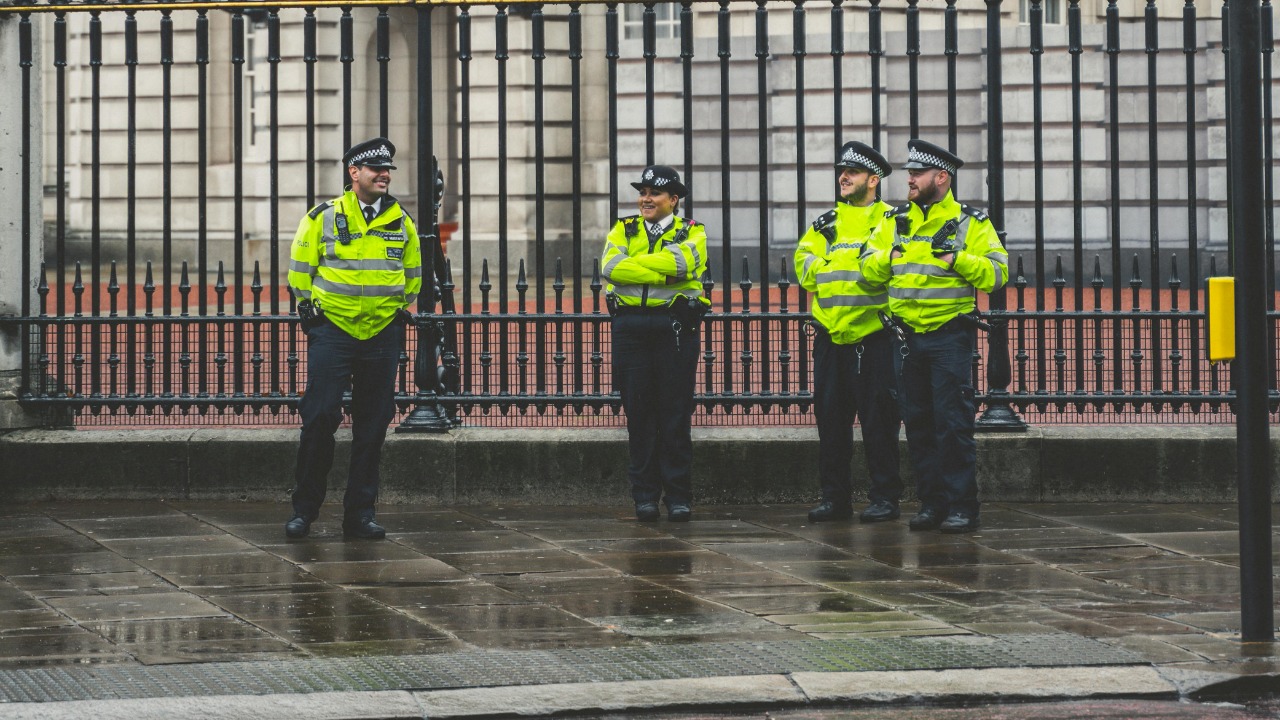
When a patrol car slides in behind you, the officer inside is already running through a checklist long before you see blue lights. Traffic units train to read your vehicle, your driving, and your body language in seconds, because every stop can swing from routine to life threatening without warning. You may feel as if you are just being pulled over for a minor mistake, but the person walking up to your window is scanning for danger, impairment, and clues to bigger crimes the entire time.
Understanding what those officers are trained to notice immediately gives you a better chance at a calm, brief encounter. It also shows how much of their attention is focused not on writing a ticket, but on getting everyone home alive.
How specialized traffic units are set up
When you think about traffic enforcement, you might picture a lone cruiser on the shoulder with a radar gun. In reality, many cities and counties build full units around that work. In Memphis, for example, the MPD operates a dedicated Traffic Division within its Special Operations Division, with a Front Desk reachable at 901 and 636 and a main office on Austin Peay Highway that opened in September of 2020.
These units do far more than run speed traps. You see them handling crash reconstruction, DUI saturation patrols, school zone details, and escorts for Special Events. Similar teams in places like Williamson County in Tenne focus on serious crashes and education programs for school and citizen groups, so your traffic stop experience is shaped by people who work this beat every day.
The first thing they see: your vehicle in motion
Your interaction with a traffic officer usually starts long before the lights come on. Training on the first Phase of a stop, sometimes called the Vehicle in motion, teaches officers to watch your lane position, braking, and turns as early as possible. Guidance on the four primary phases of a traffic stop explains that this first look helps an officer decide whether to call a backing unit and how to position the patrol car for safety, which you can see in detail in this Phase training overview.
At this stage, you are being evaluated for more than a single violation. Weaving inside your lane, inconsistent speeds, or abrupt lane changes can suggest impairment, and many DUI cases begin with exactly that kind of observation. Legal guides on the Role of the Police point out that Maintaining Lane Position Maintaining is hard for impaired drivers, so if you drift over the line or struggle on curves, you stand out quickly.
Signs of impairment and distraction
Once you are in view, traffic officers are trained to separate normal mistakes from signs of serious risk. Before initiating a stop based on suspected impairment, they look for patterns such as wide turns, abrupt lane changes, or inconsistent speeds, as described in guidance on Before initiating a DUI stop.
They also pay attention to what happens at intersections. If you show Delayed reactions to traffic signals, such as very slow starts at green lights or hesitation to stop at red lights, that can indicate impaired cognitive function, as described in one Fort Lauderdale focused explanation of Delayed reactions.
Even if you are sober, distracted driving creates similar tells. Safety advocates describe how Delayed Reaction Times, Not Braking, and Changing Lanes Promptly can reveal a driver who is looking at a phone instead of the road. When you lag behind traffic, ride the brakes, or drift before a lane change, you draw the same kind of attention as someone who has been drinking.
What they notice the moment you pull over
As soon as you respond to the lights, your choices keep sending signals. Officers are taught that there are no routine stops and that complacency can be deadly, which is why scenario Training Because traffic stops usually go smoothly still emphasizes readiness for a deadly encounter if necessary.
In many agencies, structured programs such as STOPS (Strategies and Tactics of Patrol Stops) break each encounter into categories with pre planned options. The training material explains that Each category has pre planned options to minimize the chances of being assaulted by both accidental and felonious means, and that Officers learn to use consistent positioning and commands so STOPS saves cops, as detailed in this Each category description.
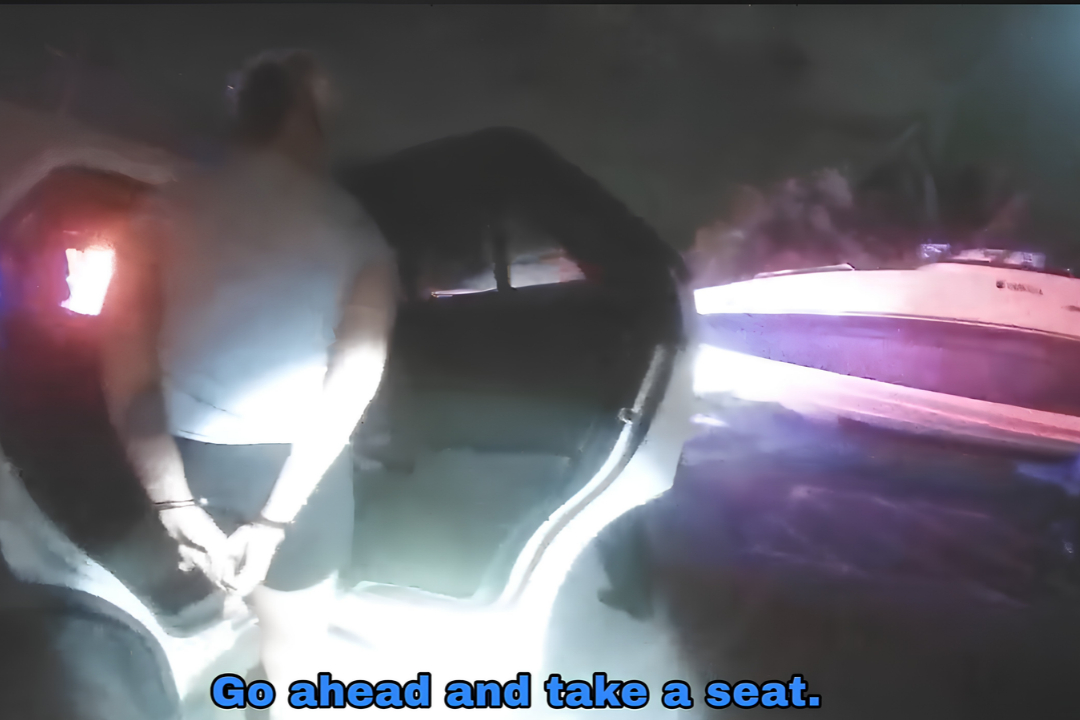
From your side, the exact spot where you stop matters. If you pull far onto the shoulder, stay in the car, and keep your hands visible on the wheel, you match what most officers hope to see. If you slam on the brakes in a live lane, jump out, or start digging in the glove box as they approach, you immediately raise their concern level.
Lighting, positioning, and first approach
Once you are stopped, the officer is managing a small traffic control problem around your car. Internal procedures on DUI stops instruct that After the stop, the headlights should be on low beam for the safety of oncoming traffic, and emergency bar lights in use on patrol cars help alert other drivers to slow down, as laid out in the Memphis policy document that begins with After the stop requirements.
Other training materials on traffic direction explain that Officers should set up perimeter traffic control points to Allow for the movement of police, fire, and rescue equipment, and to create safe routes to move traffic around an accident scene. That same mindset applies to your stop, even if it is only for a few minutes, because the officer is thinking about where another vehicle could come from and how to avoid a secondary crash.
On the walk up, your body language becomes the focus. Guides on constructive possession law note that Consequently, officers do not need to gamble with their safety. Instead, they can look for furtive gestures, which are quick and subtle movements that suggest someone is hiding a weapon or contraband. If you suddenly lean forward as if stuffing something under the seat, or twist toward the center console as the officer reaches your window, you fit exactly the kind of movement described in that Consequently analysis.
How traffic officers watch the bigger picture
While one officer talks with you, others may be tracking the wider flow of vehicles. Traffic specialists are a specific branch of law enforcement. One of the most common forms of traffic policing in the modern day is vehicular enforcement, which is conducted by police officers who patrol roadways using radar speed guns and similar tools, as summarized in this overview of One of the functions of traffic police.
These officers are not only looking at your bumper. They are watching for secondary violations around the stop, such as drivers who fail to move over, people who stare at the flashing lights instead of the road, or vehicles that slow to an unsafe crawl. Training keys on TRAFFIC CONTROL TRAINING KEY NCJ Number 279 emphasize that intersection and scene management are as much a part of the job as writing citations.
In some agencies, units like The Traffic Division in Woonsocket or the Traffic Unit in Leon County focus on advanced accident reconstruction, DUI checkpoints, and traffic management for large events. Each member of such a Traffic Unit often receives specific DUI training, and Members of those teams are used to juggling enforcement with public education.
Why your cooperation changes the tone instantly
When you understand what officers are trained to notice, you can also see how much control you hold over the tone of a stop. If you pull over promptly in a safe spot, keep your hands visible, avoid sudden movements, and respond calmly to simple requests, you match exactly what safety oriented programs want from drivers.
More from Fast Lane Only