Modern Formula 1 is defined by microscopic margins, and the difference between pole and the third row can be measured in the blink of an eye. As cars have become faster and more complex, the physical and cognitive demands on drivers have escalated to the point where elite conditioning and split-second reactions are no longer advantages, they are basic survival tools. The sport’s technology may grab the headlines, but the human performance inside the cockpit is what keeps that technology on the limit.
When I look at today’s grid, I see athletes whose training resembles a hybrid of fighter pilots, endurance runners, and powerlifters, all in service of staying sharp for every millisecond of a race. Their fitness and reaction speed matter more than ever because the cars punish any weakness, whether it is a neck muscle that fades under G-force or a brain that hesitates for a fraction of a second at 200 mph.
The brutal reality of driving a modern F1 car
The first thing I remind people is that a grand prix is not a 90-minute Sunday drive, it is a sustained assault on the body. During a typical race distance, drivers are strapped into a cramped cockpit where temperatures can climb to 122°F, with humidity compounding the stress on their cardiovascular system. Over that same 90-minute window, their heart rate sits closer to that of a distance runner than a commuter, while they manage braking zones, tyre wear, fuel targets, and strategy calls without any room for mental drift.
Layered on top of the heat and duration is the constant battering of G-forces that twist the neck and compress the spine through every high-speed corner and heavy braking zone. Reports on how fit, strong, and fast drivers must be underline that F1 racers are subjected to extreme G-loads that would leave an untrained person struggling to hold their head up, let alone hit every apex. Over a full race distance, that repeated loading turns into a test of muscular endurance as much as outright strength, which is why the cockpit has become a place only the best-prepared athletes can truly master.
Why cardiovascular fitness and strength are now non‑negotiable
As the cars have evolved, so has the training philosophy behind the drivers who race them. I see modern F1 preparation built around what one performance analysis described as Cardiovascular Fitness and Endurance, because Racing at high speeds for extended periods demands a heart and lung capacity that can deliver oxygen under relentless stress. Drivers are not just fighting fatigue, they are fighting the cognitive decline that comes when the brain is starved of oxygen, which is why long cardio blocks, interval sessions, and sport-specific conditioning are now as central to their week as simulator time.
Strength work has become just as critical, particularly around the neck and shoulders, which act as the body’s shock absorbers under load. Medical and training specialists consistently highlight that Neck and shoulder strength is essential because every corner asks those muscles to stabilise the head and keep the driver’s vision clear. While general fitness is of vital importance, race car drivers place a lot of emphasis on targeted resistance work that allows them to maintain precise steering inputs and braking pressure even when their bodies are screaming. Without that foundation, the final laps of a race would become a battle simply to keep the car on the track, never mind fighting for position.
Nutrition and recovery as performance multipliers
Physical preparation does not stop at the gym door, and I have seen nutrition become a quiet arms race in its own right. In a recent look at driver conditioning, one feature described how, in One of the most intensely demanding races in recent memory, a single driver can burn through a huge amount of energy, with every gram of fuel in their body as carefully managed as the fuel in the car. That same report on why nutrition is so important for Formula 1 drivers explained that a tailored diet is now treated as a performance tool, not an afterthought, with Special attention paid to how drivers hydrate and refuel before and after each session so they can repeat peak efforts across a long season.
What stands out to me is how integrated this approach has become. Teams now build race-weekend plans that combine carefully timed meals, electrolyte strategies, and recovery protocols to ensure the driver is as sharp on lap 60 as on lap 1. The piece by Justin Hynes on being fit for F1 highlighted how every calorie is treated like fuel, with drivers and performance staff tracking intake and expenditure to keep weight stable without sacrificing strength. In a sport where a few hundred grams can influence lap time, that level of nutritional precision has become another way to extract marginal gains from the person behind the wheel.
Reaction time: the invisible edge
If fitness keeps a driver in the fight, reaction speed often decides who wins it. In elite sport, Victory or defeat in any sport is typically decided by milliseconds and entirely depends on the player’s reaction time, and F1 amplifies that reality with closing speeds that leave no room for hesitation. I think of reaction time here not as a party trick but as a trained skill, one that allows a driver to process visual information, make a decision, and execute a steering, throttle, or brake input in a fraction of a second.
Specialist training providers now describe how One of the most important trainings for F1 drivers is improving their reaction speed, because it touches every phase of a race. As one breakdown of driver drills put it, Enhanced Start Performance is a direct product of Faster reactions, enabling drivers to launch cleanly off the line, defend position into turn one, and avoid the chaos that often unfolds in the midfield. That same responsiveness is vital when a car ahead locks up, a yellow flag appears, or a strategy call demands an immediate change in driving style. In those moments, the driver who can translate a visual cue into action fastest is the one most likely to stay out of trouble and capitalise on opportunity.
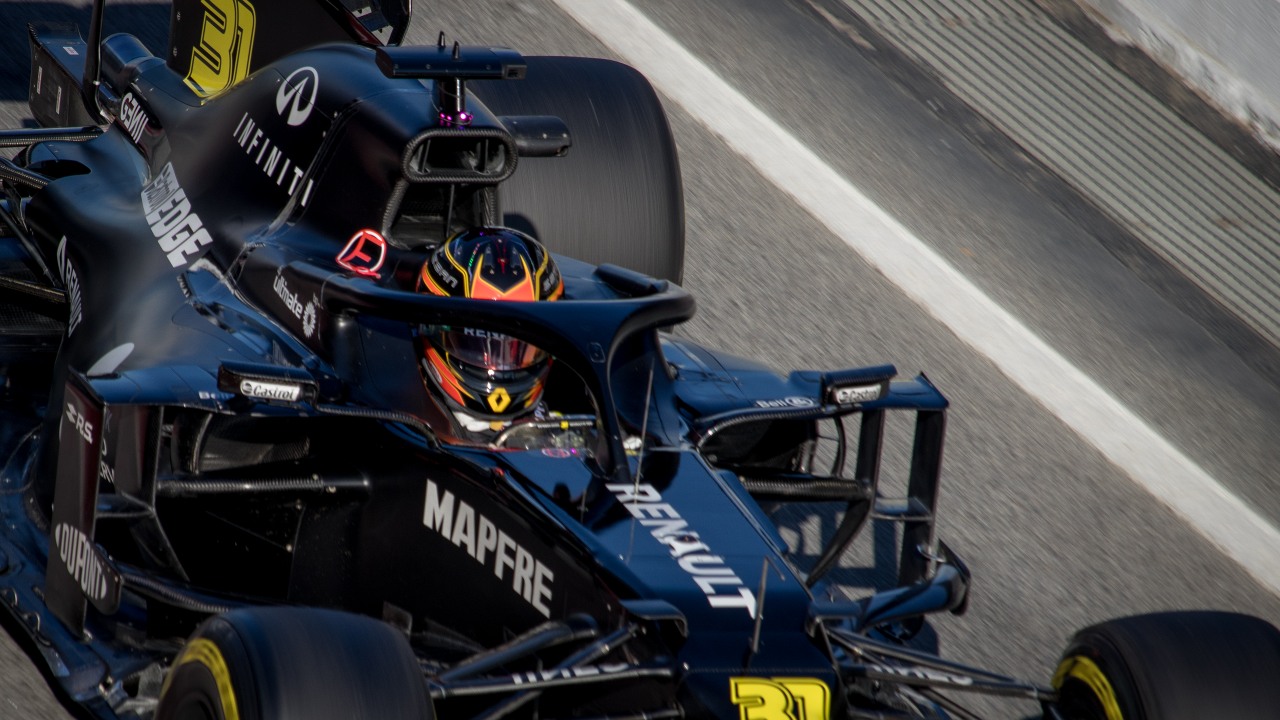
How F1 drivers train their brains as hard as their bodies
What fascinates me most is how deliberately teams now train the brain to keep pace with the body. Analyses of driver physiology note that, instead of spending endless days in real cars, much of a driver’s schedule is now split between simulator work and physical conditioning to withstand the demands of Formula 1 racing. One detailed look at the physiology of Formula 1 drivers explained that the aim is to build an athlete who can deliver consistent performance in all conditions, not just a fast lap in clean air. That means cognitive drills, visual tracking exercises, and decision-making under fatigue are now baked into weekly routines.
Dedicated reaction training platforms echo this, pointing out that F1 Driver Reaction Times are among the fastest in sport because drivers must react to external stimuli and execute a new line immediately. One breakdown of Driver Reaction Times and How Fast Are They argued that the key is not just raw speed but the ability to maintain that speed under pressure, lap after lap. When I watch onboard footage of a driver threading a car through a wet street circuit, inches from the wall, I see the product of thousands of hours of mental conditioning layered on top of physical training, all designed to keep their decision-making razor sharp when the tyres are worn and the stakes are highest.
Why the human factor matters more as the cars get smarter
There is a temptation to assume that as F1 cars become more technologically advanced, the driver’s role diminishes, but the opposite is true. The more complex the machinery, the more it demands from the human operating it, especially when that human must interpret streams of data while wrestling a car at the limit. Reports on What it Takes to Succeed as a Formula 1 Driver stress that during a 90-minute race, the body and brain are under constant strain, and any lapse in concentration can undo an entire weekend’s work. That is why teams invest so heavily in holistic performance programs that treat the driver as the ultimate variable in a tightly controlled system.
When I step back from the telemetry and the wind tunnel numbers, what stands out is how much of modern F1 still comes down to the person in the cockpit. Fitness and reaction speed are not just about surviving the physical ordeal of a grand prix, they are about unlocking the final few tenths that separate champions from also-rans. As the sport continues to evolve, the drivers who thrive will be those who treat their bodies and minds as the most sophisticated components on the car, and train them accordingly.
More from Fast Lane Only: